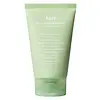
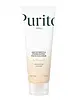
Abib Pore Clay Pack Cleanser Heartleaf Charcoal Foam Versus PURITO Oat In Gentle Exfoliating Face Cleanser
This smoothing exfoliator is formulated around Avena Sativa Seed Water and Avena Sativa Kernel Flour to refine skin texture and calm redness.

What's inside
What's inside
 Key Ingredients
Benefits
Concerns
Ingredients Side-by-side
Water
Skin ConditioningGlycerin
Humectant


Kaolin
Abrasive



Bentonite
Absorbent
Myristic Acid
Cleansing



Methylpropanediol
Solvent1,2-Hexanediol
Skin Conditioning
Zea Mays Starch
Absorbent
Titanium Dioxide
Cosmetic Colorant

Potassium Hydroxide
BufferingButylene Glycol
Humectant
Glyceryl Stearate
Emollient
Cellulose
Absorbent
Sodium Cocoyl Glycinate
Cleansing
Charcoal Powder
Abrasive
Palmitic Acid
Emollient
Stearic Acid
Cleansing
Magnesium Aluminum Silicate
Absorbent
Houttuynia Cordata Extract
Skin Conditioning
Xanthan Gum
EmulsifyingHydroxyacetophenone
Antioxidant
Houttuynia Cordata Powder
Skin ConditioningEthylhexylglycerin
Skin ConditioningDipropylene Glycol
HumectantChromium Oxide Greens
Agar
MaskingSodium Phytate
ChelatingLaminaria Japonica Extract
Skin Protecting
Eclipta Prostrata Leaf Extract
Skin ConditioningChondrus Crispus Extract
Skin Conditioning
Fructooligosaccharides
Humectant
Beta-Glucan
Skin Conditioning
Hydrogenated Lecithin
Emulsifying
Hydrolyzed Hyaluronic Acid
Humectant

Allantoin
Skin Conditioning
4-Terpineol
Masking
Succinic Acid
BufferingCanadian Colloidal Clay
Skin ConditioningIllite
Abrasive
Asiaticoside
Antioxidant
Madecassic Acid
Skin Conditioning
Asiatic Acid
Skin Conditioning
Montmorillonite
AbsorbentSodium Hyaluronate
Humectant
Hyaluronic Acid
Humectant
Diospyros Kaki Leaf Extract
Skin Protecting
Vitis Vinifera Fruit Extract
Skin ConditioningCarthamus Tinctorius Flower Extract
Skin ConditioningPolygonum Cuspidatum Root Extract
Antioxidant
Coffea Arabica Seed Extract
Masking
Camellia Sinensis Leaf Extract
Antimicrobial
Castanea Crenata Shell Extract
Skin ConditioningZanthoxylum Piperitum Fruit Extract
Skin ConditioningSodium Hyaluronate Crosspolymer
Humectant
Hydroxypropyltrimonium Hyaluronate
Sodium Acetylated Hyaluronate
Humectant
Water, Glycerin, Kaolin, Bentonite, Myristic Acid, Methylpropanediol, 1,2-Hexanediol, Zea Mays Starch, Titanium Dioxide, Potassium Hydroxide, Butylene Glycol, Glyceryl Stearate, Cellulose, Sodium Cocoyl Glycinate, Charcoal Powder, Palmitic Acid, Stearic Acid, Magnesium Aluminum Silicate, Houttuynia Cordata Extract, Xanthan Gum, Hydroxyacetophenone, Houttuynia Cordata Powder, Ethylhexylglycerin, Dipropylene Glycol, Chromium Oxide Greens, Agar, Sodium Phytate, Laminaria Japonica Extract, Eclipta Prostrata Leaf Extract, Chondrus Crispus Extract, Fructooligosaccharides, Beta-Glucan, Hydrogenated Lecithin, Hydrolyzed Hyaluronic Acid, Allantoin, 4-Terpineol, Succinic Acid, Canadian Colloidal Clay, Illite, Asiaticoside, Madecassic Acid, Asiatic Acid, Montmorillonite, Sodium Hyaluronate, Hyaluronic Acid, Diospyros Kaki Leaf Extract, Vitis Vinifera Fruit Extract, Carthamus Tinctorius Flower Extract, Polygonum Cuspidatum Root Extract, Coffea Arabica Seed Extract, Camellia Sinensis Leaf Extract, Castanea Crenata Shell Extract, Zanthoxylum Piperitum Fruit Extract, Sodium Hyaluronate Crosspolymer, Hydroxypropyltrimonium Hyaluronate, Sodium Acetylated Hyaluronate
Glycerin
Humectant
Sodium Cocoyl Isethionate
Cleansing
Avena Sativa Seed Water
Solvent
Water
Skin ConditioningPrunus Amygdalus Dulcis Seed Meal
Abrasive
Hydroxypropyl Starch Phosphate
Sodium Methyl Cocoyl Taurate
Cleansing
1,2-Hexanediol
Skin Conditioning
Avena Sativa Kernel Flour
Abrasive
Zea Mays Starch
Absorbent
Kaolin
Abrasive
Sodium Chloride
MaskingButylene Glycol
Humectant
Hectorite
AbsorbentEthylhexylglycerin
Skin ConditioningAlcohol Denat.
Antimicrobial


Cellulose
Absorbent
Sodium Cocoyl Glycinate
Cleansing
Sodium Lauroyl Glutamate
SurfactantHelianthus Annuus Seed Oil
Emollient
Zea Mays Germ Oil
Emollient
Caprylic/Capric Triglyceride
Masking
Glyceryl Behenate/Eicosadioate
Emollient
Glyceryl Stearate
Emollient
Glyceryl Stearate Se
Emulsifying
Polyglyceryl-10 Behenate/Eicosadioate
EmulsifyingPhellodendron Amurense Bark Extract
Skin ConditioningDextrin
AbsorbentTheobroma Cacao Seed Extract
Antioxidant
Avena Sativa Kernel Extract
Abrasive
Dipotassium Glycyrrhizate
Humectant
Squalane
Emollient
Panthenol
Skin Conditioning
Sodium Hyaluronate Crosspolymer
Humectant
Sodium Benzoate
Masking
Lactobacillus Ferment
Skin Conditioning
Potassium Sorbate
Preservative
Sodium Phytate
ChelatingDipropylene Glycol
HumectantCitric Acid
Buffering
Pentylene Glycol
Skin Conditioning
Oryza Sativa Starch
AbsorbentAvena Sativa Peptide
Skin Conditioning
Triticum Aestivum Peptide
Skin Conditioning
Glycine Max Polypeptide
Skin Conditioning
Tripropylene Glycol
Antioxidant
Dimethyl Isosorbide
SolventSodium DNA
Skin Conditioning
Beta-Glucan
Skin Conditioning
Pentaerythrityl Tetra-Di-T-Butyl Hydroxyhydrocinnamate
Antioxidant
Glycerin, Sodium Cocoyl Isethionate, Avena Sativa Seed Water, Water, Prunus Amygdalus Dulcis Seed Meal, Hydroxypropyl Starch Phosphate, Sodium Methyl Cocoyl Taurate, 1,2-Hexanediol, Avena Sativa Kernel Flour, Zea Mays Starch, Kaolin, Sodium Chloride, Butylene Glycol, Hectorite, Ethylhexylglycerin, Alcohol Denat., Cellulose, Sodium Cocoyl Glycinate, Sodium Lauroyl Glutamate, Helianthus Annuus Seed Oil, Zea Mays Germ Oil, Caprylic/Capric Triglyceride, Glyceryl Behenate/Eicosadioate, Glyceryl Stearate, Glyceryl Stearate Se, Polyglyceryl-10 Behenate/Eicosadioate, Phellodendron Amurense Bark Extract, Dextrin, Theobroma Cacao Seed Extract, Avena Sativa Kernel Extract, Dipotassium Glycyrrhizate, Squalane, Panthenol, Sodium Hyaluronate Crosspolymer, Sodium Benzoate, Lactobacillus Ferment, Potassium Sorbate, Sodium Phytate, Dipropylene Glycol, Citric Acid, Pentylene Glycol, Oryza Sativa Starch, Avena Sativa Peptide, Triticum Aestivum Peptide, Glycine Max Polypeptide, Tripropylene Glycol, Dimethyl Isosorbide, Sodium DNA, Beta-Glucan, Pentaerythrityl Tetra-Di-T-Butyl Hydroxyhydrocinnamate
Reviews
Alternatives
Ingredients Explained
These ingredients are found in both products.
Ingredients higher up in an ingredient list are typically present in a larger amount.
1,2-Hexanediol is a synthetic liquid and another multi-functional powerhouse.
It is a:
- Humectant, drawing moisture into the skin
- Emollient, helping to soften skin
- Solvent, dispersing and stabilizing formulas
- Preservative booster, enhancing the antimicrobial activity of other preservatives
Beta-Glucan is a soluble polysaccharide (a chain of glucose sugars) sourced from the cells walls of oats, baker's yeast, mushrooms, and seaweed.
It's a rare ingredient that pulls double-duty as a heavy-duty hydrator and skin-soothing repair agent.
On the surface, it acts as a humectant that holds water in place and reduces moisture loss for a plumper, smoother feel, while its anti-inflammatory and antioxidant properties make it a great pick for calming redness or sensitive skin
The more interesting story is underneath:
Despite its large molecular size, oat beta-glucan has been shown to penetrate the epidermis and reach the dermis by slipping between skin cells. Here, it interacts with fibroblasts and macrophages to nudge collagen synthesis and support wound repair.
A small 2005 split-face clinical study of 27 subjects found topical beta-glucan produced measurable reductions in wrinkle depth, height, and roughness after 8 weeks of use.
It is worth noting the trial was small and the penetration testing used frozen, irradiated skin so the anti-aging data is encouraging rather than definitive.
This ingredient gets along with pretty much everything and is typically used around 0.1-1%.
Fungal acne: This ingredient is not a food source for the Malassezia yeast because it is a glucose polysaccharide with no fatty acid or ester component.
Learn more about Beta-GlucanButylene Glycol (or BG) is used within cosmetic products for a few different reasons:
Overall, Butylene Glycol is a safe and well-rounded ingredient that works well with other ingredients.
Though this ingredient works well with most skin types, some people with sensitive skin may experience a reaction such as allergic rashes, closed comedones, or itchiness.
Learn more about Butylene GlycolCellulose is the main component of plant cell walls. It is used as an emulsifier, absorbent, and texture enhancer.
This ingredient has many functions:
Fun fact: Cellulose is the most abundant form of organic polymer on Earth.
Learn more about CelluloseDipropylene Glycol is a synthetically created humectant, stabilizer, and solvent.
This ingredient helps:
Dipropylene glycol is technically an alcohol, but it belongs to the glycol family (often considered part of the ‘good’ alcohols). This means it is hydrating and gentle on skin unlike drying solvent alcohols like denatured alcohol.
As a masking agent, Dipropylene Glycol can be used to cover the smell of other ingredients. However, it does not have a scent.
Studies show Dipropylene Glycol is considered safe to use in skincare.
Learn more about Dipropylene GlycolEthylhexylglycerin is created from glycerin. It is a multitasker ingredient that:
The CIR Expert Panel found minimal skin absorption or sensitization of any kind in a safety assessment. Though this ingredient is considered well-tolerated, a small number of cases of allergic dermatitis have been published since 2002. Just be sure to patch test if you are unsure.
Industry-reported use ranges from 8% in rinse-off products and 2% in leave-on formulations.
Learn more about EthylhexylglycerinGlycerin (or glycerol) is a compound naturally found in your skin. It's a powerhouse humectant that pulls water into the stratum corneum.
Topically, glycerin does several things at once:
Your skin makes glycerin on its own (mostly from sebaceous oil breakdown) and shuttles it to your outermost layer of skin, or your epidermis, via aquaporin-3.
Aquaporin-3 is a transporter that is essential for normal skin hydration, elasticity, and repair. Interestingly, mice lacking in AQP3 have dry and less elastic skin that can be fully corrected with glycerin.
This ingredient is non-irritating, plays well with almost every ingredient, and works across all skin types. Typical use is anywhere between 3-10% but can go up to 79% in some leave-on products.
Just know very high concentrations (>40%) can feel tacky in low humidity.
Glycerin is the name for this ingredient in American English. British English uses Glycerol/Glycerine.
Learn more about GlycerinGlyceryl Stearate is made by reacting glycerin with stearic acid (typically sourced from plant oils like palm or coconut). It's an emulsifier, emollient, and mild occlusive.
Emulsifiers help ingredients like oil and water stay mixed so your formula stays nicely blended and uniform in texture.
This ingredient is typically used in concentrations between 1-10%. Studies have found it to be non-sensitizing, non-phototoxic, and non-photoallergenic.
A close cousin of this ingredient is Glyceryl Stearate SE ("self-emulsifying"). This just has a small amount of sodium or potassium stearate added so it can emulsify without a co-emulsifier.
Since this ingredient is an ester of a C18 fatty acid, it may not be fungal acne safe. The Malassezia yeast can potentially metabolize within the C11-C24 range.
Fun fact: The human body also creates Glyceryl Stearate naturally.
Learn more about Glyceryl StearateKaolin is a clay. It is used for oil control and to help minimize pores. Like other clays, kaolin has the ability to absorb excess sebum or oil. This can help clean out pores and mattify the skin.
Some types of kaolin may have exfoliating properties. When water is added to kaolin, it becomes a paste with small abrasive particles.
Most kaolin is a white color, but may be pink/orange/red depending on where it comes from.
The name 'kaolin' comes from a Chinese village named 'Gaoling'. Kaolin clay comes from rocks rich in kaolinite. Kaolinite, the mineral, has a silicate layered structure. Kaolinite is formed from chemical weathering of aluminum siilicate minerals.
Besides skincare, kaolin is commonly used to make glossy paper, in ceramics, toothpaste, and as medicine to soothe stomach issues.
Learn more about KaolinSodium Cocoyl Glycinate is a cleansing agent. It can be naturally derived or synthetically-created.
As a surfactant, it helps clean your skin by gathering dirt, oil, and other pollutants to be rinsed away more easily.
Sodium Hyaluronate Crosspolymer is a crosslinked version of sodium hyaluronate. This just means it's linked into a 3D mesh network that lets it be more stable and sit on skin as a cohesive, gel-like film rather than sinking into skin.
A 2016 human skin study found crosslinked HA increased epidermal water content by 7.6% over the control group and reduced transepidermal water loss by 27.8%.
A follow-up clinical trial found that a topical crosslinked HA serum applied after fillers, microneedling, or chemical peels was well-tolerated and enhanced skin quality at 14 / 28 days.
More recent research suggests that concentrations as low as 0.03% can act as a penetration enhancer for other skincare actives.
Learn more about Sodium Hyaluronate CrosspolymerSodium Phytate is the sodium salt of Phytic acid, a compound that plants store phosphorus in. It's the plant-derived alternative to ingredients like Disodium EDTA.
In skincare, this ingredient is a chelator that grabs onto trace metal ions like iron and copper that sneak into formulas through water/raw materials.
Those metals speed up oxidation so binding them keeps oils, fragrance, and actives from going off, stops color changes, and helps the preservative system work harder.
Survey data shows usage levels range from 0.0099%-0.5% in leave-on products, 0.025%-0.3% in rinse-off, and up to 0.05% in eye-area products. Suppliers typically recommend a range between 0.05-0.5%.
Learn more about Sodium PhytateWater. It's the most common cosmetic ingredient of all. You'll usually see it at the top of ingredient lists, meaning that it makes up the largest part of the product.
So why is it so popular? Water most often acts as a solvent - this means that it helps dissolve other ingredients into the formulation.
You'll also recognize water as that liquid we all need to stay alive. If you see this, drink a glass of water. Remember to stay hydrated!
Learn more about WaterZea Mays Starch is starch made from corn. You might know this as cornstarch . It is used to thicken a product. It can replace talc as an absorbent.
The pH of cornstarch is 5.92.
Cornstarch is a common food ingredient used to thicken soups or to make corn syrup.
Learn more about Zea Mays Starch

