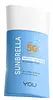
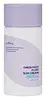
Y.O.U Sunbrella Watery Outdoor Sunscreen Fluid SPF 50+ Versus Isntree Onion Fresh Fluid Sun Cream SPF 50+
This hybrid sunscreen covers the full UV range and blocks ~98% of UVB at SPF 50.
This chemical sunscreen covers the full UV range and blocks ~98% of UVB at SPF 50.


What's inside
What's inside
 Key Ingredients
Benefits
Concerns
Ingredients Side-by-side
Water
Skin ConditioningCyclopentasiloxane
Emollient
Cyclohexasiloxane
Emollient
Propylene Glycol
Humectant


Polymethyl Methacrylate

Vinyl Dimethicone/Methicone Silsesquioxane Crosspolymer
Butyl Methoxydibenzoylmethane
UV Absorber
Titanium Dioxide
Cosmetic Colorant
Sodium Chloride
MaskingLauryl PEG-10 Tris(Trimethylsiloxy)Silylethyl Dimethicone
Emulsifying
Ethylhexyl Triazone
UV Absorber
PEG-10 Dimethicone
Skin Conditioning
Polymethylsilsesquioxane
Propanediol
Solvent
Hydroxyacetophenone
Antioxidant
Disteardimonium Hectorite
StabilisingStearic Acid
Cleansing

Silica
Abrasive

Alumina
Abrasive
Parfum
Masking


Disodium EDTA
ChelatingCaprylhydroxamic Acid
ChelatingPropylene Carbonate
SolventTocopherol
Antioxidant




Ectoin
Skin Conditioning


Zinc Oxide
Cosmetic Colorant
Butylene Glycol
Humectant
Glycerin
Humectant
Polyester-7
Skin ConditioningNeopentyl Glycol Diheptanoate
EmollientZea Mays Starch
Absorbent
Portulaca Oleracea Extract
Skin Conditioning
Hydrolyzed Corn Starch
HumectantHydrolyzed Corn Starch Octenylsuccinate
AbsorbentScutellaria Baicalensis Root Extract
Astringent
Centella Asiatica Extract
Cleansing
Butyrospermum Parkii Butter
Skin Conditioning
Cocamidopropyl Dimethylamine
Emulsifying
Hamamelis Virginiana Extract
Antiseborrhoeic
Buddleja Officinalis Flower Extract
UV Filter1,2-Hexanediol
Skin Conditioning
Phenylethyl Resorcinol
Antioxidant
Triethoxycaprylylsilane
Lactic Acid
Buffering
Xanthan Gum
EmulsifyingHydrated Silica
Abrasive
Palmitoyl Tripeptide-5
Skin Conditioning
Caprylyl Glycol
Emollient
Madecassoside
Antioxidant
Asiaticoside
Antioxidant
Glucose
Humectant
Asiatic Acid
Skin Conditioning
Madecassic Acid
Skin Conditioning
Sodium Hyaluronate
Humectant
Chondrus Crispus Extract
Skin Conditioning
Hydroxypropyltrimonium Hyaluronate
Hydrolyzed Hyaluronic Acid
Humectant
Sodium Acetylated Hyaluronate
Humectant
Hyaluronic Acid
Humectant
Hydrolyzed Sodium Hyaluronate
Skin Conditioning
Sodium Hyaluronate Crosspolymer
Humectant
Potassium Hyaluronate
Skin ConditioningWater, Cyclopentasiloxane, Cyclohexasiloxane, Propylene Glycol, Polymethyl Methacrylate, Vinyl Dimethicone/Methicone Silsesquioxane Crosspolymer, Butyl Methoxydibenzoylmethane, Titanium Dioxide, Sodium Chloride, Lauryl PEG-10 Tris(Trimethylsiloxy)Silylethyl Dimethicone, Ethylhexyl Triazone, PEG-10 Dimethicone, Polymethylsilsesquioxane, Propanediol, Hydroxyacetophenone, Disteardimonium Hectorite, Stearic Acid, Silica, Alumina, Parfum, Disodium EDTA, Caprylhydroxamic Acid, Propylene Carbonate, Tocopherol, Ectoin, Zinc Oxide, Butylene Glycol, Glycerin, Polyester-7, Neopentyl Glycol Diheptanoate, Zea Mays Starch, Portulaca Oleracea Extract, Hydrolyzed Corn Starch, Hydrolyzed Corn Starch Octenylsuccinate, Scutellaria Baicalensis Root Extract, Centella Asiatica Extract, Butyrospermum Parkii Butter, Cocamidopropyl Dimethylamine, Hamamelis Virginiana Extract, Buddleja Officinalis Flower Extract, 1,2-Hexanediol, Phenylethyl Resorcinol, Triethoxycaprylylsilane, Lactic Acid, Xanthan Gum, Hydrated Silica, Palmitoyl Tripeptide-5, Caprylyl Glycol, Madecassoside, Asiaticoside, Glucose, Asiatic Acid, Madecassic Acid, Sodium Hyaluronate, Chondrus Crispus Extract, Hydroxypropyltrimonium Hyaluronate, Hydrolyzed Hyaluronic Acid, Sodium Acetylated Hyaluronate, Hyaluronic Acid, Hydrolyzed Sodium Hyaluronate, Sodium Hyaluronate Crosspolymer, Potassium Hyaluronate
Water
Skin ConditioningDibutyl Adipate
EmollientEthylhexyl Triazone
UV Absorber
Terephthalylidene Dicamphor Sulfonic Acid
UV Absorber
Butylene Glycol
Humectant
Propanediol
Solvent
Silica
Abrasive
Methylpropanediol
SolventNiacinamide
Smoothing

Tromethamine
BufferingAllium Cepa Bulb Extract
Skin Conditioning
Sodium Hyaluronate
Humectant
Sphingomonas Ferment Extract
Skin Conditioning
Pyrus Malus Fruit Extract
Skin Conditioning
Caprylyl Methicone
Skin Conditioning
Diethylamino Hydroxybenzoyl Hexyl Benzoate
UV Filter
Diisopropyl Sebacate
EmollientLauryl Lactate
EmollientPolysilicone-15
UV Filter
Pentylene Glycol
Skin Conditioning
Polyglyceryl-3 Distearate
Emulsifying
1,2-Hexanediol
Skin Conditioning
Bis-Ethylhexyloxyphenol Methoxyphenyl Triazine
UV Absorber
C12-15 Alkyl Benzoate
AntimicrobialDimethyl Capramide
Emulsion StabilisingPhenethyl Benzoate
Emollient
Palmitic Acid
Emollient
Stearic Acid
Cleansing
C13-15 Alkane
SolventGlyceryl Stearate
Emollient
Hydroxyacetophenone
Antioxidant
Polyether-1
Dimethicone/Vinyl Dimethicone Crosspolymer
Skin Conditioning
Sodium Stearoyl Glutamate
CleansingGlyceryl Stearate Citrate
Emollient
Adenosine
Skin Conditioning
Microcrystalline Cellulose
AbsorbentBiosaccharide Gum-1
Humectant
Polyglyceryl-10 Myristate
Skin Conditioning
Sodium Phytate
ChelatingCellulose Gum
Emulsion StabilisingEthylhexylglycerin
Skin ConditioningArginine
Masking
Sodium Ascorbyl Phosphate
Antioxidant
Tocopherol
Antioxidant
Glyceryl Glucoside
Humectant
Hydrolyzed Extensin
Skin ConditioningGlycerin
Humectant
Carbomer
Emulsion StabilisingWater, Dibutyl Adipate, Ethylhexyl Triazone, Terephthalylidene Dicamphor Sulfonic Acid, Butylene Glycol, Propanediol, Silica, Methylpropanediol, Niacinamide, Tromethamine, Allium Cepa Bulb Extract, Sodium Hyaluronate, Sphingomonas Ferment Extract, Pyrus Malus Fruit Extract, Caprylyl Methicone, Diethylamino Hydroxybenzoyl Hexyl Benzoate, Diisopropyl Sebacate, Lauryl Lactate, Polysilicone-15, Pentylene Glycol, Polyglyceryl-3 Distearate, 1,2-Hexanediol, Bis-Ethylhexyloxyphenol Methoxyphenyl Triazine, C12-15 Alkyl Benzoate, Dimethyl Capramide, Phenethyl Benzoate, Palmitic Acid, Stearic Acid, C13-15 Alkane, Glyceryl Stearate, Hydroxyacetophenone, Polyether-1, Dimethicone/Vinyl Dimethicone Crosspolymer, Sodium Stearoyl Glutamate, Glyceryl Stearate Citrate, Adenosine, Microcrystalline Cellulose, Biosaccharide Gum-1, Polyglyceryl-10 Myristate, Sodium Phytate, Cellulose Gum, Ethylhexylglycerin, Arginine, Sodium Ascorbyl Phosphate, Tocopherol, Glyceryl Glucoside, Hydrolyzed Extensin, Glycerin, Carbomer
Reviews
Ingredients Explained
These ingredients are found in both products.
Ingredients higher up in an ingredient list are typically present in a larger amount.
1,2-Hexanediol is a synthetic liquid and another multi-functional powerhouse.
It is a:
- Humectant, drawing moisture into the skin
- Emollient, helping to soften skin
- Solvent, dispersing and stabilizing formulas
- Preservative booster, enhancing the antimicrobial activity of other preservatives
Butylene Glycol (or BG) is used within cosmetic products for a few different reasons:
Overall, Butylene Glycol is a safe and well-rounded ingredient that works well with other ingredients.
Though this ingredient works well with most skin types, some people with sensitive skin may experience a reaction such as allergic rashes, closed comedones, or itchiness.
Learn more about Butylene GlycolEthylhexyl Triazone (aka Octyl Triazone) is an oil-soluble organic UVB filter. It has peak absorption around 314 nm, right in the middle of the UVB range.
This ingredient is described as one of the most effective UVB filters available and small concentrations are enough to deliver a high SPF thanks to its strong UV absorbing power.
Formulators love it for its stability; its ability to filter UV stays practically unchanged even under intense radiation and it can also help boost the photostability of less stable filters like avobenzone.
It's also a great pick for water resistant products because it's insoluble in water and has a good affinity for keratin.
Because it's a big, heavy molecule, the European Scientific Committee has found to to have very low dermal penetration and negative results for allergenicity.
In vitro testing also showed a low absorption rate and clean results on irritation.
Typical use levels are 1-5% with 5% being the maximum in the EU, Japan, and other markets that allow it. However, this ingredient is not approved yet in the US or Canada.
Learn more about Ethylhexyl TriazoneGlycerin (or glycerol) is a compound naturally found in your skin. It's a powerhouse humectant that pulls water into the stratum corneum.
Topically, glycerin does several things at once:
Your skin makes glycerin on its own (mostly from sebaceous oil breakdown) and shuttles it to your outermost layer of skin, or your epidermis, via aquaporin-3.
Aquaporin-3 is a transporter that is essential for normal skin hydration, elasticity, and repair. Interestingly, mice lacking in AQP3 have dry and less elastic skin that can be fully corrected with glycerin.
This ingredient is non-irritating, plays well with almost every ingredient, and works across all skin types. Typical use is anywhere between 3-10% but can go up to 79% in some leave-on products.
Just know very high concentrations (>40%) can feel tacky in low humidity.
Glycerin is the name for this ingredient in American English. British English uses Glycerol/Glycerine.
Learn more about GlycerinHydroxyacetophenone is a small phenolic molecule that earns its place in a formulas as an antioxidant and preservative booster.
As a phenol, it is able to neutralize free radicals to protect both the product and the skin from oxidative stress.
Though it can't kill microbes on its own, it works as a good supporting agent when combined with other preservatives like Phenoxyethanol or 1,2-Hexanediol.
This ingredient naturally occurs as piceol in Norwegian spruce needles (~0.4-1.1% dry weight and in cloudberries). Though the cosmetic-grade material is synthesized for purity and consistency.
You'll usually see it used at low levels and suppliers recommend up to 1% added to a water phase.
Safety testing was done at concentrations like 0.05% in SPF products and 0.5% in a Human Repeated Insult Patch Test. The safety evidence is assuring; this ingredient is safe for cosmetics in current use and also holds safety status as a food flavoring as well.
An honest caveat: the "soothing" and "anti-inflammatory" claims come mostly from supplier marketing rather than published clinical trials. The Cosmetic Ingredient Review's own literature search found no useful efficacy studies on this ingredient.
So the antioxidant and preservative-boosting roles are the well supported ones while the calming benefit is plausible but thinly evidenced.
Overall, this is a well-tolerated, low-irritation multitasker that quietly helps a formula stay fresh and stable.
Learn more about HydroxyacetophenonePropanediol is an all-star ingredient. It softens, hydrates, and smooths the skin.
It’s often used to:
Propanediol is not likely to cause sensitivity and considered safe to use. It is derived from corn or petroleum with a clear color and no scent.
Learn more about PropanediolSilica, also known as silicon dioxide, is a naturally occurring mineral. It is used as a fine, spherical, and porous powder in cosmetics.
Though it has exfoliant properties, the function of silica varies depending on the product.
The unique structure of silica enhances the spreadability and adds smoothness, making it a great texture enhancer.
It is also used as an active carrier, emulsifier, and mattifier due to its ability to absorb excess oil.
In some products, tiny microneedles called spicules are made from silica or hydrolyzed sponge. When you rub them in, they lightly polish away dead skin layers and enhance the penetration of active ingredients.
Learn more about SilicaSodium Hyaluronate is the salt form of hyaluronic acid. It is a long sugar chain that is naturally found in your skin, joints, and connective tissue that maintains hydration and elasticity.
In skincare, it works as a humectant. It pulls water from the environment and deeper layers of skin and binds it to the surface.
Interestingly, the size of the molecule affects its behavior:
Some clinical evidence links low molecular weight versions to improved wrinkle depth, elasticity, anti-inflammatory effects, and barrier repair.
Many serums use a blend of both weights so you can get surface hydration plus longer-lasting and deeper effects.
You'll typically see concentrations between 0.1-2% for this ingredient.
Learn more about Sodium HyaluronateStearic Acid is a fatty acid that is already found in your skin. It's one of the free fatty acids that works alongside ceramides and cholesterols to maintain your barrier.
In cosmetics, it is a multitasker:
Safety-wise, the CIR Expert Panel has concluded it to be safe in cosmetics when formulated to be non-irritating and non-sensitizing.
Free stearic acid is a C18 fatty acid that the Malassezia yeast can substrate, so this ingredient may not be fungal acne safe.
This ingredient does have a comedogenic rating of 2-3, but this doesn't mean a formula with this ingredient will clog pores.
Human testing has proved that any finished product with this ingredient won't automatically make you break out; it really comes down to concentration, formula, and your skin.
Learn more about Stearic AcidTocopherol is a fat-soluble antioxidant known as Vitamin E.
You'll find this ingredient in the vast majority of skincare (for good reason). It works to neutralize free radicals, or unstable molecules generated by UV exposure, pollution, and other environmental stressors, before they can cause oxidative damage to your skin cells.
Topically applied tocopherol has been shown to protect against UV damage by ramping up the skin's own natural defense enzymes.
It also acts as a skin conditioning agent; some studies show that regular topical use can improve the skin's water-binding capacity over 2-4 weeks.
This ingredient is especially loved for being a team player. When combined with Vitamin C, the photoprotective effect of both ingredients roughly doubles and the combo also helps reduce UV-induced DNA damage.
This ingredient has some brightening potential but it's more of a prevention ingredient than spot-fader. Cell studies show it can slow down melanin production but it's worth noting that it's not the most powerful brightener out there.
In formulations, it also serves as a stabilizer that helps protect other oxidation-prone ingredients from degrading.
Concentrations usually range from 0.1-1% in most leave-on products.
Learn more about TocopherolWater. It's the most common cosmetic ingredient of all. You'll usually see it at the top of ingredient lists, meaning that it makes up the largest part of the product.
So why is it so popular? Water most often acts as a solvent - this means that it helps dissolve other ingredients into the formulation.
You'll also recognize water as that liquid we all need to stay alive. If you see this, drink a glass of water. Remember to stay hydrated!
Learn more about Water

