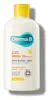
This chemical sunscreen covers most of the UV range, lighter on the deep UVA that drives aging.
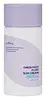
This chemical sunscreen covers the full UV range and blocks ~98% of UVB at SPF 50.

What's inside
What's inside
 Key Ingredients
Benefits
Concerns
Ingredients Side-by-side
Water
Skin ConditioningHomosalate
Skin Conditioning

Ethylhexyl Salicylate
UV Absorber
Butyl Methoxydibenzoylmethane
UV Absorber
Phenylbenzimidazole Sulfonic Acid
UV Absorber
C12-15 Alkyl Benzoate
AntimicrobialDipropylene Glycol
HumectantCetearyl Alcohol
Emollient






Glyceryl Stearate
Emollient
Octocrylene
UV Absorber
Cetearyl Olivate
Myristoyl/Palmitoyl Oxostearamide/Arachamide Mea
Skin ConditioningOpuntia Coccinellifera Fruit Extract
Skin ConditioningCucumis Sativus Fruit Extract
Emollient


Aloe Barbadensis Leaf Juice
Skin Conditioning
Nymphaea Alba Flower Extract
Skin ConditioningMadecassoside
Antioxidant




Anthemis Nobilis Flower Extract
Masking
Polysorbate 60
Emulsifying
Sorbitan Olivate
Emulsifying
Polyacrylate-13
Dimethicone
Emollient
Sodium Hydroxide
BufferingPEG-100 Stearate
Surfactant
Sorbitan Stearate
Emulsifying
Polyisobutene
Tocopheryl Acetate
Antioxidant

Polysorbate 20
Emulsifying
Sorbitan Isostearate
Emulsifying
Propylene Glycol
Humectant
Butylene Glycol
Humectant
Disodium EDTA
ChelatingCaprylyl Glycol
Emollient
Ethylhexylglycerin
Skin Conditioning1,2-Hexanediol
Skin Conditioning
Parfum
Masking
Water, Homosalate, Ethylhexyl Salicylate, Butyl Methoxydibenzoylmethane, Phenylbenzimidazole Sulfonic Acid, C12-15 Alkyl Benzoate, Dipropylene Glycol, Cetearyl Alcohol, Glyceryl Stearate, Octocrylene, Cetearyl Olivate, Myristoyl/Palmitoyl Oxostearamide/Arachamide Mea, Opuntia Coccinellifera Fruit Extract, Cucumis Sativus Fruit Extract, Aloe Barbadensis Leaf Juice, Nymphaea Alba Flower Extract, Madecassoside, Anthemis Nobilis Flower Extract, Polysorbate 60, Sorbitan Olivate, Polyacrylate-13, Dimethicone, Sodium Hydroxide, PEG-100 Stearate, Sorbitan Stearate, Polyisobutene, Tocopheryl Acetate, Polysorbate 20, Sorbitan Isostearate, Propylene Glycol, Butylene Glycol, Disodium EDTA, Caprylyl Glycol, Ethylhexylglycerin, 1,2-Hexanediol, Parfum
Water
Skin ConditioningDibutyl Adipate
EmollientEthylhexyl Triazone
UV Absorber
Terephthalylidene Dicamphor Sulfonic Acid
UV Absorber
Butylene Glycol
Humectant
Propanediol
Solvent
Silica
Abrasive


Methylpropanediol
SolventNiacinamide
Smoothing


Tromethamine
BufferingAllium Cepa Bulb Extract
Skin Conditioning
Sodium Hyaluronate
Humectant
Sphingomonas Ferment Extract
Skin Conditioning
Pyrus Malus Fruit Extract
Skin Conditioning
Caprylyl Methicone
Skin Conditioning
Diethylamino Hydroxybenzoyl Hexyl Benzoate
UV Filter
Diisopropyl Sebacate
EmollientLauryl Lactate
EmollientPolysilicone-15
UV Filter
Pentylene Glycol
Skin Conditioning
Polyglyceryl-3 Distearate
Emulsifying
1,2-Hexanediol
Skin Conditioning
Bis-Ethylhexyloxyphenol Methoxyphenyl Triazine
UV Absorber
C12-15 Alkyl Benzoate
AntimicrobialDimethyl Capramide
Emulsion StabilisingPhenethyl Benzoate
Emollient
Palmitic Acid
Emollient
Stearic Acid
Cleansing
C13-15 Alkane
SolventGlyceryl Stearate
Emollient
Hydroxyacetophenone
Antioxidant
Polyether-1
Dimethicone/Vinyl Dimethicone Crosspolymer
Skin Conditioning
Sodium Stearoyl Glutamate
CleansingGlyceryl Stearate Citrate
Emollient
Adenosine
Skin Conditioning
Microcrystalline Cellulose
AbsorbentBiosaccharide Gum-1
Humectant
Polyglyceryl-10 Myristate
Skin Conditioning
Sodium Phytate
ChelatingCellulose Gum
Emulsion StabilisingEthylhexylglycerin
Skin ConditioningArginine
Masking
Sodium Ascorbyl Phosphate
Antioxidant
Tocopherol
Antioxidant
Glyceryl Glucoside
Humectant
Hydrolyzed Extensin
Skin ConditioningGlycerin
Humectant
Carbomer
Emulsion StabilisingWater, Dibutyl Adipate, Ethylhexyl Triazone, Terephthalylidene Dicamphor Sulfonic Acid, Butylene Glycol, Propanediol, Silica, Methylpropanediol, Niacinamide, Tromethamine, Allium Cepa Bulb Extract, Sodium Hyaluronate, Sphingomonas Ferment Extract, Pyrus Malus Fruit Extract, Caprylyl Methicone, Diethylamino Hydroxybenzoyl Hexyl Benzoate, Diisopropyl Sebacate, Lauryl Lactate, Polysilicone-15, Pentylene Glycol, Polyglyceryl-3 Distearate, 1,2-Hexanediol, Bis-Ethylhexyloxyphenol Methoxyphenyl Triazine, C12-15 Alkyl Benzoate, Dimethyl Capramide, Phenethyl Benzoate, Palmitic Acid, Stearic Acid, C13-15 Alkane, Glyceryl Stearate, Hydroxyacetophenone, Polyether-1, Dimethicone/Vinyl Dimethicone Crosspolymer, Sodium Stearoyl Glutamate, Glyceryl Stearate Citrate, Adenosine, Microcrystalline Cellulose, Biosaccharide Gum-1, Polyglyceryl-10 Myristate, Sodium Phytate, Cellulose Gum, Ethylhexylglycerin, Arginine, Sodium Ascorbyl Phosphate, Tocopherol, Glyceryl Glucoside, Hydrolyzed Extensin, Glycerin, Carbomer
Reviews
Ingredients Explained
These ingredients are found in both products.
Ingredients higher up in an ingredient list are typically present in a larger amount.
1,2-Hexanediol is a synthetic liquid and another multi-functional powerhouse.
It is a:
- Humectant, drawing moisture into the skin
- Emollient, helping to soften skin
- Solvent, dispersing and stabilizing formulas
- Preservative booster, enhancing the antimicrobial activity of other preservatives
Butylene Glycol (or BG) is used within cosmetic products for a few different reasons:
Overall, Butylene Glycol is a safe and well-rounded ingredient that works well with other ingredients.
Though this ingredient works well with most skin types, some people with sensitive skin may experience a reaction such as allergic rashes, closed comedones, or itchiness.
Learn more about Butylene GlycolC12-15 Alkyl Benzoate is a lightweight emollient made by combinig benzoic acid with fatty alcohols that are 12-15 carbons long.
In cosmetics, it plays several roles:
The Cosmetic Review Expert Panel has concluded the alkyl benzoate group to be safe as used in cosmetics; it wasn't found to be a skin irritant and unlikely to be absorbed due to its low water solubility.
This report recorded almost 1000 reported uses with concentrations up to 59% in leave-on products but your cosmetics will typically use 0.5-15% depending on the product.
It's often called a "SPF booster": this is because it keeps UV filters properly dissolved and evenly distributed to support a sunscreen's performance. It doesn't actually raise SPF on its own.
Overall, this ingredient is well tolerated.
This ingredient is fungal acne safe because it is an ester of benzoic acid.
Think of this ingredient as two parts stuck together: an oily part and an acid part. Malassezia only gets a meal when it can snip off a fatty acid to eat. With C12-15 Alkyl Benzoate, the acid part is benzoic acid, which isn't a fatty acid and which the yeast can't use as food.
Benzoic acid is actually used as a preservative to stop yeast from growing.
The oily part is a blend of C12-15 fatty alcohols but fatty alcohols in this size range can support only a little Malassezia growth (mostly for one species of Malassezia as well).
In the ingredient, those alcohols stay locked inside the molecule. The yeast can only reach them by snipping the benzoate bond, and that type of bond is harder for it to cut than a normal fatty bond.
So not much gets released. And whatever does get snipped comes packaged with benzoic acid, which discourages yeast growth.
Learn more about C12-15 Alkyl BenzoateEthylhexylglycerin is created from glycerin. It is a multitasker ingredient that:
The CIR Expert Panel found minimal skin absorption or sensitization of any kind in a safety assessment. Though this ingredient is considered well-tolerated, a small number of cases of allergic dermatitis have been published since 2002. Just be sure to patch test if you are unsure.
Industry-reported use ranges from 8% in rinse-off products and 2% in leave-on formulations.
Learn more about EthylhexylglycerinGlyceryl Stearate is made by reacting glycerin with stearic acid (typically sourced from plant oils like palm or coconut). It's an emulsifier, emollient, and mild occlusive.
Emulsifiers help ingredients like oil and water stay mixed so your formula stays nicely blended and uniform in texture.
This ingredient is typically used in concentrations between 1-10%. Studies have found it to be non-sensitizing, non-phototoxic, and non-photoallergenic.
A close cousin of this ingredient is Glyceryl Stearate SE ("self-emulsifying"). This just has a small amount of sodium or potassium stearate added so it can emulsify without a co-emulsifier.
Since this ingredient is an ester of a C18 fatty acid, it may not be fungal acne safe. The Malassezia yeast can potentially metabolize within the C11-C24 range.
Fun fact: The human body also creates Glyceryl Stearate naturally.
Learn more about Glyceryl StearateWater. It's the most common cosmetic ingredient of all. You'll usually see it at the top of ingredient lists, meaning that it makes up the largest part of the product.
So why is it so popular? Water most often acts as a solvent - this means that it helps dissolve other ingredients into the formulation.
You'll also recognize water as that liquid we all need to stay alive. If you see this, drink a glass of water. Remember to stay hydrated!
Learn more about Water

