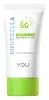
This chemical sunscreen covers the full UV range and blocks ~98% of UVB at SPF 50.
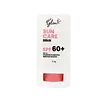
This hybrid sunscreen covers the full UV range and blocks ~98% of UVB at SPF 60.


What's inside
What's inside
 Key Ingredients
Benefits
Concerns
Ingredients Side-by-side
Water
Skin ConditioningPropylene Glycol
Humectant


Ethylhexyl Methoxycinnamate
UV Absorber


Propanediol
Solvent
Diethylamino Hydroxybenzoyl Hexyl Benzoate
UV Filter
Dimethicone/Vinyl Dimethicone Crosspolymer
Skin Conditioning
Butylene Glycol
Humectant
Silica
Abrasive


Phenoxyethanol
Preservative
Acrylates/C10-30 Alkyl Acrylate Crosspolymer
Emulsion StabilisingHydroxyacetophenone
Antioxidant
Aminomethyl Propanol
BufferingSorbitan Stearate
Emulsifying
Magnesium Aluminum Silicate
Absorbent
Dihydroxypropyl Arginine Hcl
HumectantHydrogenated Lecithin
Emulsifying
PEG-9 Dimethicone
Skin Conditioning
Cetearyl Methicone
Skin Conditioning
Tridecane
Perfuming

Undecane
EmollientCaprylyl Methicone
Skin Conditioning
Steareth-21
CleansingCaprylyl Glycol
Emollient
Parfum
Masking
Disodium EDTA
ChelatingEthylhexylglycerin
Skin ConditioningSodium Surfactin
CleansingPhytosterols
Skin Conditioning
Sucrose Cocoate
Emulsifying

Sodium Benzoate
Masking
Zinc PCA
Humectant


Butyl Methoxydibenzoylmethane
UV Absorber
Ectoin
Skin Conditioning


Glycerin
Humectant
Glucosylrutin
Antioxidant
Polyester-7
Skin ConditioningPEG-60 Hydrogenated Castor Oil
Emulsifying
Neopentyl Glycol Diheptanoate
EmollientZea Mays Starch
Absorbent
Portulaca Oleracea Extract
Skin Conditioning
Cocamidopropyl Dimethylamine
Emulsifying
Hydrolyzed Corn Starch
HumectantHydrolyzed Corn Starch Octenylsuccinate
AbsorbentIsoquercitrin
Antioxidant
Scutellaria Baicalensis Root Extract
Astringent
O-Cymen-5-Ol
Antimicrobial
Salicylic Acid
Masking


Butyrospermum Parkii Butter
Skin Conditioning

Hamamelis Virginiana Extract
Antiseborrhoeic
Buddleja Officinalis Flower Extract
UV FilterPhenylethyl Resorcinol
Antioxidant
Ceramide NP
Skin Conditioning
1,2-Hexanediol
Skin Conditioning
Lactic Acid
Buffering
10-Hydroxydecanoic Acid
Skin ConditioningXanthan Gum
EmulsifyingHydrated Silica
Abrasive
Palmitoyl Tripeptide-5
Skin Conditioning
Madecassoside
Antioxidant
Asiaticoside
Antioxidant
Ceramide As
Skin Conditioning
Ceramide Ns
Skin Conditioning
Glucose
Humectant
Asiatic Acid
Skin Conditioning
Madecassic Acid
Skin Conditioning
Sodium Hyaluronate
Humectant
Chondrus Crispus Extract
Skin Conditioning
Hydroxypropyltrimonium Hyaluronate
Hydrolyzed Hyaluronic Acid
Humectant
Sodium Acetylated Hyaluronate
Humectant
Hyaluronic Acid
Humectant
Hydrolyzed Sodium Hyaluronate
Skin Conditioning
Sodium Hyaluronate Crosspolymer
Humectant
Potassium Hyaluronate
Skin ConditioningCeramide AP
Skin Conditioning
Ceramide EOP
Skin Conditioning
Water, Propylene Glycol, Ethylhexyl Methoxycinnamate, Propanediol, Diethylamino Hydroxybenzoyl Hexyl Benzoate, Dimethicone/Vinyl Dimethicone Crosspolymer, Butylene Glycol, Silica, Phenoxyethanol, Acrylates/C10-30 Alkyl Acrylate Crosspolymer, Hydroxyacetophenone, Aminomethyl Propanol, Sorbitan Stearate, Magnesium Aluminum Silicate, Dihydroxypropyl Arginine Hcl, Hydrogenated Lecithin, PEG-9 Dimethicone, Cetearyl Methicone, Tridecane, Undecane, Caprylyl Methicone, Steareth-21, Caprylyl Glycol, Parfum, Disodium EDTA, Ethylhexylglycerin, Sodium Surfactin, Phytosterols, Sucrose Cocoate, Sodium Benzoate, Zinc PCA, Butyl Methoxydibenzoylmethane, Ectoin, Glycerin, Glucosylrutin, Polyester-7, PEG-60 Hydrogenated Castor Oil, Neopentyl Glycol Diheptanoate, Zea Mays Starch, Portulaca Oleracea Extract, Cocamidopropyl Dimethylamine, Hydrolyzed Corn Starch, Hydrolyzed Corn Starch Octenylsuccinate, Isoquercitrin, Scutellaria Baicalensis Root Extract, O-Cymen-5-Ol, Salicylic Acid, Butyrospermum Parkii Butter, Hamamelis Virginiana Extract, Buddleja Officinalis Flower Extract, Phenylethyl Resorcinol, Ceramide NP, 1,2-Hexanediol, Lactic Acid, 10-Hydroxydecanoic Acid, Xanthan Gum, Hydrated Silica, Palmitoyl Tripeptide-5, Madecassoside, Asiaticoside, Ceramide As, Ceramide Ns, Glucose, Asiatic Acid, Madecassic Acid, Sodium Hyaluronate, Chondrus Crispus Extract, Hydroxypropyltrimonium Hyaluronate, Hydrolyzed Hyaluronic Acid, Sodium Acetylated Hyaluronate, Hyaluronic Acid, Hydrolyzed Sodium Hyaluronate, Sodium Hyaluronate Crosspolymer, Potassium Hyaluronate, Ceramide AP, Ceramide EOP
C12-15 Alkyl Benzoate
AntimicrobialSynthetic Wax
Abrasive
2-Tert-Butylcyclohexyl Ethyl Carbonate
Perfuming
Ethylhexyl Methoxycinnamate
UV Absorber
Triethylhexanoin
MaskingDimethicone/Vinyl Dimethicone Crosspolymer
Skin Conditioning
Ethylhexyl Salicylate
UV Absorber
Isononyl Isononanoate
EmollientZinc Oxide
Cosmetic Colorant
Dimethicone
Emollient
Diethylamino Hydroxybenzoyl Hexyl Benzoate
UV Filter
Silica
Abrasive
Parfum
Masking
Pentaerythrityl Tetra-Di-T-Butyl Hydroxyhydrocinnamate
Antioxidant
Tocopheryl Acetate
Antioxidant
Helianthus Annuus Seed Oil
Emollient
Ricinus Communis Seed Oil
Masking
Sodium Hyaluronate
Humectant
Hydrogenated Castor Oil
Emollient
Centella Asiatica Extract
Cleansing
Ascorbyl Palmitate
Antioxidant
CI 77891
Cosmetic ColorantTriethoxycaprylylsilane
CI 77007
Cosmetic ColorantC12-15 Alkyl Benzoate, Synthetic Wax, 2-Tert-Butylcyclohexyl Ethyl Carbonate, Ethylhexyl Methoxycinnamate, Triethylhexanoin, Dimethicone/Vinyl Dimethicone Crosspolymer, Ethylhexyl Salicylate, Isononyl Isononanoate, Zinc Oxide, Dimethicone, Diethylamino Hydroxybenzoyl Hexyl Benzoate, Silica, Parfum, Pentaerythrityl Tetra-Di-T-Butyl Hydroxyhydrocinnamate, Tocopheryl Acetate, Helianthus Annuus Seed Oil, Ricinus Communis Seed Oil, Sodium Hyaluronate, Hydrogenated Castor Oil, Centella Asiatica Extract, Ascorbyl Palmitate, CI 77891, Triethoxycaprylylsilane, CI 77007
Reviews
Ingredients Explained
These ingredients are found in both products.
Ingredients higher up in an ingredient list are typically present in a larger amount.
Diethylamino Hydroxybenzoyl Hexyl Benzoate (DHHB) is a chemical UV-A absorber. It is formulated for high UVA protection (320-400 nm).
DHHB is well-liked for:
DHHB has been approved by the EU, Japan, Taiwan, and South America for use up to 10%. Unfortunately, it has not been approved for use in the US or Canada due to slow regulatory processes.
This ingredient is soluble in oils, fats, and lipids.
Learn more about Diethylamino Hydroxybenzoyl Hexyl BenzoateThis ingredient is a silicone elastomer that works as a texture enhancer, adds a silky slip, and also helps absorb excess oil.
Because it's a large macromolecule that's insoluble in water and chemically inert, it's not expected to penetrate or be absorbed into skin.
Human patch tests with a facial lotion containing 1% of this ingredient found no sensitization.
Learn more about Dimethicone/Vinyl Dimethicone CrosspolymerThis ingredient is also known as Octinoxate and is one of the oldest and most widely used chemical UV filters in skincare.
It has a simple job: soap up UVB radiation (290-320 nm), the wavelengths responsible for sunburn and a big chunk of long-term sun damage.
In formulas, it's always paired with a separate UVA filter because octinoxate solely protects skin from UVB.
Because it's an oil-soluble liquid, it's easy to blend into the oil phase of lotions/creams and gives a cosmetically elegant feel.
The one quirk about formulating this ingredient is photostability; the molecule slowly changes shape into a less effective version when sunlight hits it. So the longer you're in the sun, the weaker its protection gets. The drop can be more than 30% in some formulas.
It also doesn't play nice with Avobenzone (the common UVA filter) since avobenzone destabilizes octinoxate and the two degrade each other. But don't worry: brands have solved this issue by adding photostabilizers like Tinosorb S to prevent degradation and keep SPF stable under heavy UV exposure.
The maximum allowed level is 10% in the EU and Australia, 7.5% in the US and Canada, and 20% in Japan.
The Cosmetic Ingredient Review Panel has concluded this ingredient to be safe in cosmetics up to 10%.
One last thing worth knowing for context:
Octinoxate has been the subject of ongoing review in Europe where the Scientific Committee on Consumer Safety's (SCCS) 2025 final opinion is that this ingredient is an endocrine-active substance.
Lab and animal studies suggest it can act a bit like a hormone in the body (mildly mimicking estrogen and slightly blocking male hormones). It's important to know this hasn't really been shown to happen in everyday human use.
This ingredient is also banned in Hawaii over coral reef concerns.
Learn more about Ethylhexyl MethoxycinnamateParfum is a catch-all term for an ingredient or more that is used to give a scent to products.
Also called "fragrance", this ingredient can be a blend of hundreds of chemicals or plant oils. This means every product with "fragrance" or "parfum" in the ingredients list is a different mixture.
For instance, Habanolide is a proprietary trade name for a specific aroma chemical. When used as a fragrance ingredient in cosmetics, most aroma chemicals fall under the broad labeling category of “FRAGRANCE” or “PARFUM” according to EU and US regulations.
The term 'parfum' or 'fragrance' is not regulated in many countries. In many cases, it is up to the brand to define this term.
For instance, many brands choose to label themselves as "fragrance-free" because they are not using synthetic fragrances. However, their products may still contain ingredients such as essential oils that are considered a fragrance by INCI standards.
One example is Calendula flower extract. Calendula is an essential oil that still imparts a scent or 'fragrance'.
Depending on the blend, the ingredients in the mixture can cause allergies and sensitivities on the skin. Some ingredients that are known EU allergens include linalool and citronellol.
Parfum can also be used to mask or cover an unpleasant scent.
The bottom line is: not all fragrances/parfum/ingredients are created equally. If you are worried about fragrances, we recommend taking a closer look at an ingredient. And of course, we always recommend speaking with a professional.
Learn more about ParfumSilica, also known as silicon dioxide, is a naturally occurring mineral. It is used as a fine, spherical, and porous powder in cosmetics.
Though it has exfoliant properties, the function of silica varies depending on the product.
The unique structure of silica enhances the spreadability and adds smoothness, making it a great texture enhancer.
It is also used as an active carrier, emulsifier, and mattifier due to its ability to absorb excess oil.
In some products, tiny microneedles called spicules are made from silica or hydrolyzed sponge. When you rub them in, they lightly polish away dead skin layers and enhance the penetration of active ingredients.
Learn more about SilicaSodium Hyaluronate is the salt form of hyaluronic acid. It is a long sugar chain that is naturally found in your skin, joints, and connective tissue that maintains hydration and elasticity.
In skincare, it works as a humectant. It pulls water from the environment and deeper layers of skin and binds it to the surface.
Interestingly, the size of the molecule affects its behavior:
Some clinical evidence links low molecular weight versions to improved wrinkle depth, elasticity, anti-inflammatory effects, and barrier repair.
Many serums use a blend of both weights so you can get surface hydration plus longer-lasting and deeper effects.
You'll typically see concentrations between 0.1-2% for this ingredient.
Learn more about Sodium Hyaluronate

