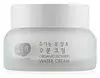
This calming moisturizer is formulated around Oryza Sativa Extract and Aloe Barbadensis Leaf Extract to calm redness and hydrate skin.
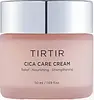
This calming moisturizer is formulated around Centella Asiatica Extract and Panthenol to calm redness and strengthen the skin barrier.

What's inside
What's inside
 Key Ingredients
Benefits
Concerns
Ingredients Side-by-side
Oryza Sativa Extract 78.91%
Absorbent



Aloe Barbadensis Leaf Extract 10%
Emollient
Daucus Carota Sativa Seed Oil 1%
Emollient





Olea Europaea Fruit Oil 1%
Masking
Cetearyl Olivate
Sorbitan Olivate
Emulsifying
Copernicia Cerifera Wax 1%
Natto Gum
Prunus Armeniaca Kernel Oil 0.5%
Masking
Vitis Vinifera Seed Oil 0.5%
Emollient
Camellia Japonica Seed Oil 0.05%
Emollient
Persea Gratissima Oil 0.5%
Skin Conditioning
Butyrospermum Parkii Butter 0.5%
Skin Conditioning
Rice Ferment Filtrate 0.1%
Skin Conditioning
Lactobacillus/Aloe Barbadensis Ferment Filtrate 0.1%
Skin ConditioningLactobacillus 0.2%
Skin ConditioningScutellaria Baicalensis Root Extract
Astringent
Paeonia Suffruticosa Root Extract
Skin ProtectingGlycyrrhiza Glabra Root Extract
Bleaching

Cyamopsis Tetragonoloba Gum
Emulsion StabilisingAlkanna Tinctoria Root Extract
Skin ConditioningAlcohol 0.5%
Antimicrobial


Lavandula Angustifolia Oil
Masking

Citrus Aurantifolia Oil
Cleansing
Citrus Limon Fruit Oil
Astringent
Aniba Rosaeodora Wood Oil
Astringent
Silica
Abrasive


Geranium Maculatum Oil
Masking
Citrus Aurantium Bergamia Fruit Oil
Masking
Geraniol
Perfuming
Linalool
Perfuming
Citronellol
Perfuming
Limonene
Perfuming
Oryza Sativa Extract 78.91%, Aloe Barbadensis Leaf Extract 10%, Daucus Carota Sativa Seed Oil 1%, Olea Europaea Fruit Oil 1%, Cetearyl Olivate, Sorbitan Olivate, Copernicia Cerifera Wax 1%, Natto Gum, Prunus Armeniaca Kernel Oil 0.5%, Vitis Vinifera Seed Oil 0.5%, Camellia Japonica Seed Oil 0.05%, Persea Gratissima Oil 0.5%, Butyrospermum Parkii Butter 0.5%, Rice Ferment Filtrate 0.1%, Lactobacillus/Aloe Barbadensis Ferment Filtrate 0.1%, Lactobacillus 0.2%, Scutellaria Baicalensis Root Extract, Paeonia Suffruticosa Root Extract, Glycyrrhiza Glabra Root Extract, Cyamopsis Tetragonoloba Gum, Alkanna Tinctoria Root Extract, Alcohol 0.5%, Lavandula Angustifolia Oil, Citrus Aurantifolia Oil, Citrus Limon Fruit Oil, Aniba Rosaeodora Wood Oil, Silica, Geranium Maculatum Oil, Citrus Aurantium Bergamia Fruit Oil, Geraniol, Linalool, Citronellol, Limonene
Water
Skin ConditioningButylene Glycol
Humectant
Cetyl Ethylhexanoate
EmollientGlycerin
Humectant
Olea Europaea Fruit Oil
Masking
Beeswax
Emulsion Stabilising
Cetearyl Alcohol
Emollient

Methylpropanediol
SolventMacadamia Integrifolia Seed Oil
Skin Conditioning
Glyceryl Stearate Se
Emulsifying
1,2-Hexanediol
Skin Conditioning
Cetearyl Olivate
Butyrospermum Parkii Butter
Skin Conditioning
Sorbitan Olivate
Emulsifying
Dimethicone
Emollient
Centella Asiatica Extract
Cleansing
Xanthan Gum
EmulsifyingBetaine
Humectant
Ethylhexylglycerin
Skin ConditioningCoptis Japonica Extract
AntimicrobialDisodium EDTA
ChelatingSodium Hyaluronate
Humectant
Panthenol
Skin Conditioning
Dipropylene Glycol
HumectantCeramide NP
Skin Conditioning
Triethylhexanoin
MaskingSqualane
Emollient
Phospholipids
Skin Conditioning
Hydrogenated Polydecene
EmollientHydrogenated Lecithin
Emulsifying
Polyglyceryl-10 Oleate
Skin Conditioning
Pentylene Glycol
Skin Conditioning
Cholesterol
Emollient
Phytosphingosine
Skin Conditioning
Asiaticoside
Antioxidant
Madecassic Acid
Skin Conditioning
Asiatic Acid
Skin Conditioning
Citric Acid
Buffering
Madecassoside
Antioxidant
Leontopodium Alpinum Callus Culture Extract
Antioxidant
Centella Asiatica Leaf Extract
Skin Conditioning
Centella Asiatica Flower/Leaf/Stem Extract
Skin Conditioning
Caprylyl Glycol
Emollient
Beta-Glucan
Skin Conditioning
Acetyl Hexapeptide-8
Humectant
Copper Tripeptide-1
Skin Conditioning
Tripeptide-1
Skin Conditioning
Palmitoyl Pentapeptide-4
Skin Conditioning
Oligopeptide-1
Skin Conditioning
Dipeptide-2
Skin Conditioning
Water, Butylene Glycol, Cetyl Ethylhexanoate, Glycerin, Olea Europaea Fruit Oil, Beeswax, Cetearyl Alcohol, Methylpropanediol, Macadamia Integrifolia Seed Oil, Glyceryl Stearate Se, 1,2-Hexanediol, Cetearyl Olivate, Butyrospermum Parkii Butter, Sorbitan Olivate, Dimethicone, Centella Asiatica Extract, Xanthan Gum, Betaine, Ethylhexylglycerin, Coptis Japonica Extract, Disodium EDTA, Sodium Hyaluronate, Panthenol, Dipropylene Glycol, Ceramide NP, Triethylhexanoin, Squalane, Phospholipids, Hydrogenated Polydecene, Hydrogenated Lecithin, Polyglyceryl-10 Oleate, Pentylene Glycol, Cholesterol, Phytosphingosine, Asiaticoside, Madecassic Acid, Asiatic Acid, Citric Acid, Madecassoside, Leontopodium Alpinum Callus Culture Extract, Centella Asiatica Leaf Extract, Centella Asiatica Flower/Leaf/Stem Extract, Caprylyl Glycol, Beta-Glucan, Acetyl Hexapeptide-8, Copper Tripeptide-1, Tripeptide-1, Palmitoyl Pentapeptide-4, Oligopeptide-1, Dipeptide-2
Reviews
Alternatives
Ingredients Explained
These ingredients are found in both products.
Ingredients higher up in an ingredient list are typically present in a larger amount.
This ingredient is also known as shea butter. It is a plant-derived extract from the nuts of the Africa shea tree and one of the most well-studied emollients.
Because it has a high concentration of fatty acids (primarily oleic, stearic, and linoleic) it is able to form a protective barrier on the skin's surface. This helps seal in moisture and prevents transepidermal water loss (TEWL).
In vitro research found an increase in skin hydration by 58% and a decrease in TEWL by 37.8% after 24 hours of applying this ingredient (pretty impressive for a single ingredient!).
Besides hydration, shea butter also contains triterpenes that have anti-inflammatory potential. In particule, lupeol cinnamate has shown the highest anti-inflammatory activity in vivo.
Shea butter also contains vitamins A and E which may contribute to antioxidant activity.
While Shea Butter has an SPF rating of about 3-4, it is not a sunscreen replacement.
This ingredient may not be fungal acne safe because its fatty acids fall within the C11-C24 range that the Malassezia yeast can metabolize.
This ingredient shows up on a lot of "pore-clogging" lists but there's no real evidence behind that. It doesn't even have a comedogenic rating from an actual study; the numbers you'll find online come from blogs citing other blogs.
Ratings for other ingredients mostly come from a 1980s rabbit ear test. This test doesn't translate well to human skin or to real products because the ingredient sits at a much lower percentage.
Some people still find it breaks them out. So if that's you, definitely trust your skin. Just know this one's based on experience and not evidence.
Learn more about Butyrospermum Parkii ButterCetearyl Olivate is a plant-derived emulsifier and texture enhancer. It helps keep the oil and water phases from separating so your formulas stay stable.
You'll likely see it combined with Sorbitan Olivate (together sold as the trade name Olivem 1000). This combination generates a liquid crystal structure that closely resemble the lipid organization of the stratum corneum.
These "skin-like" liquid crystals improve skin barrier integrity and promote the delivery of actives into the skin.
This ingredient is well-tolerated and has no significant sensitization data.
Because it is derived from the fatty acids in olive oil, this ingredient may not be fungal acne safe.
Learn more about Cetearyl OlivateThis ingredient is also known as olive oil. It has been used in skincare for centuries and science largely backs up its reputation as a nourishing emollient.
The main components of olive oil are oleic acid (55-83%), linoleic acid (3.5-20%), and palmitic acid (7-20%). Oleic acid promotes skin regeneration and helps regulate inflammatory responses.
Squalene is also naturally present in olive oil and exhibits moisturizing and antioxidant properties.
The polyphenols in olive oil also show anti-aging promise; one clinical study found a measurable improvement in skin appearance after 30 days of topical serum use.
Just be aware that applying olive oil directly to skin can weaken the barrier and cause redness. One study with volunteers found even people without sensitive skin experienced a significant reduction in stratum corneum integrity and induced mild erythema.
It's best to use this ingredient as part of a carefully crafted formula (instead of putting it on skin directly from the bottle).
Because it has a 0-2 on the comedogenic scale, it is low risk for acne-prone skin. Just remember the overall formulation of a product matters more than a few ingredients with comedogenic ratings.
This ingredient may not be fungal acne safe because of the oleic and palmitic acid content. These fall within the C11-24 fatty acid range that the Malassezia yeast can metabolize to grow.
Overall, olive oil is a well-studied and nourishing skincare ingredient.
Learn more about Olea Europaea Fruit OilSorbitan Olivate is created from the fatty acids in olive oil and sorbitol.
This ingredient is an oil in water emulsifier. It helps stabilize a product by preventing oils and waters from separating. Sorbitan Olivate also helps hydrate the skin.
This ingredient is also known as part of Olivem 1000, with Cetearyl Olivate being the other part.
According to a manufacturer, this ingredient helps preserve the natural microbiome of skin. Having a healthy microbiome helps keep our skin healthy and protects against harmful bacteria.
Please note, having a healthy microbiome is different from fungal acne; a healthy microbiome includes small amounts of yeast that normally live on your skin without causing problems.
Fungal acne happens when one type of yeast (Malassezia) grows out of control. This is usually because it's feeding on certain oils or fatty acids. Due to the olive oil base, this ingredient may not be fungal acne safe.
Learn more about Sorbitan Olivate

