VT Cosmetics Reti-A Reedle Shot 100 2 Step Hydrogel Mask Versus VT Cosmetics Daiso X VT Essential Mask
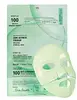
This smoothing sheet mask is formulated around Niacinamide and Hydroxypinacolone Retinoate to refine skin texture and soften the look of wrinkles.
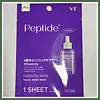
This barrier-repair sheet mask is formulated around Ceramide NP and Palmitoyl Tripeptide-1 to strengthen the skin barrier and soften the look of wrinkles.

What's inside
What's inside
 Key Ingredients
Benefits
Concerns
Ingredients Side-by-side
Water
Skin ConditioningDipropylene Glycol
HumectantGlycerin
Humectant


Niacinamide
Smoothing









Butylene Glycol
Humectant
Macadamia Ternifolia Seed Oil
Emollient


Dimethyl Isosorbide
Solvent1,2-Hexanediol
Skin Conditioning
Ethylhexyl Palmitate
Emollient


Sodium Polyacrylate
Absorbent
Sodium Acrylate/Sodium Acryloyldimethyl Taurate Copolymer
Emulsion StabilisingGlyceryl Stearate
Emollient
Polyglyceryl-6 Stearate
Emollient
Polyisobutene
Silica
Abrasive
Hydroxypinacolone Retinoate
Skin Conditioning
Allantoin
Skin Conditioning
Glycereth-26
Humectant
Ethylhexylglycerin
Skin ConditioningCaprylyl Glycol
Emollient
Xanthan Gum
EmulsifyingDipotassium Glycyrrhizate
Humectant
Adenosine
Skin Conditioning
Caprylyl/Capryl Glucoside
CleansingSorbitan Oleate
Emulsifying
Polyglyceryl-6 Behenate
Emulsion Stabilising
Sodium Hyaluronate
Humectant
Lecithin
Emollient
Polysorbate 20
Emulsifying
Centella Asiatica Extract
Cleansing
Retinol
Skin Conditioning
Bakuchiol
Antimicrobial

Helianthus Annuus Seed Oil
Emollient
Beta-Carotene
Skin ConditioningPropolis Extract
Skin Conditioning
Diospyros Kaki Leaf Extract
Skin Protecting
Vitis Vinifera Fruit Extract
Skin ConditioningCoffea Arabica Seed Extract
Masking
Carthamus Tinctorius Flower Extract
Skin ConditioningPolygonum Cuspidatum Root Extract
Antioxidant
Asiaticoside
Antioxidant
Castanea Crenata Shell Extract
Skin ConditioningCamellia Sinensis Leaf Extract
Antimicrobial
Zanthoxylum Piperitum Fruit Extract
Skin ConditioningMadecassoside
Antioxidant
Madecassic Acid
Skin Conditioning
Asiatic Acid
Skin Conditioning
Methylpropanediol
SolventCetyl Ethylhexanoate
EmollientCeratonia Siliqua Gum
EmollientChondrus Crispus Powder
Abrasive
Chondrus Crispus Extract
Skin Conditioning
Betaine
Humectant
PEG-100 Stearate
Surfactant
Panthenol
Skin Conditioning
Paeonia Suffruticosa Root Extract
Skin ProtectingCellulose Gum
Emulsion StabilisingButyrospermum Parkii Butter
Skin Conditioning
Potassium Chloride
Polysorbate 60
Emulsifying
Chamomilla Recutita Flower Extract
Masking
Glyceryl Caprylate
EmollientHydrogenated Polydecene
EmollientSucrose
Humectant
Disodium EDTA
ChelatingDextrin
AbsorbentGardenia Florida Fruit Extract
Skin ConditioningTrideceth-6
EmulsifyingPantolactone
Humectant
Caprylic/Capric Triglyceride
Masking
Glycine Soja Oil
Emollient
Hydrolyzed Elastin
EmollientWater, Dipropylene Glycol, Glycerin, Niacinamide, Butylene Glycol, Macadamia Ternifolia Seed Oil, Dimethyl Isosorbide, 1,2-Hexanediol, Ethylhexyl Palmitate, Sodium Polyacrylate, Sodium Acrylate/Sodium Acryloyldimethyl Taurate Copolymer, Glyceryl Stearate, Polyglyceryl-6 Stearate, Polyisobutene, Silica, Hydroxypinacolone Retinoate, Allantoin, Glycereth-26, Ethylhexylglycerin, Caprylyl Glycol, Xanthan Gum, Dipotassium Glycyrrhizate, Adenosine, Caprylyl/Capryl Glucoside, Sorbitan Oleate, Polyglyceryl-6 Behenate, Sodium Hyaluronate, Lecithin, Polysorbate 20, Centella Asiatica Extract, Retinol, Bakuchiol, Helianthus Annuus Seed Oil, Beta-Carotene, Propolis Extract, Diospyros Kaki Leaf Extract, Vitis Vinifera Fruit Extract, Coffea Arabica Seed Extract, Carthamus Tinctorius Flower Extract, Polygonum Cuspidatum Root Extract, Asiaticoside, Castanea Crenata Shell Extract, Camellia Sinensis Leaf Extract, Zanthoxylum Piperitum Fruit Extract, Madecassoside, Madecassic Acid, Asiatic Acid, Methylpropanediol, Cetyl Ethylhexanoate, Ceratonia Siliqua Gum, Chondrus Crispus Powder, Chondrus Crispus Extract, Betaine, PEG-100 Stearate, Panthenol, Paeonia Suffruticosa Root Extract, Cellulose Gum, Butyrospermum Parkii Butter, Potassium Chloride, Polysorbate 60, Chamomilla Recutita Flower Extract, Glyceryl Caprylate, Hydrogenated Polydecene, Sucrose, Disodium EDTA, Dextrin, Gardenia Florida Fruit Extract, Trideceth-6, Pantolactone, Caprylic/Capric Triglyceride, Glycine Soja Oil, Hydrolyzed Elastin
Water
Skin ConditioningGlycerin
Humectant
1,2-Hexanediol
Skin Conditioning
Hydroxyacetophenone
Antioxidant
Trehalose
Humectant
Betaine
Humectant
Sodium Carbomer
Emulsion StabilisingHydroxyethylcellulose
Emulsion StabilisingDisodium EDTA
ChelatingSodium Polyacrylate
Absorbent
Butylene Glycol
Humectant
Sodium Hyaluronate
Humectant
Hydrogenated Lecithin
Emulsifying
Squalane
Emollient
Ceramide NP
Skin Conditioning
Polyglyceryl-10 Laurate
Skin Conditioning
Glycosphingolipids
EmollientPalmitoyl Tripeptide-1
Skin Conditioning
Palmitoyl Pentapeptide-4
Skin Conditioning
Hexapeptide-9
Skin Conditioning
Acetyl Hexapeptide-8
Humectant
Tripeptide-1
Skin Conditioning
Copper Tripeptide-1
Skin Conditioning
Water, Glycerin, 1,2-Hexanediol, Hydroxyacetophenone, Trehalose, Betaine, Sodium Carbomer, Hydroxyethylcellulose, Disodium EDTA, Sodium Polyacrylate, Butylene Glycol, Sodium Hyaluronate, Hydrogenated Lecithin, Squalane, Ceramide NP, Polyglyceryl-10 Laurate, Glycosphingolipids, Palmitoyl Tripeptide-1, Palmitoyl Pentapeptide-4, Hexapeptide-9, Acetyl Hexapeptide-8, Tripeptide-1, Copper Tripeptide-1
Ingredients Explained
These ingredients are found in both products.
Ingredients higher up in an ingredient list are typically present in a larger amount.
1,2-Hexanediol is a synthetic liquid and another multi-functional powerhouse.
It is a:
- Humectant, drawing moisture into the skin
- Emollient, helping to soften skin
- Solvent, dispersing and stabilizing formulas
- Preservative booster, enhancing the antimicrobial activity of other preservatives
Betaine is a humectant. Like hyaluronic acid, it helps attract and retain moisture in the skin. It’s known for being gentle and for helping the skin maintain balanced hydration.
Betaine is mainly used to improve hydration and support calmer skin. It helps skin cells regulate water balance because it functions as an osmolyte.
Some studies suggest betaine may support making skin tone more even.
Fun fact: Betaine naturally exists in the skin and the body. In cosmetic products, it can be either plant-derived (most commonly from sugar beets) or synthetically produced for consistency and stability.
Betaine is also known as trimethylglycine.
Learn more about BetaineButylene Glycol (or BG) is used within cosmetic products for a few different reasons:
Overall, Butylene Glycol is a safe and well-rounded ingredient that works well with other ingredients.
Though this ingredient works well with most skin types, some people with sensitive skin may experience a reaction such as allergic rashes, closed comedones, or itchiness.
Learn more about Butylene GlycolDisodium EDTA is a chelating agent. It grabs onto and deactivates metal ions that sneak into your products from water, packaging, or air.
This ingredient mainly works behind the scenes and helps with:
On top of that, this ingredient can counteract the effects of hard water by binding to the minerals in it.
One thing worth knowing is that Disodium EDTA has been shown to be a mild penetration enhancer. It can help other ingredients absorb into skin more effectively which can be a double-edged sword (great for actives, but can also make the active too strong if you have sensitive skin).
Clinical patch testing showed no significant skin irritation at typical use concentrations and minimal dermal absorption.
You'll most likely see this ingredient near the end of an ingredient list. It's typically found in concentrations less than 1%.
Learn more about Disodium EDTAGlycerin (or glycerol) is a compound naturally found in your skin. It's a powerhouse humectant that pulls water into the stratum corneum.
Topically, glycerin does several things at once:
Your skin makes glycerin on its own (mostly from sebaceous oil breakdown) and shuttles it to your outermost layer of skin, or your epidermis, via aquaporin-3.
Aquaporin-3 is a transporter that is essential for normal skin hydration, elasticity, and repair. Interestingly, mice lacking in AQP3 have dry and less elastic skin that can be fully corrected with glycerin.
This ingredient is non-irritating, plays well with almost every ingredient, and works across all skin types. Typical use is anywhere between 3-10% but can go up to 79% in some leave-on products.
Just know very high concentrations (>40%) can feel tacky in low humidity.
Glycerin is the name for this ingredient in American English. British English uses Glycerol/Glycerine.
Learn more about GlycerinSodium Hyaluronate is the salt form of hyaluronic acid. It is a long sugar chain that is naturally found in your skin, joints, and connective tissue that maintains hydration and elasticity.
In skincare, it works as a humectant. It pulls water from the environment and deeper layers of skin and binds it to the surface.
Interestingly, the size of the molecule affects its behavior:
Some clinical evidence links low molecular weight versions to improved wrinkle depth, elasticity, anti-inflammatory effects, and barrier repair.
Many serums use a blend of both weights so you can get surface hydration plus longer-lasting and deeper effects.
You'll typically see concentrations between 0.1-2% for this ingredient.
Learn more about Sodium HyaluronateSodium Polyacrylate is the sodium salt of polyacrylic acid. It is used as an absorber, emollient, and stabilizer.
This ingredient is a super-absorbent polymer - meaning it can absorb 100 to 1000 times its mass in water. As an emollient, Sodium Polyacrylate helps soften and soothe skin. Emollients work by creating a barrier to trap moisture in. This helps keep your skin hydrated.
Water. It's the most common cosmetic ingredient of all. You'll usually see it at the top of ingredient lists, meaning that it makes up the largest part of the product.
So why is it so popular? Water most often acts as a solvent - this means that it helps dissolve other ingredients into the formulation.
You'll also recognize water as that liquid we all need to stay alive. If you see this, drink a glass of water. Remember to stay hydrated!
Learn more about Water

