
What's inside
What's inside
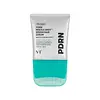 Key Ingredients
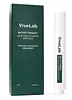
Benefits
Concerns
Ingredients Side-by-side
Water
Skin ConditioningAlcohol Denat.
Antimicrobial




Butylene Glycol
Humectant

Glycereth-25 PCA Isostearate
Emulsifying
Menthol
Masking
Caffeine
Skin Conditioning

Hydroxyacetophenone
Antioxidant
Carbomer
Emulsion StabilisingAminomethyl Propanol
BufferingHydroxyethylcellulose
Emulsion StabilisingCaprylyl Glycol
Emollient
Pinus Sylvestris Leaf Extract
TonicPentylene Glycol
Skin Conditioning
Citric Acid
Buffering

Disodium Phosphate
BufferingPolysorbate 60
Emulsifying
Silica
Abrasive


1,2-Hexanediol
Skin Conditioning
Sodium Phosphate
Buffering4-Terpineol
Masking
Betaine
Humectant
Epigallocatechin Gallate
Antioxidant
Ginkgo Biloba Leaf Extract
Skin Conditioning
Silk Amino Acids
HumectantCentella Asiatica Extract
Cleansing

Glycerin
Humectant
Chondrus Crispus Extract
Skin Conditioning
Lecithin
Emollient
Aloe Barbadensis Leaf Juice
Skin Conditioning
Gluconolactone
Chelating
Panax Ginseng Root Extract
Emollient
Sodium Hyaluronate
Humectant
Sodium Benzoate
Masking
Xanthan Gum
EmulsifyingDiatomaceous Earth
Abrasive
Tetrasodium Glutamate Diacetate
ChelatingPotassium Sorbate
Preservative
Sodium DNA
Skin Conditioning
Madecassoside
Antioxidant
Madecassic Acid
Skin Conditioning
Asiaticoside
Antioxidant
Asiatic Acid
Skin Conditioning
Propolis Extract
Skin Conditioning
Parfum
Masking

Water, Alcohol Denat., Butylene Glycol, Glycereth-25 PCA Isostearate, Menthol, Caffeine, Hydroxyacetophenone, Carbomer, Aminomethyl Propanol, Hydroxyethylcellulose, Caprylyl Glycol, Pinus Sylvestris Leaf Extract, Pentylene Glycol, Citric Acid, Disodium Phosphate, Polysorbate 60, Silica, 1,2-Hexanediol, Sodium Phosphate, 4-Terpineol, Betaine, Epigallocatechin Gallate, Ginkgo Biloba Leaf Extract, Silk Amino Acids, Centella Asiatica Extract, Glycerin, Chondrus Crispus Extract, Lecithin, Aloe Barbadensis Leaf Juice, Gluconolactone, Panax Ginseng Root Extract, Sodium Hyaluronate, Sodium Benzoate, Xanthan Gum, Diatomaceous Earth, Tetrasodium Glutamate Diacetate, Potassium Sorbate, Sodium DNA, Madecassoside, Madecassic Acid, Asiaticoside, Asiatic Acid, Propolis Extract, Parfum
Water
Skin ConditioningAlcohol Denat.
Antimicrobial
Butylene Glycol
Humectant
Methylpropanediol
Solvent1,2-Hexanediol
Skin Conditioning
Rehmannia Chinensis Root Extract
Skin ConditioningPPG-13-Decyltetradeceth-24
EmulsifyingCornus Officinalis Fruit Extract
Skin ConditioningAlisma Orientale Tuber Extract
Skin ConditioningPaeonia Suffruticosa Root Extract
Skin ProtectingDioscorea Japonica Root Extract
Skin Conditioning
Smilax Glabra Root Extract
Skin ConditioningGlycerin
Humectant
Tromethamine
BufferingMenthol
Masking
Acrylates/C10-30 Alkyl Acrylate Crosspolymer
Emulsion StabilisingSalicylic Acid
Masking
Panthenol
Skin Conditioning
Propanediol
Solvent
Camellia Sinensis Leaf Extract
Antimicrobial
Centella Asiatica Extract
Cleansing
Pelargonium Graveolens Flower Oil
Masking

Hydroxyacetophenone
Antioxidant
Ethylhexylglycerin
Skin ConditioningDisodium EDTA
ChelatingLycium Chinense Fruit Extract
Antioxidant
Fragaria Chiloensis Fruit Extract
Skin Conditioning
Berberis Vulgaris Root Extract
AntimicrobialMorus Nigra Fruit Extract
Skin ConditioningDiospyros Kaki Fruit Extract
Skin ConditioningCamellia Japonica Leaf Extract
Skin ConditioningCeratonia Siliqua Fruit Extract
MaskingPhenoxyethanol
Preservative
Hydroxypropyl Cyclodextrin
MaskingCamellia Japonica Flower Extract
EmollientLespedeza Capitata Leaf/Stem Extract
Skin ConditioningAndrographis Paniculata Extract
AstringentMagnolia Officinalis Bark Extract
Antimicrobial
Scutellaria Baicalensis Root Extract
Astringent
Swertia Japonica Extract
Skin ConditioningPolygonum Multiflorum Root Extract
Skin ConditioningEclipta Prostrata Extract
Skin Conditioning
Angelica Gigas Root Extract
Skin ConditioningCurcuma Longa Root Extract
Antioxidant
Biota Orientalis Leaf Extract
HumectantMyristoyl Pentapeptide-4
Skin Conditioning
Zingiber Officinale Root Extract
Masking
Forsythia Suspensa Fruit Extract
Antioxidant
Ginkgo Biloba Leaf Extract
Skin Conditioning
Panax Ginseng Root Extract
Emollient
Carthamus Tinctorius Flower Extract
Skin ConditioningGlycyrrhiza Glabra Root Extract
Bleaching
Schisandra Chinensis Fruit Extract
Skin Conditioning
Glycine Max Seed Extract
Skin ConditioningPentylene Glycol
Skin Conditioning
Malus Domestica Fruit Cell Culture Extract
Skin ConditioningChrysanthemum Zawadskii Extract
Skin ConditioningFicus Carica Fruit Extract
Humectant
Artemisia Princeps Leaf Extract
Skin ConditioningHouttuynia Cordata Extract
Skin Conditioning
Ganoderma Lucidum Extract
Skin Protecting
Sophora Flavescens Root Extract
Antioxidant
Acorus Gramineus Extract
HumectantPolygonum Cuspidatum Root Extract
Antioxidant
PEG-40 Hydrogenated Castor Oil
Emulsifying
Madecassoside
Antioxidant
Aspergillus Ferment
Skin ConditioningPPG-26-Buteth-26
Skin ConditioningRosmarinus Officinalis Leaf Extract
AntimicrobialCaprylyl Glycol
Emollient
Tocopherol
Antioxidant
Chamomilla Recutita Flower Extract
Masking
Copper Tripeptide-1
Skin Conditioning
Alanine/Histidine/Lysine Polypeptide Copper Hcl
Skin Conditioning
Geraniol
Perfuming
Linalool
Perfuming
Citronellol
Perfuming
Water, Alcohol Denat., Butylene Glycol, Methylpropanediol, 1,2-Hexanediol, Rehmannia Chinensis Root Extract, PPG-13-Decyltetradeceth-24, Cornus Officinalis Fruit Extract, Alisma Orientale Tuber Extract, Paeonia Suffruticosa Root Extract, Dioscorea Japonica Root Extract, Smilax Glabra Root Extract, Glycerin, Tromethamine, Menthol, Acrylates/C10-30 Alkyl Acrylate Crosspolymer, Salicylic Acid, Panthenol, Propanediol, Camellia Sinensis Leaf Extract, Centella Asiatica Extract, Pelargonium Graveolens Flower Oil, Hydroxyacetophenone, Ethylhexylglycerin, Disodium EDTA, Lycium Chinense Fruit Extract, Fragaria Chiloensis Fruit Extract, Berberis Vulgaris Root Extract, Morus Nigra Fruit Extract, Diospyros Kaki Fruit Extract, Camellia Japonica Leaf Extract, Ceratonia Siliqua Fruit Extract, Phenoxyethanol, Hydroxypropyl Cyclodextrin, Camellia Japonica Flower Extract, Lespedeza Capitata Leaf/Stem Extract, Andrographis Paniculata Extract, Magnolia Officinalis Bark Extract, Scutellaria Baicalensis Root Extract, Swertia Japonica Extract, Polygonum Multiflorum Root Extract, Eclipta Prostrata Extract, Angelica Gigas Root Extract, Curcuma Longa Root Extract, Biota Orientalis Leaf Extract, Myristoyl Pentapeptide-4, Zingiber Officinale Root Extract, Forsythia Suspensa Fruit Extract, Ginkgo Biloba Leaf Extract, Panax Ginseng Root Extract, Carthamus Tinctorius Flower Extract, Glycyrrhiza Glabra Root Extract, Schisandra Chinensis Fruit Extract, Glycine Max Seed Extract, Pentylene Glycol, Malus Domestica Fruit Cell Culture Extract, Chrysanthemum Zawadskii Extract, Ficus Carica Fruit Extract, Artemisia Princeps Leaf Extract, Houttuynia Cordata Extract, Ganoderma Lucidum Extract, Sophora Flavescens Root Extract, Acorus Gramineus Extract, Polygonum Cuspidatum Root Extract, PEG-40 Hydrogenated Castor Oil, Madecassoside, Aspergillus Ferment, PPG-26-Buteth-26, Rosmarinus Officinalis Leaf Extract, Caprylyl Glycol, Tocopherol, Chamomilla Recutita Flower Extract, Copper Tripeptide-1, Alanine/Histidine/Lysine Polypeptide Copper Hcl, Geraniol, Linalool, Citronellol
Reviews
Ingredients Explained
These ingredients are found in both products.
Ingredients higher up in an ingredient list are typically present in a larger amount.
1,2-Hexanediol is a synthetic liquid and another multi-functional powerhouse.
It is a:
- Humectant, drawing moisture into the skin
- Emollient, helping to soften skin
- Solvent, dispersing and stabilizing formulas
- Preservative booster, enhancing the antimicrobial activity of other preservatives
Alcohol Denat. is an alcohol with a denaturant property. It is created by mixing ethanol with other additives.
The "denat" part just means "denatured"; common denaturants include Denatonium Benzoate, t-butyl alcohol, and Diethyl Phthalate. This step makes the alcohol undrinkable (and lets brand skip taxes related to beverage alcohol).
This ingredient gets a bad rep because it is irritating and drying due to its astringent property. Astringents draw out natural oils in tissue to constrict pores and dry out your skin.
However, alcohol denat. is not all that bad.
Due to its low molecular weight, alcohol denat. tends to evaporate quickly. One study on pig skin found half of applied alcohol evaporated in 10 seconds and less than 3% stayed on skin.
This also helps other ingredients become better absorbed upon application.
Studies are conflicted about whether this ingredient causes skin dehydration. One study from 2005 found adding emollients to propanol-based sanitizer decreased skin dryness and irritation. Another study found irritation only occurs if your skin is already damaged.
Small amounts of alcohol are generally tolerated by oily skin or people who live in humid environments.
The rule of thumb is this ingredient will probably not affect your skin much if it is near the end of an ingredients list.
One thing to note:
People with ALDH2 (aldehyde dehydrogenase 2) deficiency may experience skin irritation from continued alcohol use. About 8% of the world's population have this deficiency.
The Cosmetic Ingredient Review Expert Panel has determined denatured alcohols to be safe for use in concentrations between 0.05% and 12% (depending on which denaturant is used).
Also...
This ingredient has antimicrobial and solvent properties.
The antimicrobial property helps preserve products and increase their shelf life. As a solvent, it helps dissolve other ingredients.
Look for formulas that contain glycerin, hyaluronic acid, or panthenol if you want to offset any drying effect.
This ingredient will trip away your skin's natural oils/lipids that help it lock in moisture. This can worsen dryness, trigger eczema flare-ups, and aggravate rosacea.
Be sure to patch test any product with this ingredient if you have dry or sensitive skin, eczema, or rosacea.
Learn more about Alcohol Denat.Butylene Glycol (or BG) is used within cosmetic products for a few different reasons:
Overall, Butylene Glycol is a safe and well-rounded ingredient that works well with other ingredients.
Though this ingredient works well with most skin types, some people with sensitive skin may experience a reaction such as allergic rashes, closed comedones, or itchiness.
Learn more about Butylene GlycolCaprylyl Glycol is a humectant, skin conditioner, emollient, and preservative booster derived from either caprylic acid or synthetically created.
Typical use levels vary from 0.3-1% as a preservative booster and go up to 2% to condition skin.
Because it is not a free-fatty acid, this ingredient is fungal acne safe (there's nothing for Malassezia to feed on).
Learn more about Caprylyl GlycolCentella Asiatica Extract (Centella) is one of the most researched botanical extracts in skincare with decades of studies backing its effects on inflammation, collagen, and the skin barrier.
That research keeps pointing back to the same four triterpenoid saponins: Asiaticoside, Madecassoside, Asiatic Acid, and Madecassic Acid.
These compounds allow centella to dial back inflammation, encourage the skin to build and hold onto collagen, support the barrier and hydration, and bring solid antioxidant activity to protect against signs of aging.
Centella also carries a nice supporting cast of Vitamin A, vitamin C, several B vitamins, and amino acids. Put it all together and you get an ingredient that soothes, hydrates, and protects, all at once.
Most of centella's magic comes from the four big compounds (Asiaticoside, Madecassoside, Asiatic Acid, and Madecassic Acid). These are the actives doing the heavy lifting in almost every centella study.
Here is the short version of what they do in the skin:
So it is not just soothing for the sake of soothing. Centella calms the skin AND helps it rebuild.
Just FYI, not all centella on an ingredient list is the same. What you are getting actually depends on the extract:
Fun fact on the ratios: the leaves tend to be richest in Madecassoside and Asiaticoside, and lower in the two acids. The exact amounts shift with where the plant is grown and how it is processed. This means purity really does vary brand to brand.
Centella is one of the most easygoing actives out there.
It layers well with basically everything: niacinamide, hyaluronic acid, peptides, and vitamin C, and also pairs nicely with stronger actives like retinoids and exfoliating acids where it can help take the edge off irritation.
On the safety side, centella and its triterpenes are classified as weak sensitizers, meaning allergic reactions are possible but uncommon.
Patch tests at 1% and 5% came back negative in test panels, and creams at typical use levels did not cause allergic reactions across large groups of people.
But as with any new active, a patch test is still a smart move for very reactive skin.
Centella is widely used because it is effective at low percentages. For context, human safety testing found no meaningful irritation from creams containing centella extract at everyday use levels (the tested amounts were well under 1%).
The irritancy threshold in animal testing was also above 30% (so real-world formulas sit far below anything concerning).
In collagen lab studies, higher concentrations drove more collagen synthesis, so serums built around centella tend to feature it more prominently.
Bottom line: you will find centella working nicely anywhere from a fraction of a percent up to hero-ingredient levels depending on whether it is a supporting soother or the main event.
Fun fact: Centella has been used as a medicine and in food for many centuries. As a medicine, it is used to treat burns, scratches, and wounds.
Learn more about Centella Asiatica ExtractGinkgo Biloba Leaf Extract comes from the leaves of the Ginkgo tree. It has soothing and antioxidant properties.
The leaves of ginkgo contains flavonoids and terpenoids, potent antioxidants. Antioxidants may protect your skin from damage caused by external sources such as pollution.
Its soothing ability comes from a variety of compounds including biflavones, a type of flavonoid. Studies show gingko biloba has strong anti-inflammatory properties.
Fun fact: This tree is native to China and has been used in traditional Chinese medicine for thousands of years.
Learn more about Ginkgo Biloba Leaf ExtractGlycerin (or glycerol) is a compound naturally found in your skin. It's a powerhouse humectant that pulls water into the stratum corneum.
Topically, glycerin does several things at once:
Your skin makes glycerin on its own (mostly from sebaceous oil breakdown) and shuttles it to your outermost layer of skin, or your epidermis, via aquaporin-3.
Aquaporin-3 is a transporter that is essential for normal skin hydration, elasticity, and repair. Interestingly, mice lacking in AQP3 have dry and less elastic skin that can be fully corrected with glycerin.
This ingredient is non-irritating, plays well with almost every ingredient, and works across all skin types. Typical use is anywhere between 3-10% but can go up to 79% in some leave-on products.
Just know very high concentrations (>40%) can feel tacky in low humidity.
Glycerin is the name for this ingredient in American English. British English uses Glycerol/Glycerine.
Learn more about GlycerinHydroxyacetophenone is a small phenolic molecule that earns its place in a formulas as an antioxidant and preservative booster.
As a phenol, it is able to neutralize free radicals to protect both the product and the skin from oxidative stress.
Though it can't kill microbes on its own, it works as a good supporting agent when combined with other preservatives like Phenoxyethanol or 1,2-Hexanediol.
This ingredient naturally occurs as piceol in Norwegian spruce needles (~0.4-1.1% dry weight and in cloudberries). Though the cosmetic-grade material is synthesized for purity and consistency.
You'll usually see it used at low levels and suppliers recommend up to 1% added to a water phase.
Safety testing was done at concentrations like 0.05% in SPF products and 0.5% in a Human Repeated Insult Patch Test. The safety evidence is assuring; this ingredient is safe for cosmetics in current use and also holds safety status as a food flavoring as well.
An honest caveat: the "soothing" and "anti-inflammatory" claims come mostly from supplier marketing rather than published clinical trials. The Cosmetic Ingredient Review's own literature search found no useful efficacy studies on this ingredient.
So the antioxidant and preservative-boosting roles are the well supported ones while the calming benefit is plausible but thinly evidenced.
Overall, this is a well-tolerated, low-irritation multitasker that quietly helps a formula stay fresh and stable.
Learn more about HydroxyacetophenoneMadecassoside is one of four active compounds found in Centella asiatica and is one of the main reasons Centella is so effective at calming irritated skin and supporting the moisture barrier.
There's a solid body of peer-reviewed research backing Madecassoside for several skin benefits. Studies have found:
Madecassoside pairs well with other hydrating or antioxidant ingredients like Ascorbic Acid or Hyaluronic Acid.
Learn more about MadecassosideMenthol is a compound found in mint plants, such as peppermint. In its pure form, it is a clear crystalline substance.
Menthol is known for its cooling sensation; however, the cooling is actually from your skin being sensitized. Menthol can worsen rosacea. We recommend speaking with a professional if you have concerns.
Menthol also has antimicrobial properties.
Learn more about MentholGinseng root is a well-loved ingredient in Asian skincare for good reason. It hydrates the skin, soothes irritation, and helps even out skin tone.
In traditional East Asian medicine, ginseng has been used for centuries both as food and as a healing remedy, and modern research continues to confirm its skin benefits.
One of the standout features of ginseng is its ability to improve blood circulation and oxygen delivery to the skin, bringing a fresh supply of nutrients to support overall skin health. It also has antioxidant and anti-inflammatory properties. This helps to protect your skin against damage from UV exposure, pollution, and daily stress.
Additionally, studies suggest that ginseng may help reduce hyperpigmentation by inhibiting tyrosinase, the enzyme involved in melanin production.
There are different types of ginseng used in skincare, and while they all share core benefits, their potency can vary.
Most products use fresh or white ginseng because it’s more affordable. However, red ginseng, produced by steaming the root, contains higher levels of ginsenosides, which are compounds with proven anti-aging effects. These ginsenosides help reduce the appearance of wrinkles and improve skin elasticity.
Note: All forms of ginseng are listed simply as “Panax ginseng” in ingredient lists. We recommend reaching out to the brand if you have questions about which type of ginseng is used in their ingredients.
For general antioxidant benefits, any ginseng extract will do, but for wrinkle care or firmer skin, red or fermented ginseng is often more effective.
In short, ginseng is a powerhouse ingredient that supports hydration, radiance, and resilience.
Learn more about Panax Ginseng Root ExtractPentylene Glycol (1,2-pentanediol) is a multitasking little diol with three main roles in a formula:
Research on alkanediols (the family pentylene glycol belongs to) show they work by disrupting microbial cell membranes. This disruption helps the primary preservative system in a product work more effectively at lower doses.
On the safety side, the Cosmetic Ingredient Review Expert Panel has concluded this ingredient to be safe as used in current cosmetic practices + concentrations.
Typical use levels in a formula run about 1-5%.
Learn more about Pentylene GlycolWater. It's the most common cosmetic ingredient of all. You'll usually see it at the top of ingredient lists, meaning that it makes up the largest part of the product.
So why is it so popular? Water most often acts as a solvent - this means that it helps dissolve other ingredients into the formulation.
You'll also recognize water as that liquid we all need to stay alive. If you see this, drink a glass of water. Remember to stay hydrated!
Learn more about Water

