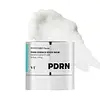
This anti-aging moisturizer is formulated around Sodium DNA and Adenosine to soften the look of wrinkles.
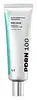
This barrier-repair moisturizer is formulated around Hyaluronic Acid and Niacinamide to strengthen the skin barrier and hydrate skin.

What's inside
What's inside
 Key Ingredients
Benefits
Concerns
Ingredients Side-by-side
Octyldodecanol
Emollient
Helianthus Annuus Seed Oil
Emollient



Phytosteryl/Isostearyl/Cetyl/Stearyl/Behenyl Dimer Dilinoleate
Skin Conditioning
Butyrospermum Parkii Butter
Skin Conditioning



Synthetic Wax
Abrasive
Microcrystalline Wax
Emulsion StabilisingDipentaerythrityl Hexahydroxystearate/Hexastearate/Hexarosinate
Skin ConditioningGlycerin
Humectant
Bisabolol
Antioxidant


Caprylyl Glycol
Emollient
Glyceryl Caprylate
EmollientAdenosine
Skin Conditioning
Water
Skin ConditioningSqualane
Emollient
Butylene Glycol
Humectant
Ceramide NP
Skin Conditioning
1,2-Hexanediol
Skin Conditioning
Polyglyceryl-10 Laurate
Skin Conditioning
Ethylhexylglycerin
Skin ConditioningCopper Tripeptide-1
Skin Conditioning
Hexapeptide-9
Skin Conditioning
Acetyl Hexapeptide-8
Humectant
Palmitoyl Pentapeptide-4
Skin Conditioning
Tripeptide-1
Skin Conditioning
Panax Ginseng Root Extract
Emollient
Collagen Extract
Skin Conditioning
Sodium DNA
Skin Conditioning
Octyldodecanol, Helianthus Annuus Seed Oil, Phytosteryl/Isostearyl/Cetyl/Stearyl/Behenyl Dimer Dilinoleate, Butyrospermum Parkii Butter, Synthetic Wax, Microcrystalline Wax, Dipentaerythrityl Hexahydroxystearate/Hexastearate/Hexarosinate, Glycerin, Bisabolol, Caprylyl Glycol, Glyceryl Caprylate, Adenosine, Water, Squalane, Butylene Glycol, Ceramide NP, 1,2-Hexanediol, Polyglyceryl-10 Laurate, Ethylhexylglycerin, Copper Tripeptide-1, Hexapeptide-9, Acetyl Hexapeptide-8, Palmitoyl Pentapeptide-4, Tripeptide-1, Panax Ginseng Root Extract, Collagen Extract, Sodium DNA
Water
Skin ConditioningGlycerin
Humectant
Butylene Glycol
Humectant
Hyaluronic Acid
Humectant
Methyl Hydrogenated Rosinate
Perfuming

C12-15 Alkyl Benzoate
AntimicrobialPolyglycerin-3
Humectant
Caprylic/Capric Triglyceride
Masking
1,2-Hexanediol
Skin Conditioning
Niacinamide
Smoothing





Caprylic/Capric/Myristic/Stearic Triglyceride
EmollientC14-22 Alcohols
Emulsion Stabilising
Bis-Diglyceryl Polyacyladipate-2
Emollient
Vinyldimethicone

Macadamia Ternifolia Seed Oil
Emollient
Hydrogenated Vegetable Oil
Emollient
Panax Ginseng Root Extract
Emollient
Solanum Melongena Fruit Extract
Skin ConditioningEclipta Prostrata Extract
Skin Conditioning
Ocimum Sanctum Leaf Extract
Skin ConditioningCorallina Officinalis Extract
Skin Conditioning
Simmondsia Chinensis Seed Oil
Emollient
Curcuma Longa Root Extract
Antioxidant
Amber Powder
Cetearyl Alcohol
Emollient
Palmitic Acid
Emollient
Hydrolyzed Sodium Hyaluronate
Skin Conditioning
Hydroxypropyltrimonium Hyaluronate
Hydrolyzed Hyaluronic Acid
Humectant
Potassium Hyaluronate
Skin ConditioningMoringa Oleifera Seed Oil
Emollient
Ceramide NP
Skin Conditioning
Melia Azadirachta Leaf Extract
Skin ConditioningMelia Azadirachta Flower Extract
Skin ConditioningGlucose
Humectant
Coccinia Indica Fruit Extract
Skin Conditioning
Sodium Hyaluronate
Humectant
Pentylene Glycol
Skin Conditioning
Sodium DNA
Skin Conditioning
Sodium Hyaluronate Crosspolymer
Humectant
Ceramide Ns
Skin Conditioning
Sodium Acetylated Hyaluronate
Humectant
Cholesterol
Emollient
Phytosphingosine
Skin Conditioning
Ceramide As
Skin Conditioning
Ceramide AP
Skin Conditioning
Sodium Guaiazulene Sulfonate
SurfactantCeramide EOP
Skin Conditioning
Panthenol
Skin Conditioning
Betaine
Humectant
Glyceryl Stearate
Emollient
Polyacrylate-13
Stearic Acid
Cleansing
C12-20 Alkyl Glucoside
EmulsifyingCetearyl Glucoside
Emulsifying
Hydrogenated Polyisobutene
EmollientGlyceryl Acrylate/Acrylic Acid Copolymer
HumectantPolyglyceryl-10 Laurate
Skin Conditioning
Ethylhexyl Palmitate
Emollient
Sorbitan Isostearate
Emulsifying
Cyamopsis Tetragonoloba Gum
Emulsion StabilisingAgar
MaskingHydrogenated Lecithin
Emulsifying
Carbomer
Emulsion StabilisingTromethamine
BufferingXanthan Gum
EmulsifyingAllantoin
Skin Conditioning
Adenosine
Skin Conditioning
Disodium EDTA
ChelatingEthylhexylglycerin
Skin ConditioningWater, Glycerin, Butylene Glycol, Hyaluronic Acid, Methyl Hydrogenated Rosinate, C12-15 Alkyl Benzoate, Polyglycerin-3, Caprylic/Capric Triglyceride, 1,2-Hexanediol, Niacinamide, Caprylic/Capric/Myristic/Stearic Triglyceride, C14-22 Alcohols, Bis-Diglyceryl Polyacyladipate-2, Vinyldimethicone, Macadamia Ternifolia Seed Oil, Hydrogenated Vegetable Oil, Panax Ginseng Root Extract, Solanum Melongena Fruit Extract, Eclipta Prostrata Extract, Ocimum Sanctum Leaf Extract, Corallina Officinalis Extract, Simmondsia Chinensis Seed Oil, Curcuma Longa Root Extract, Amber Powder, Cetearyl Alcohol, Palmitic Acid, Hydrolyzed Sodium Hyaluronate, Hydroxypropyltrimonium Hyaluronate, Hydrolyzed Hyaluronic Acid, Potassium Hyaluronate, Moringa Oleifera Seed Oil, Ceramide NP, Melia Azadirachta Leaf Extract, Melia Azadirachta Flower Extract, Glucose, Coccinia Indica Fruit Extract, Sodium Hyaluronate, Pentylene Glycol, Sodium DNA, Sodium Hyaluronate Crosspolymer, Ceramide Ns, Sodium Acetylated Hyaluronate, Cholesterol, Phytosphingosine, Ceramide As, Ceramide AP, Sodium Guaiazulene Sulfonate, Ceramide EOP, Panthenol, Betaine, Glyceryl Stearate, Polyacrylate-13, Stearic Acid, C12-20 Alkyl Glucoside, Cetearyl Glucoside, Hydrogenated Polyisobutene, Glyceryl Acrylate/Acrylic Acid Copolymer, Polyglyceryl-10 Laurate, Ethylhexyl Palmitate, Sorbitan Isostearate, Cyamopsis Tetragonoloba Gum, Agar, Hydrogenated Lecithin, Carbomer, Tromethamine, Xanthan Gum, Allantoin, Adenosine, Disodium EDTA, Ethylhexylglycerin
Reviews
Ingredients Explained
These ingredients are found in both products.
Ingredients higher up in an ingredient list are typically present in a larger amount.
1,2-Hexanediol is a synthetic liquid and another multi-functional powerhouse.
It is a:
- Humectant, drawing moisture into the skin
- Emollient, helping to soften skin
- Solvent, dispersing and stabilizing formulas
- Preservative booster, enhancing the antimicrobial activity of other preservatives
Adenosine is a purine nucleoside that your body already makes in every cell. In skincare, it acts mainly as a skin conditioning and anti-aging agent.
The way it works is fairly well mapped out:
Your skin has cells called fibroblasts that build collagen (the stuff that keeps skin firm and smooth). Adenosine basically flips a switch on these cells that tells them to get to work making more collagen and other proteins. These cells slow down on their own as skin ages, so Adenosine helps give them a little nudge to keep going.
The clinical backing is pretty solid too.
A blind, randomized, placebo-controlled trial of 126 women aged 45-65 tested a 0.1% cream twice daily and found real improvements in crow's feet and frown lines using a precise 3D skin-mapping technique; these changes showed up by week 3 and held at 2 months.
A later study using Adenosine-loaded dissolving microneedle patches reported gains in wrinkle depth, dermal density, elasticity, and hydration.
On concentrations, South Korea's Ministry of Food and Drug Safety has set 0.04% as the approved functional anti-wrinkle level. You'll typically see this ingredient used somewhere in the 0.04-0.1% range since it works at low doses.
This ingredient has been found safe for cosmetics with the data showing no irritation or sensitization.
Overall, this is a great ingredient for any anti-aging routine and has no photosensitizing effect, so it suits both AM and PM use.
Learn more about AdenosineButylene Glycol (or BG) is used within cosmetic products for a few different reasons:
Overall, Butylene Glycol is a safe and well-rounded ingredient that works well with other ingredients.
Though this ingredient works well with most skin types, some people with sensitive skin may experience a reaction such as allergic rashes, closed comedones, or itchiness.
Learn more about Butylene GlycolCeramide NP (formerly known as Ceramide 3) is one of the skin's naturally occurring lipids.
Since ceramides are the major lipid components of the skin, they are crucial for maintaining skin barrier and hydration. Ceramide NP most closely mirrors the dominant kind in human skin amongst ceramide subtypes.
This ceramide works by slotting into gaps within the stratum corneum's lipid matrix to limit trans-epidermal water loss (TEWL) and shield the skin against external irritants.
A study with 312 patients found that using a ceramide-containing routine for 4 weeks reduced the severity of atopic dermatitis by over 61%.
Another clinical study in subjects aged 60 and older found that a ceramide body wash and moisturizer improved skin dryness and itchy skin in 15 days.
Overall, ceramides are considered non-irritating and safety tests have found little to no observable adverse effects from using this ingredient.
Ceramide NP is usually sourced from plants (like soybean or rice bran), or produced synthetically.
Learn more about Ceramide NPEthylhexylglycerin is created from glycerin. It is a multitasker ingredient that:
The CIR Expert Panel found minimal skin absorption or sensitization of any kind in a safety assessment. Though this ingredient is considered well-tolerated, a small number of cases of allergic dermatitis have been published since 2002. Just be sure to patch test if you are unsure.
Industry-reported use ranges from 8% in rinse-off products and 2% in leave-on formulations.
Learn more about EthylhexylglycerinGlycerin (or glycerol) is a compound naturally found in your skin. It's a powerhouse humectant that pulls water into the stratum corneum.
Topically, glycerin does several things at once:
Your skin makes glycerin on its own (mostly from sebaceous oil breakdown) and shuttles it to your outermost layer of skin, or your epidermis, via aquaporin-3.
Aquaporin-3 is a transporter that is essential for normal skin hydration, elasticity, and repair. Interestingly, mice lacking in AQP3 have dry and less elastic skin that can be fully corrected with glycerin.
This ingredient is non-irritating, plays well with almost every ingredient, and works across all skin types. Typical use is anywhere between 3-10% but can go up to 79% in some leave-on products.
Just know very high concentrations (>40%) can feel tacky in low humidity.
Glycerin is the name for this ingredient in American English. British English uses Glycerol/Glycerine.
Learn more about GlycerinGinseng root is a well-loved ingredient in Asian skincare for good reason. It hydrates the skin, soothes irritation, and helps even out skin tone.
In traditional East Asian medicine, ginseng has been used for centuries both as food and as a healing remedy, and modern research continues to confirm its skin benefits.
One of the standout features of ginseng is its ability to improve blood circulation and oxygen delivery to the skin, bringing a fresh supply of nutrients to support overall skin health. It also has antioxidant and anti-inflammatory properties. This helps to protect your skin against damage from UV exposure, pollution, and daily stress.
Additionally, studies suggest that ginseng may help reduce hyperpigmentation by inhibiting tyrosinase, the enzyme involved in melanin production.
There are different types of ginseng used in skincare, and while they all share core benefits, their potency can vary.
Most products use fresh or white ginseng because it’s more affordable. However, red ginseng, produced by steaming the root, contains higher levels of ginsenosides, which are compounds with proven anti-aging effects. These ginsenosides help reduce the appearance of wrinkles and improve skin elasticity.
Note: All forms of ginseng are listed simply as “Panax ginseng” in ingredient lists. We recommend reaching out to the brand if you have questions about which type of ginseng is used in their ingredients.
For general antioxidant benefits, any ginseng extract will do, but for wrinkle care or firmer skin, red or fermented ginseng is often more effective.
In short, ginseng is a powerhouse ingredient that supports hydration, radiance, and resilience.
Learn more about Panax Ginseng Root ExtractPolyglyceryl-10 Laurate is a cleansing agent and emulsifier.
It rounds up dirt, oil, and grime, so they can be rinsed off easily as a cleanser.
On the emulsifier side, it keeps your formula smooth and well-mixed by playing peacekeeper for ingredients that don't naturally get along (like oil and water).
Because it has a C12 (lauric acid) fatty acid chain, this ingredient can potentially feed the Malassezia yeast that causes fungal acne. The Malassezia yeast prefers esters with C11-C24 fatty acids.
This ingredient is an ester of lauric acid and Polyglycerin-10.
Learn more about Polyglyceryl-10 LaurateSodium DNA is an emerging anti-aging ingredient.
It is created by taking deoxyribonucleic acid (DNA) and purifying it with sodium hydroxide.
The DNA is extracted from several different animal sources, including: calf thymus, the gonadic tissue of a male sturgeon, or herring / salmon sperm.
You have probably seen this ingredient in anti-aging skincare. But what is it?
DNA is composed of nucleotides, or chemical building blocks. Nucleotides include adenine (A), thymine (T), guanine (G), and cytosine (C). Talk about a flashback to biology! Nucleosides are formed from these nucleotides.
The science behind Sodium DNA is based on an ingredient called Polydeoxyribonucleotide or PDRN.
PDRN are DNA fragments mainly extracted from the sperm cells of trout or salmon. Meaning, PDRN can be derived from Sodium DNA.
PDRN consists of chains of nucleotides and nucleosides mentioned above. They can range anywhere from 80 - 2000 pairs.
Studies show PDRN has the following properties:
Most of the research on PDRN has been done using injectable forms. That’s important, because PDRN is a large molecule and doesn’t absorb well through the skin. So if you’re applying it topically, the effects are likely to be much milder.
Still, topical Sodium DNA is emerging as a trendy anti-aging ingredient. It’s generally well-tolerated and offers good biocompatibility with human skin, making it a low-risk addition to most routines.
Further studies are needed to truly confirm this ingredients anti-aging ability (Remember, retinol has decades of research!).
Sodium DNA may be sourced from fish, animal tissue, or plants. Since this isn’t always disclosed, we recommend asking the brand directly if the ingredient’s origin is important to you.
Learn more about Sodium DNAWater. It's the most common cosmetic ingredient of all. You'll usually see it at the top of ingredient lists, meaning that it makes up the largest part of the product.
So why is it so popular? Water most often acts as a solvent - this means that it helps dissolve other ingredients into the formulation.
You'll also recognize water as that liquid we all need to stay alive. If you see this, drink a glass of water. Remember to stay hydrated!
Learn more about Water

