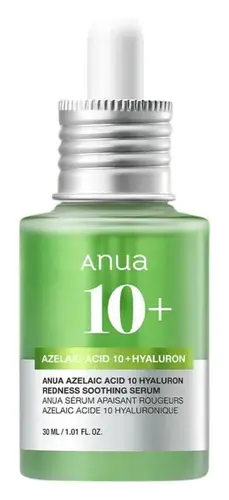
This oil-control day moisturizer is formulated around Aluminum Starch Octenylsuccinate and Camellia Sinensis Leaf Extract to balance excess oil and hydrate skin.
This barrier-repair moisturizer is formulated around Niacinamide and Panthenol to strengthen the skin barrier and hydrate skin.

What's inside
What's inside
 Key Ingredients
Benefits
Concerns
Ingredients Side-by-side
Water
Skin ConditioningPropylene Glycol
Humectant


Cetyl Alcohol
Emollient


Glyceryl Stearate
Emollient
Ceteareth-12
EmulsifyingDimethicone
Emollient

Ethylhexyl Methoxycinnamate
UV Absorber


Stearic Acid
Cleansing
Paraffinum Liquidum
Emollient
Aluminum Starch Octenylsuccinate
Absorbent
Benzophenone-3
UV Absorber
Acrylamide/Sodium Acryloyldimethyltaurate Copolymer
Emulsion StabilisingMethylparaben
Preservative

Parfum
Masking

C13-14 Isoparaffin
Emollient
Propylparaben
Preservative
Laureth-7
EmulsifyingButylene Glycol
Humectant
BHT
Antioxidant
Camellia Sinensis Leaf Extract
Antimicrobial




Water, Propylene Glycol, Cetyl Alcohol, Glyceryl Stearate, Ceteareth-12, Dimethicone, Ethylhexyl Methoxycinnamate, Stearic Acid, Paraffinum Liquidum, Aluminum Starch Octenylsuccinate, Benzophenone-3, Acrylamide/Sodium Acryloyldimethyltaurate Copolymer, Methylparaben, Parfum, C13-14 Isoparaffin, Propylparaben, Laureth-7, Butylene Glycol, BHT, Camellia Sinensis Leaf Extract
Water
Skin ConditioningGlycerin
Humectant
Cyclopentasiloxane
Emollient
Cetyl Alcohol
Emollient
Coco-Caprylate/Caprate
Emollient
Helianthus Annuus Seed Oil
Emollient
Methylpropanediol
SolventNiacinamide
Smoothing



Ethyl Macadamiate
Skin Conditioning
Xylitylglucoside
Humectant
Saccharide Isomerate
Humectant
Panthenol
Skin Conditioning
Fructooligosaccharides
Humectant
Beta Vulgaris Root Extract
Skin ConditioningGlycine Soja Oil
Emollient
Lactococcus Ferment Lysate
Skin Conditioning
Plukenetia Volubilis Seed Oil
Emollient
Sodium Hyaluronate
Humectant
Laminaria Digitata Extract
Skin Protecting
Tocopherol
Antioxidant
Ceramide NP
Skin Conditioning
Cholesterol
Emollient
Malic Acid
Buffering

Phytosphingosine
Skin Conditioning
Tanacetum Annuum Flower Oil
Masking
Ceramide AP
Skin Conditioning
Ceramide As
Skin Conditioning
Ceramide Ns
Skin Conditioning
Ceramide EOP
Skin Conditioning
Ceramide Ag
Humectant
Ceramide Ng
Skin Conditioning
Glucosyl Ceramide
Skin Conditioning
Sodium Acrylate/Sodium Acryloyldimethyl Taurate Copolymer
Emulsion StabilisingPhenoxyethanol
Preservative
Aluminum Starch Octenylsuccinate
Absorbent
Anhydroxylitol
Humectant
Acrylates/C10-30 Alkyl Acrylate Crosspolymer
Emulsion StabilisingAllantoin
Skin Conditioning
Xylitol
Humectant
Triethanolamine
BufferingC15-19 Alkane
SolventBHT
Antioxidant
Tetrasodium EDTA
ChelatingEthylhexylglycerin
Skin ConditioningLauryl Glucoside
CleansingGlucose
Humectant
Potassium Lactate
BufferingLactic Acid
Buffering
Citric Acid
Buffering
Glycolipids
Skin ConditioningLecithin
Emollient
Sodium Citrate
BufferingSodium Carrageenan
Emulsion Stabilising1,2-Hexanediol
Skin Conditioning
Jania Rubens Extract
Skin Conditioning
Hydrogenated Lecithin
Emulsifying
Benzyl Alcohol
Perfuming

Sodium Benzoate
Masking
Benzoic Acid
Masking
Sodium Chloride
MaskingDehydroacetic Acid
Preservative
Cetyl-Pg Hydroxyethyl Palmitamide
Skin Conditioning2,3-Butanediol
HumectantGlyceryl Stearate
Emollient
Parfum
Masking
Water, Glycerin, Cyclopentasiloxane, Cetyl Alcohol, Coco-Caprylate/Caprate, Helianthus Annuus Seed Oil, Methylpropanediol, Niacinamide, Ethyl Macadamiate, Xylitylglucoside, Saccharide Isomerate, Panthenol, Fructooligosaccharides, Beta Vulgaris Root Extract, Glycine Soja Oil, Lactococcus Ferment Lysate, Plukenetia Volubilis Seed Oil, Sodium Hyaluronate, Laminaria Digitata Extract, Tocopherol, Ceramide NP, Cholesterol, Malic Acid, Phytosphingosine, Tanacetum Annuum Flower Oil, Ceramide AP, Ceramide As, Ceramide Ns, Ceramide EOP, Ceramide Ag, Ceramide Ng, Glucosyl Ceramide, Sodium Acrylate/Sodium Acryloyldimethyl Taurate Copolymer, Phenoxyethanol, Aluminum Starch Octenylsuccinate, Anhydroxylitol, Acrylates/C10-30 Alkyl Acrylate Crosspolymer, Allantoin, Xylitol, Triethanolamine, C15-19 Alkane, BHT, Tetrasodium EDTA, Ethylhexylglycerin, Lauryl Glucoside, Glucose, Potassium Lactate, Lactic Acid, Citric Acid, Glycolipids, Lecithin, Sodium Citrate, Sodium Carrageenan, 1,2-Hexanediol, Jania Rubens Extract, Hydrogenated Lecithin, Benzyl Alcohol, Sodium Benzoate, Benzoic Acid, Sodium Chloride, Dehydroacetic Acid, Cetyl-Pg Hydroxyethyl Palmitamide, 2,3-Butanediol, Glyceryl Stearate, Parfum
Ingredients Explained
These ingredients are found in both products.
Ingredients higher up in an ingredient list are typically present in a larger amount.
Aluminum Starch Octenylsuccinate is a synthetic powder used as an absorbent, thickener, and anti-caking agent.
As an absorbent, it is great at mattifying skin by soaking up the oil. This is why you'll find it in a range of products from makeup to moisturizers.
This ingredient is considered a modified starch. Starch can also be found naturally in plants.
One study from 1991 found that 5% of this ingredient enhanced titanium dioxide SPF by as much as 40%. The study found 1% titanium dioxide had a 5.6 SPF and adding 5% of aluminum starch octenylsuccinate boosted it to an SPF of 8.1
Although “aluminum” in an ingredient name can raise red flags for some consumers, the form and usage context matter significantly. For typical topical applications, there is no substantial evidence of health risks - such as cancer, neurotoxicity, or systemic “aluminum overload.”
Learn more about Aluminum Starch OctenylsuccinateBHT is a synthetic antioxidant and preservative.
As an antioxidant, it helps your body fight off free-radicals. Free-radicals are molecules that may damage your skin cells.
As a preservative, it is used to stabilize products and prevent them from degrading. Specifically, BHT prevents degradation from oxidation.
The concerns related to BHT come from oral studies; this ingredient is currently allowed for use by both the FDA and EU.
However, it was recently restricted for use in the UK as of April 2024.
Learn more about BHTCetyl Alcohol is a fatty alcohol. Fatty Alcohols are most often used as an emollient or to thicken a product.
Its main roles are:
Though it has "alcohol" in the name, it is not related to denatured alcohol or ethyl alcohol.
The FDA allows products labeled "alcohol-free" to have fatty alcohols.
This ingredient may not be fungal acne safe. It is a primary fatty alcohol with a chain length above 12 carbons. A study from 2019 show Malassezia can feed on fatty alcohols in this range, so it may trigger fungal acne in those prone to it.
Learn more about Cetyl AlcoholGlyceryl Stearate is made by reacting glycerin with stearic acid (typically sourced from plant oils like palm or coconut). It's an emulsifier, emollient, and mild occlusive.
Emulsifiers help ingredients like oil and water stay mixed so your formula stays nicely blended and uniform in texture.
This ingredient is typically used in concentrations between 1-10%. Studies have found it to be non-sensitizing, non-phototoxic, and non-photoallergenic.
A close cousin of this ingredient is Glyceryl Stearate SE ("self-emulsifying"). This just has a small amount of sodium or potassium stearate added so it can emulsify without a co-emulsifier.
Since this ingredient is an ester of a C18 fatty acid, it may not be fungal acne safe. The Malassezia yeast can potentially metabolize within the C11-C24 range.
Fun fact: The human body also creates Glyceryl Stearate naturally.
Learn more about Glyceryl StearateParfum is a catch-all term for an ingredient or more that is used to give a scent to products.
Also called "fragrance", this ingredient can be a blend of hundreds of chemicals or plant oils. This means every product with "fragrance" or "parfum" in the ingredients list is a different mixture.
For instance, Habanolide is a proprietary trade name for a specific aroma chemical. When used as a fragrance ingredient in cosmetics, most aroma chemicals fall under the broad labeling category of “FRAGRANCE” or “PARFUM” according to EU and US regulations.
The term 'parfum' or 'fragrance' is not regulated in many countries. In many cases, it is up to the brand to define this term.
For instance, many brands choose to label themselves as "fragrance-free" because they are not using synthetic fragrances. However, their products may still contain ingredients such as essential oils that are considered a fragrance by INCI standards.
One example is Calendula flower extract. Calendula is an essential oil that still imparts a scent or 'fragrance'.
Depending on the blend, the ingredients in the mixture can cause allergies and sensitivities on the skin. Some ingredients that are known EU allergens include linalool and citronellol.
Parfum can also be used to mask or cover an unpleasant scent.
The bottom line is: not all fragrances/parfum/ingredients are created equally. If you are worried about fragrances, we recommend taking a closer look at an ingredient. And of course, we always recommend speaking with a professional.
Learn more about ParfumWater. It's the most common cosmetic ingredient of all. You'll usually see it at the top of ingredient lists, meaning that it makes up the largest part of the product.
So why is it so popular? Water most often acts as a solvent - this means that it helps dissolve other ingredients into the formulation.
You'll also recognize water as that liquid we all need to stay alive. If you see this, drink a glass of water. Remember to stay hydrated!
Learn more about Water