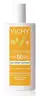
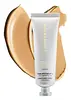
Vichy Capital Soleil Tinted 100% Mineral Sunscreen SPF 60 Versus Lightsaver Activated Mineral Sunscreen SPF 33
This sunscreen offers SPF 60 protection with a matte finish that helps control shine.
This hybrid sunscreen covers the full UV range and blocks ~97% of UVB at SPF 33.


What's inside
What's inside
 Key Ingredients
Benefits
Concerns
Ingredients Side-by-side
Water
Skin ConditioningIsododecane
EmollientDimethicone
Emollient

C12-15 Alkyl Benzoate
AntimicrobialUndecane
EmollientStyrene/Acrylates Copolymer
Caprylyl Methicone
Skin Conditioning
Nylon-12


Butyloctyl Salicylate
Skin Conditioning
Phenethyl Benzoate
Emollient

Dicaprylyl Carbonate
EmollientSilica
Abrasive

Triethylhexanoin
MaskingIsohexadecane
EmollientTridecane
Perfuming
Dicaprylyl Ether
Emollient
Talc
Abrasive
Dimethicone/PEG-10/15 Crosspolymer
Aluminum Hydroxide
EmollientStearic Acid
Cleansing


PEG-9 Polydimethylsiloxyethyl Dimethicone
Emulsifying
Pentylene Glycol
Skin Conditioning
Alumina
Abrasive
Aluminum Stearate
Cosmetic ColorantBenzoic Acid
Masking

Benzyl Benzoate
Antimicrobial

Caprylyl Glycol
Emollient
Dipropylene Glycol
HumectantDisodium Stearoyl Glutamate
CleansingDisteardimonium Hectorite
StabilisingHelianthus Annuus Seed Oil
Emollient
Iron Oxides
Magnesium Sulfate
PEG-8 Laurate
Emulsifying
Phenoxyethanol
Preservative
Polyhydroxystearic Acid
Emulsifying
Propylene Carbonate
SolventSodium Citrate
BufferingSodium Dodecylbenzenesulfonate
CleansingTocopherol
Antioxidant





Water, Isododecane, Dimethicone, C12-15 Alkyl Benzoate, Undecane, Styrene/Acrylates Copolymer, Caprylyl Methicone, Nylon-12, Butyloctyl Salicylate, Phenethyl Benzoate, Dicaprylyl Carbonate, Silica, Triethylhexanoin, Isohexadecane, Tridecane, Dicaprylyl Ether, Talc, Dimethicone/PEG-10/15 Crosspolymer, Aluminum Hydroxide, Stearic Acid, PEG-9 Polydimethylsiloxyethyl Dimethicone, Pentylene Glycol, Alumina, Aluminum Stearate, Benzoic Acid, Benzyl Benzoate, Caprylyl Glycol, Dipropylene Glycol, Disodium Stearoyl Glutamate, Disteardimonium Hectorite, Helianthus Annuus Seed Oil, Iron Oxides, Magnesium Sulfate, PEG-8 Laurate, Phenoxyethanol, Polyhydroxystearic Acid, Propylene Carbonate, Sodium Citrate, Sodium Dodecylbenzenesulfonate, Tocopherol
Zinc Oxide 14.2%
Cosmetic Colorant
Water
Skin ConditioningCaprylic/Capric Triglyceride
Masking
Niacinamide
Smoothing



Butyloctyl Salicylate
Skin Conditioning
Propanediol
Solvent
Squalane
Emollient
Aloe Barbadensis Leaf Juice
Skin Conditioning
1,2-Hexanediol
Skin Conditioning
Sodium Acrylate/Sodium Acryloyldimethyl Taurate Copolymer
Emulsion StabilisingCetyl Alcohol
Emollient
Glycol Stearate
Emollient
Hydroxyacetophenone
Antioxidant
Glycerin
Humectant
Helianthus Annuus Seed Oil
Emollient
Glyceryl Stearate
Emollient
Lecithin
Emollient
Isostearic Acid
Cleansing
Polyglyceryl-3 Polyricinoleate
Emulsifying
Polyhydroxystearic Acid
Emulsifying
Vaccinium Vitis-Idaea Fruit Extract
Antioxidant
Isohexadecane
EmollientXanthan Gum
EmulsifyingPolysorbate 80
Emulsifying
Sorbitan Oleate
Emulsifying
Phenoxyethanol
Preservative
Jojoba Esters
Emollient
Citric Acid
Buffering
Gluconolactone
Chelating
Plankton Extract
Skin ConditioningAlumina
Abrasive
Sodium Benzoate
Masking
Potassium Sorbate
Preservative
Silica
Abrasive
Calcium Gluconate
HumectantCI 77891
Cosmetic ColorantIron Oxides
Zinc Oxide 14.2%, Water, Caprylic/Capric Triglyceride, Niacinamide, Butyloctyl Salicylate, Propanediol, Squalane, Aloe Barbadensis Leaf Juice, 1,2-Hexanediol, Sodium Acrylate/Sodium Acryloyldimethyl Taurate Copolymer, Cetyl Alcohol, Glycol Stearate, Hydroxyacetophenone, Glycerin, Helianthus Annuus Seed Oil, Glyceryl Stearate, Lecithin, Isostearic Acid, Polyglyceryl-3 Polyricinoleate, Polyhydroxystearic Acid, Vaccinium Vitis-Idaea Fruit Extract, Isohexadecane, Xanthan Gum, Polysorbate 80, Sorbitan Oleate, Phenoxyethanol, Jojoba Esters, Citric Acid, Gluconolactone, Plankton Extract, Alumina, Sodium Benzoate, Potassium Sorbate, Silica, Calcium Gluconate, CI 77891, Iron Oxides
Ingredients Explained
These ingredients are found in both products.
Ingredients higher up in an ingredient list are typically present in a larger amount.
Alumina (aka aluminum oxide) is an inorganic mineral powder refined from bauxite that works as a quiet workhorse in a formula.
It shows up often as an abrasive, absorbent, anticaking, bulking, and viscosity-controlling agent.
One of its most common jobs is acting as a pigment carrier and dispersant.
Alumina platelets are often blended with inorganic sunscreens like Titanium Dioxide (or with colorants) and then coated with a silicone such as Triethoxycaprylylsilane so the pigment spreads evenly and smoothly.
In makeup, it can also double as a light-diffusing powder or oil absorber to keep formulas from looking greasy.
The Cosmetic Ingredient Review Expert Panel has concluded alumina to be safe in present practices of use and concentration.
They note it's a stable, oxidized compound and scientific research has failed to establish links to health issues.
Concentrations vary depending on the product:
Learn more about AluminaButyloctyl Salicylate is a chemical UV filter structurally similar to octisalate. It is a photostabilizer, SPF booster, emollient and solvent. This ingredient helps evenly spread out ingredients.
According to a manufacturer, it is suitable for pairing with micro Titanium Dioxide, Zinc Oxide, and pigments.
Photostabilizers help stabilize UV-filters and prevents them from degrading quickly.
Learn more about Butyloctyl SalicylateHelianthus Annuus Seed Oil is a plant oil derived from the seeds of a sunflower.
It is rich in fatty acids, primarily linoleic acid and oleic acid. This gives it emollient and skin conditioning properties.
The reason this ingredient is so effective is because it forms a thin film on the skin that reduces transepidermal water loss (TEWL) while supplying linoleic acid to the stratum corneum to improve barrier strength.
The high linoleic acid content is particularly noteworthy for acne-prone skin.
Research suggests that acne-prone skin tends to be deficient in linoleic acid in sebum. Topical application may help replenish this to support a healthier follicular environment and less comedone-promoting sebum.
One randomized study found sunflower seed oil preserved skin barrier integrity in adult volunteers with and without atopic dermatitis (outperforming olive oil).
This ingredient is well-studied, gentle, and an effective emollient suitable for most skin types.
On fungal acne: This ingredient may not be Fungal acne (Malassezia folliculitis) safe. This is because it contains fatty acids with carbon chain lengths in the C11-C24 range.
Learn more about Helianthus Annuus Seed OilIsohexadecane is added to enhance texture, emulsify, and to help cleanse. It is an isoparrafin. It is a component of petrolatum.
Due to its large size, Isohexadecane is not absorbed by the skin. Instead, it sits on top and acts as an emollient. Emollients help keep your skin soft and smooth by trapping moisture within.
Isohexadecane is often used in products designed to help oily skin. It is lightweight and non-greasy while helping to moisturize. When mixed with silicones, it gives a product a silky feel.
Learn more about IsohexadecanePhenoxyethanol is one of the most widely used preservatives in skincare (and for good reason!).
It has a large spectrum of antimicrobial activity and especially effective bacteria, yeast, and mold while only having a weak effect on your skin's natural microbiome.
On a cellular level, it disrupts the cell membranes of microbes by poking holes that make the cell leak. This shuts down the chemical reactions the microbe needs to make energy so it can no longer survive.
Another perk of this ingredient is that it stays functional across a wide pH range (3-10).
You'll often see it paired with boosters like Ethylhexylglycerin; one study showed that a 1:9 ratio of Ethylhexylglycerin to Phenoxyethanol damages bacterial membranes as effectively as doubling the Phenoxyethanol concentration on its own.
Typical use concentrations range from 0.3-1% depending on the formula, and this ingredient is capped at 1% int the EU.
Safety-wise, the fear mongering does not hold up to the evidence. The EU's Scientific Committee on Consumer Safety and FDA consider it safe as a preservative at up to 1%, including for children of all ages.
Adverse systemic effects only showed up in animal studies at exposures roughly 200x higher than what people get from cosmetics. And despite its very widespread use, this ingredient is a rare sensitizer and allergic reactions are uncommon.
Learn more about PhenoxyethanolPolyhydroxystearic Acid is a vegetable-derived soft wax made from castor oil. It's an emulsion stabilizer, thickener, and film former.
You'll likely see it in sunscreens because it helps disperse pigments and UV-reflecting minerals like titanium dioxide and zinc oxide evenly.
Depending on the concentration, it can drastically change the texture of a product from pasty solid (like lipstick) to sprayable liquid.
The CIR Expert Panel for Cosmetic Ingredient Safety has concluded this ingredient to be safe in cosmetics. The highest reported use concentration is 14.2% in lipsticks.
Learn more about Polyhydroxystearic AcidSilica, also known as silicon dioxide, is a naturally occurring mineral. It is used as a fine, spherical, and porous powder in cosmetics.
Though it has exfoliant properties, the function of silica varies depending on the product.
The unique structure of silica enhances the spreadability and adds smoothness, making it a great texture enhancer.
It is also used as an active carrier, emulsifier, and mattifier due to its ability to absorb excess oil.
In some products, tiny microneedles called spicules are made from silica or hydrolyzed sponge. When you rub them in, they lightly polish away dead skin layers and enhance the penetration of active ingredients.
Learn more about SilicaWater. It's the most common cosmetic ingredient of all. You'll usually see it at the top of ingredient lists, meaning that it makes up the largest part of the product.
So why is it so popular? Water most often acts as a solvent - this means that it helps dissolve other ingredients into the formulation.
You'll also recognize water as that liquid we all need to stay alive. If you see this, drink a glass of water. Remember to stay hydrated!
Learn more about WaterThis ingredient is a combination of red, black, and yellow iron oxide pigments. This combination of colors is usually found in foundation, because it results in a "skin" color.
The EU typically uses CI numbers for colorants when applicable, such as CI 77489. In the US, iron oxides are regulated as color additives and "iron oxides" is the most commonly used name in US cosmetic practice.
A 2021 paper looked at skincare formulations containing iron oxides and found that they reduced transmission of blue light when measured optically. In simple terms, the pigment particles helped block or scatter part of the visible light spectrum in lab testing and the authors suggest this could translate into better protection against blue-light-related skin effects.
There is also clinical and experimental research showing that tinted products containing iron oxides can reduce visible light-induced pigmentation:
Please note, whether a product reduces visible or blue light depends on things like:
In the EU's CosIng database, iron oxides are only listed as a colorant. CosIng groups ingredients by their main cosmetic role, such as colorant, preservative, or UV filter.
Though studies say iron oxides can "attenuate blue light", they're describing an optical property and not an officially recognized cosmetic function.
So CosIng isn’t contradicting the research. It’s just classifying iron oxides by what they officially are: pigments that add color.
Learn more about Iron Oxides

