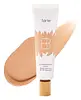
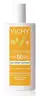
Tarte BB Tinted Treatment 12-Hour Primer Broad Spectrum SPF 30 Sunscreen Versus Vichy Capital Soleil Tinted 100% Mineral Sunscreen SPF 60
This mineral sunscreen covers the full UV range and blocks ~97% of UVB at SPF 30.
This sunscreen offers SPF 60 protection with a matte finish that helps control shine.


What's inside
What's inside
 Key Ingredients
Benefits
Concerns
Ingredients Side-by-side
Titanium Dioxide
Cosmetic Colorant

Zinc Oxide
Cosmetic Colorant
Cyclopentasiloxane
Emollient
Isododecane
EmollientMica
Cosmetic ColorantPolysilicone-11
Polymethylsilsesquioxane
Hexyl Laurate
Emollient

PEG-10 Dimethicone
Skin Conditioning
Polyglyceryl-4 Isostearate
Emulsifying
Stearic Acid
Cleansing

Cetyl PEG/PPG-10/1 Dimethicone
Emulsifying
Alumina
Abrasive
Triethoxycaprylylsilane
Dipalmitoyl Hydroxyproline
Skin Conditioning
Diamond Powder
Abrasive
Iron Oxides
Titanium Dioxide, Zinc Oxide, Cyclopentasiloxane, Isododecane, Mica, Polysilicone-11, Polymethylsilsesquioxane, Hexyl Laurate, PEG-10 Dimethicone, Polyglyceryl-4 Isostearate, Stearic Acid, Cetyl PEG/PPG-10/1 Dimethicone, Alumina, Triethoxycaprylylsilane, Dipalmitoyl Hydroxyproline, Diamond Powder, Iron Oxides
Water
Skin ConditioningIsododecane
EmollientDimethicone
Emollient
C12-15 Alkyl Benzoate
AntimicrobialUndecane
EmollientStyrene/Acrylates Copolymer
Caprylyl Methicone
Skin Conditioning
Nylon-12
Butyloctyl Salicylate
Skin Conditioning
Phenethyl Benzoate
Emollient

Dicaprylyl Carbonate
EmollientSilica
Abrasive
Triethylhexanoin
MaskingIsohexadecane
EmollientTridecane
Perfuming
Dicaprylyl Ether
Emollient
Talc
Abrasive
Dimethicone/PEG-10/15 Crosspolymer
Aluminum Hydroxide
EmollientStearic Acid
Cleansing
PEG-9 Polydimethylsiloxyethyl Dimethicone
Emulsifying
Pentylene Glycol
Skin Conditioning
Alumina
Abrasive
Aluminum Stearate
Cosmetic ColorantBenzoic Acid
Masking

Benzyl Benzoate
Antimicrobial

Caprylyl Glycol
Emollient
Dipropylene Glycol
HumectantDisodium Stearoyl Glutamate
CleansingDisteardimonium Hectorite
StabilisingHelianthus Annuus Seed Oil
Emollient
Iron Oxides
Magnesium Sulfate
PEG-8 Laurate
Emulsifying
Phenoxyethanol
Preservative
Polyhydroxystearic Acid
Emulsifying
Propylene Carbonate
SolventSodium Citrate
BufferingSodium Dodecylbenzenesulfonate
CleansingTocopherol
Antioxidant





Water, Isododecane, Dimethicone, C12-15 Alkyl Benzoate, Undecane, Styrene/Acrylates Copolymer, Caprylyl Methicone, Nylon-12, Butyloctyl Salicylate, Phenethyl Benzoate, Dicaprylyl Carbonate, Silica, Triethylhexanoin, Isohexadecane, Tridecane, Dicaprylyl Ether, Talc, Dimethicone/PEG-10/15 Crosspolymer, Aluminum Hydroxide, Stearic Acid, PEG-9 Polydimethylsiloxyethyl Dimethicone, Pentylene Glycol, Alumina, Aluminum Stearate, Benzoic Acid, Benzyl Benzoate, Caprylyl Glycol, Dipropylene Glycol, Disodium Stearoyl Glutamate, Disteardimonium Hectorite, Helianthus Annuus Seed Oil, Iron Oxides, Magnesium Sulfate, PEG-8 Laurate, Phenoxyethanol, Polyhydroxystearic Acid, Propylene Carbonate, Sodium Citrate, Sodium Dodecylbenzenesulfonate, Tocopherol
Ingredients Explained
These ingredients are found in both products.
Ingredients higher up in an ingredient list are typically present in a larger amount.
Alumina (aka aluminum oxide) is an inorganic mineral powder refined from bauxite that works as a quiet workhorse in a formula.
It shows up often as an abrasive, absorbent, anticaking, bulking, and viscosity-controlling agent.
One of its most common jobs is acting as a pigment carrier and dispersant.
Alumina platelets are often blended with inorganic sunscreens like Titanium Dioxide (or with colorants) and then coated with a silicone such as Triethoxycaprylylsilane so the pigment spreads evenly and smoothly.
In makeup, it can also double as a light-diffusing powder or oil absorber to keep formulas from looking greasy.
The Cosmetic Ingredient Review Expert Panel has concluded alumina to be safe in present practices of use and concentration.
They note it's a stable, oxidized compound and scientific research has failed to establish links to health issues.
Concentrations vary depending on the product:
Learn more about AluminaIsododecane is a fragrance, emollient, and solvent.
As an emollient, it helps your skin stay soft and hydrated. Emollients help trap moisture into your skin.
Isododecane's role as a solvent makes it a great texture enhancer. It spreads smoothly on skin and does not leave a sticky feeling behind. Isododecane also helps prevent color transfer in makeup products.
Isododecane is not absorbed into skin.
The chemical name for this ingredient is 2,2,4,6,6-PENTAMETHYLHEPTANE.
Learn more about IsododecaneStearic Acid is a fatty acid that is already found in your skin. It's one of the free fatty acids that works alongside ceramides and cholesterols to maintain your barrier.
In cosmetics, it is a multitasker:
Safety-wise, the CIR Expert Panel has concluded it to be safe in cosmetics when formulated to be non-irritating and non-sensitizing.
Free stearic acid is a C18 fatty acid that the Malassezia yeast can substrate, so this ingredient may not be fungal acne safe.
This ingredient does have a comedogenic rating of 2-3, but this doesn't mean a formula with this ingredient will clog pores.
Human testing has proved that any finished product with this ingredient won't automatically make you break out; it really comes down to concentration, formula, and your skin.
Learn more about Stearic AcidThis ingredient is a combination of red, black, and yellow iron oxide pigments. This combination of colors is usually found in foundation, because it results in a "skin" color.
The EU typically uses CI numbers for colorants when applicable, such as CI 77489. In the US, iron oxides are regulated as color additives and "iron oxides" is the most commonly used name in US cosmetic practice.
A 2021 paper looked at skincare formulations containing iron oxides and found that they reduced transmission of blue light when measured optically. In simple terms, the pigment particles helped block or scatter part of the visible light spectrum in lab testing and the authors suggest this could translate into better protection against blue-light-related skin effects.
There is also clinical and experimental research showing that tinted products containing iron oxides can reduce visible light-induced pigmentation:
Please note, whether a product reduces visible or blue light depends on things like:
In the EU's CosIng database, iron oxides are only listed as a colorant. CosIng groups ingredients by their main cosmetic role, such as colorant, preservative, or UV filter.
Though studies say iron oxides can "attenuate blue light", they're describing an optical property and not an officially recognized cosmetic function.
So CosIng isn’t contradicting the research. It’s just classifying iron oxides by what they officially are: pigments that add color.
Learn more about Iron Oxides

