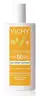
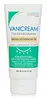
Vichy Capital Soleil Tinted 100% Mineral Sunscreen SPF 60 Versus Vanicream Facial Moisturizer Broad Spectrum SPF 30
This sunscreen offers SPF 60 protection with a matte finish that helps control shine.
This mineral sunscreen covers the full UV range and blocks ~97% of UVB at SPF 30.


What's inside
What's inside
 Key Ingredients
Benefits
Concerns
Ingredients Side-by-side
Water
Skin ConditioningIsododecane
EmollientDimethicone
Emollient

C12-15 Alkyl Benzoate
AntimicrobialUndecane
EmollientStyrene/Acrylates Copolymer
Caprylyl Methicone
Skin Conditioning
Nylon-12


Butyloctyl Salicylate
Skin Conditioning
Phenethyl Benzoate
Emollient

Dicaprylyl Carbonate
EmollientSilica
Abrasive

Triethylhexanoin
MaskingIsohexadecane
EmollientTridecane
Perfuming
Dicaprylyl Ether
Emollient
Talc
Abrasive
Dimethicone/PEG-10/15 Crosspolymer
Aluminum Hydroxide
EmollientStearic Acid
Cleansing


PEG-9 Polydimethylsiloxyethyl Dimethicone
Emulsifying
Pentylene Glycol
Skin Conditioning
Alumina
Abrasive
Aluminum Stearate
Cosmetic ColorantBenzoic Acid
Masking

Benzyl Benzoate
Antimicrobial

Caprylyl Glycol
Emollient
Dipropylene Glycol
HumectantDisodium Stearoyl Glutamate
CleansingDisteardimonium Hectorite
StabilisingHelianthus Annuus Seed Oil
Emollient
Iron Oxides
Magnesium Sulfate
PEG-8 Laurate
Emulsifying
Phenoxyethanol
Preservative
Polyhydroxystearic Acid
Emulsifying
Propylene Carbonate
SolventSodium Citrate
BufferingSodium Dodecylbenzenesulfonate
CleansingTocopherol
Antioxidant





Water, Isododecane, Dimethicone, C12-15 Alkyl Benzoate, Undecane, Styrene/Acrylates Copolymer, Caprylyl Methicone, Nylon-12, Butyloctyl Salicylate, Phenethyl Benzoate, Dicaprylyl Carbonate, Silica, Triethylhexanoin, Isohexadecane, Tridecane, Dicaprylyl Ether, Talc, Dimethicone/PEG-10/15 Crosspolymer, Aluminum Hydroxide, Stearic Acid, PEG-9 Polydimethylsiloxyethyl Dimethicone, Pentylene Glycol, Alumina, Aluminum Stearate, Benzoic Acid, Benzyl Benzoate, Caprylyl Glycol, Dipropylene Glycol, Disodium Stearoyl Glutamate, Disteardimonium Hectorite, Helianthus Annuus Seed Oil, Iron Oxides, Magnesium Sulfate, PEG-8 Laurate, Phenoxyethanol, Polyhydroxystearic Acid, Propylene Carbonate, Sodium Citrate, Sodium Dodecylbenzenesulfonate, Tocopherol
Zinc Oxide
Cosmetic Colorant
Water
Skin ConditioningC12-15 Alkyl Benzoate
AntimicrobialIsopentyldiol
Humectant
Squalane
Emollient
Glycerin
Humectant
Coco-Caprylate/Caprate
Emollient
Bis-Octyldodecyl Dimer Dilinoleate/Propanediol Copolymer
EmollientGlyceryl Stearate
Emollient
PEG-100 Stearate
Surfactant
Polyhydroxystearic Acid
Emulsifying
Cetearyl Alcohol
Emollient
Sucrose Stearate
EmollientCeramide EOP
Skin Conditioning

Ceramide Ng
Skin Conditioning
Ceramide NP
Skin Conditioning
Ceramide As
Skin Conditioning
Ceramide AP
Skin Conditioning
Carnosine
Skin Conditioning
Phytosterols
Skin Conditioning
Hydrogenated Lecithin
Emulsifying
Dimethicone
Emollient
Triethoxycaprylylsilane
Polyacrylate Crosspolymer-11
Emulsion StabilisingCaprylyl Glycol
Emollient
1,2-Hexanediol
Skin Conditioning
Zinc Oxide, Water, C12-15 Alkyl Benzoate, Isopentyldiol, Squalane, Glycerin, Coco-Caprylate/Caprate, Bis-Octyldodecyl Dimer Dilinoleate/Propanediol Copolymer, Glyceryl Stearate, PEG-100 Stearate, Polyhydroxystearic Acid, Cetearyl Alcohol, Sucrose Stearate, Ceramide EOP, Ceramide Ng, Ceramide NP, Ceramide As, Ceramide AP, Carnosine, Phytosterols, Hydrogenated Lecithin, Dimethicone, Triethoxycaprylylsilane, Polyacrylate Crosspolymer-11, Caprylyl Glycol, 1,2-Hexanediol
Reviews
Ingredients Explained
These ingredients are found in both products.
Ingredients higher up in an ingredient list are typically present in a larger amount.
C12-15 Alkyl Benzoate is a lightweight emollient made by combinig benzoic acid with fatty alcohols that are 12-15 carbons long.
In cosmetics, it plays several roles:
The Cosmetic Review Expert Panel has concluded the alkyl benzoate group to be safe as used in cosmetics; it wasn't found to be a skin irritant and unlikely to be absorbed due to its low water solubility.
This report recorded almost 1000 reported uses with concentrations up to 59% in leave-on products but your cosmetics will typically use 0.5-15% depending on the product.
It's often called a "SPF booster": this is because it keeps UV filters properly dissolved and evenly distributed to support a sunscreen's performance. It doesn't actually raise SPF on its own.
Overall, this ingredient is well tolerated.
This ingredient is fungal acne safe because it is an ester of benzoic acid.
Think of this ingredient as two parts stuck together: an oily part and an acid part. Malassezia only gets a meal when it can snip off a fatty acid to eat. With C12-15 Alkyl Benzoate, the acid part is benzoic acid, which isn't a fatty acid and which the yeast can't use as food.
Benzoic acid is actually used as a preservative to stop yeast from growing.
The oily part is a blend of C12-15 fatty alcohols but fatty alcohols in this size range can support only a little Malassezia growth (mostly for one species of Malassezia as well).
In the ingredient, those alcohols stay locked inside the molecule. The yeast can only reach them by snipping the benzoate bond, and that type of bond is harder for it to cut than a normal fatty bond.
So not much gets released. And whatever does get snipped comes packaged with benzoic acid, which discourages yeast growth.
Learn more about C12-15 Alkyl BenzoateCaprylyl Glycol is a humectant, skin conditioner, emollient, and preservative booster derived from either caprylic acid or synthetically created.
Typical use levels vary from 0.3-1% as a preservative booster and go up to 2% to condition skin.
Because it is not a free-fatty acid, this ingredient is fungal acne safe (there's nothing for Malassezia to feed on).
Learn more about Caprylyl GlycolDimethicone is a type of synthetic silicone created from natural materials such as quartz. It is also known as polydimethylsiloxane.
What it does:
Dimethicone comes in different viscosities:
Depending on the viscosity, dimethicone has different properties.
Ingredients lists don't always show which type is used, so we recommend reaching out to the brand if you have questions about the viscosity.
This ingredient is unlikely to cause irritation because it does not get absorbed into skin. However, people with silicone allergies should be careful about using this ingredient.
Note: Dimethicone may contribute to pilling. This is because it is not oil or water soluble, so pilling may occur when layered with products. When mixed with heavy oils in a formula, the outcome is also quite greasy.
Learn more about DimethiconePolyhydroxystearic Acid is a vegetable-derived soft wax made from castor oil. It's an emulsion stabilizer, thickener, and film former.
You'll likely see it in sunscreens because it helps disperse pigments and UV-reflecting minerals like titanium dioxide and zinc oxide evenly.
Depending on the concentration, it can drastically change the texture of a product from pasty solid (like lipstick) to sprayable liquid.
The CIR Expert Panel for Cosmetic Ingredient Safety has concluded this ingredient to be safe in cosmetics. The highest reported use concentration is 14.2% in lipsticks.
Learn more about Polyhydroxystearic AcidWater. It's the most common cosmetic ingredient of all. You'll usually see it at the top of ingredient lists, meaning that it makes up the largest part of the product.
So why is it so popular? Water most often acts as a solvent - this means that it helps dissolve other ingredients into the formulation.
You'll also recognize water as that liquid we all need to stay alive. If you see this, drink a glass of water. Remember to stay hydrated!
Learn more about Water

