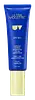
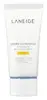
Ultra Violette Supreme Screen SPF 50+ Versus Laneige Hydro UV Defense Sunscreen Broad Spectrum SPF 50+
This chemical sunscreen covers the full UV range and blocks ~98% of UVB at SPF 50.
This chemical sunscreen covers most of the UV range, lighter on the deep UVA that drives aging.


What's inside
What's inside
 Key Ingredients
Benefits
Concerns
Ingredients Side-by-side
Ethylhexyl Methoxycinnamate 10%
UV Absorber


Bis-Ethylhexyloxyphenol Methoxyphenyl Triazine 3%
Skin Conditioning
Methylene Bis-Benzotriazolyl Tetramethylbutylphenol 2.5%
UV Filter
Water
Skin ConditioningIsostearyl Neopentanoate
Emollient

Cyclopentasiloxane
Emollient
Alcohol
Antimicrobial


Cyclohexasiloxane
Emollient
Glycerin
Humectant


Butylene Glycol
Humectant
Dimethicone
Emollient
Cetearyl Alcohol
Emollient



Hydroxyethyl Acrylate/Sodium Acryloyldimethyl Taurate Copolymer
Emulsion StabilisingNylon 6/12
AbsorbentCeteareth-20
CleansingSqualane
Emollient
Caprylyl Glycol
Emollient
PEG-40 Stearate
Emulsifying
Silica
Abrasive


Saccharide Isomerate
Humectant
Decyl Glucoside
Cleansing
Tocopheryl Acetate
Antioxidant


Disodium EDTA
Polysorbate 60
Emulsifying
Caprylhydroxamic Acid
Pentylene Glycol
Skin Conditioning
Parfum
Masking

Triethanolamine
BufferingTerminalia Ferdinandiana Fruit Extract
Antioxidant
Propylene Glycol
Humectant
Xanthan Gum
EmulsifyingCitric Acid
Buffering
Sodium Chloride
MaskingCarnosine
Skin Conditioning
CI 77492
Cosmetic ColorantCI 77491
Cosmetic ColorantCI 77499
Cosmetic ColorantEthylhexyl Methoxycinnamate 10%, Bis-Ethylhexyloxyphenol Methoxyphenyl Triazine 3%, Methylene Bis-Benzotriazolyl Tetramethylbutylphenol 2.5%, Water, Isostearyl Neopentanoate, Cyclopentasiloxane, Alcohol, Cyclohexasiloxane, Glycerin, Butylene Glycol, Dimethicone, Cetearyl Alcohol, Hydroxyethyl Acrylate/Sodium Acryloyldimethyl Taurate Copolymer, Nylon 6/12, Ceteareth-20, Squalane, Caprylyl Glycol, PEG-40 Stearate, Silica, Saccharide Isomerate, Decyl Glucoside, Tocopheryl Acetate, Disodium EDTA, Polysorbate 60, Caprylhydroxamic Acid, Pentylene Glycol, Parfum, Triethanolamine, Terminalia Ferdinandiana Fruit Extract, Propylene Glycol, Xanthan Gum, Citric Acid, Sodium Chloride, Carnosine, CI 77492, CI 77491, CI 77499
Butyl Methoxydibenzoylmethane 2.5%
UV Absorber
Homosalate 9%
Skin Conditioning
Octocrylene 9%
UV Absorber
Ethylhexyl Salicylate 4.5%
UV Absorber
Water
Skin ConditioningPropanediol
Solvent
Butyloctyl Salicylate
Skin Conditioning
Glycerin
Humectant
Dimethicone
Emollient
Silica
Abrasive
Diphenylsiloxy Phenyl Trimethicone
Skin Conditioning
Behenyl Alcohol
Emollient
Trisiloxane
Skin Conditioning
Vp/Eicosene Copolymer
Cyclopentasiloxane
Emollient
Trimethylsiloxysilicate
Emollient
C14-22 Alcohols
Emulsion Stabilising
Ceramide AP
Skin Conditioning

1,2-Hexanediol
Skin Conditioning
Glyceryl Stearate
Emollient
PEG-100 Stearate
Surfactant
Phenyl Trimethicone
Skin Conditioning
Cetyl Alcohol
Emollient
Potassium Cetyl Phosphate
EmulsifyingCaprylyl Methicone
Skin Conditioning
Polyacrylate-13
Parfum
Masking
Polyisobutene
C12-20 Alkyl Glucoside
EmulsifyingEthylhexylglycerin
Skin ConditioningDisodium EDTA
Polysorbate 20
Emulsifying
Sorbitan Isostearate
Emulsifying
Lavandula Angustifolia Flower Water
Skin Conditioning
Butylphenyl Methylpropional
Perfuming
Hydroxycitronellal
Perfuming
Limonene
Perfuming
Benzyl Salicylate
Perfuming
Alpha-Isomethyl Ionone
Perfuming
Geraniol
Perfuming
Citronellol
Perfuming
Butylene Glycol
Humectant
Glucose
Humectant
Aloe Barbadensis Leaf Extract
Emollient
Pentylene Glycol
Skin Conditioning
Centella Asiatica Flower/Leaf/Stem Extract
Skin Conditioning
Brassica Oleracea Italica Extract
AstringentHibiscus Abelmoschus Extract
MaskingMagnesium Sulfate
Calcium Chloride
AstringentTocopherol
Antioxidant
Xanthan Gum
EmulsifyingCitric Acid
Buffering
Sodium Benzoate
Masking
Potassium Sorbate
Preservative
Manganese Sulfate
Skin ConditioningChenopodium Quinoa Seed Extract
Skin Conditioning
Zinc Sulfate
Antimicrobial
Ascorbyl Glucoside
Antioxidant
Butyl Methoxydibenzoylmethane 2.5%, Homosalate 9%, Octocrylene 9%, Ethylhexyl Salicylate 4.5%, Water, Propanediol, Butyloctyl Salicylate, Glycerin, Dimethicone, Silica, Diphenylsiloxy Phenyl Trimethicone, Behenyl Alcohol, Trisiloxane, Vp/Eicosene Copolymer, Cyclopentasiloxane, Trimethylsiloxysilicate, C14-22 Alcohols, Ceramide AP, 1,2-Hexanediol, Glyceryl Stearate, PEG-100 Stearate, Phenyl Trimethicone, Cetyl Alcohol, Potassium Cetyl Phosphate, Caprylyl Methicone, Polyacrylate-13, Parfum, Polyisobutene, C12-20 Alkyl Glucoside, Ethylhexylglycerin, Disodium EDTA, Polysorbate 20, Sorbitan Isostearate, Lavandula Angustifolia Flower Water, Butylphenyl Methylpropional, Hydroxycitronellal, Limonene, Benzyl Salicylate, Alpha-Isomethyl Ionone, Geraniol, Citronellol, Butylene Glycol, Glucose, Aloe Barbadensis Leaf Extract, Pentylene Glycol, Centella Asiatica Flower/Leaf/Stem Extract, Brassica Oleracea Italica Extract, Hibiscus Abelmoschus Extract, Magnesium Sulfate, Calcium Chloride, Tocopherol, Xanthan Gum, Citric Acid, Sodium Benzoate, Potassium Sorbate, Manganese Sulfate, Chenopodium Quinoa Seed Extract, Zinc Sulfate, Ascorbyl Glucoside
Reviews
Ingredients Explained
These ingredients are found in both products.
Ingredients higher up in an ingredient list are typically present in a larger amount.
Butylene Glycol (or BG) is used within cosmetic products for a few different reasons:
Overall, Butylene Glycol is a safe and well-rounded ingredient that works well with other ingredients.
Though this ingredient works well with most skin types, some people with sensitive skin may experience a reaction such as allergic rashes, closed comedones, or itchiness.
Learn more about Butylene GlycolCitric Acid is an alpha hydroxy acid (AHA) naturally found in citrus fruits like oranges, lemons, and limes.
Like other AHAs, citric acid can exfoliate skin by breaking down the bonds that hold dead skin cells together. This helps reveal smoother and brighter skin underneath.
However, this exfoliating effect only happens at high concentrations (20%) which can be hard to find in cosmetic products.
Due to this, citric acid is usually included in small amounts as a pH adjuster. This helps keep products slightly more acidic and compatible with skin's natural pH.
In skincare formulas, citric acid can:
While it can provide some skin benefits, research shows lactic acid and glycolic acid are generally more effective and less irritating exfoliants.
Most citric acid used in skincare today is made by fermenting sugars (usually from molasses). This synthetic version is identical to the natural citrus form but easier to stabilize and use in formulations.
Read more about some other popular AHA's here:
Learn more about Citric AcidCyclopentasiloxane (D5) is a lightweight silicone that mostly acts as an emollient and solvent in cosmetics. Its the reason your products feel silky, fast-spreading, and non-greasy.
Since D5 is volatile, it does its thing and then evaporates off the skin quickly.
The safety profile of this ingredient is reassuring; the US CIR Expert Panel concluded D5 is safe as used in cosmetics and Health Canada concluded that D5 is not harmful to human health or the environment as currently used in cosmetics
There's a study that people mention about D5 in a rat study showing tumors. This study is related to long-term inhalation of high D5 levels.
Regulatory bodies have judged this study to be not applicable in topical skincare since skin absorption of D5 is very low and we're not really inhaling huge amounts of D5.
The only restriction for this ingredient is environmental. The European Chemicals Agency (ECHA) restricted D5 in wash-off cosmetics at or above 0.1% due to their persistence in water.
Learn more about CyclopentasiloxaneDimethicone is a type of synthetic silicone created from natural materials such as quartz. It is also known as polydimethylsiloxane.
What it does:
Dimethicone comes in different viscosities:
Depending on the viscosity, dimethicone has different properties.
Ingredients lists don't always show which type is used, so we recommend reaching out to the brand if you have questions about the viscosity.
This ingredient is unlikely to cause irritation because it does not get absorbed into skin. However, people with silicone allergies should be careful about using this ingredient.
Note: Dimethicone may contribute to pilling. This is because it is not oil or water soluble, so pilling may occur when layered with products. When mixed with heavy oils in a formula, the outcome is also quite greasy.
Learn more about DimethiconeDisodium EDTA is a chelating agent. It grabs onto and deactivates metal ions that sneak into your products from water, packaging, or air.
This ingredient mainly works behind the scenes and helps with:
On top of that, this ingredient can counteract the effects of hard water by binding to the minerals in it.
One thing worth knowing is that Disodium EDTA has been shown to be a mild penetration enhancer. It can help other ingredients absorb into skin more effectively which can be a double-edged sword (great for actives, but can also make the active too strong if you have sensitive skin).
Clinical patch testing showed no significant skin irritation at typical use concentrations and minimal dermal absorption.
You'll most likely see this ingredient near the end of an ingredient list. It's typically found in concentrations less than 1%.
Learn more about Disodium EDTAGlycerin (or glycerol) is a compound naturally found in your skin. It's a powerhouse humectant that pulls water into the stratum corneum.
Topically, glycerin does several things at once:
Your skin makes glycerin on its own (mostly from sebaceous oil breakdown) and shuttles it to your outermost layer of skin, or your epidermis, via aquaporin-3.
Aquaporin-3 is a transporter that is essential for normal skin hydration, elasticity, and repair. Interestingly, mice lacking in AQP3 have dry and less elastic skin that can be fully corrected with glycerin.
This ingredient is non-irritating, plays well with almost every ingredient, and works across all skin types. Typical use is anywhere between 3-10% but can go up to 79% in some leave-on products.
Just know very high concentrations (>40%) can feel tacky in low humidity.
Glycerin is the name for this ingredient in American English. British English uses Glycerol/Glycerine.
Learn more about GlycerinParfum is a catch-all term for an ingredient or more that is used to give a scent to products.
Also called "fragrance", this ingredient can be a blend of hundreds of chemicals or plant oils. This means every product with "fragrance" or "parfum" in the ingredients list is a different mixture.
For instance, Habanolide is a proprietary trade name for a specific aroma chemical. When used as a fragrance ingredient in cosmetics, most aroma chemicals fall under the broad labeling category of “FRAGRANCE” or “PARFUM” according to EU and US regulations.
The term 'parfum' or 'fragrance' is not regulated in many countries. In many cases, it is up to the brand to define this term.
For instance, many brands choose to label themselves as "fragrance-free" because they are not using synthetic fragrances. However, their products may still contain ingredients such as essential oils that are considered a fragrance by INCI standards.
One example is Calendula flower extract. Calendula is an essential oil that still imparts a scent or 'fragrance'.
Depending on the blend, the ingredients in the mixture can cause allergies and sensitivities on the skin. Some ingredients that are known EU allergens include linalool and citronellol.
Parfum can also be used to mask or cover an unpleasant scent.
The bottom line is: not all fragrances/parfum/ingredients are created equally. If you are worried about fragrances, we recommend taking a closer look at an ingredient. And of course, we always recommend speaking with a professional.
Learn more about ParfumPentylene Glycol (1,2-pentanediol) is a multitasking little diol with three main roles in a formula:
Research on alkanediols (the family pentylene glycol belongs to) show they work by disrupting microbial cell membranes. This disruption helps the primary preservative system in a product work more effectively at lower doses.
On the safety side, the Cosmetic Ingredient Review Expert Panel has concluded this ingredient to be safe as used in current cosmetic practices + concentrations.
Typical use levels in a formula run about 1-5%.
Learn more about Pentylene GlycolSilica, also known as silicon dioxide, is a naturally occurring mineral. It is used as a fine, spherical, and porous powder in cosmetics.
Though it has exfoliant properties, the function of silica varies depending on the product.
The unique structure of silica enhances the spreadability and adds smoothness, making it a great texture enhancer.
It is also used as an active carrier, emulsifier, and mattifier due to its ability to absorb excess oil.
In some products, tiny microneedles called spicules are made from silica or hydrolyzed sponge. When you rub them in, they lightly polish away dead skin layers and enhance the penetration of active ingredients.
Learn more about SilicaWater. It's the most common cosmetic ingredient of all. You'll usually see it at the top of ingredient lists, meaning that it makes up the largest part of the product.
So why is it so popular? Water most often acts as a solvent - this means that it helps dissolve other ingredients into the formulation.
You'll also recognize water as that liquid we all need to stay alive. If you see this, drink a glass of water. Remember to stay hydrated!
Learn more about WaterXanthan gum is used as a stabilizer and thickener within cosmetic products. It helps give products a sticky, thick feeling - preventing them from being too runny.
On the technical side of things, xanthan gum is a polysaccharide - a combination consisting of multiple sugar molecules bonded together.
Xanthan gum is a pretty common and great ingredient. It is a natural, non-toxic, non-irritating ingredient that is also commonly used in food products.
Learn more about Xanthan Gum

