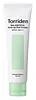
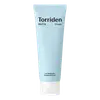
Torriden Balanceful Cica Tone-up Sun Cream SPF50 PA++++ Versus Torriden Dive-In Low Molecule Hyaluronic Acid Cream
This hybrid sunscreen covers the full UV range and blocks ~98% of UVB at SPF 50.
This barrier-repair moisturizer is formulated around Sodium Hyaluronate and Ceramide NP to strengthen the skin barrier and hydrate skin.

What's inside
What's inside
 Key Ingredients
Benefits
Concerns
Ingredients Side-by-side
Water
Skin ConditioningZinc Oxide
Cosmetic Colorant


Propanediol
Solvent

Butyloctyl Salicylate
Skin Conditioning
Methyl Trimethicone
Skin Conditioning
Cyclohexasiloxane
Emollient
Coco-Caprylate/Caprate
Emollient
Isododecane
EmollientTriethylhexanoin
MaskingNiacinamide
Smoothing









Dicaprylyl Carbonate
EmollientPropylheptyl Caprylate
EmollientMethyl Methacrylate Crosspolymer
Centella Asiatica Extract
Cleansing
Madecassic Acid
Skin Conditioning
Asiaticoside
Antioxidant
Asiatic Acid
Skin Conditioning
Madecassoside
Antioxidant
Panthenol
Skin Conditioning
Allantoin
Skin Conditioning
Lactobacillus Ferment
Skin Conditioning
Althaea Rosea Flower Extract
Skin ConditioningAdenosine
Skin Conditioning
Tocopherol
Antioxidant
Caprylyl Methicone
Skin Conditioning
Lauryl Polyglyceryl-3 Polydimethylsiloxyethyl Dimethicone
Skin Conditioning
1,2-Hexanediol
Skin Conditioning
Caprylyl Glycol
Emollient
Glyceryl Caprylate
EmollientPolyglyceryl-3 Polydimethylsiloxyethyl Dimethicone
Skin Conditioning
Magnesium Sulfate
Dipropylene Glycol
HumectantTriethoxycaprylylsilane
Mica
Cosmetic ColorantPolyglyceryl-2 Dipolyhydroxystearate
Skin Conditioning

Disteardimonium Hectorite
StabilisingLauryl Dimethicone/Polyglycerin-3 Crosspolymer
Cleansing
Aluminum Hydroxide
EmollientCI 77891
Cosmetic ColorantCI 77288
Cosmetic ColorantSodium Citrate
BufferingSwertia Japonica Extract
Skin ConditioningNymphaea Caerulea Flower Extract
Skin ConditioningWater, Zinc Oxide, Propanediol, Butyloctyl Salicylate, Methyl Trimethicone, Cyclohexasiloxane, Coco-Caprylate/Caprate, Isododecane, Triethylhexanoin, Niacinamide, Dicaprylyl Carbonate, Propylheptyl Caprylate, Methyl Methacrylate Crosspolymer, Centella Asiatica Extract, Madecassic Acid, Asiaticoside, Asiatic Acid, Madecassoside, Panthenol, Allantoin, Lactobacillus Ferment, Althaea Rosea Flower Extract, Adenosine, Tocopherol, Caprylyl Methicone, Lauryl Polyglyceryl-3 Polydimethylsiloxyethyl Dimethicone, 1,2-Hexanediol, Caprylyl Glycol, Glyceryl Caprylate, Polyglyceryl-3 Polydimethylsiloxyethyl Dimethicone, Magnesium Sulfate, Dipropylene Glycol, Triethoxycaprylylsilane, Mica, Polyglyceryl-2 Dipolyhydroxystearate, Disteardimonium Hectorite, Lauryl Dimethicone/Polyglycerin-3 Crosspolymer, Aluminum Hydroxide, CI 77891, CI 77288, Sodium Citrate, Swertia Japonica Extract, Nymphaea Caerulea Flower Extract
Water
Skin ConditioningButylene Glycol
Humectant
Glycerin
Humectant
Dipropylene Glycol
HumectantCaprylic/Capric Triglyceride
Masking
1,2-Hexanediol
Skin Conditioning
C14-22 Alcohols
Emulsion Stabilising
Glyceryl Stearate
Emollient
Ethylhexyl Palmitate
Emollient


Cetearyl Alcohol
Emollient
Sodium Hyaluronate
Humectant
Hydrolyzed Hyaluronic Acid
Humectant
Sodium Acetylated Hyaluronate
Humectant
Sodium Hyaluronate Crosspolymer
Humectant
Hydrolyzed Sodium Hyaluronate
Skin Conditioning
Simmondsia Chinensis Seed Oil
Emollient
Macadamia Integrifolia Seed Oil
Skin Conditioning
Argania Spinosa Kernel Oil
Emollient
Trehalose
Humectant
Sh-Oligopeptide-1
Skin Conditioning
Allantoin
Skin Conditioning
Propanediol
Solvent
Betaine
Humectant
Beta-Glucan
Skin Conditioning
Ceramide NP
Skin Conditioning
Portulaca Oleracea Extract
Skin Conditioning
Hamamelis Virginiana Extract
Antiseborrhoeic

Morus Nigra Fruit Extract
Skin ConditioningLycium Chinense Fruit Extract
Antioxidant
Fragaria Chiloensis Fruit Extract
Skin Conditioning
Berberis Vulgaris Root Extract
AntimicrobialMadecassoside
Antioxidant
Madecassic Acid
Skin Conditioning
Cetearyl Olivate
Sorbitan Olivate
Emulsifying
Malachite Extract
Antioxidant
Pentylene Glycol
Skin Conditioning
Dimethicone/Vinyl Dimethicone Crosspolymer
Skin Conditioning
C12-20 Alkyl Glucoside
EmulsifyingPolyglyceryl-10 Myristate
Skin Conditioning
Glyceryl Acrylate/Acrylic Acid Copolymer
HumectantXanthan Gum
EmulsifyingArginine
Masking
Carbomer
Emulsion StabilisingTromethamine
BufferingEthylhexylglycerin
Skin ConditioningScutellaria Baicalensis Root Extract
Astringent
Paeonia Suffruticosa Root Extract
Skin ProtectingWater, Butylene Glycol, Glycerin, Dipropylene Glycol, Caprylic/Capric Triglyceride, 1,2-Hexanediol, C14-22 Alcohols, Glyceryl Stearate, Ethylhexyl Palmitate, Cetearyl Alcohol, Sodium Hyaluronate, Hydrolyzed Hyaluronic Acid, Sodium Acetylated Hyaluronate, Sodium Hyaluronate Crosspolymer, Hydrolyzed Sodium Hyaluronate, Simmondsia Chinensis Seed Oil, Macadamia Integrifolia Seed Oil, Argania Spinosa Kernel Oil, Trehalose, Sh-Oligopeptide-1, Allantoin, Propanediol, Betaine, Beta-Glucan, Ceramide NP, Portulaca Oleracea Extract, Hamamelis Virginiana Extract, Morus Nigra Fruit Extract, Lycium Chinense Fruit Extract, Fragaria Chiloensis Fruit Extract, Berberis Vulgaris Root Extract, Madecassoside, Madecassic Acid, Cetearyl Olivate, Sorbitan Olivate, Malachite Extract, Pentylene Glycol, Dimethicone/Vinyl Dimethicone Crosspolymer, C12-20 Alkyl Glucoside, Polyglyceryl-10 Myristate, Glyceryl Acrylate/Acrylic Acid Copolymer, Xanthan Gum, Arginine, Carbomer, Tromethamine, Ethylhexylglycerin, Scutellaria Baicalensis Root Extract, Paeonia Suffruticosa Root Extract
Reviews
Ingredients Explained
These ingredients are found in both products.
Ingredients higher up in an ingredient list are typically present in a larger amount.
1,2-Hexanediol is a synthetic liquid and another multi-functional powerhouse.
It is a:
- Humectant, drawing moisture into the skin
- Emollient, helping to soften skin
- Solvent, dispersing and stabilizing formulas
- Preservative booster, enhancing the antimicrobial activity of other preservatives
Allantoin is a soothing ingredient known for its protective and moisturizing properties; it's basically a quiet workhorse ingredient you can find in a huge range of cosmetics.
Though it can be derived from the comfrey plant, allantoin is produced synthetically for cosmetic products to ensure purity.
Research shows it can encourage your skin cells to turn over and renew by stimulating keratinocyte and fibroblast proliferation.
It also has mild keratolytic properties to help loosen and shed dead skin cells without being harsh.
Studies also suggest allantoin can help calm inflammation by dialing down some of the chemical signals your skin sends out when it is irritated.
This ingredient is typically used in the 0.1-0.5% range, and the FDA recognizes it as a skin protectant in OTC products up to 2%.
Overall, allantoin is a wonderful addition to most routines; it is stable across a wide pH range (~4-8), works well with other ingredients, and is considered non-sensitizing/non-irritating.
Fun fact: Allantoin is naturally occurring in comfrey root, beets, chamomile, and wheat sprouts. Our bodies even produce it as a byproduct of uric acid metabolism.
Learn more about AllantoinDipropylene Glycol is a synthetically created humectant, stabilizer, and solvent.
This ingredient helps:
Dipropylene glycol is technically an alcohol, but it belongs to the glycol family (often considered part of the ‘good’ alcohols). This means it is hydrating and gentle on skin unlike drying solvent alcohols like denatured alcohol.
As a masking agent, Dipropylene Glycol can be used to cover the smell of other ingredients. However, it does not have a scent.
Studies show Dipropylene Glycol is considered safe to use in skincare.
Learn more about Dipropylene GlycolMadecassic Acid is one of the four star actives in Centella Asiatica. In skincare, it earns its keep as a calming and repairing ingredient.
It works through the same core pathways as the rest of the centella family.
First, it turns down inflammation so it helps with things like redness and general upset skin.
Second, it acts as an antioxidant which means it helps protect skin from daily stress and damage.
And third, it nudges the skin to make more collagen and rebuild its support structure.
That combination is why the whole Centella family is known for calming skin, strengthening the barrier, fading redness, and giving anti-aging benefits.
It's worth being honest about the evidence here; a lot of the strongest data is on the full extract or a Madecassoside/Asiaticoside rather than Madecassic Acid alone. Reviewers also note more long-term clinical trials are needed to confirm the full potential.
Concentration-wise, this ingredient is rarely used pure and usually shows up as part of a standardized centella extract where reported content ranges from 0.02-3.06%.
Finished products typically run somewhere in the 0.1-10% range depending on the format.
In real-world tolerance tests, a repeat-insult patch test on an eye lotion with 0.2% Centella extract showed no irritation or allergic contact dermatitis in 54 subjects. And a mascara with 0.5% Madecassoside caused neither irritation nor sensitization in 109 subjects.
Allergy risk is very low, but not zero. Centella and its constituents are classified as weak contact sensitizers and some rare cases of allergic contact dermatitis exist.
Learn more about Madecassic AcidMadecassoside is one of four active compounds found in Centella asiatica and is one of the main reasons Centella is so effective at calming irritated skin and supporting the moisture barrier.
There's a solid body of peer-reviewed research backing Madecassoside for several skin benefits. Studies have found:
Madecassoside pairs well with other hydrating or antioxidant ingredients like Ascorbic Acid or Hyaluronic Acid.
Learn more about MadecassosidePropanediol is an all-star ingredient. It softens, hydrates, and smooths the skin.
It’s often used to:
Propanediol is not likely to cause sensitivity and considered safe to use. It is derived from corn or petroleum with a clear color and no scent.
Learn more about PropanediolWater. It's the most common cosmetic ingredient of all. You'll usually see it at the top of ingredient lists, meaning that it makes up the largest part of the product.
So why is it so popular? Water most often acts as a solvent - this means that it helps dissolve other ingredients into the formulation.
You'll also recognize water as that liquid we all need to stay alive. If you see this, drink a glass of water. Remember to stay hydrated!
Learn more about Water

