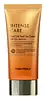
This chemical sunscreen covers most of the UV range, lighter on the deep UVA that drives aging.
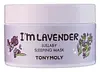
This hydrating overnight mask is formulated around Corallina Officinalis Extract and Calendula Officinalis Flower Extract to hydrate skin and calm redness.

What's inside
What's inside
 Key Ingredients
Benefits
Concerns
Ingredients Side-by-side
Water
Skin ConditioningSnail Secretion Filtrate
Skin Conditioning





Butylene Glycol
Humectant
Homosalate
Skin Conditioning

Methyl Methacrylate Crosspolymer

Ethylhexyl Salicylate
UV Absorber
Butyl Methoxydibenzoylmethane
UV Absorber
C12-15 Alkyl Benzoate
AntimicrobialHydrogenated Polydecene
EmollientPhenylbenzimidazole Sulfonic Acid
UV Absorber
Silica
Abrasive

Dipropylene Glycol
HumectantNiacinamide
Smoothing





Glyceryl Stearate
Emollient

Cetearyl Alcohol
Emollient




Cetearyl Olivate
Octocrylene
UV Absorber
Panthenol
Skin Conditioning
Aloe Barbadensis Leaf Juice
Skin Conditioning
Centella Asiatica Extract
Cleansing
Beta-Glucan
Skin Conditioning
Chamaecyparis Obtusa Water
MaskingImperata Cylindrica Root Extract
Skin ConditioningCarica Papaya Fruit Extract
Skin ConditioningGold
Cosmetic ColorantCitrus Limon Peel Oil
Masking




Citrus Aurantium Bergamia Fruit Oil
Masking
Citrus Aurantium Dulcis Peel Oil
Masking
Citrus Aurantifolia Oil
Cleansing
Pinus Sylvestris Leaf Oil
Masking
Eucalyptus Globulus Leaf Oil
Perfuming
Sorbitan Olivate
Emulsifying
Polysorbate 60
Emulsifying
Dimethicone
Emollient
Polyacrylate-13
Sodium Hydroxide
BufferingPEG-100 Stearate
Surfactant
Sorbitan Stearate
Emulsifying
Polyisobutene
Tocopheryl Acetate
Antioxidant

BHT
Antioxidant
Adenosine
Skin Conditioning
Polysorbate 20
Emulsifying
Sorbitan Isostearate
Emulsifying
Glycerin
Humectant
Propanediol
Solvent
PEG-8
HumectantCarbomer
Emulsion StabilisingPotassium Sorbate
Preservative
Sodium Benzoate
Masking
Disodium EDTA
ChelatingPhenoxyethanol
Preservative
Caprylyl Glycol
Emollient
Ethylhexylglycerin
Skin Conditioning1,2-Hexanediol
Skin Conditioning
Limonene
Perfuming
Linalool
Perfuming
Citral
Perfuming
Water, Snail Secretion Filtrate, Butylene Glycol, Homosalate, Methyl Methacrylate Crosspolymer, Ethylhexyl Salicylate, Butyl Methoxydibenzoylmethane, C12-15 Alkyl Benzoate, Hydrogenated Polydecene, Phenylbenzimidazole Sulfonic Acid, Silica, Dipropylene Glycol, Niacinamide, Glyceryl Stearate, Cetearyl Alcohol, Cetearyl Olivate, Octocrylene, Panthenol, Aloe Barbadensis Leaf Juice, Centella Asiatica Extract, Beta-Glucan, Chamaecyparis Obtusa Water, Imperata Cylindrica Root Extract, Carica Papaya Fruit Extract, Gold, Citrus Limon Peel Oil, Citrus Aurantium Bergamia Fruit Oil, Citrus Aurantium Dulcis Peel Oil, Citrus Aurantifolia Oil, Pinus Sylvestris Leaf Oil, Eucalyptus Globulus Leaf Oil, Sorbitan Olivate, Polysorbate 60, Dimethicone, Polyacrylate-13, Sodium Hydroxide, PEG-100 Stearate, Sorbitan Stearate, Polyisobutene, Tocopheryl Acetate, BHT, Adenosine, Polysorbate 20, Sorbitan Isostearate, Glycerin, Propanediol, PEG-8, Carbomer, Potassium Sorbate, Sodium Benzoate, Disodium EDTA, Phenoxyethanol, Caprylyl Glycol, Ethylhexylglycerin, 1,2-Hexanediol, Limonene, Linalool, Citral
Water
Skin ConditioningGlycerin
Humectant
Dimethicone
Emollient
Butylene Glycol
Humectant
Caprylic/Capric Triglyceride
Masking
Dipropylene Glycol
HumectantGlycereth-26
Humectant
Sorbitan Stearate
Emulsifying
Dicaprylyl Carbonate
EmollientCetyl PEG/PPG-10/1 Dimethicone
Emulsifying
Dimethicone/PEG-10/15 Crosspolymer
Dimethicone/Vinyl Dimethicone Crosspolymer
Skin Conditioning
PEG-100 Stearate
Surfactant
Cetearyl Alcohol
Emollient
Cetearyl Stearate
Skin Conditioning
Glyceryl Stearate
Emollient
Cyclomethicone
Emollient
Lavandula Angustifolia Flower Water
Skin Conditioning
Jasminum Officinale Flower Water
MaskingChamomilla Recutita Flower Water
MaskingRosa Centifolia Flower Water
Skin ConditioningHamamelis Virginiana Water
Astringent
Rosmarinus Officinalis Leaf Water
MaskingMentha Piperita Leaf Water
Skin ConditioningNelumbium Speciosum Flower Extract
Skin ConditioningGossypium Herbaceum Extract
Skin ConditioningEclipta Prostrata Extract
Skin Conditioning
Brassica Napus Extract
Skin ConditioningCorallina Officinalis Extract
Skin Conditioning
Camellia Japonica Flower Extract
EmollientCananga Odorata Flower Extract
Perfuming
Hibiscus Sabdariffa Flower Extract
Skin ConditioningAloe Barbadensis Flower Extract
EmollientCalendula Officinalis Flower Extract
Masking
Melia Azadirachta Flower Extract
Skin ConditioningOcimum Sanctum Leaf Extract
Skin ConditioningMentha Rotundifolia Leaf Extract
TonicMelia Azadirachta Leaf Extract
Skin ConditioningSolanum Melongena Fruit Extract
Skin ConditioningCoccinia Indica Fruit Extract
Skin Conditioning
Magnolia Kobus Bark Extract
Skin ConditioningCurcuma Longa Root Extract
Antioxidant
Lavandula Angustifolia Oil
Masking
Simmondsia Chinensis Seed Oil
Emollient
Moringa Oleifera Seed Oil
Emollient
Sodium Carbomer
Emulsion StabilisingXanthan Gum
Emulsifying1,2-Hexanediol
Skin Conditioning
Hydroxyacetophenone
Antioxidant
Ethylhexylglycerin
Skin ConditioningDisodium EDTA
ChelatingWater, Glycerin, Dimethicone, Butylene Glycol, Caprylic/Capric Triglyceride, Dipropylene Glycol, Glycereth-26, Sorbitan Stearate, Dicaprylyl Carbonate, Cetyl PEG/PPG-10/1 Dimethicone, Dimethicone/PEG-10/15 Crosspolymer, Dimethicone/Vinyl Dimethicone Crosspolymer, PEG-100 Stearate, Cetearyl Alcohol, Cetearyl Stearate, Glyceryl Stearate, Cyclomethicone, Lavandula Angustifolia Flower Water, Jasminum Officinale Flower Water, Chamomilla Recutita Flower Water, Rosa Centifolia Flower Water, Hamamelis Virginiana Water, Rosmarinus Officinalis Leaf Water, Mentha Piperita Leaf Water, Nelumbium Speciosum Flower Extract, Gossypium Herbaceum Extract, Eclipta Prostrata Extract, Brassica Napus Extract, Corallina Officinalis Extract, Camellia Japonica Flower Extract, Cananga Odorata Flower Extract, Hibiscus Sabdariffa Flower Extract, Aloe Barbadensis Flower Extract, Calendula Officinalis Flower Extract, Melia Azadirachta Flower Extract, Ocimum Sanctum Leaf Extract, Mentha Rotundifolia Leaf Extract, Melia Azadirachta Leaf Extract, Solanum Melongena Fruit Extract, Coccinia Indica Fruit Extract, Magnolia Kobus Bark Extract, Curcuma Longa Root Extract, Lavandula Angustifolia Oil, Simmondsia Chinensis Seed Oil, Moringa Oleifera Seed Oil, Sodium Carbomer, Xanthan Gum, 1,2-Hexanediol, Hydroxyacetophenone, Ethylhexylglycerin, Disodium EDTA
Ingredients Explained
These ingredients are found in both products.
Ingredients higher up in an ingredient list are typically present in a larger amount.
1,2-Hexanediol is a synthetic liquid and another multi-functional powerhouse.
It is a:
- Humectant, drawing moisture into the skin
- Emollient, helping to soften skin
- Solvent, dispersing and stabilizing formulas
- Preservative booster, enhancing the antimicrobial activity of other preservatives
Butylene Glycol (or BG) is used within cosmetic products for a few different reasons:
Overall, Butylene Glycol is a safe and well-rounded ingredient that works well with other ingredients.
Though this ingredient works well with most skin types, some people with sensitive skin may experience a reaction such as allergic rashes, closed comedones, or itchiness.
Learn more about Butylene GlycolCetearyl alcohol is a waxy mixture of two fatty alcohols: cetyl alcohol and stearyl alcohol. It is an emollient and emulsifier.
Despite having "alcohol" in its name, it has nothing to do with drying solvent alcohols; the FDA also allows "alcohol-free" products to contain fatty alcohols like this ingredient.
It plays several roles in a formula:
Typical use levels for this ingredient sit around 1-10% and the Cosmetic Ingredient Review Expert Panel has affirmed safety at concentrations up to 25% in leave-on products.
Multiple assessments have found it to be non-irritating and non-sensitizing to most people.
However, there have been some cases of allergic contact dermatitis in patients with chronically compromised skin barriers.
Cetearyl alcohol has a comedogenic rating of 2 and irritancy rating of 1. Both of these numbers come from the 1989 study that used rabbit ears; a "2" means mildly comedogenic and a "1" means low irritancy.
Here's the catch: rabbit skin is more sensitive than human skin and throws a lot of false positives. A 1996 reappraisal found that ingredients rated 1-2 in the rabbit ear tests are generally safe for humans.
Remember comedogenic ratings are unable to assess the entire formula of a product or how it will react on your skin. Just be sure to patch test if you are unsure about certain ingredients.
This ingredient is not fungal acne safe. Cetearyl alcohol is a fatty alcohol with chain lengths that fall within the range that Malassezia can metabolize.
A 2019 study has also observed Malassezia growth in the presence of this ingredient, confirming it to be not-fungal acne safe.
Learn more about Cetearyl AlcoholDimethicone is a type of synthetic silicone created from natural materials such as quartz. It is also known as polydimethylsiloxane.
What it does:
Dimethicone comes in different viscosities:
Depending on the viscosity, dimethicone has different properties.
Ingredients lists don't always show which type is used, so we recommend reaching out to the brand if you have questions about the viscosity.
This ingredient is unlikely to cause irritation because it does not get absorbed into skin. However, people with silicone allergies should be careful about using this ingredient.
Note: Dimethicone may contribute to pilling. This is because it is not oil or water soluble, so pilling may occur when layered with products. When mixed with heavy oils in a formula, the outcome is also quite greasy.
Learn more about DimethiconeDipropylene Glycol is a synthetically created humectant, stabilizer, and solvent.
This ingredient helps:
Dipropylene glycol is technically an alcohol, but it belongs to the glycol family (often considered part of the ‘good’ alcohols). This means it is hydrating and gentle on skin unlike drying solvent alcohols like denatured alcohol.
As a masking agent, Dipropylene Glycol can be used to cover the smell of other ingredients. However, it does not have a scent.
Studies show Dipropylene Glycol is considered safe to use in skincare.
Learn more about Dipropylene GlycolDisodium EDTA is a chelating agent. It grabs onto and deactivates metal ions that sneak into your products from water, packaging, or air.
This ingredient mainly works behind the scenes and helps with:
On top of that, this ingredient can counteract the effects of hard water by binding to the minerals in it.
One thing worth knowing is that Disodium EDTA has been shown to be a mild penetration enhancer. It can help other ingredients absorb into skin more effectively which can be a double-edged sword (great for actives, but can also make the active too strong if you have sensitive skin).
Clinical patch testing showed no significant skin irritation at typical use concentrations and minimal dermal absorption.
You'll most likely see this ingredient near the end of an ingredient list. It's typically found in concentrations less than 1%.
Learn more about Disodium EDTAEthylhexylglycerin is created from glycerin. It is a multitasker ingredient that:
The CIR Expert Panel found minimal skin absorption or sensitization of any kind in a safety assessment. Though this ingredient is considered well-tolerated, a small number of cases of allergic dermatitis have been published since 2002. Just be sure to patch test if you are unsure.
Industry-reported use ranges from 8% in rinse-off products and 2% in leave-on formulations.
Learn more about EthylhexylglycerinGlycerin (or glycerol) is a compound naturally found in your skin. It's a powerhouse humectant that pulls water into the stratum corneum.
Topically, glycerin does several things at once:
Your skin makes glycerin on its own (mostly from sebaceous oil breakdown) and shuttles it to your outermost layer of skin, or your epidermis, via aquaporin-3.
Aquaporin-3 is a transporter that is essential for normal skin hydration, elasticity, and repair. Interestingly, mice lacking in AQP3 have dry and less elastic skin that can be fully corrected with glycerin.
This ingredient is non-irritating, plays well with almost every ingredient, and works across all skin types. Typical use is anywhere between 3-10% but can go up to 79% in some leave-on products.
Just know very high concentrations (>40%) can feel tacky in low humidity.
Glycerin is the name for this ingredient in American English. British English uses Glycerol/Glycerine.
Learn more about GlycerinGlyceryl Stearate is made by reacting glycerin with stearic acid (typically sourced from plant oils like palm or coconut). It's an emulsifier, emollient, and mild occlusive.
Emulsifiers help ingredients like oil and water stay mixed so your formula stays nicely blended and uniform in texture.
This ingredient is typically used in concentrations between 1-10%. Studies have found it to be non-sensitizing, non-phototoxic, and non-photoallergenic.
A close cousin of this ingredient is Glyceryl Stearate SE ("self-emulsifying"). This just has a small amount of sodium or potassium stearate added so it can emulsify without a co-emulsifier.
Since this ingredient is an ester of a C18 fatty acid, it may not be fungal acne safe. The Malassezia yeast can potentially metabolize within the C11-C24 range.
Fun fact: The human body also creates Glyceryl Stearate naturally.
Learn more about Glyceryl StearatePeg-100 Stearate is an emollient and emulsifier. As an emollient, it helps keep skin soft by trapping moisture in. On the other hand, emulsifiers help prevent oil and water from separating in a product.
PEGS are a hydrophilic polyether compound . There are 100 ethylene oxide monomers in Peg-100 Stearate. Peg-100 Stearate is polyethylene glycol ester of stearic acid.
Sorbitan Stearate is an emulsifier made by reacting sorbitol with stearic acid.
It's mostly used to keep oil and water mixed so your formulas stay smooth and stable.
The Cosmetic Ingredient Review has found 4% of this ingredient in repeat-insult patch tests on humans to be non-sensitizing. There is a caveat that some reactions have shown up in patients with damaged or diseased skin.
Because it is an ester of a C18 fatty acid, it falls into the C11-24 range that the Malassezia yeast can metabolize. This means this ingredient may not be fungal acne safe.
Learn more about Sorbitan StearateWater. It's the most common cosmetic ingredient of all. You'll usually see it at the top of ingredient lists, meaning that it makes up the largest part of the product.
So why is it so popular? Water most often acts as a solvent - this means that it helps dissolve other ingredients into the formulation.
You'll also recognize water as that liquid we all need to stay alive. If you see this, drink a glass of water. Remember to stay hydrated!
Learn more about Water

