The History of Whoo Jinyulhyang Intensive Revitalizing Cream Versus Lancôme Rénergie Multi-Glow Cream
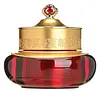
This barrier-repair moisturizer is formulated around Panax Ginseng Root Extract and Panthenol to strengthen the skin barrier and hydrate skin.
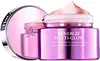
This anti-aging day moisturizer is formulated around Adenosine to soften the look of wrinkles.


What's inside
What's inside
 Key Ingredients
Benefits
Concerns
Ingredients Side-by-side
Water
Skin ConditioningDipropylene Glycol
HumectantCyclopentasiloxane
Emollient
Methyl Trimethicone
Skin Conditioning
Glycerin
Humectant


Dimethicone
Emollient
Cetearyl Alcohol
Emollient






PCA Dimethicone
Skin Conditioning
Glyceryl Stearate
Emollient
Panax Ginseng Root Extract
Emollient

1,2-Hexanediol
Skin Conditioning
Panthenol
Skin Conditioning
Poncirus Trifoliata Fruit Extract
Skin ConditioningPEG-100 Stearate
Surfactant
Cetearyl Olivate
Dimethiconol
Emollient
Sorbitan Olivate
Emulsifying
PEG-150 Distearate
Emulsifying
C14-22 Alcohols
Emulsion Stabilising
Squalane
Emollient
Angelica Acutiloba Root Extract
Skin ConditioningAsparagus Cochinchinensis Root Extract
Skin ConditioningPolygonatum Officinale Rhizome/Root Extract
Skin ConditioningAcanthopanax Senticosus Root Extract
Skin ConditioningPolygonum Multiflorum Root Extract
Skin ConditioningAmmonium Acryloyldimethyltaurate/Vp Copolymer
Punica Granatum Fruit Extract
Antioxidant

Cimicifuga Racemosa Root Extract
Antimicrobial
Dioscorea Japonica Root Extract
Skin Conditioning
Lithospermum Erythrorhizon Root Extract
Skin ConditioningTrifolium Pratense Leaf Extract
Antioxidant
Zizyphus Jujuba Fruit Extract
Atractylodes Japonica Rhizome Extract
Skin ConditioningCornus Officinalis Fruit Extract
Skin ConditioningGlycyrrhiza Glabra Root Extract
Bleaching
Paeonia Albiflora Root Extract
Skin ConditioningPaeonia Suffruticosa Root Extract
Skin ProtectingPlantago Asiatica Extract
Skin ConditioningPrunus Persica Kernel Extract
MoisturisingScutellaria Baicalensis Root Extract
Astringent
Thymus Vulgaris Extract
Perfuming
Velvet Extract
HumectantMacadamia Ternifolia Seed Oil
Emollient
Triethylhexanoin
MaskingPortulaca Oleracea Extract
Skin Conditioning
Stearyl Glycyrrhetinate
Skin ConditioningTheobroma Cacao Extract
Skin ConditioningXanthan Gum
EmulsifyingArachidyl Glucoside
EmulsifyingButyrospermum Parkii Butter
Skin Conditioning
Hydrogenated Lecithin
Emulsifying
Trisodium EDTA
ChelatingStearic Acid
Cleansing
Carbomer
Emulsion StabilisingCeramide NP
Skin Conditioning
Cholesterol
Emollient
Tromethamine
BufferingGinsenosides
Skin ConditioningSaccharomyces/Xylinum/Black Tea Ferment
Skin Conditioning
Parfum
Masking

Water, Dipropylene Glycol, Cyclopentasiloxane, Methyl Trimethicone, Glycerin, Dimethicone, Cetearyl Alcohol, PCA Dimethicone, Glyceryl Stearate, Panax Ginseng Root Extract, 1,2-Hexanediol, Panthenol, Poncirus Trifoliata Fruit Extract, PEG-100 Stearate, Cetearyl Olivate, Dimethiconol, Sorbitan Olivate, PEG-150 Distearate, C14-22 Alcohols, Squalane, Angelica Acutiloba Root Extract, Asparagus Cochinchinensis Root Extract, Polygonatum Officinale Rhizome/Root Extract, Acanthopanax Senticosus Root Extract, Polygonum Multiflorum Root Extract, Ammonium Acryloyldimethyltaurate/Vp Copolymer, Punica Granatum Fruit Extract, Cimicifuga Racemosa Root Extract, Dioscorea Japonica Root Extract, Lithospermum Erythrorhizon Root Extract, Trifolium Pratense Leaf Extract, Zizyphus Jujuba Fruit Extract, Atractylodes Japonica Rhizome Extract, Cornus Officinalis Fruit Extract, Glycyrrhiza Glabra Root Extract, Paeonia Albiflora Root Extract, Paeonia Suffruticosa Root Extract, Plantago Asiatica Extract, Prunus Persica Kernel Extract, Scutellaria Baicalensis Root Extract, Thymus Vulgaris Extract, Velvet Extract, Macadamia Ternifolia Seed Oil, Triethylhexanoin, Portulaca Oleracea Extract, Stearyl Glycyrrhetinate, Theobroma Cacao Extract, Xanthan Gum, Arachidyl Glucoside, Butyrospermum Parkii Butter, Hydrogenated Lecithin, Trisodium EDTA, Stearic Acid, Carbomer, Ceramide NP, Cholesterol, Tromethamine, Ginsenosides, Saccharomyces/Xylinum/Black Tea Ferment, Parfum
Water
Skin ConditioningCyclohexasiloxane
Emollient
Glycerin
Humectant
Cetyl Alcohol
Emollient
Butyrospermum Parkii Butter
Skin Conditioning
Hydrogenated Polyisobutene
EmollientGlyceryl Stearate
Emollient
Octyldodecanol
Emollient
PEG-40 Stearate
Emulsifying
Myristyl Myristate
Emollient
Titanium Dioxide
Cosmetic Colorant

Iron Oxides
CI 77163
Cosmetic Colorant
Bixa Orellana Seed Oil
Emollient
Guanosine
Skin ConditioningCyathea Medullaris Leaf Extract
Skin ConditioningZea Mays Starch
Absorbent
Tocopherol
Antioxidant
Mica
Cosmetic ColorantHydrolyzed Linseed Extract
Skin ConditioningHydroxypropyl Starch Phosphate
Sodium Hydroxide
BufferingSodium Benzoate
Masking
Hydrogenated Lecithin
Emulsifying
Sodium Levulinate
Skin ConditioningPhenoxyethanol
Preservative
Adenosine
Skin Conditioning
Schizandra Sphenanthera Fruit Extract
Antioxidant
Chlorphenesin
Antimicrobial
Polysorbate 80
Emulsifying
Maltodextrin
Absorbent
Polyvinyl Alcohol
Helianthus Annuus Seed Oil
Emollient
Limonene
Perfuming
Synthetic Fluorphlogopite
Mannitol
Humectant
Benzyl Alcohol
Perfuming
Tin Oxide
Abrasive
Linalool
Perfuming
Xanthan Gum
EmulsifyingCinnamic Acid
Perfuming
Isohexadecane
EmollientIsobutane
Capryloyl Salicylic Acid
Exfoliating

Caprylyl Glycol
Emollient
Sorbitan Tristearate
EmulsifyingAcrylamide/Sodium Acryloyldimethyltaurate Copolymer
Emulsion StabilisingAcrylonitrile/Methyl Methacrylate/Vinylidene Chloride Copolymer
Sorbitan Oleate
Emulsifying
Geraniol
Perfuming
Disodium EDTA
ChelatingCitronellol
Perfuming
Citric Acid
Buffering
Levulinic Acid
Perfuming
Glyceryl Caprylate
EmollientParfum
Masking
Water, Cyclohexasiloxane, Glycerin, Cetyl Alcohol, Butyrospermum Parkii Butter, Hydrogenated Polyisobutene, Glyceryl Stearate, Octyldodecanol, PEG-40 Stearate, Myristyl Myristate, Titanium Dioxide, Iron Oxides, CI 77163, Bixa Orellana Seed Oil, Guanosine, Cyathea Medullaris Leaf Extract, Zea Mays Starch, Tocopherol, Mica, Hydrolyzed Linseed Extract, Hydroxypropyl Starch Phosphate, Sodium Hydroxide, Sodium Benzoate, Hydrogenated Lecithin, Sodium Levulinate, Phenoxyethanol, Adenosine, Schizandra Sphenanthera Fruit Extract, Chlorphenesin, Polysorbate 80, Maltodextrin, Polyvinyl Alcohol, Helianthus Annuus Seed Oil, Limonene, Synthetic Fluorphlogopite, Mannitol, Benzyl Alcohol, Tin Oxide, Linalool, Xanthan Gum, Cinnamic Acid, Isohexadecane, Isobutane, Capryloyl Salicylic Acid, Caprylyl Glycol, Sorbitan Tristearate, Acrylamide/Sodium Acryloyldimethyltaurate Copolymer, Acrylonitrile/Methyl Methacrylate/Vinylidene Chloride Copolymer, Sorbitan Oleate, Geraniol, Disodium EDTA, Citronellol, Citric Acid, Levulinic Acid, Glyceryl Caprylate, Parfum
Ingredients Explained
These ingredients are found in both products.
Ingredients higher up in an ingredient list are typically present in a larger amount.
This ingredient is also known as shea butter. It is a plant-derived extract from the nuts of the Africa shea tree and one of the most well-studied emollients.
Because it has a high concentration of fatty acids (primarily oleic, stearic, and linoleic) it is able to form a protective barrier on the skin's surface. This helps seal in moisture and prevents transepidermal water loss (TEWL).
In vitro research found an increase in skin hydration by 58% and a decrease in TEWL by 37.8% after 24 hours of applying this ingredient (pretty impressive for a single ingredient!).
Besides hydration, shea butter also contains triterpenes that have anti-inflammatory potential. In particule, lupeol cinnamate has shown the highest anti-inflammatory activity in vivo.
Shea butter also contains vitamins A and E which may contribute to antioxidant activity.
While Shea Butter has an SPF rating of about 3-4, it is not a sunscreen replacement.
This ingredient may not be fungal acne safe because its fatty acids fall within the C11-C24 range that the Malassezia yeast can metabolize.
This ingredient shows up on a lot of "pore-clogging" lists but there's no real evidence behind that. It doesn't even have a comedogenic rating from an actual study; the numbers you'll find online come from blogs citing other blogs.
Ratings for other ingredients mostly come from a 1980s rabbit ear test. This test doesn't translate well to human skin or to real products because the ingredient sits at a much lower percentage.
Some people still find it breaks them out. So if that's you, definitely trust your skin. Just know this one's based on experience and not evidence.
Learn more about Butyrospermum Parkii ButterGlycerin (or glycerol) is a compound naturally found in your skin. It's a powerhouse humectant that pulls water into the stratum corneum.
Topically, glycerin does several things at once:
Your skin makes glycerin on its own (mostly from sebaceous oil breakdown) and shuttles it to your outermost layer of skin, or your epidermis, via aquaporin-3.
Aquaporin-3 is a transporter that is essential for normal skin hydration, elasticity, and repair. Interestingly, mice lacking in AQP3 have dry and less elastic skin that can be fully corrected with glycerin.
This ingredient is non-irritating, plays well with almost every ingredient, and works across all skin types. Typical use is anywhere between 3-10% but can go up to 79% in some leave-on products.
Just know very high concentrations (>40%) can feel tacky in low humidity.
Glycerin is the name for this ingredient in American English. British English uses Glycerol/Glycerine.
Learn more about GlycerinGlyceryl Stearate is made by reacting glycerin with stearic acid (typically sourced from plant oils like palm or coconut). It's an emulsifier, emollient, and mild occlusive.
Emulsifiers help ingredients like oil and water stay mixed so your formula stays nicely blended and uniform in texture.
This ingredient is typically used in concentrations between 1-10%. Studies have found it to be non-sensitizing, non-phototoxic, and non-photoallergenic.
A close cousin of this ingredient is Glyceryl Stearate SE ("self-emulsifying"). This just has a small amount of sodium or potassium stearate added so it can emulsify without a co-emulsifier.
Since this ingredient is an ester of a C18 fatty acid, it may not be fungal acne safe. The Malassezia yeast can potentially metabolize within the C11-C24 range.
Fun fact: The human body also creates Glyceryl Stearate naturally.
Learn more about Glyceryl StearateHydrogenated Lecithin is a more stable version of lecithin.
It's made by taking lecithin (a phospholipid commonly found in soybeans and egg yolks) and hydrogenating it. This just means the unsaturated fatty acids are turned into saturated ones so they don't go bad as easily.
This ingredient is an emollient, emulsifier, and penetration enhancer. As an emollient, it helps soften and hydrate skin by trapping moisture within. As an emulsifier, it prevents oil and water ingredients from separating.
Hydrogenated Lecithin can form tiny spherical structures made of phospholipid bilayers called liposomes. These liposomes are able to capture compounds inside their structure and deliver them through the skin barrier.
Because phospholipids are a natural component of our cell membranes, this ingredient is inherently compatible with skin.
A 2021 study found lecithin-based surfactants were less harsh and more tolerable comared to Sodium Lauryl Sulfate (SLS).
Learn more about Hydrogenated LecithinParfum is a catch-all term for an ingredient or more that is used to give a scent to products.
Also called "fragrance", this ingredient can be a blend of hundreds of chemicals or plant oils. This means every product with "fragrance" or "parfum" in the ingredients list is a different mixture.
For instance, Habanolide is a proprietary trade name for a specific aroma chemical. When used as a fragrance ingredient in cosmetics, most aroma chemicals fall under the broad labeling category of “FRAGRANCE” or “PARFUM” according to EU and US regulations.
The term 'parfum' or 'fragrance' is not regulated in many countries. In many cases, it is up to the brand to define this term.
For instance, many brands choose to label themselves as "fragrance-free" because they are not using synthetic fragrances. However, their products may still contain ingredients such as essential oils that are considered a fragrance by INCI standards.
One example is Calendula flower extract. Calendula is an essential oil that still imparts a scent or 'fragrance'.
Depending on the blend, the ingredients in the mixture can cause allergies and sensitivities on the skin. Some ingredients that are known EU allergens include linalool and citronellol.
Parfum can also be used to mask or cover an unpleasant scent.
The bottom line is: not all fragrances/parfum/ingredients are created equally. If you are worried about fragrances, we recommend taking a closer look at an ingredient. And of course, we always recommend speaking with a professional.
Learn more about ParfumWater. It's the most common cosmetic ingredient of all. You'll usually see it at the top of ingredient lists, meaning that it makes up the largest part of the product.
So why is it so popular? Water most often acts as a solvent - this means that it helps dissolve other ingredients into the formulation.
You'll also recognize water as that liquid we all need to stay alive. If you see this, drink a glass of water. Remember to stay hydrated!
Learn more about WaterXanthan gum is used as a stabilizer and thickener within cosmetic products. It helps give products a sticky, thick feeling - preventing them from being too runny.
On the technical side of things, xanthan gum is a polysaccharide - a combination consisting of multiple sugar molecules bonded together.
Xanthan gum is a pretty common and great ingredient. It is a natural, non-toxic, non-irritating ingredient that is also commonly used in food products.
Learn more about Xanthan Gum

