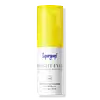
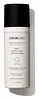
Supergoop! Bright-Eyed 100% Mineral Eye Cream SPF 40 Versus MDSolarSciences Daily Perfecting Moisturizer SPF 30
This brightening eye moisturizer is formulated around Camellia Sinensis Leaf Extract and Caffeine to brighten dull-looking skin and soften the look of wrinkles.
This barrier-repair day moisturizer is formulated around Panthenol and Ceramide NP to strengthen the skin barrier and hydrate skin.

What's inside
What's inside
 Key Ingredients
Benefits
Concerns
Ingredients Side-by-side
Zinc Oxide 14.4%
Cosmetic Colorant


Water
Skin ConditioningCaprylic/Capric Triglyceride
Masking


Glycerin
Humectant
Propanediol
Solvent
Butyloctyl Salicylate
Skin Conditioning
Glyceryl Stearate Citrate
Emollient

Lauroyl Lysine
Skin Conditioning
Cetyl Esters
Emollient
Inulin Lauryl Carbamate
Emulsion StabilisingPolyhydroxystearic Acid
Emulsifying
Cetearyl Alcohol
Emollient


Potassium Cetyl Phosphate
EmulsifyingGriffonia Simplicifolia Seed Extract
Skin ConditioningTitanium Dioxide
Cosmetic Colorant
Olive Oil Polyglyceryl-6 Esters
Emollient
Mica
Cosmetic ColorantTriethoxycaprylylsilane

Microcrystalline Cellulose
AbsorbentGlyceryl Glucoside
Humectant
Hydroxyacetophenone
Antioxidant
Polyurethane-79
Diethylhexyl Syringylidenemalonate
Skin Protecting
Sodium Stearoyl Lactylate
Emulsifying1,2-Hexanediol
Skin Conditioning
Caprylyl Glycol
Emollient
Sodium Citrate
BufferingTrisodium Ethylenediamine Disuccinate
ChelatingCamellia Sinensis Leaf Extract
Antimicrobial




Lactobacillus Ferment Lysate
Skin Conditioning
Punica Granatum Extract
AstringentSodium Stearoyl Glutamate
CleansingXanthan Gum
EmulsifyingCellulose Gum
Emulsion StabilisingIron Oxides
Hedychium Coronarium Root Extract
MaskingLactobacillus Ferment
Skin Conditioning
Caffeine
Skin Conditioning
Leuconostoc/Radish Root Ferment Filtrate
Antimicrobial
Tin Oxide
Abrasive
Zinc Oxide 14.4%, Water, Caprylic/Capric Triglyceride, Glycerin, Propanediol, Butyloctyl Salicylate, Glyceryl Stearate Citrate, Lauroyl Lysine, Cetyl Esters, Inulin Lauryl Carbamate, Polyhydroxystearic Acid, Cetearyl Alcohol, Potassium Cetyl Phosphate, Griffonia Simplicifolia Seed Extract, Titanium Dioxide, Olive Oil Polyglyceryl-6 Esters, Mica, Triethoxycaprylylsilane, Microcrystalline Cellulose, Glyceryl Glucoside, Hydroxyacetophenone, Polyurethane-79, Diethylhexyl Syringylidenemalonate, Sodium Stearoyl Lactylate, 1,2-Hexanediol, Caprylyl Glycol, Sodium Citrate, Trisodium Ethylenediamine Disuccinate, Camellia Sinensis Leaf Extract, Lactobacillus Ferment Lysate, Punica Granatum Extract, Sodium Stearoyl Glutamate, Xanthan Gum, Cellulose Gum, Iron Oxides, Hedychium Coronarium Root Extract, Lactobacillus Ferment, Caffeine, Leuconostoc/Radish Root Ferment Filtrate, Tin Oxide
Butyl Methoxydibenzoylmethane 3%
UV Absorber
Octocrylene 2.75%
UV Absorber
Ethylhexyl Salicylate 5%
UV Absorber
Water
Skin ConditioningButyloctyl Salicylate
Skin Conditioning
Glycerin
Humectant
Helianthus Annuus Seed Oil
Emollient
Dimethicone
Emollient
Zea Mays Oil
Emulsifying
Polyester-8
Skin Conditioning
Coco-Caprylate/Caprate
Emollient
Polysilicone-15
UV Filter
Sodium Stearoyl Glutamate
CleansingPanthenol
Skin Conditioning
Vitis Vinifera Callus Culture Extract
Sodium Ascorbyl Phosphate
Antioxidant

Camellia Sinensis Leaf Extract
Antimicrobial
Aloe Barbadensis Leaf Extract
Emollient
Caffeine
Skin Conditioning
Proline
Skin Conditioning
Phytosphingosine
Skin Conditioning
Ceramide AP
Skin Conditioning
Ceramide EOP
Skin Conditioning
Ceramide NP
Skin Conditioning
Sodium Hyaluronate
Humectant
Allantoin
Skin Conditioning
Chamomilla Recutita Extract
Skin Conditioning
Niacinamide
Smoothing


Tremella Fuciformis Extract
Humectant
Macadamia Integrifolia Seed Oil
Skin Conditioning
Olea Europaea Fruit Oil
Masking
Rosa Moschata Seed Oil
Emollient
Lavandula Angustifolia Oil
Masking

Diatomaceous Earth
Abrasive
Laminaria Digitata Extract
Skin Protecting
Ferric Hexapeptide-35
Skin Conditioning
Melaleuca Alternifolia Leaf Oil
Antioxidant
Caprylic/Capric Triglyceride
Masking
Caprylyl Glycol
Emollient
Sodium Polyacrylate
Absorbent
Sesamum Indicum Seed Oil
Emollient
Rosmarinus Officinalis Leaf Extract
AntimicrobialTeprenone
Skin ConditioningLecithin
Emollient
Mica
Cosmetic ColorantSorbitol
Humectant
Acrylates/C10-30 Alkyl Acrylate Crosspolymer
Emulsion StabilisingCaprylhydroxamic Acid
ChelatingEthylhexylglycerin
Skin ConditioningCholesterol
Emollient
Carbomer
Emulsion StabilisingXanthan Gum
EmulsifyingSodium Lauroyl Lactylate
EmulsifyingSodium Hydroxide
BufferingTbhq
Antioxidant
Phenylpropanol
Masking
CI 77891
Cosmetic ColorantButyl Methoxydibenzoylmethane 3%, Octocrylene 2.75%, Ethylhexyl Salicylate 5%, Water, Butyloctyl Salicylate, Glycerin, Helianthus Annuus Seed Oil, Dimethicone, Zea Mays Oil, Polyester-8, Coco-Caprylate/Caprate, Polysilicone-15, Sodium Stearoyl Glutamate, Panthenol, Vitis Vinifera Callus Culture Extract, Sodium Ascorbyl Phosphate, Camellia Sinensis Leaf Extract, Aloe Barbadensis Leaf Extract, Caffeine, Proline, Phytosphingosine, Ceramide AP, Ceramide EOP, Ceramide NP, Sodium Hyaluronate, Allantoin, Chamomilla Recutita Extract, Niacinamide, Tremella Fuciformis Extract, Macadamia Integrifolia Seed Oil, Olea Europaea Fruit Oil, Rosa Moschata Seed Oil, Lavandula Angustifolia Oil, Diatomaceous Earth, Laminaria Digitata Extract, Ferric Hexapeptide-35, Melaleuca Alternifolia Leaf Oil, Caprylic/Capric Triglyceride, Caprylyl Glycol, Sodium Polyacrylate, Sesamum Indicum Seed Oil, Rosmarinus Officinalis Leaf Extract, Teprenone, Lecithin, Mica, Sorbitol, Acrylates/C10-30 Alkyl Acrylate Crosspolymer, Caprylhydroxamic Acid, Ethylhexylglycerin, Cholesterol, Carbomer, Xanthan Gum, Sodium Lauroyl Lactylate, Sodium Hydroxide, Tbhq, Phenylpropanol, CI 77891
Reviews
Ingredients Explained
These ingredients are found in both products.
Ingredients higher up in an ingredient list are typically present in a larger amount.
Butyloctyl Salicylate is a chemical UV filter structurally similar to octisalate. It is a photostabilizer, SPF booster, emollient and solvent. This ingredient helps evenly spread out ingredients.
According to a manufacturer, it is suitable for pairing with micro Titanium Dioxide, Zinc Oxide, and pigments.
Photostabilizers help stabilize UV-filters and prevents them from degrading quickly.
Learn more about Butyloctyl SalicylateCaffeine is a naturally occurring plant compound found in coffee beans, tea leaves, cocoa pods, and guarana.
As an antioxidant, caffeine protects your skin from free radical damage caused by UV exposure and envionrmnetal stressors.
Early research also shows that caffeine can help calm redness, soothe irritated skin, and support hair growth by stimulating microcirculation in the scalp.
You might have seen eye creams marketing caffeine as a depuffing ingredient. This is because it is a vasoconstrictor meaning it can temporarily constrict blood vessels, though clinical evidence for this specific use is still limited.
Most skincare products contain this ingredient at concentrations between 1-6%. It is able to penetrate skin easily regardless of skin type or thickness.
Just so you know, a very small number of case reports describe caffeine-induced allergy. This ingredient is generally well-tolerated, non-irritating, and non-sensitizing for the majority of people.
Learn more about CaffeineCamellia Sinensis Leaf Extract (tea extract) is one of the most well-researched plant extracts in skincare with an impressive resume.
Black tea, green tea, and oolong tea are all harvested from the Camellia Sinensis plant.
Studies show green tea extract and its catechins (like epigallocatechin gallate (EGCG)) help your skin cells product energy more efficiently and reducing the number of free-radicals that can damage your skin from the inside.
In lab-grown skin models, this translated to younger, healthier, and stronger skin.
There's also good sun protection data; researchers saw less DNA damage and redness on human skin when green tea was applied before UVB exposure. And the more they applied, the better the protection.
Needless to say, this ingredient shouldn't replace your sunscreen. But it is a great supportive ingredient that you can already find in many sunscreens and antioxidant serums.
A 2009 study found a 2% green tea lotion was effective for mild-to-moderate acne thanks to its anti-inflammatory and mild antimicrobial activity.
The quality of the extract matters a lot here:
Good extracts contain 50-90% catechins while lower quality ones are mostly there for marketing. We recommend reaching out to the brand if you have questions about the quality or source of their ingredients.
Human Repeated Insult Patch Testing showed no irritation or sensitization at use concentrations (0.86% in leave-on products and up to 30% as leaf water).
Learn more about Camellia Sinensis Leaf ExtractCaprylic/Capric Triglyceride (aka MCT Oil) is a lightweight emollient, solvent, and texture enhancer. It is considered a skin-softener by helping to prevent moisture loss.
Though it behaves like an oil, it is not technically one due to its chemical composition. One perk of this ingredient is that it is very stable, resistant to oxidation, and unlikely to go rancid.
In practice, that translates to a long shelf life and a consistently elegant skin feel.
While there is an assumption Caprylic Triglyceride can clog pores due to it being derived from coconut oil, there is no research supporting this. Just patch test if you have concerns.
Fractionated coconut oil and MCT Oil are both listed as Caprylic/Capric Triglyceride according to INCI. This is because INCI names are based on the ingredient’s final chemical composition and not its marketing name or source.
This ingredient is treated as the gold standard fungal acne safe oil. Even though it is coconut derived, the problematic lauric acid is stripped out.
This leaves just caprylic (C8) and capric (C10) acid. These chain lengths actually trend antifungal; a 2020 study found caprylic acid was enough to disrupt Malassezia furfur cell membrane, with a caprylic acid derivative damaging membrane structures at concentrations as low as 0.2%.
Learn more about Caprylic/Capric TriglycerideCaprylyl Glycol is a humectant, skin conditioner, emollient, and preservative booster derived from either caprylic acid or synthetically created.
Typical use levels vary from 0.3-1% as a preservative booster and go up to 2% to condition skin.
Because it is not a free-fatty acid, this ingredient is fungal acne safe (there's nothing for Malassezia to feed on).
Learn more about Caprylyl GlycolGlycerin (or glycerol) is a compound naturally found in your skin. It's a powerhouse humectant that pulls water into the stratum corneum.
Topically, glycerin does several things at once:
Your skin makes glycerin on its own (mostly from sebaceous oil breakdown) and shuttles it to your outermost layer of skin, or your epidermis, via aquaporin-3.
Aquaporin-3 is a transporter that is essential for normal skin hydration, elasticity, and repair. Interestingly, mice lacking in AQP3 have dry and less elastic skin that can be fully corrected with glycerin.
This ingredient is non-irritating, plays well with almost every ingredient, and works across all skin types. Typical use is anywhere between 3-10% but can go up to 79% in some leave-on products.
Just know very high concentrations (>40%) can feel tacky in low humidity.
Glycerin is the name for this ingredient in American English. British English uses Glycerol/Glycerine.
Learn more about GlycerinMica is a naturally occurring mineral used to add shimmer and color in cosmetics. It can also help improve the texture of a product or give it an opaque, white/silver color.
Serecite is the name for very fine but ragged grains of mica.
This ingredient is often coated with metal oxides like titanium dioxide. Trace amounts of heavy metals may be found in mica, but these metals are not harmful in our personal products.
Mica has been used since prehistoric times throughout the world. Ancient Egyptian, Indian, Greek, Roman, Aztec, and Chinese civilizations have used mica.
Learn more about MicaSodium Stearoyl Glutamate is an amino-acid based emulsifier. It is made by combining stearic acid with L-glutamic acid and neutralizing it to a sodium salt.
As an emulsifier, it works mainly as an oil-in-water one and helps keep the oil and water in your formulas blended. It also contributes to a smooth, non-greasy skin feel.
This ingredient is biodegradable and commonly available in natural/COSMOS-certified grades.
Learn more about Sodium Stearoyl GlutamateWater. It's the most common cosmetic ingredient of all. You'll usually see it at the top of ingredient lists, meaning that it makes up the largest part of the product.
So why is it so popular? Water most often acts as a solvent - this means that it helps dissolve other ingredients into the formulation.
You'll also recognize water as that liquid we all need to stay alive. If you see this, drink a glass of water. Remember to stay hydrated!
Learn more about WaterXanthan gum is used as a stabilizer and thickener within cosmetic products. It helps give products a sticky, thick feeling - preventing them from being too runny.
On the technical side of things, xanthan gum is a polysaccharide - a combination consisting of multiple sugar molecules bonded together.
Xanthan gum is a pretty common and great ingredient. It is a natural, non-toxic, non-irritating ingredient that is also commonly used in food products.
Learn more about Xanthan Gum

