

What's inside
What's inside
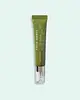 Key Ingredients
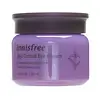
Benefits
Concerns
Ingredients Side-by-side
Water
Skin ConditioningGlycerin
Humectant


Butylene Glycol
Humectant
Niacinamide
Smoothing









Methylpropanediol
SolventPentylene Glycol
Skin Conditioning
Sorbitol
Humectant
1,2-Hexanediol
Skin Conditioning
Tremella Fuciformis Extract
Humectant
Chlorella Vulgaris Extract
Skin ConditioningDipeptide Diaminobutyroyl Benzylamide Diacetate
Skin Conditioning
Copper Tripeptide-1
Skin Conditioning
Acetyl Hexapeptide-8
Humectant
Palmitoyl Hexapeptide-12
Skin Conditioning
Palmitoyl Tripeptide-1
Skin Conditioning
Palmitoyl Tetrapeptide-7
Skin Conditioning
Acmella Oleracea Extract
Skin ProtectingCaffeine
Skin Conditioning
Diglycerin
Humectant
Ascorbic Acid
Antioxidant

Ascorbyl Tetraisopalmitate
Antioxidant

Hydrolyzed Hyaluronic Acid
Humectant
Resveratrol
Antioxidant
Arbutin
Antioxidant
Bisabolol
Antioxidant
Medicago Sativa Extract
TonicPanax Ginseng Root Extract
Emollient
Theobroma Cacao Seed Extract
Antioxidant
Centella Asiatica Extract
Cleansing
Camellia Sinensis Leaf Extract
Antimicrobial
Rosa Canina Fruit Oil
Emollient
Oryza Sativa Bran Oil
Emollient
Hydrolyzed Jojoba Esters
Skin Conditioning
Adenosine
Skin Conditioning
Tocopherol
Antioxidant
Diamond Powder
Abrasive
Cynanchum Atratum Extract
Skin ConditioningAlthaea Rosea Flower Extract
Skin ConditioningBrassica Oleracea Capitata Leaf Extract
Skin ConditioningBrassica Oleracea Italica Extract
AstringentTriticum Vulgare Sprout Extract
Skin ConditioningBrassica Campestris Extract
Skin ConditioningRaphanus Sativus Seed Extract
Skin ConditioningFructooligosaccharides
Humectant
Glucose
Humectant
Fructose
Humectant
Dextrin
AbsorbentGlycine
Buffering
Serine
Masking
Glutamic Acid
Humectant
Aspartic Acid
Masking
Leucine
Skin ConditioningAlanine
Masking
Lysine
Skin ConditioningArginine
Masking
Tyrosine
MaskingPhenylalanine
Masking
Proline
Skin Conditioning
Threonine
Valine
MaskingIsoleucine
Skin ConditioningHistidine
Humectant
Cysteine
Antioxidant
Methionine
Skin ConditioningCarbomer
Emulsion StabilisingPropanediol
Solvent
Potassium Hydroxide
BufferingPolysorbate 20
Emulsifying
Acrylates/C10-30 Alkyl Acrylate Crosspolymer
Emulsion StabilisingAmmonium Acryloyldimethyltaurate/Beheneth-25 Methacrylate Crosspolymer
Emulsion StabilisingCaprylyl Glycol
Emollient
Xanthan Gum
EmulsifyingEthylhexylglycerin
Skin ConditioningWater, Glycerin, Butylene Glycol, Niacinamide, Methylpropanediol, Pentylene Glycol, Sorbitol, 1,2-Hexanediol, Tremella Fuciformis Extract, Chlorella Vulgaris Extract, Dipeptide Diaminobutyroyl Benzylamide Diacetate, Copper Tripeptide-1, Acetyl Hexapeptide-8, Palmitoyl Hexapeptide-12, Palmitoyl Tripeptide-1, Palmitoyl Tetrapeptide-7, Acmella Oleracea Extract, Caffeine, Diglycerin, Ascorbic Acid, Ascorbyl Tetraisopalmitate, Hydrolyzed Hyaluronic Acid, Resveratrol, Arbutin, Bisabolol, Medicago Sativa Extract, Panax Ginseng Root Extract, Theobroma Cacao Seed Extract, Centella Asiatica Extract, Camellia Sinensis Leaf Extract, Rosa Canina Fruit Oil, Oryza Sativa Bran Oil, Hydrolyzed Jojoba Esters, Adenosine, Tocopherol, Diamond Powder, Cynanchum Atratum Extract, Althaea Rosea Flower Extract, Brassica Oleracea Capitata Leaf Extract, Brassica Oleracea Italica Extract, Triticum Vulgare Sprout Extract, Brassica Campestris Extract, Raphanus Sativus Seed Extract, Fructooligosaccharides, Glucose, Fructose, Dextrin, Glycine, Serine, Glutamic Acid, Aspartic Acid, Leucine, Alanine, Lysine, Arginine, Tyrosine, Phenylalanine, Proline, Threonine, Valine, Isoleucine, Histidine, Cysteine, Methionine, Carbomer, Propanediol, Potassium Hydroxide, Polysorbate 20, Acrylates/C10-30 Alkyl Acrylate Crosspolymer, Ammonium Acryloyldimethyltaurate/Beheneth-25 Methacrylate Crosspolymer, Caprylyl Glycol, Xanthan Gum, Ethylhexylglycerin
Water
Skin ConditioningButylene Glycol
Humectant
Glycerin
Humectant
Squalane
Emollient
Cetyl Ethylhexanoate
EmollientLimnanthes Alba Seed Oil
Skin Conditioning
Arbutin
Antioxidant
Copernicia Cerifera Wax
Cyclopentasiloxane
Emollient
Butyrospermum Parkii Butter
Skin Conditioning


Glyceryl Stearate
Emollient
Cyclohexasiloxane
Emollient
Orchid Extract
Skin ConditioningCaffeine
Skin Conditioning
Camellia Sinensis Leaf Extract
Antimicrobial
Camellia Japonica Leaf Extract
Skin ConditioningOpuntia Coccinellifera Fruit Extract
Skin ConditioningCitrus Unshiu Peel Extract
Masking
Adenosine
Skin Conditioning
C12-20 Alkyl Glucoside
EmulsifyingC14-22 Alcohols
Emulsion Stabilising
Glyceryl Caprylate
EmollientLauric Acid
Cleansing
Myristic Acid
Cleansing
Behenyl Alcohol
Emollient
Cetearyl Alcohol
Emollient
Stearic Acid
Cleansing
Arachidyl Glucoside
EmulsifyingArachidyl Alcohol
Emollient
Xanthan Gum
EmulsifyingPalmitic Acid
Emollient
Polyglyceryl-3 Methylglucose Distearate
Emulsifying
Polysorbate 20
Emulsifying
Polyacrylate-13
Polyisobutene
Propanediol
Solvent
PEG-100 Stearate
Surfactant
Hydrogenated Lecithin
Emulsifying
Disodium EDTA
Parfum
Masking

Water, Butylene Glycol, Glycerin, Squalane, Cetyl Ethylhexanoate, Limnanthes Alba Seed Oil, Arbutin, Copernicia Cerifera Wax, Cyclopentasiloxane, Butyrospermum Parkii Butter, Glyceryl Stearate, Cyclohexasiloxane, Orchid Extract, Caffeine, Camellia Sinensis Leaf Extract, Camellia Japonica Leaf Extract, Opuntia Coccinellifera Fruit Extract, Citrus Unshiu Peel Extract, Adenosine, C12-20 Alkyl Glucoside, C14-22 Alcohols, Glyceryl Caprylate, Lauric Acid, Myristic Acid, Behenyl Alcohol, Cetearyl Alcohol, Stearic Acid, Arachidyl Glucoside, Arachidyl Alcohol, Xanthan Gum, Palmitic Acid, Polyglyceryl-3 Methylglucose Distearate, Polysorbate 20, Polyacrylate-13, Polyisobutene, Propanediol, PEG-100 Stearate, Hydrogenated Lecithin, Disodium EDTA, Parfum
Reviews
Ingredients Explained
These ingredients are found in both products.
Ingredients higher up in an ingredient list are typically present in a larger amount.
Adenosine is a purine nucleoside that your body already makes in every cell. In skincare, it acts mainly as a skin conditioning and anti-aging agent.
The way it works is fairly well mapped out:
Your skin has cells called fibroblasts that build collagen (the stuff that keeps skin firm and smooth). Adenosine basically flips a switch on these cells that tells them to get to work making more collagen and other proteins. These cells slow down on their own as skin ages, so Adenosine helps give them a little nudge to keep going.
The clinical backing is pretty solid too.
A blind, randomized, placebo-controlled trial of 126 women aged 45-65 tested a 0.1% cream twice daily and found real improvements in crow's feet and frown lines using a precise 3D skin-mapping technique; these changes showed up by week 3 and held at 2 months.
A later study using Adenosine-loaded dissolving microneedle patches reported gains in wrinkle depth, dermal density, elasticity, and hydration.
On concentrations, South Korea's Ministry of Food and Drug Safety has set 0.04% as the approved functional anti-wrinkle level. You'll typically see this ingredient used somewhere in the 0.04-0.1% range since it works at low doses.
This ingredient has been found safe for cosmetics with the data showing no irritation or sensitization.
Overall, this is a great ingredient for any anti-aging routine and has no photosensitizing effect, so it suits both AM and PM use.
Learn more about AdenosineArbutin is a naturally occurring molecule (found in bearberry, cranberry, and blueberry) that is used in skincare as a gentle brightening agent to fade dark spots, melasma, and post-inflammatory hyperpigmentation.
Chemically, it is a sugar-bound form of hydroquinone.
It works mainly by inhibiting tyrosinase, the enzyme your skin uses to make melanin. This means less new pigment gets produced over time.
There are two forms you'll see on labels: beta-arbutin (listed as just "Arbutin") and alpha-arbutin (the more stable and effective of the two).
The evidence behind this is solid: it's less cytotoxic to melanocytes than hydroquinone and comparably effective with kojic acid for hyperpigmentation.
One human study using a 10% solution reduced UVR-induced hyperpigmentation by 43.5% (jumping to 63.3% when paired with aloesin).
More recent clinical work backs it up too; a 2025 study on a 5% alpha-arbutin + 2% kojic acid cream found it comparable to triple combination prescription formulas but with lower recurrence for melasma.
Typical usage in cosmetics serums land in the 1-2% range.
It's a well-tolerated, non-irritating, and non-photoreactive ingredient that also gives some antioxidant benefits too.
Learn more about ArbutinButylene Glycol (or BG) is used within cosmetic products for a few different reasons:
Overall, Butylene Glycol is a safe and well-rounded ingredient that works well with other ingredients.
Though this ingredient works well with most skin types, some people with sensitive skin may experience a reaction such as allergic rashes, closed comedones, or itchiness.
Learn more about Butylene GlycolCaffeine is a naturally occurring plant compound found in coffee beans, tea leaves, cocoa pods, and guarana.
As an antioxidant, caffeine protects your skin from free radical damage caused by UV exposure and envionrmnetal stressors.
Early research also shows that caffeine can help calm redness, soothe irritated skin, and support hair growth by stimulating microcirculation in the scalp.
You might have seen eye creams marketing caffeine as a depuffing ingredient. This is because it is a vasoconstrictor meaning it can temporarily constrict blood vessels, though clinical evidence for this specific use is still limited.
Most skincare products contain this ingredient at concentrations between 1-6%. It is able to penetrate skin easily regardless of skin type or thickness.
Just so you know, a very small number of case reports describe caffeine-induced allergy. This ingredient is generally well-tolerated, non-irritating, and non-sensitizing for the majority of people.
Learn more about CaffeineCamellia Sinensis Leaf Extract (tea extract) is one of the most well-researched plant extracts in skincare with an impressive resume.
Black tea, green tea, and oolong tea are all harvested from the Camellia Sinensis plant.
Studies show green tea extract and its catechins (like epigallocatechin gallate (EGCG)) help your skin cells product energy more efficiently and reducing the number of free-radicals that can damage your skin from the inside.
In lab-grown skin models, this translated to younger, healthier, and stronger skin.
There's also good sun protection data; researchers saw less DNA damage and redness on human skin when green tea was applied before UVB exposure. And the more they applied, the better the protection.
Needless to say, this ingredient shouldn't replace your sunscreen. But it is a great supportive ingredient that you can already find in many sunscreens and antioxidant serums.
A 2009 study found a 2% green tea lotion was effective for mild-to-moderate acne thanks to its anti-inflammatory and mild antimicrobial activity.
The quality of the extract matters a lot here:
Good extracts contain 50-90% catechins while lower quality ones are mostly there for marketing. We recommend reaching out to the brand if you have questions about the quality or source of their ingredients.
Human Repeated Insult Patch Testing showed no irritation or sensitization at use concentrations (0.86% in leave-on products and up to 30% as leaf water).
Learn more about Camellia Sinensis Leaf ExtractGlycerin (or glycerol) is a compound naturally found in your skin. It's a powerhouse humectant that pulls water into the stratum corneum.
Topically, glycerin does several things at once:
Your skin makes glycerin on its own (mostly from sebaceous oil breakdown) and shuttles it to your outermost layer of skin, or your epidermis, via aquaporin-3.
Aquaporin-3 is a transporter that is essential for normal skin hydration, elasticity, and repair. Interestingly, mice lacking in AQP3 have dry and less elastic skin that can be fully corrected with glycerin.
This ingredient is non-irritating, plays well with almost every ingredient, and works across all skin types. Typical use is anywhere between 3-10% but can go up to 79% in some leave-on products.
Just know very high concentrations (>40%) can feel tacky in low humidity.
Glycerin is the name for this ingredient in American English. British English uses Glycerol/Glycerine.
Learn more about GlycerinPolysorbate 20 is a gentle, water-soluble emulsifier and mild surfactant. It stops oil and water from separating to keep your formulas blended and stable.
It also acts as a mild penetration enhancer by helping active ingredients absorb slightly better.
The common safety discussion around this ingredient involves a manufacturing byproduct called 1,4-dioxane.
Trace amounts can form during production but the EU's Scientific Committee on Consumer Safety has concluded that levels at/below 10 ppm in finished products are safe (commercial products consistently fall within acceptable margins).
True allergic reactions are uncommon and the CIR Expert Panel has confirmed this ingredient to be safe as used in cosmetics.
Because it is derived from lauric acid, it may not be fungal acne safe.
Learn more about Polysorbate 20Propanediol is an all-star ingredient. It softens, hydrates, and smooths the skin.
It’s often used to:
Propanediol is not likely to cause sensitivity and considered safe to use. It is derived from corn or petroleum with a clear color and no scent.
Learn more about PropanediolWater. It's the most common cosmetic ingredient of all. You'll usually see it at the top of ingredient lists, meaning that it makes up the largest part of the product.
So why is it so popular? Water most often acts as a solvent - this means that it helps dissolve other ingredients into the formulation.
You'll also recognize water as that liquid we all need to stay alive. If you see this, drink a glass of water. Remember to stay hydrated!
Learn more about WaterXanthan gum is used as a stabilizer and thickener within cosmetic products. It helps give products a sticky, thick feeling - preventing them from being too runny.
On the technical side of things, xanthan gum is a polysaccharide - a combination consisting of multiple sugar molecules bonded together.
Xanthan gum is a pretty common and great ingredient. It is a natural, non-toxic, non-irritating ingredient that is also commonly used in food products.
Learn more about Xanthan Gum

