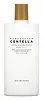
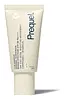
SKIN1004 Madagascar Centella Air-Fit Suncream Plus SPF50+ PA+++ Versus Prequel Sun Barrier Mineral Sunscreen Broad Spectrum SPF 50 PA++++
This hybrid sunscreen covers the full UV range and blocks ~98% of UVB at SPF 50.
This hybrid sunscreen covers the full UV range and blocks ~98% of UVB at SPF 50.


What's inside
What's inside
 Key Ingredients
Benefits
Concerns
Ingredients Side-by-side
Centella Asiatica Extract 35.8%
Cleansing





Cyclopentasiloxane
Emollient
Zinc Oxide
Cosmetic Colorant


Butyloctyl Salicylate
Skin Conditioning
Titanium Dioxide
Cosmetic Colorant
Propanediol
Solvent
Benzotriazolyl Dodecyl P-Cresol
UV AbsorberCoptis Chinensis Root Extract
Antioxidant
PEG-10 Dimethicone
Skin Conditioning
Niacinamide
Smoothing




Disteardimonium Hectorite
StabilisingButylene Glycol
Humectant
Magnesium Sulfate
1,2-Hexanediol
Skin Conditioning
Caprylic/Capric Glycerides
EmollientDimethicone
Emollient
Vp/Hexadecene Copolymer
Polymethylsilsesquioxane
Aluminum Hydroxide
EmollientStearic Acid
Cleansing


Sorbitan Sesquioleate
Emulsifying

Triethoxycaprylylsilane
Dimethicone Crosspolymer
Emulsion Stabilising
Dimethicone/Vinyl Dimethicone Crosspolymer
Skin Conditioning
Dextrin
AbsorbentTheobroma Cacao Extract
Skin ConditioningPelargonium Graveolens Flower Oil
Masking




Water
Skin ConditioningCitrus Aurantium Bergamia Fruit Oil
Masking
Betaine
Humectant
Scutellaria Baicalensis Root Extract
Astringent
Polygonum Cuspidatum Root Extract
Antioxidant
Glycyrrhiza Glabra Root Extract
Bleaching
Camellia Sinensis Leaf Extract
Antimicrobial
Sodium Hyaluronate
Humectant
Rosmarinus Officinalis Leaf Extract
AntimicrobialChamomilla Recutita Flower Extract
Masking
Rosa Damascena Flower Oil
Masking
Pentylene Glycol
Skin Conditioning
Madecassoside
Antioxidant
Citronellol
Perfuming
Geraniol
Perfuming
Linalool
Perfuming
Centella Asiatica Extract 35.8%, Cyclopentasiloxane, Zinc Oxide, Butyloctyl Salicylate, Titanium Dioxide, Propanediol, Benzotriazolyl Dodecyl P-Cresol, Coptis Chinensis Root Extract, PEG-10 Dimethicone, Niacinamide, Disteardimonium Hectorite, Butylene Glycol, Magnesium Sulfate, 1,2-Hexanediol, Caprylic/Capric Glycerides, Dimethicone, Vp/Hexadecene Copolymer, Polymethylsilsesquioxane, Aluminum Hydroxide, Stearic Acid, Sorbitan Sesquioleate, Triethoxycaprylylsilane, Dimethicone Crosspolymer, Dimethicone/Vinyl Dimethicone Crosspolymer, Dextrin, Theobroma Cacao Extract, Pelargonium Graveolens Flower Oil, Water, Citrus Aurantium Bergamia Fruit Oil, Betaine, Scutellaria Baicalensis Root Extract, Polygonum Cuspidatum Root Extract, Glycyrrhiza Glabra Root Extract, Camellia Sinensis Leaf Extract, Sodium Hyaluronate, Rosmarinus Officinalis Leaf Extract, Chamomilla Recutita Flower Extract, Rosa Damascena Flower Oil, Pentylene Glycol, Madecassoside, Citronellol, Geraniol, Linalool
Zinc Oxide 18%
Cosmetic Colorant
Water
Skin ConditioningCaprylic/Capric Triglyceride
Masking
Diisooctyl Succinate
Emollient
Butyloctyl Salicylate
Skin Conditioning
Propanediol
Solvent
Glycerin
Humectant
Cetearyl Olivate
Polyhydroxystearic Acid
Emulsifying
Sorbitan Olivate
Emulsifying
Bisabolol
Antioxidant
Pongamia Pinnata Seed Extract
Skin ConditioningZingiber Officinale Root Extract
Masking
Tetrahydrodiferuloylmethane
Antioxidant
Tetrahydrodemethoxydiferuloylmethane
Antioxidant
Tetrahydrobisdemethoxydiferuloylmethane
Antioxidant
Calendula Officinalis Flower Extract
Masking
Camellia Sinensis Leaf Extract
Antimicrobial
Chamomilla Recutita Flower Extract
Masking
Centella Asiatica Extract
Cleansing
Phenoxyethanol
Preservative
Polyglyceryl-4 Laurate/Succinate
Lauroyl Lysine
Skin Conditioning
Triethoxycaprylylsilane
Arachidyl Alcohol
Emollient
Silica
Abrasive
Xanthan Gum
EmulsifyingPotassium Cetyl Phosphate
EmulsifyingBehenyl Alcohol
Emollient
Caprylyl Glycol
Emollient
Vp/Eicosene Copolymer
Arachidyl Glucoside
EmulsifyingTetrasodium Glutamate Diacetate
Ethylhexylglycerin
Skin ConditioningTocopheryl Acetate
Antioxidant
Cetyl Alcohol
Emollient
Tin Oxide
Abrasive
Isononyl Isononanoate
EmollientEthylene/Propylene/Styrene Copolymer
Sorbitan Oleate
Emulsifying
CI 77891
Cosmetic ColorantMica
Cosmetic ColorantIron Oxides
Zinc Oxide 18%, Water, Caprylic/Capric Triglyceride, Diisooctyl Succinate, Butyloctyl Salicylate, Propanediol, Glycerin, Cetearyl Olivate, Polyhydroxystearic Acid, Sorbitan Olivate, Bisabolol, Pongamia Pinnata Seed Extract, Zingiber Officinale Root Extract, Tetrahydrodiferuloylmethane, Tetrahydrodemethoxydiferuloylmethane, Tetrahydrobisdemethoxydiferuloylmethane, Calendula Officinalis Flower Extract, Camellia Sinensis Leaf Extract, Chamomilla Recutita Flower Extract, Centella Asiatica Extract, Phenoxyethanol, Polyglyceryl-4 Laurate/Succinate, Lauroyl Lysine, Triethoxycaprylylsilane, Arachidyl Alcohol, Silica, Xanthan Gum, Potassium Cetyl Phosphate, Behenyl Alcohol, Caprylyl Glycol, Vp/Eicosene Copolymer, Arachidyl Glucoside, Tetrasodium Glutamate Diacetate, Ethylhexylglycerin, Tocopheryl Acetate, Cetyl Alcohol, Tin Oxide, Isononyl Isononanoate, Ethylene/Propylene/Styrene Copolymer, Sorbitan Oleate, CI 77891, Mica, Iron Oxides
Reviews
Ingredients Explained
These ingredients are found in both products.
Ingredients higher up in an ingredient list are typically present in a larger amount.
Butyloctyl Salicylate is a chemical UV filter structurally similar to octisalate. It is a photostabilizer, SPF booster, emollient and solvent. This ingredient helps evenly spread out ingredients.
According to a manufacturer, it is suitable for pairing with micro Titanium Dioxide, Zinc Oxide, and pigments.
Photostabilizers help stabilize UV-filters and prevents them from degrading quickly.
Learn more about Butyloctyl SalicylateCamellia Sinensis Leaf Extract (tea extract) is one of the most well-researched plant extracts in skincare with an impressive resume.
Black tea, green tea, and oolong tea are all harvested from the Camellia Sinensis plant.
Studies show green tea extract and its catechins (like epigallocatechin gallate (EGCG)) help your skin cells product energy more efficiently and reducing the number of free-radicals that can damage your skin from the inside.
In lab-grown skin models, this translated to younger, healthier, and stronger skin.
There's also good sun protection data; researchers saw less DNA damage and redness on human skin when green tea was applied before UVB exposure. And the more they applied, the better the protection.
Needless to say, this ingredient shouldn't replace your sunscreen. But it is a great supportive ingredient that you can already find in many sunscreens and antioxidant serums.
A 2009 study found a 2% green tea lotion was effective for mild-to-moderate acne thanks to its anti-inflammatory and mild antimicrobial activity.
The quality of the extract matters a lot here:
Good extracts contain 50-90% catechins while lower quality ones are mostly there for marketing. We recommend reaching out to the brand if you have questions about the quality or source of their ingredients.
Human Repeated Insult Patch Testing showed no irritation or sensitization at use concentrations (0.86% in leave-on products and up to 30% as leaf water).
Learn more about Camellia Sinensis Leaf ExtractCentella Asiatica Extract (Centella) is one of the most researched botanical extracts in skincare with decades of studies backing its effects on inflammation, collagen, and the skin barrier.
That research keeps pointing back to the same four triterpenoid saponins: Asiaticoside, Madecassoside, Asiatic Acid, and Madecassic Acid.
These compounds allow centella to dial back inflammation, encourage the skin to build and hold onto collagen, support the barrier and hydration, and bring solid antioxidant activity to protect against signs of aging.
Centella also carries a nice supporting cast of Vitamin A, vitamin C, several B vitamins, and amino acids. Put it all together and you get an ingredient that soothes, hydrates, and protects, all at once.
Most of centella's magic comes from the four big compounds (Asiaticoside, Madecassoside, Asiatic Acid, and Madecassic Acid). These are the actives doing the heavy lifting in almost every centella study.
Here is the short version of what they do in the skin:
So it is not just soothing for the sake of soothing. Centella calms the skin AND helps it rebuild.
Just FYI, not all centella on an ingredient list is the same. What you are getting actually depends on the extract:
Fun fact on the ratios: the leaves tend to be richest in Madecassoside and Asiaticoside, and lower in the two acids. The exact amounts shift with where the plant is grown and how it is processed. This means purity really does vary brand to brand.
Centella is one of the most easygoing actives out there.
It layers well with basically everything: niacinamide, hyaluronic acid, peptides, and vitamin C, and also pairs nicely with stronger actives like retinoids and exfoliating acids where it can help take the edge off irritation.
On the safety side, centella and its triterpenes are classified as weak sensitizers, meaning allergic reactions are possible but uncommon.
Patch tests at 1% and 5% came back negative in test panels, and creams at typical use levels did not cause allergic reactions across large groups of people.
But as with any new active, a patch test is still a smart move for very reactive skin.
Centella is widely used because it is effective at low percentages. For context, human safety testing found no meaningful irritation from creams containing centella extract at everyday use levels (the tested amounts were well under 1%).
The irritancy threshold in animal testing was also above 30% (so real-world formulas sit far below anything concerning).
In collagen lab studies, higher concentrations drove more collagen synthesis, so serums built around centella tend to feature it more prominently.
Bottom line: you will find centella working nicely anywhere from a fraction of a percent up to hero-ingredient levels depending on whether it is a supporting soother or the main event.
Fun fact: Centella has been used as a medicine and in food for many centuries. As a medicine, it is used to treat burns, scratches, and wounds.
Learn more about Centella Asiatica ExtractChamomilla Recutita Flower Extract comes from the Chamomile flower.
Chamomile is rich in antioxidants and has anti-inflammatory properties. Several compounds found in chamomile help with soothing, such as bisbolol.
Antioxidant components in chamomile make it an effective ingredient to help slow the signs of aging. Antioxidants help fight free-radical molecules, or molecules that may damage your skin.
Essential oils from chamomile have been found to improve wound healing due to its antimicrobial properties.
Ancient Greeks and Egyptians used Chamomile to treat skin redness and dryness. Chamomile has also been used to help treat stomach issues.
Learn more about Chamomilla Recutita Flower ExtractPropanediol is an all-star ingredient. It softens, hydrates, and smooths the skin.
It’s often used to:
Propanediol is not likely to cause sensitivity and considered safe to use. It is derived from corn or petroleum with a clear color and no scent.
Learn more about PropanediolTriethoxycaprylylsilane is a silicon-based surface modifier that makes sunscreens feel silky and makeup stay put.
Its main job is to coat mineral particles like titanium dioxide, zinc oxide, and color pigments in a thin, oily layer so they spread smoothly, don't clump, and stick to skin better.
This ingredient is typically used at low levels (up to 2.5% in eyeshadow and 1% in lipstick).
Learn more about TriethoxycaprylylsilaneWater. It's the most common cosmetic ingredient of all. You'll usually see it at the top of ingredient lists, meaning that it makes up the largest part of the product.
So why is it so popular? Water most often acts as a solvent - this means that it helps dissolve other ingredients into the formulation.
You'll also recognize water as that liquid we all need to stay alive. If you see this, drink a glass of water. Remember to stay hydrated!
Learn more about WaterZinc Oxide (ZO) is a mineral broad-spectrum UV filter and the broadest-spectrum filter recognized by the FDA. It covers everything from UVB through to long-wave UVA.
On top of sun protection, it has skin protectant and skin-soothing properties too.
Here's a myth worth busting: mineral filters are usually described as working by "reflecting" or "bouncing" UV off your skin.
That's mostly not true: when researchers actually measured it, ZO and Titanium Dioxide reflect only about 4-5% of UV (less than SPF 2 worth of protection).
The vast majority of the work (~95%) is done by absorption, similar to chemical UV filters. ZO is a semiconductor that absorbs UV photos through its energy band gap.
So the old "physical blocker vs. chemical absorber" framing is really an oversimplification.
Zinc Oxide is one of the most effective broad-spectrum UV filters out there. It protects across UVB, UVA2, and UVA1 with a flat, even absorption curve across the whole UVA-UVB range.
That uniform UVA coverage is its standout feature; titanium dioxide skews more toward UVB as its particle size drops so ZO gives more consistent and extended UVA protection.
It's also very photostable. As an inorganic oxide, ZO doesn't break down in sunlight the way some organic filters can, so it holds up over a day of wear.
This ingredient is gentle and soothing, making it go-to for sunscreens aimed at sensitive skin, rosacea, or ecezma-prone skin, babies, and children.
It's also unlikely to cause the "eye sting" that some sunscreen ingredients are known for, and regulatory agencies broadly consider it non-toxic and safe for topical use.
Beyond sun protection, ZO is also a recognized OTC skin protectant. It forms a breathable barrier that shields skin from moisture and irritation while supporting healing. This is why you'll see it as a classic active in diaper rash creams.
The only downside to ZO is that it can leave a visible white cast, especially on deeper skin tones. This is the main reason mineral sunscreens have historically felt less cosmetically elegant than chemical or hybrid formulas.
Zinc Oxide comes in both non-nano and nano forms. The dividing line is 100nm and anything under is classified as a nanomaterial by the EU.
The nano version scatters less visible light which cuts down white case and gives a lighter, more wearable texture.
Another thing worth understanding about formulation:
Uncoated ZO has some inherent photocatalytic activity. This just means it can generate reactive oxygen species under UV. It's exactly why cosmetic-grade ZO is almost always surface-coated; this coating suppresses that reactivity and improves how the powder disperses and feels.
A well-formulated coated ZO largely sidesteps this issue.
Zinc Oxide is commonly used anywhere from 10% up to the regulatory maximum in sunscreens (25%).
Mineral-only broad-spectrum products often land in the 15-25% range to hit higher SPF and UVA values. Keep in mind SPF performance depends heavily on particle size, dispersion, and the rest of the formula, and not just the percentage.
As an OTC skin protectant like diaper creams, ZO typically runs higher at roughly 10-40%.
This ingredient is generally easy to work with and doesn't photodegrade.
The only thing to know is that uncoated ZO can be a bit reactive in a formula.
Under UV, it can break down sensitive ingredients like other actives or UV filters. This is another reason coated versions are standard. ZO can also react with very acidic ingredients or throw off stability of some creams. A good formula will get around this with the right coatings and dispersion.
The EU's Scientific Committee on Consumer Safety has concluded that ZO nanoparticles "can be considered to not pose any risk of adverse effects in humans after application on healthy, intact or sunburnt skin".
You might hear that ZO is "toxic"; this is because an in-vitro (test tube) study suggested micronized ZO had potential phototoxicity. In vivo (human) investigations have disputed this and the results have come back reassuring.
So does ZO penetrate skin? The short answer is no, not in any way that matters.
The most relevant evidence comes from real-world human studies: in one, volunteers applied ZO nanoparticle sunscreen hourly for six hours and daily for five days. The advanced imaging showed the particles stayed on the surface and never reached the living epidermis, and no cellular toxicity was found.
Other in-vivo and ex-vivo work agree; ZO nanoparticles don't cross the stratum corneum, even on flexed, massaged, or barrier-impaired skin.
A small amount of solubilized zinc ions can dissolve off the particles and enter the upper skin. But the quantities are tiny compared to the zinc already naturally present in your body, and studies haven't found this to cause local toxicity.
The sunscreen bans you've heard of (like Hawaii's) are aimed at two chemical filters, Oxybenzone and Octinoxate. ZO itself it not banned and is often recommended instead.
So far, there's no solid evidence that any form of ZO harms reefs. It is an ongoing and active area of study, and worth keeping an eye on.
If you're traveling somewhere with these rules, a non-nano mineral sunscreen is the safe bet.
Learn more about Zinc Oxide

