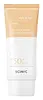
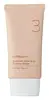
SCINIC Enjoy Foundation-Skip Tone Up Sun Cream SPF50+ PA++++ Versus Numbuzin No.3 Porcelain Base-Skip Tone Up SPF 50+
This chemical sunscreen covers the full UV range and blocks ~98% of UVB at SPF 50.
This hybrid sunscreen covers the full UV range and blocks ~98% of UVB at SPF 50.

What's inside
What's inside
 Key Ingredients
Benefits
Concerns
Ingredients Side-by-side
Water
Skin ConditioningDibutyl Adipate
EmollientDipropylene Glycol
HumectantCI 77891
Cosmetic ColorantC12-15 Alkyl Benzoate
AntimicrobialCoco-Caprylate/Caprate
Emollient
Isononyl Isononanoate
EmollientDiethylamino Hydroxybenzoyl Hexyl Benzoate
UV Filter
Phenethyl Benzoate
Emollient

Glycerin
Humectant


Bis-Ethylhexyloxyphenol Methoxyphenyl Triazine
UV Absorber
Ethylhexyl Triazone
UV Absorber
Polysilicone-15
UV Filter
Terephthalylidene Dicamphor Sulfonic Acid
UV Absorber
Pentylene Glycol
Skin Conditioning
1,2-Hexanediol
Skin Conditioning
Polyhydroxystearic Acid
Emulsifying

Poly C10-30 Alkyl Acrylate
Emulsion StabilisingPolyglyceryl-3 Methylglucose Distearate
Emulsifying
Behenyl Alcohol
Emollient
Tromethamine
BufferingPotassium Cetyl Phosphate
EmulsifyingIsododecane
EmollientOctyldodecanol
Emollient
Sodium Polyacryloyldimethyl Taurate
Emulsion StabilisingHydroxyethyl Urea
Humectant
Aluminum Hydroxide
EmollientHydroxyacetophenone
Antioxidant
Panthenol
Skin Conditioning

Stearic Acid
Cleansing
Hydroxyethyl Acrylate/Sodium Acryloyldimethyl Taurate Copolymer
Emulsion StabilisingPropanediol
Solvent
Polyglyceryl-4 Isostearate
Emulsifying
CI 77492
Cosmetic ColorantIsopropyl Titanium Triisostearate
Emollient
Polyglyceryl-2 Dipolyhydroxystearate
Skin Conditioning
Hydroxypropyl Methylcellulose Stearoxy Ether
Polyacrylate Crosspolymer-6
Emulsion StabilisingAdenosine
Skin Conditioning
Polyacrylic Acid
Emulsion StabilisingDisodium EDTA
ChelatingXanthan Gum
EmulsifyingCI 77491
Cosmetic ColorantBiosaccharide Gum-1
Humectant
Acetyl Glucosamine
Skin Conditioning

Sodium Hyaluronate
Humectant
Sodium Hyaluronate Crosspolymer
Humectant
Caprylyl Glycol
Emollient
Allantoin
Skin Conditioning
Madecassoside
Antioxidant
Benzyl Glycol
SolventHydrolyzed Glycosaminoglycans
HumectantHydroxypropyltrimonium Hyaluronate
Hydrolyzed Hyaluronic Acid
Humectant
Ethylhexylglycerin
Skin ConditioningSodium Acetylated Hyaluronate
Humectant
Hyaluronic Acid
Humectant
Hydrolyzed Sodium Hyaluronate
Skin Conditioning
Potassium Hyaluronate
Skin ConditioningWater, Dibutyl Adipate, Dipropylene Glycol, CI 77891, C12-15 Alkyl Benzoate, Coco-Caprylate/Caprate, Isononyl Isononanoate, Diethylamino Hydroxybenzoyl Hexyl Benzoate, Phenethyl Benzoate, Glycerin, Bis-Ethylhexyloxyphenol Methoxyphenyl Triazine, Ethylhexyl Triazone, Polysilicone-15, Terephthalylidene Dicamphor Sulfonic Acid, Pentylene Glycol, 1,2-Hexanediol, Polyhydroxystearic Acid, Poly C10-30 Alkyl Acrylate, Polyglyceryl-3 Methylglucose Distearate, Behenyl Alcohol, Tromethamine, Potassium Cetyl Phosphate, Isododecane, Octyldodecanol, Sodium Polyacryloyldimethyl Taurate, Hydroxyethyl Urea, Aluminum Hydroxide, Hydroxyacetophenone, Panthenol, Stearic Acid, Hydroxyethyl Acrylate/Sodium Acryloyldimethyl Taurate Copolymer, Propanediol, Polyglyceryl-4 Isostearate, CI 77492, Isopropyl Titanium Triisostearate, Polyglyceryl-2 Dipolyhydroxystearate, Hydroxypropyl Methylcellulose Stearoxy Ether, Polyacrylate Crosspolymer-6, Adenosine, Polyacrylic Acid, Disodium EDTA, Xanthan Gum, CI 77491, Biosaccharide Gum-1, Acetyl Glucosamine, Sodium Hyaluronate, Sodium Hyaluronate Crosspolymer, Caprylyl Glycol, Allantoin, Madecassoside, Benzyl Glycol, Hydrolyzed Glycosaminoglycans, Hydroxypropyltrimonium Hyaluronate, Hydrolyzed Hyaluronic Acid, Ethylhexylglycerin, Sodium Acetylated Hyaluronate, Hyaluronic Acid, Hydrolyzed Sodium Hyaluronate, Potassium Hyaluronate
Water
Skin ConditioningZinc Oxide
Cosmetic Colorant

Cyclohexasiloxane
Emollient
Propanediol
Solvent
Propylheptyl Caprylate
EmollientCaprylyl Methicone
Skin Conditioning
Trimethylsiloxysilicate
Emollient
Polyglyceryl-3 Polydimethylsiloxyethyl Dimethicone
Skin Conditioning
Titanium Dioxide
Cosmetic Colorant
Niacinamide
Smoothing


Disiloxane
Skin Conditioning
Butyloctyl Salicylate
Skin Conditioning
Centella Asiatica Extract
Cleansing
Polygonum Cuspidatum Root Extract
Antioxidant
Scutellaria Baicalensis Root Extract
Astringent
Camellia Sinensis Leaf Extract
Antimicrobial
Rosmarinus Officinalis Leaf Extract
AntimicrobialChamomilla Recutita Flower Extract
Masking
Artemisia Capillaris Extract
Glycyrrhiza Glabra Root Extract
Bleaching
Houttuynia Cordata Extract
Skin Conditioning
Melaleuca Alternifolia Leaf Extract
Perfuming
Rosmarinus Officinalis Leaf Oil
Masking
Disteardimonium Hectorite
StabilisingMagnesium Sulfate
Triethoxycaprylylsilane
1,2-Hexanediol
Skin Conditioning
Polyglyceryl-2 Dipolyhydroxystearate
Skin Conditioning
Lauryl Polyglyceryl-3 Polydimethylsiloxyethyl Dimethicone
Skin Conditioning
Methyl Methacrylate Crosspolymer
Polymethylsilsesquioxane
Dicaprylyl Carbonate
EmollientGlyceryl Caprylate
EmollientCaprylyl Glycol
Emollient
Mica
Cosmetic ColorantAluminum Hydroxide
EmollientEthylhexylglycerin
Skin ConditioningPerfluorooctyl Triethoxysilane
Tocopherol
Antioxidant
Butylene Glycol
Humectant
Pentylene Glycol
Skin Conditioning
CI 77492
Cosmetic ColorantCI 77491
Cosmetic ColorantCI 77499
Cosmetic ColorantWater, Zinc Oxide, Cyclohexasiloxane, Propanediol, Propylheptyl Caprylate, Caprylyl Methicone, Trimethylsiloxysilicate, Polyglyceryl-3 Polydimethylsiloxyethyl Dimethicone, Titanium Dioxide, Niacinamide, Disiloxane, Butyloctyl Salicylate, Centella Asiatica Extract, Polygonum Cuspidatum Root Extract, Scutellaria Baicalensis Root Extract, Camellia Sinensis Leaf Extract, Rosmarinus Officinalis Leaf Extract, Chamomilla Recutita Flower Extract, Artemisia Capillaris Extract, Glycyrrhiza Glabra Root Extract, Houttuynia Cordata Extract, Melaleuca Alternifolia Leaf Extract, Rosmarinus Officinalis Leaf Oil, Disteardimonium Hectorite, Magnesium Sulfate, Triethoxycaprylylsilane, 1,2-Hexanediol, Polyglyceryl-2 Dipolyhydroxystearate, Lauryl Polyglyceryl-3 Polydimethylsiloxyethyl Dimethicone, Methyl Methacrylate Crosspolymer, Polymethylsilsesquioxane, Dicaprylyl Carbonate, Glyceryl Caprylate, Caprylyl Glycol, Mica, Aluminum Hydroxide, Ethylhexylglycerin, Perfluorooctyl Triethoxysilane, Tocopherol, Butylene Glycol, Pentylene Glycol, CI 77492, CI 77491, CI 77499
Reviews
Ingredients Explained
These ingredients are found in both products.
Ingredients higher up in an ingredient list are typically present in a larger amount.
1,2-Hexanediol is a synthetic liquid and another multi-functional powerhouse.
It is a:
- Humectant, drawing moisture into the skin
- Emollient, helping to soften skin
- Solvent, dispersing and stabilizing formulas
- Preservative booster, enhancing the antimicrobial activity of other preservatives
Aluminum Hydroxide is a form of aluminum. It can be naturally found in nature as the mineral gibbsite. In cosmetics, Aluminum Hydroxide is used as a colorant, pH adjuster, and absorbent.
As a colorant, Aluminum Hydroxide may add opacity, or reduce the transparency. Aluminum hydroxide is contains both basic and acidic properties.
According to manufacturers, this ingredient is an emollient and humectant. This means it helps hydrate the skin.
In medicine, this ingredient is used to help relieve heartburn and help heal ulcers.
There is currently no credible scientific evidence linking aluminum hydroxide in cosmetics to increased cancer risk.
Major health organizations allow the use of aluminum hydroxide in personal care products and have not flagged it as a carcinogenic risk at typical usage levels.
Learn more about Aluminum HydroxideCaprylyl Glycol is a humectant, skin conditioner, emollient, and preservative booster derived from either caprylic acid or synthetically created.
Typical use levels vary from 0.3-1% as a preservative booster and go up to 2% to condition skin.
Because it is not a free-fatty acid, this ingredient is fungal acne safe (there's nothing for Malassezia to feed on).
Learn more about Caprylyl GlycolCi 77491 is also hydrated iron III oxide. It's sole purpose is to give a red/pink hue to products.
Iron III oxides are classified as inorganic chemicals for coloring.
Synthetically created Ci 77491 is considered safer than those naturally found. This is because the synthetically created version may contain less impurities. Iron oxides are generally non-toxic and non-allergenic.
Learn more about CI 77491CI 77492 is also hydrated iron III oxide. It's sole purpose is to give a yellow hue to products.
Iron III oxides are classified as inorganic chemicals for coloring.
Synthetically created CI 77492 is considered safer than those naturally found. This is because the synthetically created version may contain less impurities. Iron oxides are generally non-toxic and non-allergenic.
Learn more about CI 77492Ethylhexylglycerin is created from glycerin. It is a multitasker ingredient that:
The CIR Expert Panel found minimal skin absorption or sensitization of any kind in a safety assessment. Though this ingredient is considered well-tolerated, a small number of cases of allergic dermatitis have been published since 2002. Just be sure to patch test if you are unsure.
Industry-reported use ranges from 8% in rinse-off products and 2% in leave-on formulations.
Learn more about EthylhexylglycerinPentylene Glycol (1,2-pentanediol) is a multitasking little diol with three main roles in a formula:
Research on alkanediols (the family pentylene glycol belongs to) show they work by disrupting microbial cell membranes. This disruption helps the primary preservative system in a product work more effectively at lower doses.
On the safety side, the Cosmetic Ingredient Review Expert Panel has concluded this ingredient to be safe as used in current cosmetic practices + concentrations.
Typical use levels in a formula run about 1-5%.
Learn more about Pentylene GlycolPolyglyceryl-2 Dipolyhydroxystearate isn't fungal acne safe.
Propanediol is an all-star ingredient. It softens, hydrates, and smooths the skin.
It’s often used to:
Propanediol is not likely to cause sensitivity and considered safe to use. It is derived from corn or petroleum with a clear color and no scent.
Learn more about PropanediolWater. It's the most common cosmetic ingredient of all. You'll usually see it at the top of ingredient lists, meaning that it makes up the largest part of the product.
So why is it so popular? Water most often acts as a solvent - this means that it helps dissolve other ingredients into the formulation.
You'll also recognize water as that liquid we all need to stay alive. If you see this, drink a glass of water. Remember to stay hydrated!
Learn more about Water

