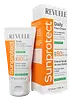
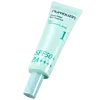
Revuele Sunprotect Daily Face Cream Oil Control SPF 50+ Versus Numbuzin No.1 Clear Filter Sun Essence SPF50+ PA++++
This hybrid sunscreen covers the full UV range and blocks ~98% of UVB at SPF 50.
This chemical sunscreen covers the full UV range and blocks ~98% of UVB at SPF 50.


What's inside
What's inside
 Key Ingredients
Benefits
Concerns
Ingredients Side-by-side
Water
Skin ConditioningHomosalate
Skin Conditioning

Ethylhexyl Dimethyl Paba
UV Absorber
Ethylhexyl Salicylate
UV Absorber
Butyl Methoxydibenzoylmethane
UV Absorber
Terephthalylidene Dicamphor Sulfonic Acid
UV Absorber
Phenylbenzimidazole Sulfonic Acid
UV Absorber
Cetearyl Alcohol
Emollient






C12-15 Alkyl Benzoate
AntimicrobialGlycerin
Humectant


Polymethylsilsesquioxane

Dimethicone
Emollient
Isohexadecane
EmollientCetearyl Methicone
Skin Conditioning
PEG-40 Stearate
Emulsifying
Steareth-2
EmulsifyingSteareth-21
CleansingGlyceryl Stearate Se
Emulsifying
Zinc Oxide
Cosmetic Colorant
Glyceryl Stearate
Emollient
Ceteareth-20
CleansingCeteareth-12
EmulsifyingCetyl Palmitate
Emollient
Betaine
Humectant
Sodium Hyaluronate
Humectant


Butylene Glycol
Humectant
Enantia Chlorantha Bark Extract
Skin ConditioningPhenoxyethanol
Preservative
Parfum
Masking


Tocopheryl Acetate
Antioxidant


Allantoin
Skin Conditioning
Triethanolamine
BufferingAcrylates/C10-30 Alkyl Acrylate Crosspolymer
Emulsion StabilisingOleanolic Acid
Skin ConditioningWater, Homosalate, Ethylhexyl Dimethyl Paba, Ethylhexyl Salicylate, Butyl Methoxydibenzoylmethane, Terephthalylidene Dicamphor Sulfonic Acid, Phenylbenzimidazole Sulfonic Acid, Cetearyl Alcohol, C12-15 Alkyl Benzoate, Glycerin, Polymethylsilsesquioxane, Dimethicone, Isohexadecane, Cetearyl Methicone, PEG-40 Stearate, Steareth-2, Steareth-21, Glyceryl Stearate Se, Zinc Oxide, Glyceryl Stearate, Ceteareth-20, Ceteareth-12, Cetyl Palmitate, Betaine, Sodium Hyaluronate, Butylene Glycol, Enantia Chlorantha Bark Extract, Phenoxyethanol, Parfum, Tocopheryl Acetate, Allantoin, Triethanolamine, Acrylates/C10-30 Alkyl Acrylate Crosspolymer, Oleanolic Acid
Water
Skin ConditioningGlycyrrhiza Glabra Root Water
Antioxidant
Dibutyl Adipate
EmollientPropanediol
Solvent
Butyloctyl Salicylate
Skin Conditioning
Ethylhexyl Triazone
UV Absorber
Terephthalylidene Dicamphor Sulfonic Acid
UV Absorber
Polymethylsilsesquioxane
1,2-Hexanediol
Skin Conditioning
Niacinamide
Smoothing




Tromethamine
BufferingPolyglyceryl-3 Distearate
Emulsifying
Butylene Glycol
Humectant
Pentylene Glycol
Skin Conditioning
Cetearyl Alcohol
Emollient
Caprylyl Methicone
Skin Conditioning
Diethylamino Hydroxybenzoyl Hexyl Benzoate
UV Filter
Polysilicone-15
UV Filter
Glyceryl Stearate
Emollient
Bis-Ethylhexyloxyphenol Methoxyphenyl Triazine
Skin Conditioning
Potassium Cetyl Phosphate
EmulsifyingMethylpropanediol
SolventCarbomer
Emulsion StabilisingCentella Asiatica Extract
Cleansing
Houttuynia Cordata Extract
Skin Conditioning
Acrylates/C10-30 Alkyl Acrylate Crosspolymer
Emulsion StabilisingCoptis Japonica Root Extract
Skin ConditioningGlyceryl Stearate Citrate
Emollient
Ethylhexylglycerin
Skin ConditioningXanthan Gum
EmulsifyingDextrin
AbsorbentAdenosine
Skin Conditioning
Polyether-1
Madecassoside
Antioxidant
Gardenia Florida Fruit Extract
Skin ConditioningBiosaccharide Gum-1
Humectant
Tocopherol
Antioxidant
Glycerin
Humectant
Polygonatum Officinale Rhizome/Root Extract
Skin ConditioningLycium Chinense Fruit Extract
Antioxidant
Velvet Extract
HumectantOphiopogon Japonicus Root Extract
Skin ConditioningPolygonum Multiflorum Root Extract
Skin ConditioningAstragalus Membranaceus Root Extract
Emollient
Laminaria Japonica Extract
Skin Protecting
Aloe Barbadensis Leaf Extract
Emollient
Dioscorea Japonica Root Extract
Skin Conditioning
Anastatica Hierochuntica Extract
AstringentUlmus Davidiana Root Extract
Skin Conditioning
Atractylodes Lancea Root Extract
Skin ConditioningViola Mandshurica Flower Extract
Antioxidant
Dimethylsilanol Hyaluronate
Humectant
Hydrolyzed Hyaluronic Acid
Humectant
Hydrolyzed Sodium Hyaluronate
Skin Conditioning
Sodium Hyaluronate
Humectant
Hyaluronic Acid
Humectant
Potassium Hyaluronate
Skin ConditioningSodium Hyaluronate Crosspolymer
Humectant
Hydroxypropyltrimonium Hyaluronate
Sodium Hyaluronate Dimethylsilanol
HumectantSodium Acetylated Hyaluronate
Humectant
Hyacinthus Orientalis Extract
Skin ConditioningWater, Glycyrrhiza Glabra Root Water, Dibutyl Adipate, Propanediol, Butyloctyl Salicylate, Ethylhexyl Triazone, Terephthalylidene Dicamphor Sulfonic Acid, Polymethylsilsesquioxane, 1,2-Hexanediol, Niacinamide, Tromethamine, Polyglyceryl-3 Distearate, Butylene Glycol, Pentylene Glycol, Cetearyl Alcohol, Caprylyl Methicone, Diethylamino Hydroxybenzoyl Hexyl Benzoate, Polysilicone-15, Glyceryl Stearate, Bis-Ethylhexyloxyphenol Methoxyphenyl Triazine, Potassium Cetyl Phosphate, Methylpropanediol, Carbomer, Centella Asiatica Extract, Houttuynia Cordata Extract, Acrylates/C10-30 Alkyl Acrylate Crosspolymer, Coptis Japonica Root Extract, Glyceryl Stearate Citrate, Ethylhexylglycerin, Xanthan Gum, Dextrin, Adenosine, Polyether-1, Madecassoside, Gardenia Florida Fruit Extract, Biosaccharide Gum-1, Tocopherol, Glycerin, Polygonatum Officinale Rhizome/Root Extract, Lycium Chinense Fruit Extract, Velvet Extract, Ophiopogon Japonicus Root Extract, Polygonum Multiflorum Root Extract, Astragalus Membranaceus Root Extract, Laminaria Japonica Extract, Aloe Barbadensis Leaf Extract, Dioscorea Japonica Root Extract, Anastatica Hierochuntica Extract, Ulmus Davidiana Root Extract, Atractylodes Lancea Root Extract, Viola Mandshurica Flower Extract, Dimethylsilanol Hyaluronate, Hydrolyzed Hyaluronic Acid, Hydrolyzed Sodium Hyaluronate, Sodium Hyaluronate, Hyaluronic Acid, Potassium Hyaluronate, Sodium Hyaluronate Crosspolymer, Hydroxypropyltrimonium Hyaluronate, Sodium Hyaluronate Dimethylsilanol, Sodium Acetylated Hyaluronate, Hyacinthus Orientalis Extract
Reviews
Ingredients Explained
These ingredients are found in both products.
Ingredients higher up in an ingredient list are typically present in a larger amount.
Acrylates/C10-30 Alkyl Acrylate Crosspolymer is a synthetic polymer. It is used to thicken, emulsify, and improve the texture of products.
As an emulsifier, it helps stabilize oil-in-water emulsions to give products an elegant feel when applied.
It can also form a thin protective film on skin. One study found that a formula using this polymer helped slow down how quickly other ingredients (like DEET) were absorbed through skin.
A 2024 study of over 1,300 patients confirmed that sensitization to this ingredient is rare. It is also non-mutagenic and has a clean track record.
Learn more about Acrylates/C10-30 Alkyl Acrylate CrosspolymerButylene Glycol (or BG) is used within cosmetic products for a few different reasons:
Overall, Butylene Glycol is a safe and well-rounded ingredient that works well with other ingredients.
Though this ingredient works well with most skin types, some people with sensitive skin may experience a reaction such as allergic rashes, closed comedones, or itchiness.
Learn more about Butylene GlycolCetearyl alcohol is a waxy mixture of two fatty alcohols: cetyl alcohol and stearyl alcohol. It is an emollient and emulsifier.
Despite having "alcohol" in its name, it has nothing to do with drying solvent alcohols; the FDA also allows "alcohol-free" products to contain fatty alcohols like this ingredient.
It plays several roles in a formula:
Typical use levels for this ingredient sit around 1-10% and the Cosmetic Ingredient Review Expert Panel has affirmed safety at concentrations up to 25% in leave-on products.
Multiple assessments have found it to be non-irritating and non-sensitizing to most people.
However, there have been some cases of allergic contact dermatitis in patients with chronically compromised skin barriers.
Cetearyl alcohol has a comedogenic rating of 2 and irritancy rating of 1. Both of these numbers come from the 1989 study that used rabbit ears; a "2" means mildly comedogenic and a "1" means low irritancy.
Here's the catch: rabbit skin is more sensitive than human skin and throws a lot of false positives. A 1996 reappraisal found that ingredients rated 1-2 in the rabbit ear tests are generally safe for humans.
Remember comedogenic ratings are unable to assess the entire formula of a product or how it will react on your skin. Just be sure to patch test if you are unsure about certain ingredients.
This ingredient is not fungal acne safe. Cetearyl alcohol is a fatty alcohol with chain lengths that fall within the range that Malassezia can metabolize.
A 2019 study has also observed Malassezia growth in the presence of this ingredient, confirming it to be not-fungal acne safe.
Learn more about Cetearyl AlcoholGlycerin (or glycerol) is a compound naturally found in your skin. It's a powerhouse humectant that pulls water into the stratum corneum.
Topically, glycerin does several things at once:
Your skin makes glycerin on its own (mostly from sebaceous oil breakdown) and shuttles it to your outermost layer of skin, or your epidermis, via aquaporin-3.
Aquaporin-3 is a transporter that is essential for normal skin hydration, elasticity, and repair. Interestingly, mice lacking in AQP3 have dry and less elastic skin that can be fully corrected with glycerin.
This ingredient is non-irritating, plays well with almost every ingredient, and works across all skin types. Typical use is anywhere between 3-10% but can go up to 79% in some leave-on products.
Just know very high concentrations (>40%) can feel tacky in low humidity.
Glycerin is the name for this ingredient in American English. British English uses Glycerol/Glycerine.
Learn more about GlycerinGlyceryl Stearate is made by reacting glycerin with stearic acid (typically sourced from plant oils like palm or coconut). It's an emulsifier, emollient, and mild occlusive.
Emulsifiers help ingredients like oil and water stay mixed so your formula stays nicely blended and uniform in texture.
This ingredient is typically used in concentrations between 1-10%. Studies have found it to be non-sensitizing, non-phototoxic, and non-photoallergenic.
A close cousin of this ingredient is Glyceryl Stearate SE ("self-emulsifying"). This just has a small amount of sodium or potassium stearate added so it can emulsify without a co-emulsifier.
Since this ingredient is an ester of a C18 fatty acid, it may not be fungal acne safe. The Malassezia yeast can potentially metabolize within the C11-C24 range.
Fun fact: The human body also creates Glyceryl Stearate naturally.
Learn more about Glyceryl StearatePolymethylsilsesquioxane is a silicone used as a film forming agent.
When applied to the skin, this ingredient creates an invisible film on the surface. This film still allows oxygen to pass through, but prevents moisture from escaping. This can help condition and hydrate the skin. It also leaves a silky feel when applied.
Polymethylsilsesquioxane has not been shown to clog pores. It has been deemed safe to use up to 55%, but most cosmetics use much less.
If you have concerns about using this ingredient, we recommend speaking with a professional.
Learn more about PolymethylsilsesquioxaneSodium Hyaluronate is the salt form of hyaluronic acid. It is a long sugar chain that is naturally found in your skin, joints, and connective tissue that maintains hydration and elasticity.
In skincare, it works as a humectant. It pulls water from the environment and deeper layers of skin and binds it to the surface.
Interestingly, the size of the molecule affects its behavior:
Some clinical evidence links low molecular weight versions to improved wrinkle depth, elasticity, anti-inflammatory effects, and barrier repair.
Many serums use a blend of both weights so you can get surface hydration plus longer-lasting and deeper effects.
You'll typically see concentrations between 0.1-2% for this ingredient.
Learn more about Sodium HyaluronateTerephthalylidene Dicamphor Sulfonic Acid (aka ecamsule or Mexoryl SX) is a water-soluble organic UV filter developed and patented by L'Oreal back in 1982.
It's one of the better UVA protectors out there and shields skin across a broad UVA range (~290-390 nm) with peak absorption right around 345 nm.
This peak absorption happens to be the exact type of UVA light that sinks deepest into skin and does the most to cause aging and dark spots.
Ecamsule works by soaking up UV rays and turning them into a tiny bit of harmless heat. The molecule basically flips, releases that energy as heat, then snaps back to its original shape and does it all over again. This is also why it's so stable in sunlight and doesn't break down or wear out the way some filters do.
The clinical backing for this ingredient is solid as well:
A large 2008 review by Fourtanier & colleagues (2008) pulled together human trials showing ecamsule-containing sunscreens prevented UV-induced pigmentation, DNA damage, and signs of aging.
That built on earlier work by Seite et al. (1998) that found it protected skin from repeated low-level UVA exposure. And a controlled study by DeLeo et al. (2009) showed that even an SPF 40 cream with ecamsule helped prevent sun-triggered rash even under the real sun.
On concentrations:
Because this ingredient is an acid, it has to be neutralized so it doesn't tank the product's pH.
Safety-wise, it's pretty well tolerated. There are some rare cases of mild irritation mostly in people with sensitivities towards camphor derivatives.
A 2019 FDA study found that volunteers who slathered on sunscreen heavily for several days had tiny amounts of ecamsule show up in their blood. This was slightly above the level at which the FDA asks for extra safety testing; this just means the FDA wants more safety studies done and not evidence that anything harmful actually happens. No problems were found and dermatologists still recommend using sunscreen.
Learn more about Terephthalylidene Dicamphor Sulfonic AcidWater. It's the most common cosmetic ingredient of all. You'll usually see it at the top of ingredient lists, meaning that it makes up the largest part of the product.
So why is it so popular? Water most often acts as a solvent - this means that it helps dissolve other ingredients into the formulation.
You'll also recognize water as that liquid we all need to stay alive. If you see this, drink a glass of water. Remember to stay hydrated!
Learn more about Water

