This anti-aging moisturizer is formulated around Aloe Barbadensis Leaf Juice and Palmitoyl Tetrapeptide-7 to soften the look of wrinkles.
This acne moisturizer is formulated around Salicylic Acid and Salix Alba Bark Extract to clear breakouts and balance excess oil.


What's inside
What's inside
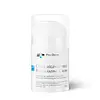 Key Ingredients
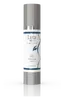
Benefits
Concerns
Ingredients Side-by-side
Water
Skin ConditioningAloe Barbadensis Leaf Juice
Skin Conditioning


Caprylic/Capric Triglyceride
Masking

Glycerin
Humectant
Glyceryl Stearate Se
Emulsifying




Propanediol
Solvent
Cetyl Alcohol
Emollient
Butyrospermum Parkii Butter
Skin Conditioning
Squalane
Emollient
Stearic Acid
Cleansing
Cholesterol
Emollient
Palmitoyl Tetrapeptide-7
Skin Conditioning

Palmitoyl Tripeptide-1
Skin Conditioning
Zinc Gluconate
Skin Conditioning



Glycosaminoglycans
EmollientSodium Hyaluronate
Humectant
Allantoin
Skin Conditioning
Panthenol
Skin Conditioning
Magnesium Ascorbyl Phosphate
Antioxidant


Bisabolol
Antioxidant
Benzyl Alcohol
Perfuming





Butylene Glycol
Humectant
Zinc PCA
Humectant
Tocopherol
Antioxidant

Sodium Citrate
BufferingGalactaric Acid
Salicylic Acid
Masking

Caffeine
Skin Conditioning
Carbomer
Emulsion StabilisingPolysorbate 20
Emulsifying
Maltodextrin
Absorbent
Trisodium EDTA
Lavandula Angustifolia Oil
Masking

Phenoxyethanol
Preservative
Potassium Sorbate
Preservative
Sorbic Acid
Preservative
Sodium Hydroxide
BufferingCitric Acid
Buffering
Water, Aloe Barbadensis Leaf Juice, Caprylic/Capric Triglyceride, Glycerin, Glyceryl Stearate Se, Propanediol, Cetyl Alcohol, Butyrospermum Parkii Butter, Squalane, Stearic Acid, Cholesterol, Palmitoyl Tetrapeptide-7, Palmitoyl Tripeptide-1, Zinc Gluconate, Glycosaminoglycans, Sodium Hyaluronate, Allantoin, Panthenol, Magnesium Ascorbyl Phosphate, Bisabolol, Benzyl Alcohol, Butylene Glycol, Zinc PCA, Tocopherol, Sodium Citrate, Galactaric Acid, Salicylic Acid, Caffeine, Carbomer, Polysorbate 20, Maltodextrin, Trisodium EDTA, Lavandula Angustifolia Oil, Phenoxyethanol, Potassium Sorbate, Sorbic Acid, Sodium Hydroxide, Citric Acid
Salicylic Acid 2%
Masking
Water
Skin ConditioningPropanediol
Solvent
Glycerin
Humectant
Butylene Glycol
Humectant
Dimethicone
Emollient
Ascorbyl Glucoside
Antioxidant
Potassium Cetyl Phosphate
EmulsifyingBehenoxy Dimethicone
Emollient
Pistacia Lentiscus Gum
MaskingMyristoyl Pentapeptide-17
Skin Conditioning
Lecithin
Emollient
Acetyl Carboxymethyl Cocoyl Glycine
Echinacea Angustifolia Meristem Cell Culture
Skin ConditioningSyringa Vulgaris Leaf Cell Culture Extract
Skin ConditioningSalix Alba Bark Extract
Astringent
Cocoyl Argininamide
Skin Conditioning
Arnica Montana Flower Extract
Masking
Equisetum Arvense Extract
AstringentSymphytum Officinale Rhizome/Root Extract
Skin ConditioningThymus Vulgaris Flower/Leaf Extract
MaskingFucus Vesiculosus Extract
Emollient
Chamomilla Recutita Flower Extract
Masking
Hexylresorcinol
Antimicrobial
Hydrastis Canadensis Extract
MaskingNiacinamide
Smoothing
Zingiber Zerumbet Extract
Skin ConditioningSodium Hyaluronate
Humectant
Glycosaminoglycans
EmollientMalva Sylvestris Extract
AstringentMentha Piperita Leaf Extract
Skin ConditioningPrimula Veris Extract
Skin ConditioningAlchemilla Vulgaris Extract
AstringentAllantoin
Skin Conditioning
Veronica Officinalis Extract
Skin ConditioningMelissa Officinalis Leaf Extract
Skin ConditioningAchillea Millefolium Extract
CleansingPhytosphingosine
Skin Conditioning
Arctostaphylos Uva Ursi Leaf Extract
Skin Conditioning
Ceramide NP
Skin Conditioning
Magnesium Ascorbyl Phosphate
Antioxidant
Morus Alba Leaf Extract
Skin ConditioningSqualane
Emollient
Ceramide EOP
Skin Conditioning
Glycyrrhiza Glabra Root Extract
Bleaching
Oryza Sativa Extract
Absorbent
Halidrys Siliquosa Extract
Skin ConditioningCeramide AP
Skin Conditioning
Zingiber Officinale Root
Skin ConditioningZingiber Officinale Root Extract
Masking
Panthenol
Skin Conditioning
Aloe Barbadensis Leaf
Masking
Dimethylmethoxy Chromanyl Palmitate
Skin Conditioning
Mentha Piperita Oil
Masking
Carbomer
Emulsion StabilisingAcrylates/C10-30 Alkyl Acrylate Crosspolymer
Emulsion StabilisingSodium Citrate
BufferingCaprooyl Sphingosine
Skin ConditioningSodium Lauroyl Lactylate
EmulsifyingTocopheryl Acetate
Antioxidant
Glyceryl Oleate
Emollient
Behenyl Alcohol
Emollient
Behenic Acid
Cleansing
Cholesterol
Emollient
Phenoxyethanol
Preservative
Ethylhexylglycerin
Skin ConditioningAlcohol
Antimicrobial
Tromethamine
BufferingSalicylic Acid 2%, Water, Propanediol, Glycerin, Butylene Glycol, Dimethicone, Ascorbyl Glucoside, Potassium Cetyl Phosphate, Behenoxy Dimethicone, Pistacia Lentiscus Gum, Myristoyl Pentapeptide-17, Lecithin, Acetyl Carboxymethyl Cocoyl Glycine, Echinacea Angustifolia Meristem Cell Culture, Syringa Vulgaris Leaf Cell Culture Extract, Salix Alba Bark Extract, Cocoyl Argininamide, Arnica Montana Flower Extract, Equisetum Arvense Extract, Symphytum Officinale Rhizome/Root Extract, Thymus Vulgaris Flower/Leaf Extract, Fucus Vesiculosus Extract, Chamomilla Recutita Flower Extract, Hexylresorcinol, Hydrastis Canadensis Extract, Niacinamide, Zingiber Zerumbet Extract, Sodium Hyaluronate, Glycosaminoglycans, Malva Sylvestris Extract, Mentha Piperita Leaf Extract, Primula Veris Extract, Alchemilla Vulgaris Extract, Allantoin, Veronica Officinalis Extract, Melissa Officinalis Leaf Extract, Achillea Millefolium Extract, Phytosphingosine, Arctostaphylos Uva Ursi Leaf Extract, Ceramide NP, Magnesium Ascorbyl Phosphate, Morus Alba Leaf Extract, Squalane, Ceramide EOP, Glycyrrhiza Glabra Root Extract, Oryza Sativa Extract, Halidrys Siliquosa Extract, Ceramide AP, Zingiber Officinale Root, Zingiber Officinale Root Extract, Panthenol, Aloe Barbadensis Leaf, Dimethylmethoxy Chromanyl Palmitate, Mentha Piperita Oil, Carbomer, Acrylates/C10-30 Alkyl Acrylate Crosspolymer, Sodium Citrate, Caprooyl Sphingosine, Sodium Lauroyl Lactylate, Tocopheryl Acetate, Glyceryl Oleate, Behenyl Alcohol, Behenic Acid, Cholesterol, Phenoxyethanol, Ethylhexylglycerin, Alcohol, Tromethamine
Ingredients Explained
These ingredients are found in both products.
Ingredients higher up in an ingredient list are typically present in a larger amount.
Allantoin is a soothing ingredient known for its protective and moisturizing properties; it's basically a quiet workhorse ingredient you can find in a huge range of cosmetics.
Though it can be derived from the comfrey plant, allantoin is produced synthetically for cosmetic products to ensure purity.
Research shows it can encourage your skin cells to turn over and renew by stimulating keratinocyte and fibroblast proliferation.
It also has mild keratolytic properties to help loosen and shed dead skin cells without being harsh.
Studies also suggest allantoin can help calm inflammation by dialing down some of the chemical signals your skin sends out when it is irritated.
This ingredient is typically used in the 0.1-0.5% range, and the FDA recognizes it as a skin protectant in OTC products up to 2%.
Overall, allantoin is a wonderful addition to most routines; it is stable across a wide pH range (~4-8), works well with other ingredients, and is considered non-sensitizing/non-irritating.
Fun fact: Allantoin is naturally occurring in comfrey root, beets, chamomile, and wheat sprouts. Our bodies even produce it as a byproduct of uric acid metabolism.
Learn more about AllantoinButylene Glycol (or BG) is used within cosmetic products for a few different reasons:
Overall, Butylene Glycol is a safe and well-rounded ingredient that works well with other ingredients.
Though this ingredient works well with most skin types, some people with sensitive skin may experience a reaction such as allergic rashes, closed comedones, or itchiness.
Learn more about Butylene GlycolCarbomer is a synthetic thickening and gelling agent. It's basically the ingredient that gives a lot of serums, gels, creams, and sunscreens their smooth, non-sticky texture.
Although legally permitted at very high levels, carbomers are normally used at concentrations below 1%.
It also needs to be neutralized to actually thicken, and because it is a large molecule, it doesn't really penetrate the skin barrier.
Allergy-wise, the risk is very low. Clinical studies show carbomers have low potential for skin irritation/sensitization even at concentrations up to 100%.
A 2024 UK study patch-tested 1,302 patients and found true allergy to the parent group of carbomer to be rare with no confirmed relevant reactions.
Learn more about CarbomerCholesterol is a lipid that is naturally found in human skin and is one of the three key components of your skin barrier. In skincare, it is an emollient and barrier-repairing ingredient.
It works by fitting directly into the lipid layers of skin to help restore structure and reduce transepidermal water loss (TEWL).
This is a great ingredient for dry, compromised, or aging skin; our skin starts to produce less cholesterol with age.
Research shows cholesterol works best in combination with ceramides and fatty acids, the other two major components in your skin barrier.
Cholesterol is also a well-establish penetration enhancer and can help other actives absorb more effectively.
Cosmetic-grade cholesterol is usually derived from lanolin but plant and synthetic options also exist. We recommend reaching out to the brand if you have questions about their source of cholesterol.
Learn more about CholesterolGlycerin (or glycerol) is a compound naturally found in your skin. It's a powerhouse humectant that pulls water into the stratum corneum.
Topically, glycerin does several things at once:
Your skin makes glycerin on its own (mostly from sebaceous oil breakdown) and shuttles it to your outermost layer of skin, or your epidermis, via aquaporin-3.
Aquaporin-3 is a transporter that is essential for normal skin hydration, elasticity, and repair. Interestingly, mice lacking in AQP3 have dry and less elastic skin that can be fully corrected with glycerin.
This ingredient is non-irritating, plays well with almost every ingredient, and works across all skin types. Typical use is anywhere between 3-10% but can go up to 79% in some leave-on products.
Just know very high concentrations (>40%) can feel tacky in low humidity.
Glycerin is the name for this ingredient in American English. British English uses Glycerol/Glycerine.
Learn more about GlycerinWe don't have a description for Glycosaminoglycans yet.
Magnesium Ascorbyl Phosphate (MAP) is a water-soluble form of Vitamin C. It is used in skincare because it tends to be more formulation friendly than pure vitamin C (ascorbic acid).
According to research, MAP has three major benefits:
While MAP is gentler on the skin than ascorbic acid, it is thought to be less easily absorbed into the skin.
In a well-known absorption study, pure vitamin C increased skin vitamin C levels when formulated correctly, but derivatives like MAP did not in that experiment. This suggests MAP may not always convert into active vitamin C in the skin.
Due to MAP's stability up to a pH level of 7, it is more stable to air and sunlight exposure than ascorbic acid. The best pH range for MAP is between 5 and 6.
Learn more about Magnesium Ascorbyl PhosphatePanthenol is a common ingredient that helps hydrate and soothe the skin. It is found naturally in our skin and hair.
There are two forms of panthenol: D and L.
D-panthenol is also known as dexpanthenol. Most cosmetics use dexpanthenol or a mixture of D and L-panthenol.
Panthenol is famous due to its ability to go deeper into the skin's layers. Using this ingredient has numerous pros (and no cons):
Like hyaluronic acid, panthenol is a humectant. Humectants are able to bind and hold large amounts of water to keep skin hydrated.
This ingredient works well for wound healing. It works by increasing tissue in the wound and helps close open wounds.
Once oxidized, panthenol converts to pantothenic acid. Panthothenic acid is found in all living cells.
This ingredient is also referred to as pro-vitamin B5.
Learn more about PanthenolPhenoxyethanol is one of the most widely used preservatives in skincare (and for good reason!).
It has a large spectrum of antimicrobial activity and especially effective bacteria, yeast, and mold while only having a weak effect on your skin's natural microbiome.
On a cellular level, it disrupts the cell membranes of microbes by poking holes that make the cell leak. This shuts down the chemical reactions the microbe needs to make energy so it can no longer survive.
Another perk of this ingredient is that it stays functional across a wide pH range (3-10).
You'll often see it paired with boosters like Ethylhexylglycerin; one study showed that a 1:9 ratio of Ethylhexylglycerin to Phenoxyethanol damages bacterial membranes as effectively as doubling the Phenoxyethanol concentration on its own.
Typical use concentrations range from 0.3-1% depending on the formula, and this ingredient is capped at 1% int the EU.
Safety-wise, the fear mongering does not hold up to the evidence. The EU's Scientific Committee on Consumer Safety and FDA consider it safe as a preservative at up to 1%, including for children of all ages.
Adverse systemic effects only showed up in animal studies at exposures roughly 200x higher than what people get from cosmetics. And despite its very widespread use, this ingredient is a rare sensitizer and allergic reactions are uncommon.
Learn more about PhenoxyethanolPropanediol is an all-star ingredient. It softens, hydrates, and smooths the skin.
It’s often used to:
Propanediol is not likely to cause sensitivity and considered safe to use. It is derived from corn or petroleum with a clear color and no scent.
Learn more about PropanediolSalicylic Acid (also known as beta hydroxy acid or BHA) is a well-known ingredient for treating skin that struggles with acne and clogged pores. It exfoliates both the skin's surface and deep within the pores to help clear out buildup, control oil, and reduce inflammation.
Unlike AHAs (alpha hydroxy acids), salicylic acid is oil-soluble. This allows it to penetrate into pores which makes it especially effective for treating blackheads and preventing future breakouts.
Salicylic acid is also known for its soothing properties. It has a similar structure to aspirin and can calm inflamed or irritated skin, making it a good option for acne-prone skin that is also sensitive.
Concentrations of 0.5-2% are recognized by the U.S. FDA as an over-the-counter topical acne product.
It can cause irritation and/or dryness if one's skin already has a compromised moisture barrier, so it's best to focus on repairing that before introducing this ingredient into your routine.
While salicylic acid does not increase sun sensitivity, it’s still important to wear sunscreen daily to protect your skin.
If you are looking for the ingredient called BHA or Butylated Hydroxyanisole, click here.
Learn more about Salicylic AcidSodium Citrate is the sodium salts of citric acid. In skincare, it is used to alter pH levels and acts as a preservative.
Its main functions are to maintain the pH of a product and neutralize metal ions.
The acidity of our skin is maintained by our glands and skin biome; normal pH level of skin is slightly acidic (~4.75-5.5).
Being slightly acidic allows our skin to create an "acid mantle". This acid mantle is a thin barrier that protects our skin from bacteria and contaminants.
Learn more about Sodium CitrateSodium Hyaluronate is the salt form of hyaluronic acid. It is a long sugar chain that is naturally found in your skin, joints, and connective tissue that maintains hydration and elasticity.
In skincare, it works as a humectant. It pulls water from the environment and deeper layers of skin and binds it to the surface.
Interestingly, the size of the molecule affects its behavior:
Some clinical evidence links low molecular weight versions to improved wrinkle depth, elasticity, anti-inflammatory effects, and barrier repair.
Many serums use a blend of both weights so you can get surface hydration plus longer-lasting and deeper effects.
You'll typically see concentrations between 0.1-2% for this ingredient.
Learn more about Sodium HyaluronateSqualane is the hydrogenated and shelf-stable form of squalene (a lipid that naturally occurs in human sebum).
It is an emollient and skin conditioning agent that is able to integrate seamlessly into the skin's lipid barrier without clogging pores.
This is due to how structurally similar it is to what your skin already produces.
Though it is mostly an emollient that helps soften and hydrate skin, it also has some humectant and occlusive action. Humectants help the skin retain moisture while occlusives seal it in, making squalane a triple-threat moisturizer.
Research shows it has antioxidant capabilities that help protect against stressors like UV exposure, specifically UVA induced oxidative stress. This study also found that it supports collagen biosynthesis in human dermal fibroblasts.
No clinical study has reported significant adverse effects and irritation reactions are very rare from this ingredient (even at 100% concentration).
Overall, it's a fantastic ingredient for hydration and is suitable for all skin types.
This depends on the source. Squalane can be derived from both plants and animals. Most squalane used in skincare comes from plants.
Please note: the source of squalane is only known if disclosed by the brand. We recommend reaching out to the brand if you have any questions about their squalane.
Read more about squalene with an "e".
Though squalane is often called an oil, it’s technically not one. It is a hydrocarbon, meaning it is only made of carbon and hydrogen. True oils are triglycerides and made of fatty acids and glycerol.
The term “oil-free” isn’t regulated so companies can define it however they want. Some exclude all oils, while others just avoid mineral oil or comedogenic oils.
Squalane has a comedogenic rating of 1 from the original 1972 study that tested raw ingredients under occlusion on rabbit ears. This system is not standardized or peer-reviewed, and using the raw ingredients is very different from how diluted cosmetic formulations are used on human skin.
A comedogenic rating of 1 means it is "unlikely to clog pores" according to the original rating system.
The overall formula of a product matters more than the individual ingredients on whether or not it will cause clogged pores.
Learn more about SqualaneWater. It's the most common cosmetic ingredient of all. You'll usually see it at the top of ingredient lists, meaning that it makes up the largest part of the product.
So why is it so popular? Water most often acts as a solvent - this means that it helps dissolve other ingredients into the formulation.
You'll also recognize water as that liquid we all need to stay alive. If you see this, drink a glass of water. Remember to stay hydrated!
Learn more about Water


