
What's inside
What's inside
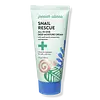 Key Ingredients
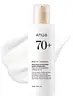
Benefits
Concerns
Ingredients Side-by-side
Snail Secretion Filtrate
Skin Conditioning





Water
Skin ConditioningHydrogenated Polydecene
EmollientGlycerin
Humectant
Cetearyl Olivate

Propanediol
Solvent
Butyrospermum Parkii Butter
Skin Conditioning

Jojoba Esters
Emollient
Hyaluronic Acid
Humectant

Hydrolyzed Hyaluronic Acid
Humectant
Sodium Hyaluronate
Humectant
Cetearyl Alcohol
Emollient
Centella Asiatica Extract
Cleansing
Centella Asiatica Leaf Extract
Skin Conditioning
Centella Asiatica Root Extract
Skin Conditioning
Asiatic Acid
Skin ConditioningAsiaticoside
Antioxidant
Madecassic Acid
Skin Conditioning
Madecassoside
Antioxidant
Betula Alba Juice
AstringentSqualane
Emollient
Sorbitan Olivate
Emulsifying
Glyceryl Stearate
Emollient
Butylene Glycol
Humectant
Carbomer
Emulsion StabilisingHydroxyethylcellulose
Emulsion StabilisingPhytosteryl Macadamiate
Skin Conditioning
Tocopherol
Antioxidant
Ethylhexylglycerin
Skin Conditioning1,2-Hexanediol
Skin Conditioning
Hydrolyzed Malt Extract
Skin ConditioningTrisodium Ethylenediamine Disuccinate
Sorbitan Isostearate
Emulsifying
C18-36 Acid Triglyceride
EmollientTromethamine
BufferingHydroxyethyl Acrylate/Sodium Acryloyldimethyl Taurate Copolymer
Emulsion StabilisingGlycyrrhiza Glabra Root Extract
Bleaching
Synthetic Beeswax
Emulsion Stabilising
Hydrolyzed Viola Tricolor Extract
Skin ProtectingHydrolyzed Gardenia Florida Extract
Antioxidant
C12-18 Acid Triglyceride
EmollientPhytosterols
Skin Conditioning
Pinus Pinaster Bark Extract
Antioxidant
Biosaccharide Gum-1
Humectant
Snail Secretion Filtrate, Water, Hydrogenated Polydecene, Glycerin, Cetearyl Olivate, Propanediol, Butyrospermum Parkii Butter, Jojoba Esters, Hyaluronic Acid, Hydrolyzed Hyaluronic Acid, Sodium Hyaluronate, Cetearyl Alcohol, Centella Asiatica Extract, Centella Asiatica Leaf Extract, Centella Asiatica Root Extract, Asiatic Acid, Asiaticoside, Madecassic Acid, Madecassoside, Betula Alba Juice, Squalane, Sorbitan Olivate, Glyceryl Stearate, Butylene Glycol, Carbomer, Hydroxyethylcellulose, Phytosteryl Macadamiate, Tocopherol, Ethylhexylglycerin, 1,2-Hexanediol, Hydrolyzed Malt Extract, Trisodium Ethylenediamine Disuccinate, Sorbitan Isostearate, C18-36 Acid Triglyceride, Tromethamine, Hydroxyethyl Acrylate/Sodium Acryloyldimethyl Taurate Copolymer, Glycyrrhiza Glabra Root Extract, Synthetic Beeswax, Hydrolyzed Viola Tricolor Extract, Hydrolyzed Gardenia Florida Extract, C12-18 Acid Triglyceride, Phytosterols, Pinus Pinaster Bark Extract, Biosaccharide Gum-1
Oryza Sativa Bran Water
Masking
Hydrogenated Poly(C6-14 Olefin)
EmollientButylene Glycol
Humectant
Glycerin
Humectant
Niacinamide
Smoothing



Limnanthes Alba Seed Oil
Skin Conditioning
Phytosteryl/Octyldodecyl Lauroyl Glutamate
Skin Conditioning1,2-Hexanediol
Skin Conditioning
Diglycerin
Humectant
Cetyl Ethylhexanoate
EmollientWater
Skin ConditioningPhytosteryl/Isostearyl/Cetyl/Stearyl/Behenyl Dimer Dilinoleate
Skin ConditioningGlyceryl Stearate
Emollient
Cocos Nucifera Oil
Masking
Vinyldimethicone

Behenyl Alcohol
Emollient
Oryza Sativa Extract
Absorbent
Polysorbate 20
Emulsifying
Cetearyl Alcohol
Emollient
Arginine
Masking
Hydroxyacetophenone
Antioxidant
Hydrogenated Lecithin
Emulsifying
Ethylhexylglycerin
Skin ConditioningAcrylates/C10-30 Alkyl Acrylate Crosspolymer
Emulsion StabilisingHydroxyethyl Acrylate/Sodium Acryloyldimethyl Taurate Copolymer
Emulsion StabilisingGlyceryl Stearate Se
Emulsifying
Xanthan Gum
EmulsifyingAdenosine
Skin Conditioning
Carbomer
Emulsion StabilisingCholesterol
Emollient
Dipropylene Glycol
HumectantCeramide NP
Skin Conditioning
Sorbitan Isostearate
Emulsifying
Lactobacillus Ferment Filtrate
Skin ConditioningSqualane
Emollient
Allantoin
Skin Conditioning
Oryza Sativa Seed Protein
Antioxidant
Hydrolyzed Rice Protein
Skin ConditioningTocopherol
Antioxidant
Ectoin
Skin Conditioning
Phytosphingosine
Skin Conditioning
Palmitic Acid
Emollient
Stearic Acid
Cleansing
Sodium Hyaluronate
Humectant
Ceramide As
Skin Conditioning
Ceramide AP
Skin Conditioning
Ceramide Ns
Skin Conditioning
Hydrolyzed Hyaluronic Acid
Humectant
Sodium Acetylated Hyaluronate
Humectant
Oryza Sativa Bran Oil
Emollient
Ceramide EOP
Skin Conditioning
Oryza Sativa Bran Water, Hydrogenated Poly(C6-14 Olefin), Butylene Glycol, Glycerin, Niacinamide, Limnanthes Alba Seed Oil, Phytosteryl/Octyldodecyl Lauroyl Glutamate, 1,2-Hexanediol, Diglycerin, Cetyl Ethylhexanoate, Water, Phytosteryl/Isostearyl/Cetyl/Stearyl/Behenyl Dimer Dilinoleate, Glyceryl Stearate, Cocos Nucifera Oil, Vinyldimethicone, Behenyl Alcohol, Oryza Sativa Extract, Polysorbate 20, Cetearyl Alcohol, Arginine, Hydroxyacetophenone, Hydrogenated Lecithin, Ethylhexylglycerin, Acrylates/C10-30 Alkyl Acrylate Crosspolymer, Hydroxyethyl Acrylate/Sodium Acryloyldimethyl Taurate Copolymer, Glyceryl Stearate Se, Xanthan Gum, Adenosine, Carbomer, Cholesterol, Dipropylene Glycol, Ceramide NP, Sorbitan Isostearate, Lactobacillus Ferment Filtrate, Squalane, Allantoin, Oryza Sativa Seed Protein, Hydrolyzed Rice Protein, Tocopherol, Ectoin, Phytosphingosine, Palmitic Acid, Stearic Acid, Sodium Hyaluronate, Ceramide As, Ceramide AP, Ceramide Ns, Hydrolyzed Hyaluronic Acid, Sodium Acetylated Hyaluronate, Oryza Sativa Bran Oil, Ceramide EOP
Reviews
Ingredients Explained
These ingredients are found in both products.
Ingredients higher up in an ingredient list are typically present in a larger amount.
1,2-Hexanediol is a synthetic liquid and another multi-functional powerhouse.
It is a:
- Humectant, drawing moisture into the skin
- Emollient, helping to soften skin
- Solvent, dispersing and stabilizing formulas
- Preservative booster, enhancing the antimicrobial activity of other preservatives
Butylene Glycol (or BG) is used within cosmetic products for a few different reasons:
Overall, Butylene Glycol is a safe and well-rounded ingredient that works well with other ingredients.
Though this ingredient works well with most skin types, some people with sensitive skin may experience a reaction such as allergic rashes, closed comedones, or itchiness.
Learn more about Butylene GlycolCarbomer is a polymer of acrylic acid. Its main role is to create a gel consistency.
A high amount of carbomer can cause pilling or balling up of products. Don't worry, most products contain 1% or less of carbomer.
Cetearyl alcohol is a mixture of two fatty alcohols: cetyl alcohol and stearyl alcohol. It is mainly used as an emulsifier. Emulsifiers help prevent the separation of oils and products. Due to its composition, it can also be used to thicken a product or help create foam.
Cetearyl alcohol is an emollient. Emollients help soothe and hydrate the skin by trapping moisture.
Studies show Cetearyl alcohol is non-toxic and non-irritating. The FDA allows products labeled "alcohol-free" to have fatty alcohols.
This ingredient is usually derived from plant oils such as palm, vegetable, or coconut oils. There is debate on whether this ingredient will cause acne.
Due to the fatty acid base, this ingredient may not be Malassezia folliculitis safe.
Learn more about Cetearyl AlcoholEthylhexylglycerin (we can't pronounce this either) is commonly used as a preservative and skin softener. It is derived from glyceryl.
You might see Ethylhexylglycerin often paired with other preservatives such as phenoxyethanol. Ethylhexylglycerin has been found to increase the effectiveness of these other preservatives.
Glycerin is already naturally found in your skin. It helps moisturize and protect your skin.
A study from 2016 found glycerin to be more effective as a humectant than AHAs and hyaluronic acid.
As a humectant, it helps the skin stay hydrated by pulling moisture to your skin. The low molecular weight of glycerin allows it to pull moisture into the deeper layers of your skin.
Hydrated skin improves your skin barrier; Your skin barrier helps protect against irritants and bacteria.
Glycerin has also been found to have antimicrobial and antiviral properties. Due to these properties, glycerin is often used in wound and burn treatments.
In cosmetics, glycerin is usually derived from plants such as soybean or palm. However, it can also be sourced from animals, such as tallow or animal fat.
This ingredient is organic, colorless, odorless, and non-toxic.
Glycerin is the name for this ingredient in American English. British English uses Glycerol/Glycerine.
Learn more about GlycerinGlyceryl Stearate is a mix of glycerin and stearic acid.
It is used to stabilize the mixing of water and oil ingredients. By preventing these ingredients from separating, it can help elongate shelf life. It can also help thicken the product's texture.
As an emollient, it helps soften skin and supports barrier-replenishing ingredients.
In cosmetics, Glyceryl Stearate is often made from vegetable oils or synthetically produced.
This ingredient may not be fungal-acne safe
Fun fact: The human body also creates Glyceryl Stearate naturally.
Learn more about Glyceryl StearateHydrolyzed Hyaluronic Acid is a form of hyaluronic acid. It is created by the hydrolysis of hyaluronic acid with a high molecular weight. Once created, Hydrolyzed Hyaluronic Acid has a low molecular weight.
Low molecular weight HA has been shown to hydrate and increase elasticity of the skin. Increasing elasticity is also associated with reduction of wrinkle depth.
One study found topical low molecular weight hyaluronic acid may be considered for the treatment of rosacea in the adult population. However, we always recommend speaking with a professional about your skin concerns.
Hyaluronic acids are a humectant. This means they draw moisture from the air. Hyaluronic acids help moisturize, soothe, and protect the skin.
Read more about other common forms of hyaluronic acid:
Learn more about Hydrolyzed Hyaluronic AcidThis is a synthetic polymer. It helps improve the texture of products by adding thickness and gel-like feel.
It is also an emulsifer, meaning it prevents ingredients such as oil and water from separating. It also helps evenly disperse other ingredients.
Sodium Hyaluronate is hyaluronic acid's salt form. It is commonly derived from the sodium salt of hyaluronic acid.
Like hyaluronic acid, it is great at holding water and acts as a humectant. This makes it a great skin hydrating ingredient.
Sodium Hyaluronate is naturally occurring in our bodies and is mostly found in eye fluid and joints.
These are some other common types of Hyaluronic Acid:
Learn more about Sodium HyaluronateSorbitan Isostearate is an emulsifer and cleaning agent. It is created from isostearic acid and sorbitol.
As an emulsifier, Sorbitan Isostearate prevents oils and water from separating.
Due to its isostearic acid base, it may not be safe for Malassezia or fungal acne.
Learn more about Sorbitan IsostearateSqualane is an emollient that helps the skin hold onto moisture. It's an oily liquid that occurs naturally in certain types of fish and plant oils.
Because squalane boosts hydration in the skin, it also comes with plenty of benefits: it is an antioxidant and can help fight free radicals and skin damage. Squalane is also found to have a detoxifying effect when applied.
Squalane comes from squalene, which occurs naturally within the sebum of our skin. It is one of the oils our skin produces to keep itself hydrated. Squalane is the hydrogenated version of squalene and has a longer shelf life.
Research shows that squalane is non-irritating (even at 100% concentration).
In general, it's a fantastic ingredient. It does a great job at hydrating the skin, and it's suitable for those with sensitive skin.
The source of squalane may impact malassezia / fungal acne. This is because olive oil derived squalane can contain impurities such as fatty acids and plant waxes. Sugarcane derived squalane is recommended for anyone with malassezia concerns.
Is squalane vegan?
This depends on the source. Squalane can be derived from both plants and animals. Most squalane used in skincare comes from plants.
Please note: the source of squalane is only known if disclosed by the brand. We recommend reaching out to the brand if you have any questions about their squalane.
Read more about squalene with an "e".
Is squalane an oil?
Squalane is often called an oil, but it’s technically not; it’s a hydrocarbon, meaning it’s only made of carbon and hydrogen, unlike true oils which are triglycerides made of fatty acids and glycerol.
The term “oil-free” isn’t regulated, so companies can define it however they want. Some exclude all oils, while others just avoid mineral oil or comedogenic oils.
While some people avoid oils thinking they cause breakouts, the right kind of oil (or oil-like ingredient like squalane) can actually help balance and hydrate your skin. It’s worth testing out simple oils or squalane to see what works best for your skin.
Learn more about SqualaneTocopherol (also known as Vitamin E) is a common antioxidant used to help protect the skin from free-radicals and strengthen the skin barrier. It's also fat soluble - this means our skin is great at absorbing it.
Vitamin E also helps keep your natural skin lipids healthy. Your lipid skin barrier naturally consists of lipids, ceramides, and fatty acids. Vitamin E offers extra protection for your skin’s lipid barrier, keeping your skin healthy and nourished.
Another benefit is a bit of UV protection. Vitamin E helps reduce the damage caused by UVB rays. (It should not replace your sunscreen). Combining it with Vitamin C can decrease sunburned cells and hyperpigmentation after UV exposure.
You might have noticed Vitamin E + C often paired together. This is because it is great at stabilizing Vitamin C. Using the two together helps increase the effectiveness of both ingredients.
There are often claims that Vitamin E can reduce/prevent scarring, but these claims haven't been confirmed by scientific research.
Learn more about TocopherolWater. It's the most common cosmetic ingredient of all. You'll usually see it at the top of ingredient lists, meaning that it makes up the largest part of the product.
So why is it so popular? Water most often acts as a solvent - this means that it helps dissolve other ingredients into the formulation.
You'll also recognize water as that liquid we all need to stay alive. If you see this, drink a glass of water. Stay hydrated!
Learn more about Water
