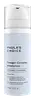
This barrier-repair moisturizer is formulated around Butyrospermum Parkii Butter and Linoleic Acid to strengthen the skin barrier and hydrate skin.
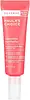
This pore-care treatment is formulated around Ascorbyl Glucoside and Salicylic Acid to refine the look of pores and balance excess oil.

What's inside
What's inside
 Key Ingredients
Benefits
Concerns
Ingredients Side-by-side
Water
Skin ConditioningButyrospermum Parkii Butter
Skin Conditioning






Ceteareth-6 Olivate
EmulsifyingButylene Glycol
Humectant
C13-15 Alkane
SolventGlycerin
Humectant
Glyceryl Stearate
Emollient
Polyglyceryl-4 Laurate
Emulsifying
Decyl Oleate
Emollient
Linum Usitatissimum Seed Oil
Perfuming

Salvia Hispanica Seed Oil
Emollient
Olea Europaea Fruit Oil
Masking
Passiflora Edulis Seed Oil
Emollient
Borago Officinalis Seed Oil
Emollient

Hydrogenated Olive Oil
Skin Conditioning
Psidium Guajava Fruit Extract
AstringentOlea Europaea Oil Unsaponifiables
Skin Conditioning
Limnanthes Alba Seed Oil
Skin Conditioning
Linoleic Acid
Cleansing
Linolenic Acid
Cleansing
Oleic Acid
Emollient
Euterpe Oleracea Sterols
Skin ConditioningCeramide AP
Skin Conditioning

Ceramide EOP
Skin Conditioning
Ceramide NP
Skin Conditioning
Serine
Masking
Alanine
Masking
Glycine
Buffering
Proline
Skin Conditioning
Lysine Hcl
Skin Conditioning
Threonine
Arginine
Masking
Squalane
Emollient
Cholesterol
Emollient
Phytosphingosine
Skin Conditioning
Anastatica Hierochuntica Extract
AstringentLecithin
Emollient
Sodium Hyaluronate
Humectant
Sodium Lactate
Buffering
Boerhavia Diffusa Root Extract
Skin Protecting
Adenosine
Skin Conditioning
Phytic Acid


Glutamic Acid
Humectant
Betaine
Humectant
Pullulan
PCA
Humectant
Sodium PCA
Humectant
Carbomer
Emulsion StabilisingSodium Polyacrylate Starch
AbsorbentSclerotium Gum
Emulsion StabilisingXanthan Gum
EmulsifyingSodium Lauroyl Lactylate
EmulsifyingPhenoxyethanol
Preservative
Ethylhexylglycerin
Skin ConditioningWater, Butyrospermum Parkii Butter, Ceteareth-6 Olivate, Butylene Glycol, C13-15 Alkane, Glycerin, Glyceryl Stearate, Polyglyceryl-4 Laurate, Decyl Oleate, Linum Usitatissimum Seed Oil, Salvia Hispanica Seed Oil, Olea Europaea Fruit Oil, Passiflora Edulis Seed Oil, Borago Officinalis Seed Oil, Hydrogenated Olive Oil, Psidium Guajava Fruit Extract, Olea Europaea Oil Unsaponifiables, Limnanthes Alba Seed Oil, Linoleic Acid, Linolenic Acid, Oleic Acid, Euterpe Oleracea Sterols, Ceramide AP, Ceramide EOP, Ceramide NP, Serine, Alanine, Glycine, Proline, Lysine Hcl, Threonine, Arginine, Squalane, Cholesterol, Phytosphingosine, Anastatica Hierochuntica Extract, Lecithin, Sodium Hyaluronate, Sodium Lactate, Boerhavia Diffusa Root Extract, Adenosine, Phytic Acid, Glutamic Acid, Betaine, Pullulan, PCA, Sodium PCA, Carbomer, Sodium Polyacrylate Starch, Sclerotium Gum, Xanthan Gum, Sodium Lauroyl Lactylate, Phenoxyethanol, Ethylhexylglycerin
Water
Skin ConditioningPropanediol
Solvent
Butylene Glycol
Humectant
Ethoxydiglycol
HumectantGlycerin
Humectant
Ascorbyl Glucoside
Antioxidant

Panthenol
Skin Conditioning
Salicylic Acid
Masking






Camellia Sinensis Callus
Antimicrobial
Glycyrrhiza Glabra Root Extract
Bleaching
Potassium Azeloyl Diglycinate
Skin Conditioning
Coffea Arabica Fruit Extract
Antioxidant
Ceramide NP
Skin Conditioning
Vitis Vinifera Seed Extract
Antimicrobial
Panax Ginseng Root Extract
Emollient
Niacinamide
Smoothing
Phytic Acid
Epigallocatechin Gallate
Antioxidant
Adenosine
Skin Conditioning
Ubiquinone
Antioxidant
Calendula Officinalis Flower Extract
Masking
Lonicera Caprifolium Flower Extract
Perfuming
Sodium Hyaluronate
Humectant
Lecithin
Emollient
Centella Asiatica Extract
Cleansing
Sucrose Stearate
EmollientGlycine Soja Seed Extract
Skin Conditioning
Hydrogenated Lecithin
Emulsifying
Carbomer
Emulsion StabilisingTetrasodium Glutamate Diacetate
Caprylic/Capric Triglyceride
Masking
Caprylyl Glycol
Emollient
Polysorbate 20
Emulsifying
Polyglyceryl-10 Stearate
Skin Conditioning
Hydroxyethylcellulose
Emulsion StabilisingSodium Hydroxide
BufferingEthylhexylglycerin
Skin ConditioningPhenoxyethanol
Preservative
Water, Propanediol, Butylene Glycol, Ethoxydiglycol, Glycerin, Ascorbyl Glucoside, Panthenol, Salicylic Acid, Camellia Sinensis Callus, Glycyrrhiza Glabra Root Extract, Potassium Azeloyl Diglycinate, Coffea Arabica Fruit Extract, Ceramide NP, Vitis Vinifera Seed Extract, Panax Ginseng Root Extract, Niacinamide, Phytic Acid, Epigallocatechin Gallate, Adenosine, Ubiquinone, Calendula Officinalis Flower Extract, Lonicera Caprifolium Flower Extract, Sodium Hyaluronate, Lecithin, Centella Asiatica Extract, Sucrose Stearate, Glycine Soja Seed Extract, Hydrogenated Lecithin, Carbomer, Tetrasodium Glutamate Diacetate, Caprylic/Capric Triglyceride, Caprylyl Glycol, Polysorbate 20, Polyglyceryl-10 Stearate, Hydroxyethylcellulose, Sodium Hydroxide, Ethylhexylglycerin, Phenoxyethanol
Reviews
Ingredients Explained
These ingredients are found in both products.
Ingredients higher up in an ingredient list are typically present in a larger amount.
Adenosine is a purine nucleoside that your body already makes in every cell. In skincare, it acts mainly as a skin conditioning and anti-aging agent.
The way it works is fairly well mapped out:
Your skin has cells called fibroblasts that build collagen (the stuff that keeps skin firm and smooth). Adenosine basically flips a switch on these cells that tells them to get to work making more collagen and other proteins. These cells slow down on their own as skin ages, so Adenosine helps give them a little nudge to keep going.
The clinical backing is pretty solid too.
A blind, randomized, placebo-controlled trial of 126 women aged 45-65 tested a 0.1% cream twice daily and found real improvements in crow's feet and frown lines using a precise 3D skin-mapping technique; these changes showed up by week 3 and held at 2 months.
A later study using Adenosine-loaded dissolving microneedle patches reported gains in wrinkle depth, dermal density, elasticity, and hydration.
On concentrations, South Korea's Ministry of Food and Drug Safety has set 0.04% as the approved functional anti-wrinkle level. You'll typically see this ingredient used somewhere in the 0.04-0.1% range since it works at low doses.
This ingredient has been found safe for cosmetics with the data showing no irritation or sensitization.
Overall, this is a great ingredient for any anti-aging routine and has no photosensitizing effect, so it suits both AM and PM use.
Learn more about AdenosineButylene Glycol (or BG) is used within cosmetic products for a few different reasons:
Overall, Butylene Glycol is a safe and well-rounded ingredient that works well with other ingredients.
Though this ingredient works well with most skin types, some people with sensitive skin may experience a reaction such as allergic rashes, closed comedones, or itchiness.
Learn more about Butylene GlycolCarbomer is a synthetic thickening and gelling agent. It's basically the ingredient that gives a lot of serums, gels, creams, and sunscreens their smooth, non-sticky texture.
Although legally permitted at very high levels, carbomers are normally used at concentrations below 1%.
It also needs to be neutralized to actually thicken, and because it is a large molecule, it doesn't really penetrate the skin barrier.
Allergy-wise, the risk is very low. Clinical studies show carbomers have low potential for skin irritation/sensitization even at concentrations up to 100%.
A 2024 UK study patch-tested 1,302 patients and found true allergy to the parent group of carbomer to be rare with no confirmed relevant reactions.
Learn more about CarbomerCeramide NP (formerly known as Ceramide 3) is one of the skin's naturally occurring lipids.
Since ceramides are the major lipid components of the skin, they are crucial for maintaining skin barrier and hydration. Ceramide NP most closely mirrors the dominant kind in human skin amongst ceramide subtypes.
This ceramide works by slotting into gaps within the stratum corneum's lipid matrix to limit trans-epidermal water loss (TEWL) and shield the skin against external irritants.
A study with 312 patients found that using a ceramide-containing routine for 4 weeks reduced the severity of atopic dermatitis by over 61%.
Another clinical study in subjects aged 60 and older found that a ceramide body wash and moisturizer improved skin dryness and itchy skin in 15 days.
Overall, ceramides are considered non-irritating and safety tests have found little to no observable adverse effects from using this ingredient.
Ceramide NP is usually sourced from plants (like soybean or rice bran), or produced synthetically.
Learn more about Ceramide NPEthylhexylglycerin is created from glycerin. It is a multitasker ingredient that:
The CIR Expert Panel found minimal skin absorption or sensitization of any kind in a safety assessment. Though this ingredient is considered well-tolerated, a small number of cases of allergic dermatitis have been published since 2002. Just be sure to patch test if you are unsure.
Industry-reported use ranges from 8% in rinse-off products and 2% in leave-on formulations.
Learn more about EthylhexylglycerinGlycerin (or glycerol) is a compound naturally found in your skin. It's a powerhouse humectant that pulls water into the stratum corneum.
Topically, glycerin does several things at once:
Your skin makes glycerin on its own (mostly from sebaceous oil breakdown) and shuttles it to your outermost layer of skin, or your epidermis, via aquaporin-3.
Aquaporin-3 is a transporter that is essential for normal skin hydration, elasticity, and repair. Interestingly, mice lacking in AQP3 have dry and less elastic skin that can be fully corrected with glycerin.
This ingredient is non-irritating, plays well with almost every ingredient, and works across all skin types. Typical use is anywhere between 3-10% but can go up to 79% in some leave-on products.
Just know very high concentrations (>40%) can feel tacky in low humidity.
Glycerin is the name for this ingredient in American English. British English uses Glycerol/Glycerine.
Learn more about GlycerinLecithin is a term for a group of substances found in the cell membranes of plants, animals, and humans. They are made up of phospholipids.
Thanks to its amphiphilic structure (water-loving head and oil-loving tail), it is a true multitasker:
It plays well with most ingredients and is typically used at 0.1-1%. However, concentrations up to 50% have been reported in moisturizers.
Learn more about LecithinPhenoxyethanol is one of the most widely used preservatives in skincare (and for good reason!).
It has a large spectrum of antimicrobial activity and especially effective bacteria, yeast, and mold while only having a weak effect on your skin's natural microbiome.
On a cellular level, it disrupts the cell membranes of microbes by poking holes that make the cell leak. This shuts down the chemical reactions the microbe needs to make energy so it can no longer survive.
Another perk of this ingredient is that it stays functional across a wide pH range (3-10).
You'll often see it paired with boosters like Ethylhexylglycerin; one study showed that a 1:9 ratio of Ethylhexylglycerin to Phenoxyethanol damages bacterial membranes as effectively as doubling the Phenoxyethanol concentration on its own.
Typical use concentrations range from 0.3-1% depending on the formula, and this ingredient is capped at 1% int the EU.
Safety-wise, the fear mongering does not hold up to the evidence. The EU's Scientific Committee on Consumer Safety and FDA consider it safe as a preservative at up to 1%, including for children of all ages.
Adverse systemic effects only showed up in animal studies at exposures roughly 200x higher than what people get from cosmetics. And despite its very widespread use, this ingredient is a rare sensitizer and allergic reactions are uncommon.
Learn more about PhenoxyethanolPhytic Acid is a gentle AHA and antioxidant. AHAs are chemical exfoliants that help remove dead skin cells. Phytic Acid has a slight and mild exfoliating effect.
The chemical makeup makes it classified as an AHA, much like lactic acid.
In some cases, it is a chelating agent. Chelating agents help prevent metals from binding to water, helping to stabilize the ingredients in a product.
An interesting fact about phytic acid is that it is considered an antinutrient. People do not have the enzyme needed to properly breakdown and digest phytic acid. When ingested, phytic acid binds to minerals and prevents them from being absorbed.
Read more about some other popular AHA's here:
Learn more about Phytic AcidSodium Hyaluronate is the salt form of hyaluronic acid. It is a long sugar chain that is naturally found in your skin, joints, and connective tissue that maintains hydration and elasticity.
In skincare, it works as a humectant. It pulls water from the environment and deeper layers of skin and binds it to the surface.
Interestingly, the size of the molecule affects its behavior:
Some clinical evidence links low molecular weight versions to improved wrinkle depth, elasticity, anti-inflammatory effects, and barrier repair.
Many serums use a blend of both weights so you can get surface hydration plus longer-lasting and deeper effects.
You'll typically see concentrations between 0.1-2% for this ingredient.
Learn more about Sodium HyaluronateWater. It's the most common cosmetic ingredient of all. You'll usually see it at the top of ingredient lists, meaning that it makes up the largest part of the product.
So why is it so popular? Water most often acts as a solvent - this means that it helps dissolve other ingredients into the formulation.
You'll also recognize water as that liquid we all need to stay alive. If you see this, drink a glass of water. Remember to stay hydrated!
Learn more about Water

