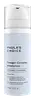
This barrier-repair moisturizer is formulated around Butyrospermum Parkii Butter and Linoleic Acid to strengthen the skin barrier and hydrate skin.
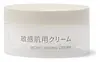
This barrier-repair moisturizer is formulated around Olea Europaea Fruit Oil and Ceramide NP to strengthen the skin barrier and hydrate skin.


What's inside
What's inside
 Key Ingredients
Benefits
Concerns
Ingredients Side-by-side
Water
Skin ConditioningButyrospermum Parkii Butter
Skin Conditioning






Ceteareth-6 Olivate
EmulsifyingButylene Glycol
Humectant
C13-15 Alkane
SolventGlycerin
Humectant
Glyceryl Stearate
Emollient
Polyglyceryl-4 Laurate
Emulsifying
Decyl Oleate
Emollient
Linum Usitatissimum Seed Oil
Perfuming

Salvia Hispanica Seed Oil
Emollient
Olea Europaea Fruit Oil
Masking
Passiflora Edulis Seed Oil
Emollient
Borago Officinalis Seed Oil
Emollient

Hydrogenated Olive Oil
Skin Conditioning
Psidium Guajava Fruit Extract
AstringentOlea Europaea Oil Unsaponifiables
Skin Conditioning
Limnanthes Alba Seed Oil
Skin Conditioning
Linoleic Acid
Cleansing
Linolenic Acid
Cleansing
Oleic Acid
Emollient
Euterpe Oleracea Sterols
Skin ConditioningCeramide AP
Skin Conditioning

Ceramide EOP
Skin Conditioning
Ceramide NP
Skin Conditioning
Serine
Masking
Alanine
Masking
Glycine
Buffering
Proline
Skin Conditioning
Lysine Hcl
Skin Conditioning
Threonine
Arginine
Masking
Squalane
Emollient
Cholesterol
Emollient
Phytosphingosine
Skin Conditioning
Anastatica Hierochuntica Extract
AstringentLecithin
Emollient
Sodium Hyaluronate
Humectant
Sodium Lactate
Buffering
Boerhavia Diffusa Root Extract
Skin Protecting
Adenosine
Skin Conditioning
Phytic Acid
Chelating

Glutamic Acid
Humectant
Betaine
Humectant
Pullulan
PCA
Humectant
Sodium PCA
Humectant
Carbomer
Emulsion StabilisingSodium Polyacrylate Starch
AbsorbentSclerotium Gum
Emulsion StabilisingXanthan Gum
EmulsifyingSodium Lauroyl Lactylate
EmulsifyingPhenoxyethanol
Preservative
Ethylhexylglycerin
Skin ConditioningWater, Butyrospermum Parkii Butter, Ceteareth-6 Olivate, Butylene Glycol, C13-15 Alkane, Glycerin, Glyceryl Stearate, Polyglyceryl-4 Laurate, Decyl Oleate, Linum Usitatissimum Seed Oil, Salvia Hispanica Seed Oil, Olea Europaea Fruit Oil, Passiflora Edulis Seed Oil, Borago Officinalis Seed Oil, Hydrogenated Olive Oil, Psidium Guajava Fruit Extract, Olea Europaea Oil Unsaponifiables, Limnanthes Alba Seed Oil, Linoleic Acid, Linolenic Acid, Oleic Acid, Euterpe Oleracea Sterols, Ceramide AP, Ceramide EOP, Ceramide NP, Serine, Alanine, Glycine, Proline, Lysine Hcl, Threonine, Arginine, Squalane, Cholesterol, Phytosphingosine, Anastatica Hierochuntica Extract, Lecithin, Sodium Hyaluronate, Sodium Lactate, Boerhavia Diffusa Root Extract, Adenosine, Phytic Acid, Glutamic Acid, Betaine, Pullulan, PCA, Sodium PCA, Carbomer, Sodium Polyacrylate Starch, Sclerotium Gum, Xanthan Gum, Sodium Lauroyl Lactylate, Phenoxyethanol, Ethylhexylglycerin
Water
Skin ConditioningCetyl Ethylhexanoate
EmollientButylene Glycol
Humectant
Beeswax
Emulsion Stabilising
Glycerin
Humectant
Olea Europaea Fruit Oil
Masking
Glyceryl Stearate
Emollient
Caprylic/Capric Triglyceride
Masking
C9-12 Alkane
SolventOctyldodecyl Myristate
EmollientBehenyl Alcohol
Emollient
C13-15 Alkane
SolventPolysorbate 60
Emulsifying
PEG-75 Stearate
Surfactant
Eucalyptus Globulus Leaf Extract
Perfuming
Portulaca Oleracea Extract
Skin Conditioning
Citrus Grandis Seed Extract
Astringent
Ceramide NP
Skin Conditioning
Alanine
Masking
Arginine
Masking
Sodium Glutamate
MaskingSerine
Masking
Proline
Skin Conditioning
Sodium Hyaluronate
Humectant
Dipotassium Glycyrrhizate
Humectant
Diglycerin
Humectant
Glycosyl Trehalose
Emulsion StabilisingHydrogenated Starch Hydrolysate
HumectantEthylhexylglycerin
Skin ConditioningSqualane
Emollient
Phytosteryl/Isostearyl/Cetyl/Stearyl/Behenyl Dimer Dilinoleate
Skin Conditioning
C14-22 Alcohols
Emulsion Stabilising
Batyl Alcohol
EmollientSodium Polyacrylate Starch
AbsorbentTocopherol
Antioxidant

Citric Acid
Buffering
Water, Cetyl Ethylhexanoate, Butylene Glycol, Beeswax, Glycerin, Olea Europaea Fruit Oil, Glyceryl Stearate, Caprylic/Capric Triglyceride, C9-12 Alkane, Octyldodecyl Myristate, Behenyl Alcohol, C13-15 Alkane, Polysorbate 60, PEG-75 Stearate, Eucalyptus Globulus Leaf Extract, Portulaca Oleracea Extract, Citrus Grandis Seed Extract, Ceramide NP, Alanine, Arginine, Sodium Glutamate, Serine, Proline, Sodium Hyaluronate, Dipotassium Glycyrrhizate, Diglycerin, Glycosyl Trehalose, Hydrogenated Starch Hydrolysate, Ethylhexylglycerin, Squalane, Phytosteryl/Isostearyl/Cetyl/Stearyl/Behenyl Dimer Dilinoleate, C14-22 Alcohols, Batyl Alcohol, Sodium Polyacrylate Starch, Tocopherol, Citric Acid
Reviews
Ingredients Explained
These ingredients are found in both products.
Ingredients higher up in an ingredient list are typically present in a larger amount.
Alanine is an amino acid and is already found in the human body. Our skin uses alanine to build collagen, elastin, and keratin.
Arginine is a semi-essential amino acid. This just means our bodies can product a bit on its own, but sometimes needs a little boost from food sources.
It is a part of your skin's natural moisturizing factor (NMF), or the water-loving molecules in your outermost layer of skin (stratum corneum) that keeps everything hydrated and happy.
Here's an interesting thing about Arginine: your skin converts it into urea through the Krebs-Henseleit urea cycle. Urea is one of the most effective humectants your skin naturally produces.
A clinical study showed applying 2.5% arginine hydrochloride to atopic dermatitis skin showed significant urea levels in the stratum corneum and improved moisture in just four weeks.
Arginine is also a precursor to nitric oxide; nitric oxide improves microcirculation and supports wound healing and collagen synthesis.
One study found that an amino acid complex containing Arginine reduced skin irritation, improved hydration, and accelerated skin repair in clinical / in-vivo studies.
Arginine itself is an amino acid and not a fatty acid, oil, or ester. On its own, it's not a direct food source for Malassezia, or the yeast that causes fungal acne.
Learn more about ArginineButylene Glycol (or BG) is used within cosmetic products for a few different reasons:
Overall, Butylene Glycol is a safe and well-rounded ingredient that works well with other ingredients.
Though this ingredient works well with most skin types, some people with sensitive skin may experience a reaction such as allergic rashes, closed comedones, or itchiness.
Learn more about Butylene GlycolC13-15 Alkane is a group of alkanes with 13 to 15 carbon atoms in the alkyl chain.
It is a solvent and texture enhancer. Solvents are used to keep ingredients together in a product. They can help dissolve ingredients to stable bases or help evenly distribute ingredients throughout the product.
Ceramide NP (formerly known as Ceramide 3) is one of the skin's naturally occurring lipids.
Since ceramides are the major lipid components of the skin, they are crucial for maintaining skin barrier and hydration. Ceramide NP most closely mirrors the dominant kind in human skin amongst ceramide subtypes.
This ceramide works by slotting into gaps within the stratum corneum's lipid matrix to limit trans-epidermal water loss (TEWL) and shield the skin against external irritants.
A study with 312 patients found that using a ceramide-containing routine for 4 weeks reduced the severity of atopic dermatitis by over 61%.
Another clinical study in subjects aged 60 and older found that a ceramide body wash and moisturizer improved skin dryness and itchy skin in 15 days.
Overall, ceramides are considered non-irritating and safety tests have found little to no observable adverse effects from using this ingredient.
Ceramide NP is usually sourced from plants (like soybean or rice bran), or produced synthetically.
Learn more about Ceramide NPEthylhexylglycerin is created from glycerin. It is a multitasker ingredient that:
The CIR Expert Panel found minimal skin absorption or sensitization of any kind in a safety assessment. Though this ingredient is considered well-tolerated, a small number of cases of allergic dermatitis have been published since 2002. Just be sure to patch test if you are unsure.
Industry-reported use ranges from 8% in rinse-off products and 2% in leave-on formulations.
Learn more about EthylhexylglycerinGlycerin (or glycerol) is a compound naturally found in your skin. It's a powerhouse humectant that pulls water into the stratum corneum.
Topically, glycerin does several things at once:
Your skin makes glycerin on its own (mostly from sebaceous oil breakdown) and shuttles it to your outermost layer of skin, or your epidermis, via aquaporin-3.
Aquaporin-3 is a transporter that is essential for normal skin hydration, elasticity, and repair. Interestingly, mice lacking in AQP3 have dry and less elastic skin that can be fully corrected with glycerin.
This ingredient is non-irritating, plays well with almost every ingredient, and works across all skin types. Typical use is anywhere between 3-10% but can go up to 79% in some leave-on products.
Just know very high concentrations (>40%) can feel tacky in low humidity.
Glycerin is the name for this ingredient in American English. British English uses Glycerol/Glycerine.
Learn more about GlycerinGlyceryl Stearate is made by reacting glycerin with stearic acid (typically sourced from plant oils like palm or coconut). It's an emulsifier, emollient, and mild occlusive.
Emulsifiers help ingredients like oil and water stay mixed so your formula stays nicely blended and uniform in texture.
This ingredient is typically used in concentrations between 1-10%. Studies have found it to be non-sensitizing, non-phototoxic, and non-photoallergenic.
A close cousin of this ingredient is Glyceryl Stearate SE ("self-emulsifying"). This just has a small amount of sodium or potassium stearate added so it can emulsify without a co-emulsifier.
Since this ingredient is an ester of a C18 fatty acid, it may not be fungal acne safe. The Malassezia yeast can potentially metabolize within the C11-C24 range.
Fun fact: The human body also creates Glyceryl Stearate naturally.
Learn more about Glyceryl StearateThis ingredient is also known as olive oil. It has been used in skincare for centuries and science largely backs up its reputation as a nourishing emollient.
The main components of olive oil are oleic acid (55-83%), linoleic acid (3.5-20%), and palmitic acid (7-20%). Oleic acid promotes skin regeneration and helps regulate inflammatory responses.
Squalene is also naturally present in olive oil and exhibits moisturizing and antioxidant properties.
The polyphenols in olive oil also show anti-aging promise; one clinical study found a measurable improvement in skin appearance after 30 days of topical serum use.
Just be aware that applying olive oil directly to skin can weaken the barrier and cause redness. One study with volunteers found even people without sensitive skin experienced a significant reduction in stratum corneum integrity and induced mild erythema.
It's best to use this ingredient as part of a carefully crafted formula (instead of putting it on skin directly from the bottle).
Because it has a 0-2 on the comedogenic scale, it is low risk for acne-prone skin. Just remember the overall formulation of a product matters more than a few ingredients with comedogenic ratings.
This ingredient may not be fungal acne safe because of the oleic and palmitic acid content. These fall within the C11-24 fatty acid range that the Malassezia yeast can metabolize to grow.
Overall, olive oil is a well-studied and nourishing skincare ingredient.
Learn more about Olea Europaea Fruit OilProline is a non-essential amino acid, meaning your body can make it on its own. In skincare, it is a skin conditioning ingredient that keeps skin soft and hydrated.
It makes up about 23% of the collagen molecule (collagen is the protein responsible for keeping your skin firm) and is involved in your skin's natural hyaluronic acid production. When applied topically, proline can penetrate the skin fairly well due to its small molecular size.
Reviews of this ingredient have found it to be neither a dermal irritant nor a sensitizer.
Fun fact: Proline can be found in protein-rich foods like meat, fish, eggs, and dairy.
Learn more about ProlineSerine is a non-essential amino acid (your body makes it on its own!). It is a major player in your skin's natural moisturizing factor (NMF), or the water-loving molecules in your outermost layer of skin (stratum corneum) that keeps everything hydrated and happy.
Serine is one of your NMF's most abundant components that works as a skin-identical humectant. Its hydroxyl group grabs onto water molecules to boost hydration without any heaviness or occlusion.
Research on a hydrogel with serine confirmed this serine got delivered to your stratum corneum and demonstrated enhanced skin moisturization.
Interestingly serine also helps your skin produce filaggrin, a protein that keeps your skin barrier strong and used to create collagen.
Learn more about SerineSodium Hyaluronate is the salt form of hyaluronic acid. It is a long sugar chain that is naturally found in your skin, joints, and connective tissue that maintains hydration and elasticity.
In skincare, it works as a humectant. It pulls water from the environment and deeper layers of skin and binds it to the surface.
Interestingly, the size of the molecule affects its behavior:
Some clinical evidence links low molecular weight versions to improved wrinkle depth, elasticity, anti-inflammatory effects, and barrier repair.
Many serums use a blend of both weights so you can get surface hydration plus longer-lasting and deeper effects.
You'll typically see concentrations between 0.1-2% for this ingredient.
Learn more about Sodium HyaluronateWe don't have a description for Sodium Polyacrylate Starch yet.
Squalane is the hydrogenated and shelf-stable form of squalene (a lipid that naturally occurs in human sebum).
It is an emollient and skin conditioning agent that is able to integrate seamlessly into the skin's lipid barrier without clogging pores.
This is due to how structurally similar it is to what your skin already produces.
Though it is mostly an emollient that helps soften and hydrate skin, it also has some humectant and occlusive action. Humectants help the skin retain moisture while occlusives seal it in, making squalane a triple-threat moisturizer.
Research shows it has antioxidant capabilities that help protect against stressors like UV exposure, specifically UVA induced oxidative stress. This study also found that it supports collagen biosynthesis in human dermal fibroblasts.
No clinical study has reported significant adverse effects and irritation reactions are very rare from this ingredient (even at 100% concentration).
Overall, it's a fantastic ingredient for hydration and is suitable for all skin types.
This depends on the source. Squalane can be derived from both plants and animals. Most squalane used in skincare comes from plants.
Please note: the source of squalane is only known if disclosed by the brand. We recommend reaching out to the brand if you have any questions about their squalane.
Read more about squalene with an "e".
Though squalane is often called an oil, it’s technically not one. It is a hydrocarbon, meaning it is only made of carbon and hydrogen. True oils are triglycerides and made of fatty acids and glycerol.
The term “oil-free” isn’t regulated so companies can define it however they want. Some exclude all oils, while others just avoid mineral oil or comedogenic oils.
Squalane has a comedogenic rating of 1 from the original 1972 study that tested raw ingredients under occlusion on rabbit ears. This system is not standardized or peer-reviewed, and using the raw ingredients is very different from how diluted cosmetic formulations are used on human skin.
A comedogenic rating of 1 means it is "unlikely to clog pores" according to the original rating system.
The overall formula of a product matters more than the individual ingredients on whether or not it will cause clogged pores.
Learn more about SqualaneWater. It's the most common cosmetic ingredient of all. You'll usually see it at the top of ingredient lists, meaning that it makes up the largest part of the product.
So why is it so popular? Water most often acts as a solvent - this means that it helps dissolve other ingredients into the formulation.
You'll also recognize water as that liquid we all need to stay alive. If you see this, drink a glass of water. Remember to stay hydrated!
Learn more about Water

