
What's inside
What's inside
 Key Ingredients
Benefits
Concerns
Ingredients Side-by-side
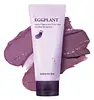
Solanum Melongena Fruit Extract 66%
Skin ConditioningKaolin 14%
Abrasive



Propanediol
Solvent

Dipropylene Glycol
HumectantIsononyl Isononanoate
Emollient1,2-Hexanediol
Skin Conditioning
Ultramarines
Arachidyl Alcohol
Emollient
Cetyl Alcohol
Emollient

Glyceryl Stearate
Emollient
Stearyl Alcohol
Emollient
Behenyl Alcohol
Emollient
CI 77491
Cosmetic ColorantTitanium Dioxide
Cosmetic Colorant

Juglans Regia Shell Powder
Abrasive
Arachidyl Glucoside
EmulsifyingSalvia Hispanica Seed Extract
EmollientCentella Asiatica Extract
Cleansing




Houttuynia Cordata Extract
Skin Conditioning
Potassium Cetyl Phosphate
EmulsifyingBentonite
Absorbent
Betula Alba Juice
AstringentWater
Skin ConditioningGlyceryl Stearate Se
Emulsifying

Ethylhexylglycerin
Skin ConditioningXanthan Gum
EmulsifyingTocopheryl Acetate
Antioxidant


Butylene Glycol
Humectant
Disodium EDTA
Allantoin
Skin Conditioning
Glucose
Humectant
Calendula Officinalis Flower Extract
Masking
Hydroxycinnamic Acid
Skin ConditioningRutin
Antioxidant
Solanum Melongena Fruit Extract 66%, Kaolin 14%, Propanediol, Dipropylene Glycol, Isononyl Isononanoate, 1,2-Hexanediol, Ultramarines, Arachidyl Alcohol, Cetyl Alcohol, Glyceryl Stearate, Stearyl Alcohol, Behenyl Alcohol, CI 77491, Titanium Dioxide, Juglans Regia Shell Powder, Arachidyl Glucoside, Salvia Hispanica Seed Extract, Centella Asiatica Extract, Houttuynia Cordata Extract, Potassium Cetyl Phosphate, Bentonite, Betula Alba Juice, Water, Glyceryl Stearate Se, Ethylhexylglycerin, Xanthan Gum, Tocopheryl Acetate, Butylene Glycol, Disodium EDTA, Allantoin, Glucose, Calendula Officinalis Flower Extract, Hydroxycinnamic Acid, Rutin
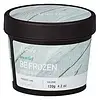
Water
Skin ConditioningKaolin
Abrasive
Bentonite
Absorbent
Glycerin
Humectant
Glycereth-26
Humectant
Cetearyl Alcohol
Emollient
Caprylic/Capric Triglyceride
Masking
Canadian Colloidal Clay
Skin ConditioningPolyglyceryl-2 Stearate
Emulsifying
Montmorillonite
AbsorbentIllite
Abrasive
Glyceryl Stearate
Emollient
Stearyl Alcohol
Emollient
Corylus Avellana Seed Oil
Emollient
Glycosyl Trehalose
Emulsion Stabilising1,2-Hexanediol
Skin Conditioning
Butylene Glycol
Humectant
Cetyl Palmitate
Emollient
Sorbitan Palmitate
Emulsifying
Sorbitan Olivate
Emulsifying
Hydrogenated Starch Hydrolysate
HumectantDisodium EDTA
Chlorphenesin
Antimicrobial
Caprylyl Glycol
Emollient
Illicium Verum Fruit Extract
Perfuming
Squalane
Emollient
Menthoxypropanediol
Masking

Isoamyl Laurate
Emollient
Bis-PEG-18 Methyl Ether Dimethyl Silane
EmollientBetaine
Humectant
Propanediol
Solvent
Scutellaria Baicalensis Root Extract
Astringent
Menthol
Masking


Chamomilla Recutita Flower Oil
Masking
Oenothera Biennis Oil
Emollient
Algae Extract
EmollientBifida Ferment Lysate
Skin Conditioning
Centella Asiatica Extract
Cleansing
Hydrolyzed Elastin
EmollientDipotassium Glycyrrhizate
Humectant
Argania Spinosa Kernel Oil
Emollient
Acanthopanax Senticosus Root Extract
Skin ConditioningOryza Sativa Bran Extract
Skin Conditioning
Oldenlandia Diffusa Extract
Skin ConditioningLonicera Caprifolium Extract
AstringentLimonia Acidissima Extract
Skin ConditioningBambusa Vulgaris Leaf Extract
Skin ConditioningCamellia Sinensis Leaf Extract
Antimicrobial
Halimeda Opuntia Extract
EmollientDiospyros Kaki Leaf Extract
Skin Protecting
Castanea Crenata Shell Extract
Skin ConditioningPolygonum Cuspidatum Root Extract
Antioxidant
Glycyrrhiza Glabra Root Extract
Bleaching
Phenoxyethanol
Preservative
Salix Alba Bark Extract
Astringent
Rosmarinus Officinalis Leaf Extract
AntimicrobialPentylene Glycol
Skin Conditioning
Chamomilla Recutita Flower Extract
Masking
Tremella Fuciformis Extract
Humectant
Water, Kaolin, Bentonite, Glycerin, Glycereth-26, Cetearyl Alcohol, Caprylic/Capric Triglyceride, Canadian Colloidal Clay, Polyglyceryl-2 Stearate, Montmorillonite, Illite, Glyceryl Stearate, Stearyl Alcohol, Corylus Avellana Seed Oil, Glycosyl Trehalose, 1,2-Hexanediol, Butylene Glycol, Cetyl Palmitate, Sorbitan Palmitate, Sorbitan Olivate, Hydrogenated Starch Hydrolysate, Disodium EDTA, Chlorphenesin, Caprylyl Glycol, Illicium Verum Fruit Extract, Squalane, Menthoxypropanediol, Isoamyl Laurate, Bis-PEG-18 Methyl Ether Dimethyl Silane, Betaine, Propanediol, Scutellaria Baicalensis Root Extract, Menthol, Chamomilla Recutita Flower Oil, Oenothera Biennis Oil, Algae Extract, Bifida Ferment Lysate, Centella Asiatica Extract, Hydrolyzed Elastin, Dipotassium Glycyrrhizate, Argania Spinosa Kernel Oil, Acanthopanax Senticosus Root Extract, Oryza Sativa Bran Extract, Oldenlandia Diffusa Extract, Lonicera Caprifolium Extract, Limonia Acidissima Extract, Bambusa Vulgaris Leaf Extract, Camellia Sinensis Leaf Extract, Halimeda Opuntia Extract, Diospyros Kaki Leaf Extract, Castanea Crenata Shell Extract, Polygonum Cuspidatum Root Extract, Glycyrrhiza Glabra Root Extract, Phenoxyethanol, Salix Alba Bark Extract, Rosmarinus Officinalis Leaf Extract, Pentylene Glycol, Chamomilla Recutita Flower Extract, Tremella Fuciformis Extract
Reviews
Ingredients Explained
These ingredients are found in both products.
Ingredients higher up in an ingredient list are typically present in a larger amount.
1,2-Hexanediol is a synthetic liquid and another multi-functional powerhouse.
It is a:
- Humectant, drawing moisture into the skin
- Emollient, helping to soften skin
- Solvent, dispersing and stabilizing formulas
- Preservative booster, enhancing the antimicrobial activity of other preservatives
Bentonite is an aluminium phyllosilicate clay with great absorbent properties. The name 'bentonite' comes from the area where the largest source is found: Fort Benton, Wyoming.
As a clay, bentonite is often used to absorb excess oil and provide exfoliation. It has also been shown to have some antibacterial and anti-inflammatory properties. Studies show bentonite was effective at calming dermatitis from poison ivy and in diaper dermatitis of infants. Bentonite has also been shown to act as a barrier against toxic compounds on your skin.
Sunscreens containing bentonite display higher water resistance and stay on the skin for much longer. The sunscreens containing bentonite also show higher potency and UV light absorbtion.
Bentonite is naturally created from volcanic ash and several natural weathering/hydrothermal processes.
A common usage of bentonite is removing excess protein from white wines. Bentonite contains a property of being able to absorb large amounts of protein from aqueous solutions.
Phyllosilicate clay has a structure formed by sheets.
Learn more about BentoniteButylene Glycol (or BG) is used within cosmetic products for a few different reasons:
Overall, Butylene Glycol is a safe and well-rounded ingredient that works well with other ingredients.
Though this ingredient works well with most skin types, some people with sensitive skin may experience a reaction such as allergic rashes, closed comedones, or itchiness.
Learn more about Butylene GlycolCentella Asiatica Extract (Centella) is derived from an herb native to Southeast Asia. It is famous for its anti-inflammatory and soothing properties.
Centella is rich in antioxidants and amino acids, such as Madecassic Acid and Asiaticoside.
Studies show the compounds in centella help with:
The combination of all these properties makes centella effective at soothing, hydrating, and protecting the skin.
Other great components of centella include Vitamin A, vitamin C, several B vitamins, and Asiatic Acid.
Fun fact: Centella has been used as a medicine and in food for many centuries. As a medicine, it is used to treat burns, scratches, and wounds.
Learn more about Centella Asiatica ExtractDisodium EDTA is a chelating agent. It grabs onto and deactivates metal ions that sneak into your products from water, packaging, or air.
This ingredient mainly works behind the scenes and helps with:
On top of that, this ingredient can counteract the effects of hard water by binding to the minerals in it.
One thing worth knowing is that Disodium EDTA has been shown to be a mild penetration enhancer. It can help other ingredients absorb into skin more effectively which can be a double-edged sword (great for actives, but can also make the active too strong if you have sensitive skin).
Clinical patch testing showed no significant skin irritation at typical use concentrations and minimal dermal absorption.
You'll most likely see this ingredient near the end of an ingredient list. It's typically found in concentrations less than 1%.
Learn more about Disodium EDTAGlyceryl Stearate is made by reacting glycerin with stearic acid (typically sourced from plant oils like palm or coconut). It's an emulsifier, emollient, and mild occlusive.
Emulsifiers help ingredients like oil and water stay mixed so your formula stays nicely blended and uniform in texture.
This ingredient is typically used in concentrations between 1-10%. Studies have found it to be non-sensitizing, non-phototoxic, and non-photoallergenic.
A close cousin of this ingredient is Glyceryl Stearate SE ("self-emulsifying"). This just has a small amount of sodium or potassium stearate added so it can emulsify without a co-emulsifier.
Since this ingredient is an ester of a C18 fatty acid, it may not be fungal acne safe. The Malassezia yeast can potentially metabolize within the C11-C24 range.
Fun fact: The human body also creates Glyceryl Stearate naturally.
Learn more about Glyceryl StearateKaolin is a clay. It is used for oil control and to help minimize pores. Like other clays, kaolin has the ability to absorb excess sebum or oil. This can help clean out pores and mattify the skin.
Some types of kaolin may have exfoliating properties. When water is added to kaolin, it becomes a paste with small abrasive particles.
Most kaolin is a white color, but may be pink/orange/red depending on where it comes from.
The name 'kaolin' comes from a Chinese village named 'Gaoling'. Kaolin clay comes from rocks rich in kaolinite. Kaolinite, the mineral, has a silicate layered structure. Kaolinite is formed from chemical weathering of aluminum siilicate minerals.
Besides skincare, kaolin is commonly used to make glossy paper, in ceramics, toothpaste, and as medicine to soothe stomach issues.
Learn more about KaolinPropanediol is an all-star ingredient. It softens, hydrates, and smooths the skin.
It’s often used to:
Propanediol is not likely to cause sensitivity and considered safe to use. It is derived from corn or petroleum with a clear color and no scent.
Learn more about PropanediolStearyl Alcohol is a type of fatty alcohol from stearic acid. It is a white, waxy compound used to emulsify ingredients used as an emollient or to thicken a product.
Emollients help soothe and hydrate the skin by trapping moisture.
Fatty alcohols are usually derived from natural fats and oils and therefore do not have the same drying or irritating effect as solvent (ethanol) alcohols.
The FDA allows products labeled "alcohol-free" to have fatty alcohols.
This ingredient may not be fungal acne safe. It is a primary fatty alcohol with a chain length above 12 carbons. A study from 2019 show Malassezia can feed on fatty alcohols in this range, so it may trigger fungal acne in those prone to it.
Learn more about Stearyl AlcoholWater. It's the most common cosmetic ingredient of all. You'll usually see it at the top of ingredient lists, meaning that it makes up the largest part of the product.
So why is it so popular? Water most often acts as a solvent - this means that it helps dissolve other ingredients into the formulation.
You'll also recognize water as that liquid we all need to stay alive. If you see this, drink a glass of water. Remember to stay hydrated!
Learn more about Water

