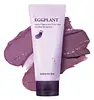
This wash off mask is made with Kaolin and Centella Asiatica Extract for a rinse-off oil-control boost.
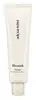
This brightening moisturizer is formulated around Galactomyces Ferment Filtrate and Panthenol to fade the look of dark spots and strengthen the skin barrier.

What's inside
What's inside
 Key Ingredients
Benefits
Concerns
Ingredients Side-by-side
Solanum Melongena Fruit Extract 66%
Skin ConditioningKaolin 14%
Abrasive



Propanediol
Solvent

Dipropylene Glycol
HumectantIsononyl Isononanoate
Emollient1,2-Hexanediol
Skin Conditioning
CI 77007
Cosmetic ColorantArachidyl Alcohol
Emollient
Cetyl Alcohol
Emollient


Glyceryl Stearate
Emollient
Stearyl Alcohol
Emollient
Behenyl Alcohol
Emollient
CI 77491
Cosmetic ColorantCI 77891
Cosmetic ColorantJuglans Regia Shell Powder
Abrasive
Arachidyl Glucoside
EmulsifyingSalvia Hispanica Seed Extract
Emollient
Centella Asiatica Extract
Cleansing



Houttuynia Cordata Extract
Skin Conditioning
Potassium Cetyl Phosphate
EmulsifyingBentonite
Absorbent
Betula Alba Juice
AstringentWater
Skin ConditioningGlyceryl Stearate Se
Emulsifying


Ethylhexylglycerin
Skin ConditioningXanthan Gum
EmulsifyingTocopheryl Acetate
Antioxidant


Butylene Glycol
Humectant
Disodium EDTA
ChelatingAllantoin
Skin Conditioning
Glucose
Humectant
Calendula Officinalis Flower Extract
Masking
Hydroxycinnamic Acid
Skin ConditioningRutin
Antioxidant
Solanum Melongena Fruit Extract 66%, Kaolin 14%, Propanediol, Dipropylene Glycol, Isononyl Isononanoate, 1,2-Hexanediol, CI 77007, Arachidyl Alcohol, Cetyl Alcohol, Glyceryl Stearate, Stearyl Alcohol, Behenyl Alcohol, CI 77491, CI 77891, Juglans Regia Shell Powder, Arachidyl Glucoside, Salvia Hispanica Seed Extract, Centella Asiatica Extract, Houttuynia Cordata Extract, Potassium Cetyl Phosphate, Bentonite, Betula Alba Juice, Water, Glyceryl Stearate Se, Ethylhexylglycerin, Xanthan Gum, Tocopheryl Acetate, Butylene Glycol, Disodium EDTA, Allantoin, Glucose, Calendula Officinalis Flower Extract, Hydroxycinnamic Acid, Rutin
Galactomyces Ferment Filtrate
Humectant
Dipropylene Glycol
HumectantCaprylic/Capric Triglyceride
Masking
Glycerin
Humectant
Panthenol
Skin Conditioning
Hydrogenated Polydecene
EmollientHydrogenated Polyisobutene
Emollient1,2-Hexanediol
Skin Conditioning
Butylene Glycol
Humectant
Niacinamide
Smoothing
Cyclopentasiloxane
Emollient
Cyclohexasiloxane
Emollient
C12-16 Alcohols
EmollientDimethicone
Emollient
Hydrogenated Lecithin
Emulsifying
Dimethicone/Vinyl Dimethicone Crosspolymer
Skin Conditioning
Palmitic Acid
Emollient
Acrylates/C10-30 Alkyl Acrylate Crosspolymer
Emulsion StabilisingWater
Skin ConditioningTromethamine
BufferingGlyceryl Stearate
Emollient
Cetearyl Olivate
C14-22 Alcohols
Emulsion Stabilising
Stearic Acid
Cleansing
Sorbitan Olivate
Emulsifying
Dimethiconol
Emollient
C12-20 Alkyl Glucoside
EmulsifyingAdenosine
Skin Conditioning
C12-14 Sec-Pareth-7
EmulsifyingDisodium EDTA
ChelatingMyristic Acid
Cleansing
Ethylhexylglycerin
Skin ConditioningXanthan Gum
EmulsifyingGlucose
Humectant
Camellia Japonica Seed Oil
Emollient
Ceramide NP
Skin Conditioning
Propylene Glycol
Humectant
Saccharomyces/Xylinum/Black Tea Ferment
Skin Conditioning
Linoleic Acid
Cleansing
Lactobacillus/Soybean Ferment Extract
Skin ConditioningLactobacillus/Acerola Cherry Ferment
Skin ProtectingLactobacillus/Punica Granatum Fruit Ferment Extract
Antioxidant
Lactobacillus/Wasabia Japonica Root Ferment Extract
Antioxidant
Lactobacillus/Hibiscus Sabdariffa Flower Ferment Filtrate
Skin ConditioningSh-Oligopeptide-1
Skin Conditioning
Galactomyces Ferment Filtrate, Dipropylene Glycol, Caprylic/Capric Triglyceride, Glycerin, Panthenol, Hydrogenated Polydecene, Hydrogenated Polyisobutene, 1,2-Hexanediol, Butylene Glycol, Niacinamide, Cyclopentasiloxane, Cyclohexasiloxane, C12-16 Alcohols, Dimethicone, Hydrogenated Lecithin, Dimethicone/Vinyl Dimethicone Crosspolymer, Palmitic Acid, Acrylates/C10-30 Alkyl Acrylate Crosspolymer, Water, Tromethamine, Glyceryl Stearate, Cetearyl Olivate, C14-22 Alcohols, Stearic Acid, Sorbitan Olivate, Dimethiconol, C12-20 Alkyl Glucoside, Adenosine, C12-14 Sec-Pareth-7, Disodium EDTA, Myristic Acid, Ethylhexylglycerin, Xanthan Gum, Glucose, Camellia Japonica Seed Oil, Ceramide NP, Propylene Glycol, Saccharomyces/Xylinum/Black Tea Ferment, Linoleic Acid, Lactobacillus/Soybean Ferment Extract, Lactobacillus/Acerola Cherry Ferment, Lactobacillus/Punica Granatum Fruit Ferment Extract, Lactobacillus/Wasabia Japonica Root Ferment Extract, Lactobacillus/Hibiscus Sabdariffa Flower Ferment Filtrate, Sh-Oligopeptide-1
Reviews
Ingredients Explained
These ingredients are found in both products.
Ingredients higher up in an ingredient list are typically present in a larger amount.
1,2-Hexanediol is a synthetic liquid and another multi-functional powerhouse.
It is a:
- Humectant, drawing moisture into the skin
- Emollient, helping to soften skin
- Solvent, dispersing and stabilizing formulas
- Preservative booster, enhancing the antimicrobial activity of other preservatives
Butylene Glycol (or BG) is used within cosmetic products for a few different reasons:
Overall, Butylene Glycol is a safe and well-rounded ingredient that works well with other ingredients.
Though this ingredient works well with most skin types, some people with sensitive skin may experience a reaction such as allergic rashes, closed comedones, or itchiness.
Learn more about Butylene GlycolDipropylene Glycol is a synthetically created humectant, stabilizer, and solvent.
This ingredient helps:
Dipropylene glycol is technically an alcohol, but it belongs to the glycol family (often considered part of the ‘good’ alcohols). This means it is hydrating and gentle on skin unlike drying solvent alcohols like denatured alcohol.
As a masking agent, Dipropylene Glycol can be used to cover the smell of other ingredients. However, it does not have a scent.
Studies show Dipropylene Glycol is considered safe to use in skincare.
Learn more about Dipropylene GlycolDisodium EDTA is a chelating agent. It grabs onto and deactivates metal ions that sneak into your products from water, packaging, or air.
This ingredient mainly works behind the scenes and helps with:
On top of that, this ingredient can counteract the effects of hard water by binding to the minerals in it.
One thing worth knowing is that Disodium EDTA has been shown to be a mild penetration enhancer. It can help other ingredients absorb into skin more effectively which can be a double-edged sword (great for actives, but can also make the active too strong if you have sensitive skin).
Clinical patch testing showed no significant skin irritation at typical use concentrations and minimal dermal absorption.
You'll most likely see this ingredient near the end of an ingredient list. It's typically found in concentrations less than 1%.
Learn more about Disodium EDTAEthylhexylglycerin is created from glycerin. It is a multitasker ingredient that:
The CIR Expert Panel found minimal skin absorption or sensitization of any kind in a safety assessment. Though this ingredient is considered well-tolerated, a small number of cases of allergic dermatitis have been published since 2002. Just be sure to patch test if you are unsure.
Industry-reported use ranges from 8% in rinse-off products and 2% in leave-on formulations.
Learn more about EthylhexylglycerinGlucose is a simple sugar (a monosaccharide). In skincare, it is mostly a humectant and skin conditioning agent.
Mechanistically, it has multiple hydroxyl groups that hydrogen-bond to water. This pulls moisture into the upper layers of skin to keep the surface soft and hydrated.
It's worth knowing sugars are already a natural component of the skin's NMF (natural moisturizing factor) so it's a molecule that your stratum corneum is well-acquainted with.
Just so you know, glucose is hydrophilic (water-loving) and the stratum corneum is a strong barrier to hydrophilic compounds. This just means penetration is slow and most of the action is happening on the surface.
Gram-to-gram, glucose is not as efficient as a humectant as glycerin. This is why you'll likely see glycose paired with stronger humectants for a bigger hydration payoff.
In skincare, glucose is typically derived from corn or other starch sources.
Learn more about GlucoseGlyceryl Stearate is made by reacting glycerin with stearic acid (typically sourced from plant oils like palm or coconut). It's an emulsifier, emollient, and mild occlusive.
Emulsifiers help ingredients like oil and water stay mixed so your formula stays nicely blended and uniform in texture.
This ingredient is typically used in concentrations between 1-10%. Studies have found it to be non-sensitizing, non-phototoxic, and non-photoallergenic.
A close cousin of this ingredient is Glyceryl Stearate SE ("self-emulsifying"). This just has a small amount of sodium or potassium stearate added so it can emulsify without a co-emulsifier.
Since this ingredient is an ester of a C18 fatty acid, it may not be fungal acne safe. The Malassezia yeast can potentially metabolize within the C11-C24 range.
Fun fact: The human body also creates Glyceryl Stearate naturally.
Learn more about Glyceryl StearateWater. It's the most common cosmetic ingredient of all. You'll usually see it at the top of ingredient lists, meaning that it makes up the largest part of the product.
So why is it so popular? Water most often acts as a solvent - this means that it helps dissolve other ingredients into the formulation.
You'll also recognize water as that liquid we all need to stay alive. If you see this, drink a glass of water. Remember to stay hydrated!
Learn more about WaterXanthan gum is used as a stabilizer and thickener within cosmetic products. It helps give products a sticky, thick feeling - preventing them from being too runny.
On the technical side of things, xanthan gum is a polysaccharide - a combination consisting of multiple sugar molecules bonded together.
Xanthan gum is a pretty common and great ingredient. It is a natural, non-toxic, non-irritating ingredient that is also commonly used in food products.
Learn more about Xanthan Gum

