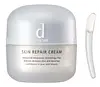
This barrier-repair moisturizer is formulated around Tranexamic Acid and Dipotassium Glycyrrhizate to strengthen the skin barrier and calm redness.
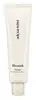
This brightening moisturizer is formulated around Galactomyces Ferment Filtrate and Panthenol to fade the look of dark spots and strengthen the skin barrier.


What's inside
What's inside
 Key Ingredients
Benefits
Concerns
Ingredients Side-by-side
Water
Skin ConditioningButylene Glycol
Humectant

Glycerin
Humectant
Dipropylene Glycol
HumectantCetyl Ethylhexanoate
EmollientSilica
Abrasive


Behenyl Alcohol
Emollient
Pentaerythrityl Tetraethylhexanoate
Emollient
Hydrogenated Polydecene
EmollientTranexamic Acid
Astringent




Erythritol
Humectant
Trehalose
Humectant
Xylitol
Humectant
PEG/PPG-14/7 Dimethyl Ether
Skin ConditioningBeheneth-20
EmulsifyingDimethicone
Emollient
Petrolatum
Emollient


Copernicia Cerifera Wax


Hydrogenated Palm Oil
Emollient
Batyl Alcohol
EmollientPhenoxyethanol
Preservative
Dimethylacrylamide/Sodium Acryloyldimethyltaurate Crosspolymer
Trimethylsiloxysilicate
Emollient
Elaeis Guineensis Kernel Oil
Emollient

Elaeis Guineensis Oil
Emollient
PEG-6
HumectantPEG-32
HumectantHydrogenated Polyisobutene
EmollientSodium Citrate
BufferingSodium Metaphosphate
BufferingSuccinoglycan
Skin ConditioningHydroxypropyl Cyclodextrin
MaskingDipotassium Glycyrrhizate
Humectant
Citric Acid
Buffering
Sodium Metabisulfite
Antioxidant
Olea Europaea Leaf Extract
Perfuming
Saccharomyces Ferment Lysate Filtrate
Skin Conditioning
Artemisia Princeps Leaf Extract
Skin ConditioningTocopherol
Antioxidant
Water, Butylene Glycol, Glycerin, Dipropylene Glycol, Cetyl Ethylhexanoate, Silica, Behenyl Alcohol, Pentaerythrityl Tetraethylhexanoate, Hydrogenated Polydecene, Tranexamic Acid, Erythritol, Trehalose, Xylitol, PEG/PPG-14/7 Dimethyl Ether, Beheneth-20, Dimethicone, Petrolatum, Copernicia Cerifera Wax, Hydrogenated Palm Oil, Batyl Alcohol, Phenoxyethanol, Dimethylacrylamide/Sodium Acryloyldimethyltaurate Crosspolymer, Trimethylsiloxysilicate, Elaeis Guineensis Kernel Oil, Elaeis Guineensis Oil, PEG-6, PEG-32, Hydrogenated Polyisobutene, Sodium Citrate, Sodium Metaphosphate, Succinoglycan, Hydroxypropyl Cyclodextrin, Dipotassium Glycyrrhizate, Citric Acid, Sodium Metabisulfite, Olea Europaea Leaf Extract, Saccharomyces Ferment Lysate Filtrate, Artemisia Princeps Leaf Extract, Tocopherol
Galactomyces Ferment Filtrate
Humectant
Dipropylene Glycol
HumectantCaprylic/Capric Triglyceride
Masking
Glycerin
Humectant
Panthenol
Skin Conditioning
Hydrogenated Polydecene
EmollientHydrogenated Polyisobutene
Emollient1,2-Hexanediol
Skin Conditioning
Butylene Glycol
Humectant
Niacinamide
Smoothing


Cyclopentasiloxane
Emollient
Cyclohexasiloxane
Emollient
C12-16 Alcohols
EmollientDimethicone
Emollient
Hydrogenated Lecithin
Emulsifying
Dimethicone/Vinyl Dimethicone Crosspolymer
Skin Conditioning
Palmitic Acid
Emollient
Acrylates/C10-30 Alkyl Acrylate Crosspolymer
Emulsion StabilisingWater
Skin ConditioningTromethamine
BufferingGlyceryl Stearate
Emollient
Cetearyl Olivate
C14-22 Alcohols
Emulsion Stabilising
Stearic Acid
Cleansing
Sorbitan Olivate
Emulsifying
Dimethiconol
Emollient
C12-20 Alkyl Glucoside
EmulsifyingAdenosine
Skin Conditioning
C12-14 Sec-Pareth-7
EmulsifyingDisodium EDTA
ChelatingMyristic Acid
Cleansing
Ethylhexylglycerin
Skin ConditioningXanthan Gum
EmulsifyingGlucose
Humectant
Camellia Japonica Seed Oil
Emollient
Ceramide NP
Skin Conditioning
Propylene Glycol
Humectant
Saccharomyces/Xylinum/Black Tea Ferment
Skin Conditioning
Linoleic Acid
Cleansing
Lactobacillus/Soybean Ferment Extract
Skin ConditioningLactobacillus/Acerola Cherry Ferment
Skin ProtectingLactobacillus/Punica Granatum Fruit Ferment Extract
Antioxidant
Lactobacillus/Wasabia Japonica Root Ferment Extract
Antioxidant
Lactobacillus/Hibiscus Sabdariffa Flower Ferment Filtrate
Skin ConditioningSh-Oligopeptide-1
Skin Conditioning
Galactomyces Ferment Filtrate, Dipropylene Glycol, Caprylic/Capric Triglyceride, Glycerin, Panthenol, Hydrogenated Polydecene, Hydrogenated Polyisobutene, 1,2-Hexanediol, Butylene Glycol, Niacinamide, Cyclopentasiloxane, Cyclohexasiloxane, C12-16 Alcohols, Dimethicone, Hydrogenated Lecithin, Dimethicone/Vinyl Dimethicone Crosspolymer, Palmitic Acid, Acrylates/C10-30 Alkyl Acrylate Crosspolymer, Water, Tromethamine, Glyceryl Stearate, Cetearyl Olivate, C14-22 Alcohols, Stearic Acid, Sorbitan Olivate, Dimethiconol, C12-20 Alkyl Glucoside, Adenosine, C12-14 Sec-Pareth-7, Disodium EDTA, Myristic Acid, Ethylhexylglycerin, Xanthan Gum, Glucose, Camellia Japonica Seed Oil, Ceramide NP, Propylene Glycol, Saccharomyces/Xylinum/Black Tea Ferment, Linoleic Acid, Lactobacillus/Soybean Ferment Extract, Lactobacillus/Acerola Cherry Ferment, Lactobacillus/Punica Granatum Fruit Ferment Extract, Lactobacillus/Wasabia Japonica Root Ferment Extract, Lactobacillus/Hibiscus Sabdariffa Flower Ferment Filtrate, Sh-Oligopeptide-1
Reviews
Ingredients Explained
These ingredients are found in both products.
Ingredients higher up in an ingredient list are typically present in a larger amount.
Butylene Glycol (or BG) is used within cosmetic products for a few different reasons:
Overall, Butylene Glycol is a safe and well-rounded ingredient that works well with other ingredients.
Though this ingredient works well with most skin types, some people with sensitive skin may experience a reaction such as allergic rashes, closed comedones, or itchiness.
Learn more about Butylene GlycolDimethicone is a type of synthetic silicone created from natural materials such as quartz. It is also known as polydimethylsiloxane.
What it does:
Dimethicone comes in different viscosities:
Depending on the viscosity, dimethicone has different properties.
Ingredients lists don't always show which type is used, so we recommend reaching out to the brand if you have questions about the viscosity.
This ingredient is unlikely to cause irritation because it does not get absorbed into skin. However, people with silicone allergies should be careful about using this ingredient.
Note: Dimethicone may contribute to pilling. This is because it is not oil or water soluble, so pilling may occur when layered with products. When mixed with heavy oils in a formula, the outcome is also quite greasy.
Learn more about DimethiconeDipropylene Glycol is a synthetically created humectant, stabilizer, and solvent.
This ingredient helps:
Dipropylene glycol is technically an alcohol, but it belongs to the glycol family (often considered part of the ‘good’ alcohols). This means it is hydrating and gentle on skin unlike drying solvent alcohols like denatured alcohol.
As a masking agent, Dipropylene Glycol can be used to cover the smell of other ingredients. However, it does not have a scent.
Studies show Dipropylene Glycol is considered safe to use in skincare.
Learn more about Dipropylene GlycolGlycerin (or glycerol) is a compound naturally found in your skin. It's a powerhouse humectant that pulls water into the stratum corneum.
Topically, glycerin does several things at once:
Your skin makes glycerin on its own (mostly from sebaceous oil breakdown) and shuttles it to your outermost layer of skin, or your epidermis, via aquaporin-3.
Aquaporin-3 is a transporter that is essential for normal skin hydration, elasticity, and repair. Interestingly, mice lacking in AQP3 have dry and less elastic skin that can be fully corrected with glycerin.
This ingredient is non-irritating, plays well with almost every ingredient, and works across all skin types. Typical use is anywhere between 3-10% but can go up to 79% in some leave-on products.
Just know very high concentrations (>40%) can feel tacky in low humidity.
Glycerin is the name for this ingredient in American English. British English uses Glycerol/Glycerine.
Learn more about GlycerinHydrogenated Polydecene is a synthetic emollient. It forms a non-occlusive film on the skin's surface to provide a silky feel without being greasy.
In vivo studies in volunteers with atopic and dry skin showed no irritation or intolerance. The volunteers also saw a positive effect in dryness, scaling, and roughness after 28 days of use.
Concentrations up to 100% in guinea pig tests found it to be non-sensitizing and completely safe for use in cosmetics.
Learn more about Hydrogenated PolydeceneHydrogenated Polyisobutene is a synthetic polymer. Polymers are compounds with high molecular weight. Hydrogenated Polyisobutene is an emollient and texture enhancer.
In one study, Hydrogenated Polyisobutene showed better skin hydration levels than Caprylic/Capric Triglyceride. As an emollient, it helps keep your skin soft and hydrated by trapping moisture in.
Hydrogenated Polyisobutene is often used as a mineral oil replacement.
Learn more about Hydrogenated PolyisobuteneWater. It's the most common cosmetic ingredient of all. You'll usually see it at the top of ingredient lists, meaning that it makes up the largest part of the product.
So why is it so popular? Water most often acts as a solvent - this means that it helps dissolve other ingredients into the formulation.
You'll also recognize water as that liquid we all need to stay alive. If you see this, drink a glass of water. Remember to stay hydrated!
Learn more about Water


