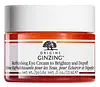
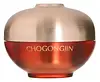
Origins GinZing™ Refreshing Eye Cream to Brighten and Depuff Versus Missha Chogongjin Soseng Eye Cream
This eye moisturizer is formulated around Panax Ginseng Root Extract and Caffeine to hydrate skin.
This anti-aging eye moisturizer is formulated around Niacinamide and Panax Ginseng Root Extract to soften the look of wrinkles and hydrate skin.


What's inside
What's inside
 Key Ingredients
Benefits
Concerns
Ingredients Side-by-side
Water
Skin ConditioningMethyl Trimethicone
Skin Conditioning
Butylene Glycol
Humectant

PEG-100 Stearate
Surfactant

Dimethicone
Emollient
Cetyl Ricinoleate
Emollient
Silica
Abrasive


Olea Europaea Fruit Oil
Masking



Glycerin
Humectant
Behenyl Alcohol
Emollient
Cucumis Sativus Fruit Extract
Emollient

Panax Ginseng Root Extract
Emollient
Castanea Sativa Seed Extract
Skin ConditioningCamellia Sinensis Leaf Extract
Antimicrobial


Cordyceps Sinensis Extract
Antioxidant
Magnolia Officinalis Bark Extract
Antimicrobial
Pyrus Malus Fruit Extract
Skin Conditioning
Scutellaria Baicalensis Root Extract
Astringent
Pantethine
EmollientPanthenol
Skin Conditioning
Caprylic/Capric Triglyceride
Masking
Butyrospermum Parkii Butter
Skin Conditioning
Caffeine
Skin Conditioning
Coleus Barbatus Root Extract
Skin ConditioningFaex Extract
Skin ConditioningFolic Acid
Skin ConditioningHydrogenated Lecithin
Emulsifying
Jojoba Wax PEG-120 Esters
Surfactant
Biotin
AntiseborrhoeicTribehenin
Emollient
Myristyl Alcohol
Emollient
Palmitoyl Tetrapeptide-7
Skin Conditioning

Trehalose
Humectant
Sodium Hyaluronate
Humectant
Ascorbyl Tocopheryl Maleate
Antioxidant
Hesperidin Methyl Chalcone
Antioxidant
Sodium Sulfite
Preservative
Sodium Metabisulfite
Antioxidant
Steareth-20
CleansingDipeptide-2
Skin Conditioning
Ethylhexylglycerin
Skin ConditioningCarbomer
Emulsion StabilisingTromethamine
BufferingSorbic Acid
Preservative
Chlorphenesin
Antimicrobial
Phenoxyethanol
Preservative
Mica
Cosmetic ColorantCI 77891
Cosmetic ColorantCI 77491
Cosmetic ColorantCI 77492
Cosmetic ColorantCI 77499
Cosmetic ColorantWater, Methyl Trimethicone, Butylene Glycol, PEG-100 Stearate, Dimethicone, Cetyl Ricinoleate, Silica, Olea Europaea Fruit Oil, Glycerin, Behenyl Alcohol, Cucumis Sativus Fruit Extract, Panax Ginseng Root Extract, Castanea Sativa Seed Extract, Camellia Sinensis Leaf Extract, Cordyceps Sinensis Extract, Magnolia Officinalis Bark Extract, Pyrus Malus Fruit Extract, Scutellaria Baicalensis Root Extract, Pantethine, Panthenol, Caprylic/Capric Triglyceride, Butyrospermum Parkii Butter, Caffeine, Coleus Barbatus Root Extract, Faex Extract, Folic Acid, Hydrogenated Lecithin, Jojoba Wax PEG-120 Esters, Biotin, Tribehenin, Myristyl Alcohol, Palmitoyl Tetrapeptide-7, Trehalose, Sodium Hyaluronate, Ascorbyl Tocopheryl Maleate, Hesperidin Methyl Chalcone, Sodium Sulfite, Sodium Metabisulfite, Steareth-20, Dipeptide-2, Ethylhexylglycerin, Carbomer, Tromethamine, Sorbic Acid, Chlorphenesin, Phenoxyethanol, Mica, CI 77891, CI 77491, CI 77492, CI 77499
Phellinus Linteus Extract
Skin ConditioningButylene Glycol
Humectant
Butyrospermum Parkii Butter
Skin Conditioning
Hydrogenated Poly(C6-14 Olefin)
EmollientWater
Skin ConditioningDimethicone
Emollient
Limnanthes Alba Seed Oil
Skin Conditioning
Pentaerythrityl Tetraethylhexanoate
Emollient
Behenyl Alcohol
Emollient
Niacinamide
Smoothing


Stearyl Alcohol
Emollient
Cyclopentasiloxane
Emollient
Pentylene Glycol
Skin Conditioning
Polyglyceryl-3 Methylglucose Distearate
Emulsifying
Hydroxypropyl Starch Phosphate
Potassium Cetyl Phosphate
EmulsifyingCyclohexasiloxane
Emollient
1,2-Hexanediol
Skin Conditioning
Chondrus Crispus Extract
Skin Conditioning
Chlorella Vulgaris Extract
Skin ConditioningSaccharum Officinarum Extract
MoisturisingTheobroma Cacao Seed Extract
Antioxidant
Candida Bombicola/Glucose/Methyl Rapeseedate Ferment
AntimicrobialVincetoxicum Atratum Extract
Skin ConditioningPanax Ginseng Root Extract
Emollient
Soluble Collagen
Humectant
Angelica Gigas Extract
Skin ConditioningCornus Officinalis Fruit Extract
Skin ConditioningThymus Vulgaris Extract
Perfuming
Velvet Extract
HumectantMacadamia Ternifolia Seed Oil
Emollient
Althaea Rosea Flower Extract
Skin ConditioningHelianthus Annuus Seed Oil
Emollient
Glyceryl Stearate
Emollient
Diisostearyl Malate
EmollientSilica
Abrasive
Acrylates/C10-30 Alkyl Acrylate Crosspolymer
Emulsion StabilisingGlucose
Humectant
Caprylyl Glycol
Emollient
Cetearyl Glucoside
Emulsifying
Fructooligosaccharides
Humectant
Fructose
Humectant
Potassium Hydroxide
BufferingGlycerin
Humectant
Dipotassium Glycyrrhizate
Humectant
Adenosine
Skin Conditioning
Sodium Phytate
Dextrin
AbsorbentEthylhexylglycerin
Skin ConditioningPolyglyceryl-10 Pentastearate
Skin Conditioning
Sodium Stearoyl Glutamate
CleansingCetearyl Alcohol
Emollient
CI 77891
Cosmetic ColorantPhenoxyethanol
Preservative
Parfum
Masking

Benzyl Salicylate
Perfuming
Alpha-Isomethyl Ionone
Perfuming
Citronellol
Perfuming
Geraniol
Perfuming
Linalool
Perfuming
Limonene
Perfuming
Hydroxycitronellal
Perfuming
Hexyl Cinnamal
Perfuming
Mica
Cosmetic ColorantPhellinus Linteus Extract, Butylene Glycol, Butyrospermum Parkii Butter, Hydrogenated Poly(C6-14 Olefin), Water, Dimethicone, Limnanthes Alba Seed Oil, Pentaerythrityl Tetraethylhexanoate, Behenyl Alcohol, Niacinamide, Stearyl Alcohol, Cyclopentasiloxane, Pentylene Glycol, Polyglyceryl-3 Methylglucose Distearate, Hydroxypropyl Starch Phosphate, Potassium Cetyl Phosphate, Cyclohexasiloxane, 1,2-Hexanediol, Chondrus Crispus Extract, Chlorella Vulgaris Extract, Saccharum Officinarum Extract, Theobroma Cacao Seed Extract, Candida Bombicola/Glucose/Methyl Rapeseedate Ferment, Vincetoxicum Atratum Extract, Panax Ginseng Root Extract, Soluble Collagen, Angelica Gigas Extract, Cornus Officinalis Fruit Extract, Thymus Vulgaris Extract, Velvet Extract, Macadamia Ternifolia Seed Oil, Althaea Rosea Flower Extract, Helianthus Annuus Seed Oil, Glyceryl Stearate, Diisostearyl Malate, Silica, Acrylates/C10-30 Alkyl Acrylate Crosspolymer, Glucose, Caprylyl Glycol, Cetearyl Glucoside, Fructooligosaccharides, Fructose, Potassium Hydroxide, Glycerin, Dipotassium Glycyrrhizate, Adenosine, Sodium Phytate, Dextrin, Ethylhexylglycerin, Polyglyceryl-10 Pentastearate, Sodium Stearoyl Glutamate, Cetearyl Alcohol, CI 77891, Phenoxyethanol, Parfum, Benzyl Salicylate, Alpha-Isomethyl Ionone, Citronellol, Geraniol, Linalool, Limonene, Hydroxycitronellal, Hexyl Cinnamal, Mica
Reviews
Ingredients Explained
These ingredients are found in both products.
Ingredients higher up in an ingredient list are typically present in a larger amount.
Behenyl Alcohol is a type of fatty alcohol (these are different from the drying, solvent alcohols).
Fatty Alcohols have hydrating properties and are most often used as an emollient or to thicken a product. They are usually derived from natural fats and oils; behenyl alcohol is derived from the fats of vegetable oils.
Emollients help keep your skin soft and hydrated by creating a film that traps moisture in.
In 2000, Behenyl Alcohol was approved by the US as medicine to reduce the duration of cold sores.
Learn more about Behenyl AlcoholButylene Glycol (or BG) is used within cosmetic products for a few different reasons:
Overall, Butylene Glycol is a safe and well-rounded ingredient that works well with other ingredients.
Though this ingredient works well with most skin types, some people with sensitive skin may experience a reaction such as allergic rashes, closed comedones, or itchiness.
Learn more about Butylene GlycolThis ingredient is also known as shea butter. It is a plant-derived extract from the nuts of the Africa shea tree and one of the most well-studied emollients.
Because it has a high concentration of fatty acids (primarily oleic, stearic, and linoleic) it is able to form a protective barrier on the skin's surface. This helps seal in moisture and prevents transepidermal water loss (TEWL).
In vitro research found an increase in skin hydration by 58% and a decrease in TEWL by 37.8% after 24 hours of applying this ingredient (pretty impressive for a single ingredient!).
Besides hydration, shea butter also contains triterpenes that have anti-inflammatory potential. In particule, lupeol cinnamate has shown the highest anti-inflammatory activity in vivo.
Shea butter also contains vitamins A and E which may contribute to antioxidant activity.
While Shea Butter has an SPF rating of about 3-4, it is not a sunscreen replacement.
This ingredient may not be fungal acne safe because its fatty acids fall within the C11-C24 range that the Malassezia yeast can metabolize.
This ingredient shows up on a lot of "pore-clogging" lists but there's no real evidence behind that. It doesn't even have a comedogenic rating from an actual study; the numbers you'll find online come from blogs citing other blogs.
Ratings for other ingredients mostly come from a 1980s rabbit ear test. This test doesn't translate well to human skin or to real products because the ingredient sits at a much lower percentage.
Some people still find it breaks them out. So if that's you, definitely trust your skin. Just know this one's based on experience and not evidence.
Learn more about Butyrospermum Parkii ButterCi 77891 is a white pigment from Titanium dioxide. It is naturally found in minerals such as rutile and ilmenite.
It's main function is to add a white color to cosmetics. It can also be mixed with other colors to create different shades.
Ci 77891 is commonly found in sunscreens due to its ability to block UV rays.
Learn more about CI 77891Dimethicone is a type of synthetic silicone created from natural materials such as quartz. It is also known as polydimethylsiloxane.
What it does:
Dimethicone comes in different viscosities:
Depending on the viscosity, dimethicone has different properties.
Ingredients lists don't always show which type is used, so we recommend reaching out to the brand if you have questions about the viscosity.
This ingredient is unlikely to cause irritation because it does not get absorbed into skin. However, people with silicone allergies should be careful about using this ingredient.
Note: Dimethicone may contribute to pilling. This is because it is not oil or water soluble, so pilling may occur when layered with products. When mixed with heavy oils in a formula, the outcome is also quite greasy.
Learn more about DimethiconeEthylhexylglycerin is created from glycerin. It is a multitasker ingredient that:
The CIR Expert Panel found minimal skin absorption or sensitization of any kind in a safety assessment. Though this ingredient is considered well-tolerated, a small number of cases of allergic dermatitis have been published since 2002. Just be sure to patch test if you are unsure.
Industry-reported use ranges from 8% in rinse-off products and 2% in leave-on formulations.
Learn more about EthylhexylglycerinGlycerin (or glycerol) is a compound naturally found in your skin. It's a powerhouse humectant that pulls water into the stratum corneum.
Topically, glycerin does several things at once:
Your skin makes glycerin on its own (mostly from sebaceous oil breakdown) and shuttles it to your outermost layer of skin, or your epidermis, via aquaporin-3.
Aquaporin-3 is a transporter that is essential for normal skin hydration, elasticity, and repair. Interestingly, mice lacking in AQP3 have dry and less elastic skin that can be fully corrected with glycerin.
This ingredient is non-irritating, plays well with almost every ingredient, and works across all skin types. Typical use is anywhere between 3-10% but can go up to 79% in some leave-on products.
Just know very high concentrations (>40%) can feel tacky in low humidity.
Glycerin is the name for this ingredient in American English. British English uses Glycerol/Glycerine.
Learn more about GlycerinMica is a naturally occurring mineral used to add shimmer and color in cosmetics. It can also help improve the texture of a product or give it an opaque, white/silver color.
Serecite is the name for very fine but ragged grains of mica.
This ingredient is often coated with metal oxides like titanium dioxide. Trace amounts of heavy metals may be found in mica, but these metals are not harmful in our personal products.
Mica has been used since prehistoric times throughout the world. Ancient Egyptian, Indian, Greek, Roman, Aztec, and Chinese civilizations have used mica.
Learn more about MicaGinseng root is a well-loved ingredient in Asian skincare for good reason. It hydrates the skin, soothes irritation, and helps even out skin tone.
In traditional East Asian medicine, ginseng has been used for centuries both as food and as a healing remedy, and modern research continues to confirm its skin benefits.
One of the standout features of ginseng is its ability to improve blood circulation and oxygen delivery to the skin, bringing a fresh supply of nutrients to support overall skin health. It also has antioxidant and anti-inflammatory properties. This helps to protect your skin against damage from UV exposure, pollution, and daily stress.
Additionally, studies suggest that ginseng may help reduce hyperpigmentation by inhibiting tyrosinase, the enzyme involved in melanin production.
There are different types of ginseng used in skincare, and while they all share core benefits, their potency can vary.
Most products use fresh or white ginseng because it’s more affordable. However, red ginseng, produced by steaming the root, contains higher levels of ginsenosides, which are compounds with proven anti-aging effects. These ginsenosides help reduce the appearance of wrinkles and improve skin elasticity.
Note: All forms of ginseng are listed simply as “Panax ginseng” in ingredient lists. We recommend reaching out to the brand if you have questions about which type of ginseng is used in their ingredients.
For general antioxidant benefits, any ginseng extract will do, but for wrinkle care or firmer skin, red or fermented ginseng is often more effective.
In short, ginseng is a powerhouse ingredient that supports hydration, radiance, and resilience.
Learn more about Panax Ginseng Root ExtractPhenoxyethanol is one of the most widely used preservatives in skincare (and for good reason!).
It has a large spectrum of antimicrobial activity and especially effective bacteria, yeast, and mold while only having a weak effect on your skin's natural microbiome.
On a cellular level, it disrupts the cell membranes of microbes by poking holes that make the cell leak. This shuts down the chemical reactions the microbe needs to make energy so it can no longer survive.
Another perk of this ingredient is that it stays functional across a wide pH range (3-10).
You'll often see it paired with boosters like Ethylhexylglycerin; one study showed that a 1:9 ratio of Ethylhexylglycerin to Phenoxyethanol damages bacterial membranes as effectively as doubling the Phenoxyethanol concentration on its own.
Typical use concentrations range from 0.3-1% depending on the formula, and this ingredient is capped at 1% int the EU.
Safety-wise, the fear mongering does not hold up to the evidence. The EU's Scientific Committee on Consumer Safety and FDA consider it safe as a preservative at up to 1%, including for children of all ages.
Adverse systemic effects only showed up in animal studies at exposures roughly 200x higher than what people get from cosmetics. And despite its very widespread use, this ingredient is a rare sensitizer and allergic reactions are uncommon.
Learn more about PhenoxyethanolSilica, also known as silicon dioxide, is a naturally occurring mineral. It is used as a fine, spherical, and porous powder in cosmetics.
Though it has exfoliant properties, the function of silica varies depending on the product.
The unique structure of silica enhances the spreadability and adds smoothness, making it a great texture enhancer.
It is also used as an active carrier, emulsifier, and mattifier due to its ability to absorb excess oil.
In some products, tiny microneedles called spicules are made from silica or hydrolyzed sponge. When you rub them in, they lightly polish away dead skin layers and enhance the penetration of active ingredients.
Learn more about SilicaWater. It's the most common cosmetic ingredient of all. You'll usually see it at the top of ingredient lists, meaning that it makes up the largest part of the product.
So why is it so popular? Water most often acts as a solvent - this means that it helps dissolve other ingredients into the formulation.
You'll also recognize water as that liquid we all need to stay alive. If you see this, drink a glass of water. Remember to stay hydrated!
Learn more about Water

