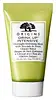
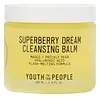
Origins Drink Up™ Intensive Overnight Hydrating Mask with Avocado & Swiss Glacier Water Versus Youth To The People Superberry Dream Cleansing Balm
This hydrating overnight mask is formulated around Niacinamide and Persea Gratissima Oil to hydrate skin and strengthen the skin barrier.
This oil-based makeup remover is made to dissolve makeup, sunscreen, and daily buildup.

What's inside
What's inside
 Key Ingredients
Benefits
Concerns
Ingredients Side-by-side
Water
Skin ConditioningGlycerin
Humectant


Cetyl Alcohol
Emollient



Glyceryl Polymethacrylate
Niacinamide
Smoothing









Hydroxyethyl Urea
Humectant
PEG-75
HumectantDimethicone
Emollient
Persea Gratissima Oil
Skin Conditioning
PPG-15 Stearyl Ether
EmollientPEG-8
HumectantGlycereth-26
Humectant
Sorbitan Stearate
Emulsifying
Citrus Aurantium Amara Leaf/Twig Oil
Masking
Citrus Aurantium Dulcis Peel Oil
Masking
Ricinus Communis Seed Oil
Masking
Osmanthus Fragrans Flower Extract
MaskingRosa Damascena Extract
MaskingRibes Nigrum Bud Extract
Perfuming
Cinnamomum Camphora Leaf Extract
MaskingBenzaldehyde
Masking

Hexenyl Acetate
Masking
Gamma-Decalactone
Perfuming
Ionone
Astringent
Ethyl Acetate
Perfuming
Alcohol
Antimicrobial


Linalool
Perfuming
Limonene
Perfuming
Isopropyl Isostearate
Emollient

PEG-100 Stearate
Surfactant
Citrus Aurantium Dulcis Peel Wax
Skin ConditioningPrunus Armeniaca Kernel Oil
Masking
Mangifera Indica Seed Butter
Skin Conditioning
Sucrose
Humectant
Hypnea Musciformis Extract
Skin ProtectingAvena Sativa Kernel Extract
Abrasive

Triticum Vulgare Bran Extract
Skin ConditioningCladosiphon Okamuranus Extract
Skin ConditioningCetearyl Alcohol
Emollient
Caffeine
Skin Conditioning
Oryza Sativa Extract
Absorbent
Gelidiella Acerosa Extract
Skin ProtectingButylene Glycol
Humectant
Aloe Barbadensis Leaf Extract
Emollient
Pantethine
EmollientOlea Europaea Fruit Extract
BleachingCocos Nucifera Oil
Masking
Punica Granatum Sterols
Skin Conditioning
Sorbitol
Humectant
Caprylyl Glycol
Emollient
Tocopheryl Acetate
Antioxidant
Oryzanol
Skin ConditioningTrehalose
Humectant
Bisabolol
Antioxidant
Cetyl Ethylhexanoate
EmollientSodium Hyaluronate
Humectant
Carbomer
Emulsion StabilisingHexylene Glycol
EmulsifyingPotassium Hydroxide
BufferingDextrin
AbsorbentDisodium EDTA
Potassium Sorbate
Preservative
Phenoxyethanol
Preservative
Essential Oils
Water, Glycerin, Cetyl Alcohol, Glyceryl Polymethacrylate, Niacinamide, Hydroxyethyl Urea, PEG-75, Dimethicone, Persea Gratissima Oil, PPG-15 Stearyl Ether, PEG-8, Glycereth-26, Sorbitan Stearate, Citrus Aurantium Amara Leaf/Twig Oil, Citrus Aurantium Dulcis Peel Oil, Ricinus Communis Seed Oil, Osmanthus Fragrans Flower Extract, Rosa Damascena Extract, Ribes Nigrum Bud Extract, Cinnamomum Camphora Leaf Extract, Benzaldehyde, Hexenyl Acetate, Gamma-Decalactone, Ionone, Ethyl Acetate, Alcohol, Linalool, Limonene, Isopropyl Isostearate, PEG-100 Stearate, Citrus Aurantium Dulcis Peel Wax, Prunus Armeniaca Kernel Oil, Mangifera Indica Seed Butter, Sucrose, Hypnea Musciformis Extract, Avena Sativa Kernel Extract, Triticum Vulgare Bran Extract, Cladosiphon Okamuranus Extract, Cetearyl Alcohol, Caffeine, Oryza Sativa Extract, Gelidiella Acerosa Extract, Butylene Glycol, Aloe Barbadensis Leaf Extract, Pantethine, Olea Europaea Fruit Extract, Cocos Nucifera Oil, Punica Granatum Sterols, Sorbitol, Caprylyl Glycol, Tocopheryl Acetate, Oryzanol, Trehalose, Bisabolol, Cetyl Ethylhexanoate, Sodium Hyaluronate, Carbomer, Hexylene Glycol, Potassium Hydroxide, Dextrin, Disodium EDTA, Potassium Sorbate, Phenoxyethanol, Essential Oils
Helianthus Annuus Seed Oil
Emollient
Caprylic/Capric Triglyceride
Masking
Oryza Sativa Bran Wax
Skin Conditioning
Polyglyceryl-2 Sesquicaprylate
EmulsifyingPolyglyceryl-6 Distearate
Emulsifying
Water
Skin ConditioningPolyhydroxystearic Acid
Emulsifying
Simmondsia Chinensis Seed Oil
Emollient
Moringa Oleifera Seed Oil
Emollient
Sorbitan Olivate
Emulsifying
Hydrolyzed Sodium Hyaluronate
Skin Conditioning
Sodium Hyaluronate
Humectant
Opuntia Ficus-Indica Stem Extract
Skin Conditioning
Aristotelia Chilensis Fruit Extract
Skin ConditioningEuterpe Oleracea Fruit Extract
Lycium Barbarum Fruit Extract
Astringent
Moringa Oleifera Leaf Extract
Skin ConditioningOpuntia Tuna Flower/Stem Extract
Skin ConditioningMelia Azadirachta Flower Extract
Skin ConditioningMelia Azadirachta Leaf Extract
Skin ConditioningOcimum Sanctum Leaf Extract
Skin ConditioningCurcuma Longa Root Extract
Antioxidant
Ocimum Basilicum Flower/Leaf Extract
TonicCorallina Officinalis Extract
Skin Conditioning
Ricinus Communis Seed Oil
Masking
Hydrogenated Castor Oil
Emollient
Tocopherol
Antioxidant
Sodium Laurylglucosides Hydroxypropylsulfonate
CleansingCaprylyl Glycol
Emollient
Sodium Chloride
MaskingEthylhexylglycerin
Skin ConditioningPhenoxyethanol
Preservative
Hexylene Glycol
EmulsifyingParfum
Masking
Helianthus Annuus Seed Oil, Caprylic/Capric Triglyceride, Oryza Sativa Bran Wax, Polyglyceryl-2 Sesquicaprylate, Polyglyceryl-6 Distearate, Water, Polyhydroxystearic Acid, Simmondsia Chinensis Seed Oil, Moringa Oleifera Seed Oil, Sorbitan Olivate, Hydrolyzed Sodium Hyaluronate, Sodium Hyaluronate, Opuntia Ficus-Indica Stem Extract, Aristotelia Chilensis Fruit Extract, Euterpe Oleracea Fruit Extract, Lycium Barbarum Fruit Extract, Moringa Oleifera Leaf Extract, Opuntia Tuna Flower/Stem Extract, Melia Azadirachta Flower Extract, Melia Azadirachta Leaf Extract, Ocimum Sanctum Leaf Extract, Curcuma Longa Root Extract, Ocimum Basilicum Flower/Leaf Extract, Corallina Officinalis Extract, Ricinus Communis Seed Oil, Hydrogenated Castor Oil, Tocopherol, Sodium Laurylglucosides Hydroxypropylsulfonate, Caprylyl Glycol, Sodium Chloride, Ethylhexylglycerin, Phenoxyethanol, Hexylene Glycol, Parfum
Reviews
Ingredients Explained
These ingredients are found in both products.
Ingredients higher up in an ingredient list are typically present in a larger amount.
Caprylyl Glycol is a humectant, skin conditioner, emollient, and preservative booster derived from either caprylic acid or synthetically created.
Typical use levels vary from 0.3-1% as a preservative booster and go up to 2% to condition skin.
Because it is not a free-fatty acid, this ingredient is fungal acne safe (there's nothing for Malassezia to feed on).
Learn more about Caprylyl GlycolHexylene Glycol is a multitasker ingredient that works as a solvent, humectant, emulsifier, viscosity reducer, and preservative booster.
It is able to dissolve both water and oil-soluble ingredients to stabilize tricky actives and make products spread more easily.
As a humectant, it pulls water into the skin. But it's a pretty minor moisturizing ingredient compared to other humectants, like glycerin.
Interestingly, it can act as a mild penetration enhancer. One in vitro study on human skin found a 12% concentration upped the absorption of mometasone furoate (a medicinal ingredient used to treat inflammatory skin conditions) up to 7%.
This ingredient is typically used at levels of 0.1-10% depending on the role it's playing.
A patch test study on eczema patients didn't find a significant increase in irritation versus the control group, but the potential for irritation rises at higher concentrations.
Learn more about Hexylene GlycolPhenoxyethanol is one of the most widely used preservatives in skincare (and for good reason!).
It has a large spectrum of antimicrobial activity and especially effective bacteria, yeast, and mold while only having a weak effect on your skin's natural microbiome.
On a cellular level, it disrupts the cell membranes of microbes by poking holes that make the cell leak. This shuts down the chemical reactions the microbe needs to make energy so it can no longer survive.
Another perk of this ingredient is that it stays functional across a wide pH range (3-10).
You'll often see it paired with boosters like Ethylhexylglycerin; one study showed that a 1:9 ratio of Ethylhexylglycerin to Phenoxyethanol damages bacterial membranes as effectively as doubling the Phenoxyethanol concentration on its own.
Typical use concentrations range from 0.3-1% depending on the formula, and this ingredient is capped at 1% int the EU.
Safety-wise, the fear mongering does not hold up to the evidence. The EU's Scientific Committee on Consumer Safety and FDA consider it safe as a preservative at up to 1%, including for children of all ages.
Adverse systemic effects only showed up in animal studies at exposures roughly 200x higher than what people get from cosmetics. And despite its very widespread use, this ingredient is a rare sensitizer and allergic reactions are uncommon.
Learn more about PhenoxyethanolThis ingredient is also known as castor oil. It is a skin conditioning ingredient.
The star component of castor oil is ricinoleic acid, an unusual fatty acid that makes up ~80-92% of its composition.
In skincare, it is an emollient that dries down to a solid film with water-binding properties. This helps keep skin hydrated and helps reduce transepidermal water loss (TEWL).
A 2026 dermatology review pulls together its broader uses:
Human clinical testing found this ingredient to be non-irritating and non-sensitizing.
Because castor oil contains fatty acids in the C11-24 range, this ingredient may not be fungal acne safe.
At this time, the literature does not support castor oil in regrowing hair. A 2022 systematic review found no strong evidence that it supports hair growth and only weak evidence that it improves hair shine.
Castor oil itself carries "perfuming" and "masking" function tags according to the official CosIng database. This is because of its mild odor and odor-dampening properties.
Learn more about Ricinus Communis Seed OilSodium Hyaluronate is the salt form of hyaluronic acid. It is a long sugar chain that is naturally found in your skin, joints, and connective tissue that maintains hydration and elasticity.
In skincare, it works as a humectant. It pulls water from the environment and deeper layers of skin and binds it to the surface.
Interestingly, the size of the molecule affects its behavior:
Some clinical evidence links low molecular weight versions to improved wrinkle depth, elasticity, anti-inflammatory effects, and barrier repair.
Many serums use a blend of both weights so you can get surface hydration plus longer-lasting and deeper effects.
You'll typically see concentrations between 0.1-2% for this ingredient.
Learn more about Sodium HyaluronateWater. It's the most common cosmetic ingredient of all. You'll usually see it at the top of ingredient lists, meaning that it makes up the largest part of the product.
So why is it so popular? Water most often acts as a solvent - this means that it helps dissolve other ingredients into the formulation.
You'll also recognize water as that liquid we all need to stay alive. If you see this, drink a glass of water. Remember to stay hydrated!
Learn more about Water

