Kiehl's Ultra Facial Overnight Hydrating Face Mask With 10.5% Squalane Versus Youth To The People Superberry Dream Cleansing Balm
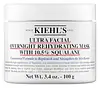
This hydrating overnight mask is formulated around Squalane and Pseudoalteromonas Ferment Extract to hydrate skin and strengthen the skin barrier.
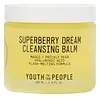
This oil-based makeup remover is made to dissolve makeup, sunscreen, and daily buildup.

What's inside
What's inside
 Key Ingredients
Benefits
Concerns
Ingredients Side-by-side
Water
Skin ConditioningLauryl Laurate
Skin Conditioning

Squalane
Emollient


Isononyl Isononanoate
EmollientBehenyl Behenate
EmollientSorbitan Olivate
Emulsifying
Sorbitan Stearate
Emulsifying
Polyhydroxystearic Acid
Emulsifying
Candelilla Cera
Emollient
Euphorbia Cerifera Cera
Astringent
Propanediol
Solvent
Phenoxyethanol
Preservative
Sodium Polyacrylate
Absorbent
Chlorphenesin
Antimicrobial
Ethylhexylglycerin
Skin ConditioningPseudoalteromonas Ferment Extract
Humectant
Salicylic Acid
Masking








Sodium Hydroxide
BufferingWater, Lauryl Laurate, Squalane, Isononyl Isononanoate, Behenyl Behenate, Sorbitan Olivate, Sorbitan Stearate, Polyhydroxystearic Acid, Candelilla Cera, Euphorbia Cerifera Cera, Propanediol, Phenoxyethanol, Sodium Polyacrylate, Chlorphenesin, Ethylhexylglycerin, Pseudoalteromonas Ferment Extract, Salicylic Acid, Sodium Hydroxide
Helianthus Annuus Seed Oil
Emollient
Caprylic/Capric Triglyceride
Masking
Oryza Sativa Bran Wax
Skin Conditioning
Polyglyceryl-2 Sesquicaprylate
EmulsifyingPolyglyceryl-6 Distearate
Emulsifying
Water
Skin ConditioningPolyhydroxystearic Acid
Emulsifying
Simmondsia Chinensis Seed Oil
Emollient
Moringa Oleifera Seed Oil
Emollient

Sorbitan Olivate
Emulsifying
Hydrolyzed Sodium Hyaluronate
Skin Conditioning
Sodium Hyaluronate
Humectant
Opuntia Ficus-Indica Stem Extract
Skin Conditioning
Aristotelia Chilensis Fruit Extract
Skin ConditioningEuterpe Oleracea Fruit Extract
Lycium Barbarum Fruit Extract
Astringent
Moringa Oleifera Leaf Extract
Skin ConditioningOpuntia Tuna Flower/Stem Extract
Skin ConditioningMelia Azadirachta Flower Extract
Skin ConditioningMelia Azadirachta Leaf Extract
Skin ConditioningOcimum Sanctum Leaf Extract
Skin ConditioningCurcuma Longa Root Extract
Antioxidant

Ocimum Basilicum Flower/Leaf Extract
TonicCorallina Officinalis Extract
Skin Conditioning
Ricinus Communis Seed Oil
Masking
Hydrogenated Castor Oil
Emollient
Tocopherol
Antioxidant

Sodium Laurylglucosides Hydroxypropylsulfonate
CleansingCaprylyl Glycol
Emollient
Sodium Chloride
MaskingEthylhexylglycerin
Skin ConditioningPhenoxyethanol
Preservative
Hexylene Glycol
EmulsifyingParfum
Masking
Helianthus Annuus Seed Oil, Caprylic/Capric Triglyceride, Oryza Sativa Bran Wax, Polyglyceryl-2 Sesquicaprylate, Polyglyceryl-6 Distearate, Water, Polyhydroxystearic Acid, Simmondsia Chinensis Seed Oil, Moringa Oleifera Seed Oil, Sorbitan Olivate, Hydrolyzed Sodium Hyaluronate, Sodium Hyaluronate, Opuntia Ficus-Indica Stem Extract, Aristotelia Chilensis Fruit Extract, Euterpe Oleracea Fruit Extract, Lycium Barbarum Fruit Extract, Moringa Oleifera Leaf Extract, Opuntia Tuna Flower/Stem Extract, Melia Azadirachta Flower Extract, Melia Azadirachta Leaf Extract, Ocimum Sanctum Leaf Extract, Curcuma Longa Root Extract, Ocimum Basilicum Flower/Leaf Extract, Corallina Officinalis Extract, Ricinus Communis Seed Oil, Hydrogenated Castor Oil, Tocopherol, Sodium Laurylglucosides Hydroxypropylsulfonate, Caprylyl Glycol, Sodium Chloride, Ethylhexylglycerin, Phenoxyethanol, Hexylene Glycol, Parfum
Reviews
Alternatives
Ingredients Explained
These ingredients are found in both products.
Ingredients higher up in an ingredient list are typically present in a larger amount.
Ethylhexylglycerin is created from glycerin. It is a multitasker ingredient that:
The CIR Expert Panel found minimal skin absorption or sensitization of any kind in a safety assessment. Though this ingredient is considered well-tolerated, a small number of cases of allergic dermatitis have been published since 2002. Just be sure to patch test if you are unsure.
Industry-reported use ranges from 8% in rinse-off products and 2% in leave-on formulations.
Learn more about EthylhexylglycerinPhenoxyethanol is one of the most widely used preservatives in skincare (and for good reason!).
It has a large spectrum of antimicrobial activity and especially effective bacteria, yeast, and mold while only having a weak effect on your skin's natural microbiome.
On a cellular level, it disrupts the cell membranes of microbes by poking holes that make the cell leak. This shuts down the chemical reactions the microbe needs to make energy so it can no longer survive.
Another perk of this ingredient is that it stays functional across a wide pH range (3-10).
You'll often see it paired with boosters like Ethylhexylglycerin; one study showed that a 1:9 ratio of Ethylhexylglycerin to Phenoxyethanol damages bacterial membranes as effectively as doubling the Phenoxyethanol concentration on its own.
Typical use concentrations range from 0.3-1% depending on the formula, and this ingredient is capped at 1% int the EU.
Safety-wise, the fear mongering does not hold up to the evidence. The EU's Scientific Committee on Consumer Safety and FDA consider it safe as a preservative at up to 1%, including for children of all ages.
Adverse systemic effects only showed up in animal studies at exposures roughly 200x higher than what people get from cosmetics. And despite its very widespread use, this ingredient is a rare sensitizer and allergic reactions are uncommon.
Learn more about PhenoxyethanolPolyhydroxystearic Acid is a vegetable-derived soft wax made from castor oil. It's an emulsion stabilizer, thickener, and film former.
You'll likely see it in sunscreens because it helps disperse pigments and UV-reflecting minerals like titanium dioxide and zinc oxide evenly.
Depending on the concentration, it can drastically change the texture of a product from pasty solid (like lipstick) to sprayable liquid.
The CIR Expert Panel for Cosmetic Ingredient Safety has concluded this ingredient to be safe in cosmetics. The highest reported use concentration is 14.2% in lipsticks.
Learn more about Polyhydroxystearic AcidSorbitan Olivate is created from the fatty acids in olive oil and sorbitol.
This ingredient is an oil in water emulsifier. It helps stabilize a product by preventing oils and waters from separating. Sorbitan Olivate also helps hydrate the skin.
This ingredient is also known as part of Olivem 1000, with Cetearyl Olivate being the other part.
According to a manufacturer, this ingredient helps preserve the natural microbiome of skin. Having a healthy microbiome helps keep our skin healthy and protects against harmful bacteria.
Please note, having a healthy microbiome is different from fungal acne; a healthy microbiome includes small amounts of yeast that normally live on your skin without causing problems.
Fungal acne happens when one type of yeast (Malassezia) grows out of control. This is usually because it's feeding on certain oils or fatty acids. Due to the olive oil base, this ingredient may not be fungal acne safe.
Learn more about Sorbitan OlivateWater. It's the most common cosmetic ingredient of all. You'll usually see it at the top of ingredient lists, meaning that it makes up the largest part of the product.
So why is it so popular? Water most often acts as a solvent - this means that it helps dissolve other ingredients into the formulation.
You'll also recognize water as that liquid we all need to stay alive. If you see this, drink a glass of water. Remember to stay hydrated!
Learn more about Water

