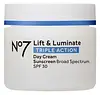
This anti-aging day moisturizer is formulated around Ascorbyl Glucoside and Palmitoyl Tripeptide-1 to soften the look of wrinkles and brighten dull-looking skin.
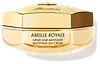
This anti-aging day moisturizer is formulated around Royal Jelly and Palmitoyl Hexapeptide-12 to soften the look of wrinkles.


What's inside
What's inside
 Key Ingredients
Benefits
Concerns
Ingredients Side-by-side
Butyl Methoxydibenzoylmethane 3%
UV Absorber
Ethylhexyl Salicylate 5%
UV Absorber
Octocrylene 7.5%
UV Absorber

Water
Skin ConditioningC12-15 Alkyl Benzoate
AntimicrobialGlycerin
Humectant


Tribehenin
Emollient

Alcohol Denat.
Antimicrobial

Dimethicone
Emollient
Butylene Glycol
Humectant
Aluminum Starch Octenylsuccinate
Absorbent
Mica
Cosmetic ColorantCetearyl Alcohol
Emollient



Butyrospermum Parkii Butter
Skin Conditioning
Cetearyl Glucoside
Emulsifying
Ammonium Acryloyldimethyltaurate/Vp Copolymer
Phenoxyethanol
Preservative
Potassium Cetyl Phosphate
EmulsifyingMethylparaben
Preservative
Dimethiconol
Emollient
Ascorbyl Glucoside
Antioxidant



Parfum
Masking

Propylene Glycol
Humectant
Xanthan Gum
EmulsifyingEthylparaben
Preservative
Pentylene Glycol
Skin Conditioning
Sodium Hyaluronate
Humectant

Tocopheryl Acetate
Antioxidant
Hibiscus Abelmoschus Extract
MaskingRetinyl Palmitate
Skin Conditioning

Phyllanthus Emblica Fruit Extract
HumectantHydrolyzed Rice Protein
Skin ConditioningTetrasodium EDTA
ChelatingSorbitan Laurate
Emulsifying
T-Butyl Alcohol
Perfuming
Potassium Hydroxide
BufferingCarbomer
Emulsion StabilisingPanax Ginseng Root Extract
Emollient
Dipropylene Glycol
HumectantDimethylmethoxy Chromanol
Antioxidant
Polysorbate 20
Emulsifying
Hydroxyethylcellulose
Emulsion StabilisingAcetyl Dipeptide-1 Cetyl Ester
Skin Conditioning
Morus Alba Leaf Extract
Skin ConditioningSilica
Abrasive

Sodium Benzoate
Masking
Tocopherol
Antioxidant
Palmitoyl Tripeptide-1
Skin Conditioning
Palmitoyl Tetrapeptide-7
Skin Conditioning
CI 77891
Cosmetic ColorantButyl Methoxydibenzoylmethane 3%, Ethylhexyl Salicylate 5%, Octocrylene 7.5%, Water, C12-15 Alkyl Benzoate, Glycerin, Tribehenin, Alcohol Denat., Dimethicone, Butylene Glycol, Aluminum Starch Octenylsuccinate, Mica, Cetearyl Alcohol, Butyrospermum Parkii Butter, Cetearyl Glucoside, Ammonium Acryloyldimethyltaurate/Vp Copolymer, Phenoxyethanol, Potassium Cetyl Phosphate, Methylparaben, Dimethiconol, Ascorbyl Glucoside, Parfum, Propylene Glycol, Xanthan Gum, Ethylparaben, Pentylene Glycol, Sodium Hyaluronate, Tocopheryl Acetate, Hibiscus Abelmoschus Extract, Retinyl Palmitate, Phyllanthus Emblica Fruit Extract, Hydrolyzed Rice Protein, Tetrasodium EDTA, Sorbitan Laurate, T-Butyl Alcohol, Potassium Hydroxide, Carbomer, Panax Ginseng Root Extract, Dipropylene Glycol, Dimethylmethoxy Chromanol, Polysorbate 20, Hydroxyethylcellulose, Acetyl Dipeptide-1 Cetyl Ester, Morus Alba Leaf Extract, Silica, Sodium Benzoate, Tocopherol, Palmitoyl Tripeptide-1, Palmitoyl Tetrapeptide-7, CI 77891
Water
Skin ConditioningGlycerin
Humectant
Propanediol
Solvent
C15-19 Alkane
SolventIsononyl Isononanoate
EmollientMel
EmollientJojoba Esters
Emollient
Glyceryl Stearate
Emollient
PEG-100 Stearate
Surfactant
Cellulose
Absorbent
Ammonium Acryloyldimethyltaurate/Vp Copolymer
Cetyl Alcohol
Emollient
Dimethicone
Emollient
Stearyl Alcohol
Emollient
Royal Jelly
Phenoxyethanol
Preservative
Ascorbyl Glucoside
Antioxidant
Caprylyl Glycol
Emollient
Steareth-21
CleansingParfum
Masking
Butyrospermum Parkii Butter
Skin Conditioning
Acrylates/C10-30 Alkyl Acrylate Crosspolymer
Emulsion StabilisingAvena Sativa Kernel Extract
Abrasive
Tocopheryl Acetate
Antioxidant
Xanthan Gum
EmulsifyingSodium Hydroxide
BufferingTetrasodium EDTA
ChelatingGlyceryl Polymethacrylate
Centella Asiatica Leaf Extract
Skin Conditioning
Sodium Hyaluronate
Humectant
Glycyrrhiza Glabra Root Extract
Bleaching
PEG-8
HumectantTocopherol
Antioxidant
Sodium Benzoate
Masking
Hyaluronic Acid
Humectant
Butylene Glycol
Humectant
Sodium Lactate
Buffering
Zingiber Officinale Root Extract
Masking
BHT
Antioxidant
Palmitoyl Hexapeptide-12
Skin Conditioning
Citric Acid
Buffering
Water, Glycerin, Propanediol, C15-19 Alkane, Isononyl Isononanoate, Mel, Jojoba Esters, Glyceryl Stearate, PEG-100 Stearate, Cellulose, Ammonium Acryloyldimethyltaurate/Vp Copolymer, Cetyl Alcohol, Dimethicone, Stearyl Alcohol, Royal Jelly, Phenoxyethanol, Ascorbyl Glucoside, Caprylyl Glycol, Steareth-21, Parfum, Butyrospermum Parkii Butter, Acrylates/C10-30 Alkyl Acrylate Crosspolymer, Avena Sativa Kernel Extract, Tocopheryl Acetate, Xanthan Gum, Sodium Hydroxide, Tetrasodium EDTA, Glyceryl Polymethacrylate, Centella Asiatica Leaf Extract, Sodium Hyaluronate, Glycyrrhiza Glabra Root Extract, PEG-8, Tocopherol, Sodium Benzoate, Hyaluronic Acid, Butylene Glycol, Sodium Lactate, Zingiber Officinale Root Extract, BHT, Palmitoyl Hexapeptide-12, Citric Acid
Ingredients Explained
These ingredients are found in both products.
Ingredients higher up in an ingredient list are typically present in a larger amount.
Ammonium Acryloyldimethyltaurate/Vp Copolymer is a synthetically created polymer. It's used as a film-forming agent and used to thicken the consistency of products.
Think of it as a supportive ingredient that helps your gel-creams feel silky, "cloud cream-like", and spread evenly without being greasy.
The Cosmetic Ingredient Review (CIR) Expert Panel evaluated it (along with 22 other acryloyldimethyltaurate polymers) and concluded it's:
Due to its large molecular size, it sits on the surface of skin rather than penetrating it.
Learn more about Ammonium Acryloyldimethyltaurate/Vp CopolymerAscorbyl Glucoside (AA-2G) is one of the most stable vitamin C derivatives out there.
It's made by attaching a glucose molecule to ascorbic acid; this glucose "cap" shields the vitamin C from air, light, heat, and metal ions that normally cause pure ascorbic acid to oxidize.
Once on your skin, the enzyme alpha-glucosidase snips off the glucose and gradually releases active ascorbic acid right where it's needed. Basically, it behaves like a slow-release pro-vitamin C with less of a stinging that high-strength ascorbic acid can cause.
The research supports the classic vitamin C benefits as well. In lab and human studies, AA-2G slowed down the skin's production of melanin (the pigment behind dark spots) and helped shield skin cells against sun damage better than ascorbyl phosphate.
These studies also showed AA-2G released vitamin C over a longer period.
A frequently cited manufacturer trial found that a 2% AA-2G face cream significantly improved wrinkle depth and skin roughness after 45 days.
And in 2009, a clinical trial showed it meaningfully lightened dark patches on the gums compared to a placebo.
There's also collagen-synthesis support (since vitamin C is a required cofactor for that) and an antioxidant effect too.
Typical usage is usually between 0.5-5% and most studies/products land around 2%.
AA-2G performs best when formulated at a mildly acidic pH (~5-7) which is much gentler than the pH that pure vitamin C demands (~2.5-3.5).
Just one thing worth knowing: the in-skin conversation rate is only about 55-60% by weight. So a 5% AA-2G product delivers roughly 2.75-3% of actual active vitamin C. On top of that, skin absorption is relatively low because the ingredient is water-soluble.
Learn more about Ascorbyl GlucosideButylene Glycol (or BG) is used within cosmetic products for a few different reasons:
Overall, Butylene Glycol is a safe and well-rounded ingredient that works well with other ingredients.
Though this ingredient works well with most skin types, some people with sensitive skin may experience a reaction such as allergic rashes, closed comedones, or itchiness.
Learn more about Butylene GlycolThis ingredient is also known as shea butter. It is a plant-derived extract from the nuts of the Africa shea tree and one of the most well-studied emollients.
Because it has a high concentration of fatty acids (primarily oleic, stearic, and linoleic) it is able to form a protective barrier on the skin's surface. This helps seal in moisture and prevents transepidermal water loss (TEWL).
In vitro research found an increase in skin hydration by 58% and a decrease in TEWL by 37.8% after 24 hours of applying this ingredient (pretty impressive for a single ingredient!).
Besides hydration, shea butter also contains triterpenes that have anti-inflammatory potential. In particule, lupeol cinnamate has shown the highest anti-inflammatory activity in vivo.
Shea butter also contains vitamins A and E which may contribute to antioxidant activity.
While Shea Butter has an SPF rating of about 3-4, it is not a sunscreen replacement.
This ingredient may not be fungal acne safe because its fatty acids fall within the C11-C24 range that the Malassezia yeast can metabolize.
This ingredient shows up on a lot of "pore-clogging" lists but there's no real evidence behind that. It doesn't even have a comedogenic rating from an actual study; the numbers you'll find online come from blogs citing other blogs.
Ratings for other ingredients mostly come from a 1980s rabbit ear test. This test doesn't translate well to human skin or to real products because the ingredient sits at a much lower percentage.
Some people still find it breaks them out. So if that's you, definitely trust your skin. Just know this one's based on experience and not evidence.
Learn more about Butyrospermum Parkii ButterDimethicone is a type of synthetic silicone created from natural materials such as quartz. It is also known as polydimethylsiloxane.
What it does:
Dimethicone comes in different viscosities:
Depending on the viscosity, dimethicone has different properties.
Ingredients lists don't always show which type is used, so we recommend reaching out to the brand if you have questions about the viscosity.
This ingredient is unlikely to cause irritation because it does not get absorbed into skin. However, people with silicone allergies should be careful about using this ingredient.
Note: Dimethicone may contribute to pilling. This is because it is not oil or water soluble, so pilling may occur when layered with products. When mixed with heavy oils in a formula, the outcome is also quite greasy.
Learn more about DimethiconeGlycerin (or glycerol) is a compound naturally found in your skin. It's a powerhouse humectant that pulls water into the stratum corneum.
Topically, glycerin does several things at once:
Your skin makes glycerin on its own (mostly from sebaceous oil breakdown) and shuttles it to your outermost layer of skin, or your epidermis, via aquaporin-3.
Aquaporin-3 is a transporter that is essential for normal skin hydration, elasticity, and repair. Interestingly, mice lacking in AQP3 have dry and less elastic skin that can be fully corrected with glycerin.
This ingredient is non-irritating, plays well with almost every ingredient, and works across all skin types. Typical use is anywhere between 3-10% but can go up to 79% in some leave-on products.
Just know very high concentrations (>40%) can feel tacky in low humidity.
Glycerin is the name for this ingredient in American English. British English uses Glycerol/Glycerine.
Learn more about GlycerinParfum is a catch-all term for an ingredient or more that is used to give a scent to products.
Also called "fragrance", this ingredient can be a blend of hundreds of chemicals or plant oils. This means every product with "fragrance" or "parfum" in the ingredients list is a different mixture.
For instance, Habanolide is a proprietary trade name for a specific aroma chemical. When used as a fragrance ingredient in cosmetics, most aroma chemicals fall under the broad labeling category of “FRAGRANCE” or “PARFUM” according to EU and US regulations.
The term 'parfum' or 'fragrance' is not regulated in many countries. In many cases, it is up to the brand to define this term.
For instance, many brands choose to label themselves as "fragrance-free" because they are not using synthetic fragrances. However, their products may still contain ingredients such as essential oils that are considered a fragrance by INCI standards.
One example is Calendula flower extract. Calendula is an essential oil that still imparts a scent or 'fragrance'.
Depending on the blend, the ingredients in the mixture can cause allergies and sensitivities on the skin. Some ingredients that are known EU allergens include linalool and citronellol.
Parfum can also be used to mask or cover an unpleasant scent.
The bottom line is: not all fragrances/parfum/ingredients are created equally. If you are worried about fragrances, we recommend taking a closer look at an ingredient. And of course, we always recommend speaking with a professional.
Learn more about ParfumPhenoxyethanol is one of the most widely used preservatives in skincare (and for good reason!).
It has a large spectrum of antimicrobial activity and especially effective bacteria, yeast, and mold while only having a weak effect on your skin's natural microbiome.
On a cellular level, it disrupts the cell membranes of microbes by poking holes that make the cell leak. This shuts down the chemical reactions the microbe needs to make energy so it can no longer survive.
Another perk of this ingredient is that it stays functional across a wide pH range (3-10).
You'll often see it paired with boosters like Ethylhexylglycerin; one study showed that a 1:9 ratio of Ethylhexylglycerin to Phenoxyethanol damages bacterial membranes as effectively as doubling the Phenoxyethanol concentration on its own.
Typical use concentrations range from 0.3-1% depending on the formula, and this ingredient is capped at 1% int the EU.
Safety-wise, the fear mongering does not hold up to the evidence. The EU's Scientific Committee on Consumer Safety and FDA consider it safe as a preservative at up to 1%, including for children of all ages.
Adverse systemic effects only showed up in animal studies at exposures roughly 200x higher than what people get from cosmetics. And despite its very widespread use, this ingredient is a rare sensitizer and allergic reactions are uncommon.
Learn more about PhenoxyethanolSodium Benzoate is a preservative. It's used in both cosmetic and food products to inhibit the growth of mold and bacteria. It is typically produced synthetically.
Both the US FDA and EU Health Committee have approved the use of sodium benzoate. In the US, levels of 0.1% (of the total product) are allowed.
Sodium benzoate works as a preservative by inhibiting the growth of bacteria inside of cells. It prevents the cell from fermenting a type of sugar using an enzyme called phosphofructokinase.
It is the salt of benzoic acid. Foods containing sodium benzoate include soda, salad dressings, condiments, fruit juices, wines, and snack foods.
Studies for using ascorbic acid and sodium benzoate in cosmetics are lacking, especially in skincare routines with multiple steps.
We always recommend speaking with a professional, such as a dermatologist, if you have any concerns.
Learn more about Sodium BenzoateSodium Hyaluronate is the salt form of hyaluronic acid. It is a long sugar chain that is naturally found in your skin, joints, and connective tissue that maintains hydration and elasticity.
In skincare, it works as a humectant. It pulls water from the environment and deeper layers of skin and binds it to the surface.
Interestingly, the size of the molecule affects its behavior:
Some clinical evidence links low molecular weight versions to improved wrinkle depth, elasticity, anti-inflammatory effects, and barrier repair.
Many serums use a blend of both weights so you can get surface hydration plus longer-lasting and deeper effects.
You'll typically see concentrations between 0.1-2% for this ingredient.
Learn more about Sodium HyaluronateTetrasodium EDTA is the salt formed from neutralizing ethylenediamine tetraacetic acid with sodium hydroxide. It is a chelating agent and used to prevent metal ions from binding to other ingredients. This helps keep the product and ingredients stable.
Tetrasodium EDTA comes as a white solid and is soluble in water.
Tocopherol is a fat-soluble antioxidant known as Vitamin E.
You'll find this ingredient in the vast majority of skincare (for good reason). It works to neutralize free radicals, or unstable molecules generated by UV exposure, pollution, and other environmental stressors, before they can cause oxidative damage to your skin cells.
Topically applied tocopherol has been shown to protect against UV damage by ramping up the skin's own natural defense enzymes.
It also acts as a skin conditioning agent; some studies show that regular topical use can improve the skin's water-binding capacity over 2-4 weeks.
This ingredient is especially loved for being a team player. When combined with Vitamin C, the photoprotective effect of both ingredients roughly doubles and the combo also helps reduce UV-induced DNA damage.
This ingredient has some brightening potential but it's more of a prevention ingredient than spot-fader. Cell studies show it can slow down melanin production but it's worth noting that it's not the most powerful brightener out there.
In formulations, it also serves as a stabilizer that helps protect other oxidation-prone ingredients from degrading.
Concentrations usually range from 0.1-1% in most leave-on products.
Learn more about TocopherolTocopheryl Acetate is a stable, shelf-friendly form of vitamin E.
Formulators love it because plain vitamin E oxidizes quickly once it hits air. This acetate version stays stable and resists going off, helping to extend a product's shelf life.
It's actually inactive on its own and works like a slow-release "storage" form; the enzymes in your skin called esterases gradually convert it into active vitamin E over time.
One in vivo study showed 5% of the acetate in the living layer of the epidermis converted to vitamin E after 5 days of application. This study also found the skin gained protection against UV damage even though the conversion was slow and small.
Once converted, vitamin E acts as a skin's main fat-soluble antioxidant that fights free radicals to protect skin from damage.
Topical vitamin E generally boosts the skin's photoprotection, and it reduced UV-damage in animal models.
This ingredient has some brightening potential but it's more of a prevention ingredient than spot-fader. Cell studies show it can slow down melanin production but it's worth noting that it's not the most powerful brightener out there.
Overall, it has a pretty solid safety profile and has been found to be non-irritating and non-comedogenic. Allergic reactions may happen but stay rare due to how widely the ingredient gets used.
The concentration will vary depending on the formula; industry data shows 0.1% in baby lotions, 3% in lipsticks, and 5% in foot powders. You can also find this ingredient at 100% in a pure vitamin E oil.
Most leave-on skincare keeps it at the lower end, often between 0.5-1%.
Learn more about Tocopheryl AcetateWater. It's the most common cosmetic ingredient of all. You'll usually see it at the top of ingredient lists, meaning that it makes up the largest part of the product.
So why is it so popular? Water most often acts as a solvent - this means that it helps dissolve other ingredients into the formulation.
You'll also recognize water as that liquid we all need to stay alive. If you see this, drink a glass of water. Remember to stay hydrated!
Learn more about WaterXanthan gum is used as a stabilizer and thickener within cosmetic products. It helps give products a sticky, thick feeling - preventing them from being too runny.
On the technical side of things, xanthan gum is a polysaccharide - a combination consisting of multiple sugar molecules bonded together.
Xanthan gum is a pretty common and great ingredient. It is a natural, non-toxic, non-irritating ingredient that is also commonly used in food products.
Learn more about Xanthan Gum

