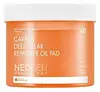
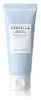
Neogen Dermalogy Carrot Deep Clear Remover Oil Pad Versus SKIN1004 Madagascar Centella Hyalu-Cica Sleeping Pack
This cleansing wipe is mild enough to cleanse without leaving skin feeling tight or stripped.
This hydrating overnight mask is formulated around Centella Asiatica Leaf Water and Niacinamide to hydrate skin and calm redness.

What's inside
What's inside
 Key Ingredients
Benefits
Concerns
Ingredients Side-by-side
Cetyl Ethylhexanoate
EmollientIsopropyl Palmitate
Emollient




PEG-20 Glyceryl Triisostearate
Emollient
Ethylhexylglycerin
Skin ConditioningDaucus Carota Sativa Seed Oil
Emollient


Citrus Aurantium Dulcis Peel Oil
Masking
Eclipta Prostrata Extract
Skin Conditioning
Hippophae Rhamnoides Oil
Emollient

Citrus Aurantium Bergamia Fruit Oil
Masking


Cinnamomum Camphora Bark Oil
Masking
Melia Azadirachta Leaf Extract
Skin ConditioningLavandula Angustifolia Oil
Masking
Litsea Cubeba Fruit Oil
Masking
Moringa Oleifera Seed Oil
Emollient
Pelargonium Graveolens Oil
Masking
Ocimum Basilicum Oil
Masking
Water
Skin ConditioningButylene Glycol
Humectant
Gluconolactone
Chelating







Lactobionic Acid
Buffering
Capryloyl Salicylic Acid
Exfoliating

Olea Europaea Fruit Oil
Masking
1,2-Hexanediol
Skin Conditioning
Daucus Carota Sativa Root Extract
Skin Conditioning
Moringa Oleifera Seed Extract
Skin Conditioning
Malpighia Emarginata Fruit Extract
Skin ConditioningCitrus Unshiu Peel Extract
MaskingNiacinamide
Smoothing
Citrus Aurantifolia Fruit Extract
Skin ConditioningCitrus Limon Fruit Extract
Masking
Brassica Oleracea Italica Extract
AstringentRibes Nigrum Seed Oil
Emollient
Hippophae Rhamnoides Extract
MaskingCitrus Aurantium Dulcis Fruit Extract
MaskingCitrus Paradisi Fruit Extract
Skin ConditioningPanthenol
Skin Conditioning
Vitis Vinifera Seed Oil
Emollient
Camellia Sinensis Seed Oil
Humectant
Carthamus Tinctorius Seed Oil
Masking
Brassica Oleracea Italica Seed Oil
Emollient
Solanum Lycopersicum Seed Oil
Emollient
Caprylyl Glycol
Emollient
Ascorbic Acid
Antioxidant

Riboflavin
Cosmetic ColorantCyanocobalamin
Skin ConditioningSodium Ascorbate
Antioxidant
Sodium Ascorbyl Phosphate
Antioxidant
Ubiquinone
Antioxidant
Tocopherol
Antioxidant
Thiamine Hcl
MaskingInositol
Humectant
Biotin
AntiseborrhoeicBeta-Carotene
Skin ConditioningPyridoxine
Skin ConditioningFolic Acid
Skin ConditioningLimonene
Perfuming
Cetyl Ethylhexanoate, Isopropyl Palmitate, PEG-20 Glyceryl Triisostearate, Ethylhexylglycerin, Daucus Carota Sativa Seed Oil, Citrus Aurantium Dulcis Peel Oil, Eclipta Prostrata Extract, Hippophae Rhamnoides Oil, Citrus Aurantium Bergamia Fruit Oil, Cinnamomum Camphora Bark Oil, Melia Azadirachta Leaf Extract, Lavandula Angustifolia Oil, Litsea Cubeba Fruit Oil, Moringa Oleifera Seed Oil, Pelargonium Graveolens Oil, Ocimum Basilicum Oil, Water, Butylene Glycol, Gluconolactone, Lactobionic Acid, Capryloyl Salicylic Acid, Olea Europaea Fruit Oil, 1,2-Hexanediol, Daucus Carota Sativa Root Extract, Moringa Oleifera Seed Extract, Malpighia Emarginata Fruit Extract, Citrus Unshiu Peel Extract, Niacinamide, Citrus Aurantifolia Fruit Extract, Citrus Limon Fruit Extract, Brassica Oleracea Italica Extract, Ribes Nigrum Seed Oil, Hippophae Rhamnoides Extract, Citrus Aurantium Dulcis Fruit Extract, Citrus Paradisi Fruit Extract, Panthenol, Vitis Vinifera Seed Oil, Camellia Sinensis Seed Oil, Carthamus Tinctorius Seed Oil, Brassica Oleracea Italica Seed Oil, Solanum Lycopersicum Seed Oil, Caprylyl Glycol, Ascorbic Acid, Riboflavin, Cyanocobalamin, Sodium Ascorbate, Sodium Ascorbyl Phosphate, Ubiquinone, Tocopherol, Thiamine Hcl, Inositol, Biotin, Beta-Carotene, Pyridoxine, Folic Acid, Limonene
Centella Asiatica Leaf Water
Skin Conditioning
Water
Skin ConditioningButylene Glycol
Humectant
Glycerin
Humectant
1,2-Hexanediol
Skin Conditioning
Niacinamide
Smoothing
Polyglutamic Acid
Skin Conditioning
Pantolactone
Humectant
Hydrolyzed Hibiscus Esculentus Extract
Skin ConditioningCarbomer
Emulsion StabilisingPanthenol
Skin Conditioning
Sodium Hyaluronate
Humectant
Hydrolyzed Hyaluronic Acid
Humectant
Hyaluronic Acid
Humectant
Cetearyl Olivate
Methylpropanediol
SolventArginine
Masking
Pullulan
Sorbitan Olivate
Emulsifying
Caprylic/Capric Triglyceride
Masking
Pyrus Communis Fruit Extract
Skin ConditioningAdenosine
Skin Conditioning
Rosa Damascena Flower Water
Masking
Cucumis Melo Fruit Extract
Skin ConditioningIris Florentina Root Extract
MaskingEthylhexylglycerin
Skin ConditioningHedera Helix Leaf/Stem Extract
AntimicrobialSodium Phytate
ChelatingXanthan Gum
EmulsifyingMaltodextrin
Absorbent
Artemisia Princeps Leaf Extract
Skin ConditioningHydrolyzed Gardenia Florida Extract
Antioxidant
Melatonin
Antioxidant
Illicium Verum Fruit Extract
Perfuming
Larix Sibirica Wood Extract
Antimicrobial
Quercus Mongolica Leaf Extract
Skin ConditioningPersicaria Hydropiper Extract
Skin ConditioningRheum Palmatum Root/Stalk Extract
AstringentAsarum Sieboldii Root Extract
Skin ConditioningChrysanthellum Indicum Extract
Skin Conditioning
Corydalis Turtschaninovii Root Extract
Skin ConditioningCoptis Chinensis Root Extract
Antioxidant
Machilus Thunbergii Bark Extract
Skin ConditioningPentylene Glycol
Skin Conditioning
Hydrogenated Lecithin
Emulsifying
Ceramide NP
Skin Conditioning
Centella Asiatica Leaf Water, Water, Butylene Glycol, Glycerin, 1,2-Hexanediol, Niacinamide, Polyglutamic Acid, Pantolactone, Hydrolyzed Hibiscus Esculentus Extract, Carbomer, Panthenol, Sodium Hyaluronate, Hydrolyzed Hyaluronic Acid, Hyaluronic Acid, Cetearyl Olivate, Methylpropanediol, Arginine, Pullulan, Sorbitan Olivate, Caprylic/Capric Triglyceride, Pyrus Communis Fruit Extract, Adenosine, Rosa Damascena Flower Water, Cucumis Melo Fruit Extract, Iris Florentina Root Extract, Ethylhexylglycerin, Hedera Helix Leaf/Stem Extract, Sodium Phytate, Xanthan Gum, Maltodextrin, Artemisia Princeps Leaf Extract, Hydrolyzed Gardenia Florida Extract, Melatonin, Illicium Verum Fruit Extract, Larix Sibirica Wood Extract, Quercus Mongolica Leaf Extract, Persicaria Hydropiper Extract, Rheum Palmatum Root/Stalk Extract, Asarum Sieboldii Root Extract, Chrysanthellum Indicum Extract, Corydalis Turtschaninovii Root Extract, Coptis Chinensis Root Extract, Machilus Thunbergii Bark Extract, Pentylene Glycol, Hydrogenated Lecithin, Ceramide NP
Reviews
Ingredients Explained
These ingredients are found in both products.
Ingredients higher up in an ingredient list are typically present in a larger amount.
1,2-Hexanediol is a synthetic liquid and another multi-functional powerhouse.
It is a:
- Humectant, drawing moisture into the skin
- Emollient, helping to soften skin
- Solvent, dispersing and stabilizing formulas
- Preservative booster, enhancing the antimicrobial activity of other preservatives
Butylene Glycol (or BG) is used within cosmetic products for a few different reasons:
Overall, Butylene Glycol is a safe and well-rounded ingredient that works well with other ingredients.
Though this ingredient works well with most skin types, some people with sensitive skin may experience a reaction such as allergic rashes, closed comedones, or itchiness.
Learn more about Butylene GlycolEthylhexylglycerin is created from glycerin. It is a multitasker ingredient that:
The CIR Expert Panel found minimal skin absorption or sensitization of any kind in a safety assessment. Though this ingredient is considered well-tolerated, a small number of cases of allergic dermatitis have been published since 2002. Just be sure to patch test if you are unsure.
Industry-reported use ranges from 8% in rinse-off products and 2% in leave-on formulations.
Learn more about EthylhexylglycerinNiacinamide is a multitasking form of vitamin B3 that strengthens the skin barrier, reduces pores and dark spots, regulates oil, and improves signs of aging.
And the best part? It's gentle and well-tolerated by most skin types, including sensitive and reactive skin.
You might have heard of "niacin flush", or the reddening of skin that causes itchiness. Niacinamide has not been found to cause this.
In very rare cases, some individuals may not be able to tolerate niacinamide at all or experience an allergic reaction to it.
If you are experiencing flaking, irritation, and dryness with this ingredient, be sure to double check all your products as this ingredient can be found in all categories of skincare.
When incorporating niacinamide into your routine, look out for concentration amounts. Typically, 5% niacinamide provides benefits such as fading dark spots. However, if you have sensitive skin, it is better to begin with a smaller concentration.
When you apply niacinamide to your skin, your body converts it into nicotinamide adenine dinucleotide (NAD). NAD is an essential coenzyme that is already found in your cells as "fuel" and powers countless biological processes.
In your skin, NAD helps repair cell damage, produce new healthy cells, support collagen production, strengthen the skin barrier, and fight environmental stressors (like UV and pollution).
Our natural NAD levels start to decline with age, leading to slower skin repair, visible aging, and a weaker skin barrier. By providing your skin niacinamide, you're recharging your skin's NAD levels. This leads to stronger, healthier, and younger looking skin.
Another name for vitamin B3 is nicotinamide. This vitamin is water-soluble and our bodies don't store it. We obtain Vitamin B3 from either food or skincare. Meat, fish, wheat, yeast, and leafy greens contain vitamin B3.
The type of niacinamide used in skincare is synthetically created.
Learn more about NiacinamidePanthenol is a common ingredient that helps hydrate and soothe the skin. It is found naturally in our skin and hair.
There are two forms of panthenol: D and L.
D-panthenol is also known as dexpanthenol. Most cosmetics use dexpanthenol or a mixture of D and L-panthenol.
Panthenol is famous due to its ability to go deeper into the skin's layers. Using this ingredient has numerous pros (and no cons):
Like hyaluronic acid, panthenol is a humectant. Humectants are able to bind and hold large amounts of water to keep skin hydrated.
This ingredient works well for wound healing. It works by increasing tissue in the wound and helps close open wounds.
Once oxidized, panthenol converts to pantothenic acid. Panthothenic acid is found in all living cells.
This ingredient is also referred to as pro-vitamin B5.
Learn more about PanthenolWater. It's the most common cosmetic ingredient of all. You'll usually see it at the top of ingredient lists, meaning that it makes up the largest part of the product.
So why is it so popular? Water most often acts as a solvent - this means that it helps dissolve other ingredients into the formulation.
You'll also recognize water as that liquid we all need to stay alive. If you see this, drink a glass of water. Remember to stay hydrated!
Learn more about Water

