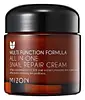
This barrier-repair moisturizer is formulated around Snail Secretion Filtrate and Centella Asiatica Extract to strengthen the skin barrier and calm redness.
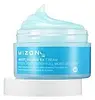
This barrier-repair moisturizer is formulated around Sodium Hyaluronate and Moringa Oleifera Seed Extract to strengthen the skin barrier and hydrate skin.

What's inside
What's inside
 Key Ingredients
Benefits
Concerns
Ingredients Side-by-side
Water
Skin ConditioningSnail Secretion Filtrate
Skin Conditioning





Butylene Glycol
Humectant
1,2-Hexanediol
Skin Conditioning
Cetearyl Olivate


Sorbitan Olivate
Emulsifying
Cetearyl Alcohol
Emollient




Glyceryl Stearate
Emollient
Dimethicone
Emollient
Hydrogenated Vegetable Oil
Emollient
Palmitic Acid
Emollient
Stearic Acid
Cleansing
Polyacrylate-13
Dipropylene Glycol
HumectantTriethanolamine
BufferingCarbomer
Emulsion StabilisingHydroxyacetophenone
Antioxidant
PEG/PPG-17/6 Copolymer
SolventPolyisobutene
Sodium Polyacrylate
Absorbent
Caprylyl Glycol
Emollient
Adenosine
Skin Conditioning
Polysorbate 20
Emulsifying
Sorbitan Isostearate
Emulsifying
Disodium EDTA
ChelatingDipotassium Glycyrrhizate
Humectant
Glycerin
Humectant
Alcohol
Antimicrobial


Portulaca Oleracea Extract
Skin Conditioning
Betula Platyphylla Japonica Juice
Skin Conditioning
Artemisia Absinthium Extract
Skin ConditioningArnica Montana Flower Extract
Masking
Gentiana Lutea Root Extract
Skin ConditioningFragaria Chiloensis Fruit Extract
Skin Conditioning
Achillea Millefolium Extract
CleansingRubus Idaeus Fruit Extract
AstringentCamellia Sinensis Leaf Extract
Antimicrobial


Palmitoyl Tripeptide-5
Skin Conditioning

Propylene Glycol
Humectant
Centella Asiatica Extract
Cleansing
Citric Acid
Buffering
Sodium Hyaluronate
Humectant
Beta-Glucan
Skin Conditioning
Potassium Sorbate
Preservative
Copper Tripeptide-1
Skin Conditioning
Fragaria Vesca Fruit Extract
AstringentEthylhexylglycerin
Skin ConditioningMadecassoside
Antioxidant
Madecassic Acid
Skin Conditioning
Asiaticoside
Antioxidant
Asiatic Acid
Skin Conditioning
Water, Snail Secretion Filtrate, Butylene Glycol, 1,2-Hexanediol, Cetearyl Olivate, Sorbitan Olivate, Cetearyl Alcohol, Glyceryl Stearate, Dimethicone, Hydrogenated Vegetable Oil, Palmitic Acid, Stearic Acid, Polyacrylate-13, Dipropylene Glycol, Triethanolamine, Carbomer, Hydroxyacetophenone, PEG/PPG-17/6 Copolymer, Polyisobutene, Sodium Polyacrylate, Caprylyl Glycol, Adenosine, Polysorbate 20, Sorbitan Isostearate, Disodium EDTA, Dipotassium Glycyrrhizate, Glycerin, Alcohol, Portulaca Oleracea Extract, Betula Platyphylla Japonica Juice, Artemisia Absinthium Extract, Arnica Montana Flower Extract, Gentiana Lutea Root Extract, Fragaria Chiloensis Fruit Extract, Achillea Millefolium Extract, Rubus Idaeus Fruit Extract, Camellia Sinensis Leaf Extract, Palmitoyl Tripeptide-5, Propylene Glycol, Centella Asiatica Extract, Citric Acid, Sodium Hyaluronate, Beta-Glucan, Potassium Sorbate, Copper Tripeptide-1, Fragaria Vesca Fruit Extract, Ethylhexylglycerin, Madecassoside, Madecassic Acid, Asiaticoside, Asiatic Acid
Water
Skin ConditioningButylene Glycol
Humectant
Glycerin
Humectant
Cyclopentasiloxane
Emollient
Cyclohexasiloxane
Emollient
Alcohol
Antimicrobial
Glycereth-26
Humectant
1,2-Hexanediol
Skin Conditioning
Dimethicone
Emollient
Sodium Hyaluronate
Humectant
Moringa Oleifera Seed Extract
Skin Conditioning
Algae Extract
Emollient
Isomalt
HumectantLecithin
Emollient
Lactic Acid
Buffering
Sodium Benzoate
Masking
Sodium Carrageenan
Emulsion StabilisingSea Salt
Abrasive
Silica
Abrasive
Caprylic/Capric Triglyceride
Masking
Salicornia Herbacea Extract
Skin ConditioningAcrylates/C10-30 Alkyl Acrylate Crosspolymer
Emulsion StabilisingPotassium Hydroxide
BufferingHelianthus Annuus Seed Oil
Emollient
Citrus Aurantium Bergamia Fruit Oil
Masking
Pelargonium Graveolens Flower Oil
Masking
Rosa Damascena Flower Oil
Masking
Beta-Glucan
Skin Conditioning
Hamamelis Virginiana Leaf Extract
Skin Conditioning
Citrullus Lanatus Fruit Extract
Skin Conditioning
Ocimum Sanctum Leaf Extract
Skin ConditioningNelumbo Nucifera Flower Extract
Skin ConditioningSea Water
HumectantBetula Platyphylla Japonica Juice
Skin Conditioning
Biosaccharide Gum-1
Humectant
Glycyrrhiza Glabra Root Extract
Bleaching
Broussonetia Kazinoki Root Extract
Skin ConditioningBetaine
Humectant
Sodium PCA
Humectant
Sorbitol
Humectant
Serine
Masking
Glycine
Buffering
Glutamic Acid
Humectant
Alanine
Masking
Lysine
Skin ConditioningArginine
Masking
Threonine
Proline
Skin Conditioning
Disodium EDTA
ChelatingCI 42090
Cosmetic ColorantWater, Butylene Glycol, Glycerin, Cyclopentasiloxane, Cyclohexasiloxane, Alcohol, Glycereth-26, 1,2-Hexanediol, Dimethicone, Sodium Hyaluronate, Moringa Oleifera Seed Extract, Algae Extract, Isomalt, Lecithin, Lactic Acid, Sodium Benzoate, Sodium Carrageenan, Sea Salt, Silica, Caprylic/Capric Triglyceride, Salicornia Herbacea Extract, Acrylates/C10-30 Alkyl Acrylate Crosspolymer, Potassium Hydroxide, Helianthus Annuus Seed Oil, Citrus Aurantium Bergamia Fruit Oil, Pelargonium Graveolens Flower Oil, Rosa Damascena Flower Oil, Beta-Glucan, Hamamelis Virginiana Leaf Extract, Citrullus Lanatus Fruit Extract, Ocimum Sanctum Leaf Extract, Nelumbo Nucifera Flower Extract, Sea Water, Betula Platyphylla Japonica Juice, Biosaccharide Gum-1, Glycyrrhiza Glabra Root Extract, Broussonetia Kazinoki Root Extract, Betaine, Sodium PCA, Sorbitol, Serine, Glycine, Glutamic Acid, Alanine, Lysine, Arginine, Threonine, Proline, Disodium EDTA, CI 42090
Reviews
Ingredients Explained
These ingredients are found in both products.
Ingredients higher up in an ingredient list are typically present in a larger amount.
1,2-Hexanediol is a synthetic liquid and another multi-functional powerhouse.
It is a:
- Humectant, drawing moisture into the skin
- Emollient, helping to soften skin
- Solvent, dispersing and stabilizing formulas
- Preservative booster, enhancing the antimicrobial activity of other preservatives
This ingredient is also called ethanol or ethyl alcohol. It is denatured, meaning made undrinkable for cosmetic use.
In formulas, it:
Is it bad for your skin?
The answer comes down to concentration. Patch and wash studies have found highly concentrated alcohol-based hand rubs (60-100%) cause less barrier disruption than washing with a basic detergent like SLS. The only measurable effect in these studies was a temporary dip in skin hydration.
Concentrations below 12-15% in leave-on cosmetics is generally well-tolerated. Concentrations above start to see increased transepidermal water loss (TEWL) and reduced hydration.
In concentrations about 58%, it creates temporary channels in your skin's lipid layers to become more permeable and allow other ingredients to slip through easily.
This ingredient can be up to 80% of the formula in alcohol-based perfumes.
Overall, this ingredient is probably harmless if found lower down an ingredients list but worth side-eyeing if it's high up (especially if your barrier is already struggling).
Alcohol can worsen dry skin, eczema, and oily skin, especially at higher concentrations. This is because it can increase transepidermal water loss and decrease hydration to disrupt the skin barrier.
According to the National Rosacea Society based in the US, you should be mindful of products with these alcohols in the top half of ingredients.
True allergic contact dermatitis to ethanol is uncommon, but be sure to patch test if you have dry or sensitive skin.
Learn more about AlcoholBeta-Glucan is a soluble polysaccharide (a chain of glucose sugars) sourced from the cells walls of oats, baker's yeast, mushrooms, and seaweed.
It's a rare ingredient that pulls double-duty as a heavy-duty hydrator and skin-soothing repair agent.
On the surface, it acts as a humectant that holds water in place and reduces moisture loss for a plumper, smoother feel, while its anti-inflammatory and antioxidant properties make it a great pick for calming redness or sensitive skin
The more interesting story is underneath:
Despite its large molecular size, oat beta-glucan has been shown to penetrate the epidermis and reach the dermis by slipping between skin cells. Here, it interacts with fibroblasts and macrophages to nudge collagen synthesis and support wound repair.
A small 2005 split-face clinical study of 27 subjects found topical beta-glucan produced measurable reductions in wrinkle depth, height, and roughness after 8 weeks of use.
It is worth noting the trial was small and the penetration testing used frozen, irradiated skin so the anti-aging data is encouraging rather than definitive.
This ingredient gets along with pretty much everything and is typically used around 0.1-1%.
Fungal acne: This ingredient is not a food source for the Malassezia yeast because it is a glucose polysaccharide with no fatty acid or ester component.
Learn more about Beta-GlucanBetula Platyphylla Japonica Juice is the sap of the Asian White Birch tree. Birch juice has antioxidant, hydrating, and soothing properties.
The high content of amino acids, sugars, and minerals provide the skin with moisture. On top of that, it contains Vitamins C and B (niacinamide). These two superstar ingredients protect your skin while reducing dark spots.
This white birch is currently being studied for potential anti-cancer properties. It has been used in traditional Asian medicine to help treat infections.
Learn more about Betula Platyphylla Japonica JuiceButylene Glycol (or BG) is used within cosmetic products for a few different reasons:
Overall, Butylene Glycol is a safe and well-rounded ingredient that works well with other ingredients.
Though this ingredient works well with most skin types, some people with sensitive skin may experience a reaction such as allergic rashes, closed comedones, or itchiness.
Learn more about Butylene GlycolDimethicone is a type of synthetic silicone created from natural materials such as quartz. It is also known as polydimethylsiloxane.
What it does:
Dimethicone comes in different viscosities:
Depending on the viscosity, dimethicone has different properties.
Ingredients lists don't always show which type is used, so we recommend reaching out to the brand if you have questions about the viscosity.
This ingredient is unlikely to cause irritation because it does not get absorbed into skin. However, people with silicone allergies should be careful about using this ingredient.
Note: Dimethicone may contribute to pilling. This is because it is not oil or water soluble, so pilling may occur when layered with products. When mixed with heavy oils in a formula, the outcome is also quite greasy.
Learn more about DimethiconeDisodium EDTA is a chelating agent. It grabs onto and deactivates metal ions that sneak into your products from water, packaging, or air.
This ingredient mainly works behind the scenes and helps with:
On top of that, this ingredient can counteract the effects of hard water by binding to the minerals in it.
One thing worth knowing is that Disodium EDTA has been shown to be a mild penetration enhancer. It can help other ingredients absorb into skin more effectively which can be a double-edged sword (great for actives, but can also make the active too strong if you have sensitive skin).
Clinical patch testing showed no significant skin irritation at typical use concentrations and minimal dermal absorption.
You'll most likely see this ingredient near the end of an ingredient list. It's typically found in concentrations less than 1%.
Learn more about Disodium EDTAGlycerin (or glycerol) is a compound naturally found in your skin. It's a powerhouse humectant that pulls water into the stratum corneum.
Topically, glycerin does several things at once:
Your skin makes glycerin on its own (mostly from sebaceous oil breakdown) and shuttles it to your outermost layer of skin, or your epidermis, via aquaporin-3.
Aquaporin-3 is a transporter that is essential for normal skin hydration, elasticity, and repair. Interestingly, mice lacking in AQP3 have dry and less elastic skin that can be fully corrected with glycerin.
This ingredient is non-irritating, plays well with almost every ingredient, and works across all skin types. Typical use is anywhere between 3-10% but can go up to 79% in some leave-on products.
Just know very high concentrations (>40%) can feel tacky in low humidity.
Glycerin is the name for this ingredient in American English. British English uses Glycerol/Glycerine.
Learn more about GlycerinSodium Hyaluronate is the salt form of hyaluronic acid. It is a long sugar chain that is naturally found in your skin, joints, and connective tissue that maintains hydration and elasticity.
In skincare, it works as a humectant. It pulls water from the environment and deeper layers of skin and binds it to the surface.
Interestingly, the size of the molecule affects its behavior:
Some clinical evidence links low molecular weight versions to improved wrinkle depth, elasticity, anti-inflammatory effects, and barrier repair.
Many serums use a blend of both weights so you can get surface hydration plus longer-lasting and deeper effects.
You'll typically see concentrations between 0.1-2% for this ingredient.
Learn more about Sodium HyaluronateWater. It's the most common cosmetic ingredient of all. You'll usually see it at the top of ingredient lists, meaning that it makes up the largest part of the product.
So why is it so popular? Water most often acts as a solvent - this means that it helps dissolve other ingredients into the formulation.
You'll also recognize water as that liquid we all need to stay alive. If you see this, drink a glass of water. Remember to stay hydrated!
Learn more about Water

