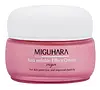
This anti-aging moisturizer is formulated around Propolis Extract and Camellia Sinensis Leaf Extract to soften the look of wrinkles and hydrate skin.

What's inside
What's inside
 Key Ingredients
Benefits
Concerns
Ingredients Side-by-side
Propolis Extract
Skin Conditioning




Camellia Sinensis Leaf Extract
Antimicrobial





Water
Skin ConditioningGlycerin
Humectant
Ethylhexyl Palmitate
Emollient




1,2-Hexanediol
Skin Conditioning
Caprylic/Capric Triglyceride
Masking
Helianthus Annuus Seed Oil
Emollient
Hydrolyzed Collagen
Emollient
Hydrogenated Lecithin
Emulsifying
Cetyl Alcohol
Emollient
Beeswax
Emulsion Stabilising
Cyclohexasiloxane
Emollient
Glyceryl Stearate Se
Emulsifying
Shea Butter Glycerides
Emulsifying
Methyl Gluceth-20
Humectant
Prunus Armeniaca Kernel Oil
Masking
Stearic Acid
Cleansing
Stearyl Alcohol
Emollient
Palmitic Acid
Emollient
Behenic Acid
Cleansing
Carbomer
Emulsion StabilisingArginine
Masking
Xanthan Gum
EmulsifyingBehenyl Alcohol
Emollient
Butylene Glycol
Humectant
Parfum
Masking


Allantoin
Skin Conditioning
Myristyl Alcohol
Emollient
Myristic Acid
Cleansing
Adenosine
Skin Conditioning
Betaine
Humectant
Lauryl Alcohol
Emollient
Malt Extract
Skin ProtectingSodium Hyaluronate
Humectant
Arachidic Acid
Cleansing
Lauric Acid
Cleansing
Oleic Acid
Emollient
Caprylyl Glycol
Emollient
Copper Tripeptide-1
Skin Conditioning
Acetyl Hexapeptide-8
Humectant
Palmitoyl Pentapeptide-4
Skin Conditioning
Palmitoyl Tripeptide-1
Skin Conditioning
Tripeptide-1
Skin Conditioning
Hexapeptide-9
Skin Conditioning
Nonapeptide-1
Skin Conditioning
Propolis Extract, Camellia Sinensis Leaf Extract, Water, Glycerin, Ethylhexyl Palmitate, 1,2-Hexanediol, Caprylic/Capric Triglyceride, Helianthus Annuus Seed Oil, Hydrolyzed Collagen, Hydrogenated Lecithin, Cetyl Alcohol, Beeswax, Cyclohexasiloxane, Glyceryl Stearate Se, Shea Butter Glycerides, Methyl Gluceth-20, Prunus Armeniaca Kernel Oil, Stearic Acid, Stearyl Alcohol, Palmitic Acid, Behenic Acid, Carbomer, Arginine, Xanthan Gum, Behenyl Alcohol, Butylene Glycol, Parfum, Allantoin, Myristyl Alcohol, Myristic Acid, Adenosine, Betaine, Lauryl Alcohol, Malt Extract, Sodium Hyaluronate, Arachidic Acid, Lauric Acid, Oleic Acid, Caprylyl Glycol, Copper Tripeptide-1, Acetyl Hexapeptide-8, Palmitoyl Pentapeptide-4, Palmitoyl Tripeptide-1, Tripeptide-1, Hexapeptide-9, Nonapeptide-1
Water
Skin ConditioningPanthenol 10%
Skin Conditioning
Methylpropanediol
SolventSqualane
Emollient
Glycerin
Humectant
Cetyl Ethylhexanoate
EmollientVinyldimethicone
Propylheptyl Caprylate
EmollientCetearyl Alcohol
Emollient
Betaine
Humectant
Asiaticoside
Antioxidant
Madecassic Acid
Skin Conditioning
Madecassoside
Antioxidant
Asiatic Acid
Skin Conditioning
Centella Asiatica Extract
Cleansing
Centella Asiatica Root Extract
Skin Conditioning
Centella Asiatica Leaf Extract
Skin Conditioning
Tocopherol
Antioxidant

Beta-Sitosterol
Emulsion Stabilising
Taurine
BufferingXylitol
Humectant
Erythritol
Humectant
Arginine
Masking
Phytosterols
Skin Conditioning
Ceramide NP
Skin Conditioning
Morus Alba Root Extract
BleachingSaccharomyces Ferment
Skin Conditioning
1,2-Hexanediol
Skin Conditioning
Polyglyceryl-2 Stearate
Emulsifying
Glyceryl Stearate
Emollient
Glyceryl Stearate Se
Emulsifying
Stearyl Alcohol
Emollient
Hydroxyacetophenone
Antioxidant
Hydroxyethyl Acrylate/Sodium Acryloyldimethyl Taurate Copolymer
Emulsion StabilisingBehenyl Alcohol
Emollient
Acrylates/C10-30 Alkyl Acrylate Crosspolymer
Emulsion StabilisingHydrogenated Lecithin
Emulsifying
Xanthan Gum
EmulsifyingEthylhexylglycerin
Skin ConditioningTromethamine
BufferingDisodium EDTA
ChelatingCitric Acid
Buffering
Cholesterol
Emollient
Sorbitan Isostearate
Emulsifying
Butylene Glycol
Humectant
Propanediol
Solvent
Hydroxypropyl Cyclodextrin
MaskingSucrose Distearate
Emollient
Water, Panthenol 10%, Methylpropanediol, Squalane, Glycerin, Cetyl Ethylhexanoate, Vinyldimethicone, Propylheptyl Caprylate, Cetearyl Alcohol, Betaine, Asiaticoside, Madecassic Acid, Madecassoside, Asiatic Acid, Centella Asiatica Extract, Centella Asiatica Root Extract, Centella Asiatica Leaf Extract, Tocopherol, Beta-Sitosterol, Taurine, Xylitol, Erythritol, Arginine, Phytosterols, Ceramide NP, Morus Alba Root Extract, Saccharomyces Ferment, 1,2-Hexanediol, Polyglyceryl-2 Stearate, Glyceryl Stearate, Glyceryl Stearate Se, Stearyl Alcohol, Hydroxyacetophenone, Hydroxyethyl Acrylate/Sodium Acryloyldimethyl Taurate Copolymer, Behenyl Alcohol, Acrylates/C10-30 Alkyl Acrylate Crosspolymer, Hydrogenated Lecithin, Xanthan Gum, Ethylhexylglycerin, Tromethamine, Disodium EDTA, Citric Acid, Cholesterol, Sorbitan Isostearate, Butylene Glycol, Propanediol, Hydroxypropyl Cyclodextrin, Sucrose Distearate
Reviews
Ingredients Explained
These ingredients are found in both products.
Ingredients higher up in an ingredient list are typically present in a larger amount.
1,2-Hexanediol is a synthetic liquid and another multi-functional powerhouse.
It is a:
- Humectant, drawing moisture into the skin
- Emollient, helping to soften skin
- Solvent, dispersing and stabilizing formulas
- Preservative booster, enhancing the antimicrobial activity of other preservatives
Arginine is a semi-essential amino acid. This just means our bodies can product a bit on its own, but sometimes needs a little boost from food sources.
It is a part of your skin's natural moisturizing factor (NMF), or the water-loving molecules in your outermost layer of skin (stratum corneum) that keeps everything hydrated and happy.
Here's an interesting thing about Arginine: your skin converts it into urea through the Krebs-Henseleit urea cycle. Urea is one of the most effective humectants your skin naturally produces.
A clinical study showed applying 2.5% arginine hydrochloride to atopic dermatitis skin showed significant urea levels in the stratum corneum and improved moisture in just four weeks.
Arginine is also a precursor to nitric oxide; nitric oxide improves microcirculation and supports wound healing and collagen synthesis.
One study found that an amino acid complex containing Arginine reduced skin irritation, improved hydration, and accelerated skin repair in clinical / in-vivo studies.
Arginine itself is an amino acid and not a fatty acid, oil, or ester. On its own, it's not a direct food source for Malassezia, or the yeast that causes fungal acne.
Learn more about ArginineBehenyl Alcohol is a type of fatty alcohol (these are different from the drying, solvent alcohols).
Fatty Alcohols have hydrating properties and are most often used as an emollient or to thicken a product. They are usually derived from natural fats and oils; behenyl alcohol is derived from the fats of vegetable oils.
Emollients help keep your skin soft and hydrated by creating a film that traps moisture in.
In 2000, Behenyl Alcohol was approved by the US as medicine to reduce the duration of cold sores.
Learn more about Behenyl AlcoholBetaine is a humectant. Like hyaluronic acid, it helps attract and retain moisture in the skin. It’s known for being gentle and for helping the skin maintain balanced hydration.
Betaine is mainly used to improve hydration and support calmer skin. It helps skin cells regulate water balance because it functions as an osmolyte.
Some studies suggest betaine may support making skin tone more even.
Fun fact: Betaine naturally exists in the skin and the body. In cosmetic products, it can be either plant-derived (most commonly from sugar beets) or synthetically produced for consistency and stability.
Betaine is also known as trimethylglycine.
Learn more about BetaineButylene Glycol (or BG) is used within cosmetic products for a few different reasons:
Overall, Butylene Glycol is a safe and well-rounded ingredient that works well with other ingredients.
Though this ingredient works well with most skin types, some people with sensitive skin may experience a reaction such as allergic rashes, closed comedones, or itchiness.
Learn more about Butylene GlycolGlycerin (or glycerol) is a compound naturally found in your skin. It's a powerhouse humectant that pulls water into the stratum corneum.
Topically, glycerin does several things at once:
Your skin makes glycerin on its own (mostly from sebaceous oil breakdown) and shuttles it to your outermost layer of skin, or your epidermis, via aquaporin-3.
Aquaporin-3 is a transporter that is essential for normal skin hydration, elasticity, and repair. Interestingly, mice lacking in AQP3 have dry and less elastic skin that can be fully corrected with glycerin.
This ingredient is non-irritating, plays well with almost every ingredient, and works across all skin types. Typical use is anywhere between 3-10% but can go up to 79% in some leave-on products.
Just know very high concentrations (>40%) can feel tacky in low humidity.
Glycerin is the name for this ingredient in American English. British English uses Glycerol/Glycerine.
Learn more about GlycerinGlyceryl Stearate SE is a self-emulsifying (SE) form of Glyceryl Stearate. It comes with a small amount of soap (usually potassium or sodium stearate) that gives it the "SE" part.
That soap lets it pull oil and water together on its own which is why it shows up as an emulsifier, thickener, and emollient.
Industry survey data shows this ingredient is used around 1-5% but Glyceryl Stearate goes as high at 17% in a leave-on deodorant.
Safety-wise, it's pretty boring: it's been deemed safe for topical use in 1982 and again most recently in 2021 by the CIR. Human repeat insult patch tests come back non-irritating, non-sensitizing, non-phototoxic, and non-photoallergenic.
This ingredient does carry a comedogenic rating of 3 from the old rabbit-ear assay. Just remember testing finished products in humans showed that formulas built with "comedogenic" ingredients are not necessarily comedogenic themselves. It's worth patch testing if you're breakout prone, and always listen to your skin.
The Malassezia yeast can potentially metabolize the stearic acid in this ingredient, so it may not be fungal acne safe.
Allergy is rare: a 310-patient patch test study of common emulsifiers found this ingredient was not a meaningful reactor. Isolated case reports do exist so a true contact allergy is possible but uncommon.
Learn more about Glyceryl Stearate SeHydrogenated Lecithin is a more stable version of lecithin.
It's made by taking lecithin (a phospholipid commonly found in soybeans and egg yolks) and hydrogenating it. This just means the unsaturated fatty acids are turned into saturated ones so they don't go bad as easily.
This ingredient is an emollient, emulsifier, and penetration enhancer. As an emollient, it helps soften and hydrate skin by trapping moisture within. As an emulsifier, it prevents oil and water ingredients from separating.
Hydrogenated Lecithin can form tiny spherical structures made of phospholipid bilayers called liposomes. These liposomes are able to capture compounds inside their structure and deliver them through the skin barrier.
Because phospholipids are a natural component of our cell membranes, this ingredient is inherently compatible with skin.
A 2021 study found lecithin-based surfactants were less harsh and more tolerable comared to Sodium Lauryl Sulfate (SLS).
Learn more about Hydrogenated LecithinStearyl Alcohol is a type of fatty alcohol from stearic acid. It is a white, waxy compound used to emulsify ingredients used as an emollient or to thicken a product.
Emollients help soothe and hydrate the skin by trapping moisture.
Fatty alcohols are usually derived from natural fats and oils and therefore do not have the same drying or irritating effect as solvent (ethanol) alcohols.
The FDA allows products labeled "alcohol-free" to have fatty alcohols.
This ingredient may not be fungal acne safe. It is a primary fatty alcohol with a chain length above 12 carbons. A study from 2019 show Malassezia can feed on fatty alcohols in this range, so it may trigger fungal acne in those prone to it.
Learn more about Stearyl AlcoholWater. It's the most common cosmetic ingredient of all. You'll usually see it at the top of ingredient lists, meaning that it makes up the largest part of the product.
So why is it so popular? Water most often acts as a solvent - this means that it helps dissolve other ingredients into the formulation.
You'll also recognize water as that liquid we all need to stay alive. If you see this, drink a glass of water. Remember to stay hydrated!
Learn more about WaterXanthan gum is used as a stabilizer and thickener within cosmetic products. It helps give products a sticky, thick feeling - preventing them from being too runny.
On the technical side of things, xanthan gum is a polysaccharide - a combination consisting of multiple sugar molecules bonded together.
Xanthan gum is a pretty common and great ingredient. It is a natural, non-toxic, non-irritating ingredient that is also commonly used in food products.
Learn more about Xanthan Gum

