Merit Beauty The Minimalist Perfecting Complexion Foundation and Concealer Stick Versus Tarte Shape Tape Ultra Creamy Concealer

What's inside
What's inside
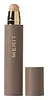 Key Ingredients
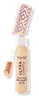
Benefits
Concerns
Ingredients Side-by-side
Hydrogenated Polydecene
EmollientCaprylic/Capric Triglyceride
Masking


Octyldodecanol
Emollient
Silica
Abrasive


Polyethylene
Abrasive
Dipentaerythrityl Hexahydroxystearate/Hexastearate/Hexarosinate
Skin ConditioningHydrogenated Polyisobutene
EmollientCopernicia Cerifera Wax


Synthetic Wax
Abrasive
Triethoxycaprylylsilane

Cera Microcristallina
Emulsion StabilisingSorbitan Isostearate
Emulsifying
Pancratium Maritimum Extract
BleachingTocopheryl Acetate
Antioxidant


Dimethicone
Emollient
Caprylyl Glycol
Emollient
Propylene Carbonate
SolventEthylhexylglycerin
Skin Conditioning1,2-Hexanediol
Skin Conditioning
Stearalkonium Hectorite
Gel FormingGlycerin
Humectant
Water
Skin ConditioningMica
Cosmetic ColorantBHT
Antioxidant
CI 77491
Cosmetic ColorantCI 77891
Cosmetic ColorantHydrogenated Polydecene, Caprylic/Capric Triglyceride, Octyldodecanol, Silica, Polyethylene, Dipentaerythrityl Hexahydroxystearate/Hexastearate/Hexarosinate, Hydrogenated Polyisobutene, Copernicia Cerifera Wax, Synthetic Wax, Triethoxycaprylylsilane, Cera Microcristallina, Sorbitan Isostearate, Pancratium Maritimum Extract, Tocopheryl Acetate, Dimethicone, Caprylyl Glycol, Propylene Carbonate, Ethylhexylglycerin, 1,2-Hexanediol, Stearalkonium Hectorite, Glycerin, Water, Mica, BHT, CI 77491, CI 77891
Water
Skin ConditioningCyclopentasiloxane
Emollient
Glycerin
Humectant
Polymethylsilsesquioxane
PEG-9 Polydimethylsiloxyethyl Dimethicone
Emulsifying
Caprylic/Capric Triglyceride
Masking
Caprylyl Methicone
Skin Conditioning
C13-15 Alkane
SolventSorbitan Isostearate
Emulsifying
Dimethicone
Emollient
Phenyl Trimethicone
Skin Conditioning
Acrylates/Stearyl Acrylate/Dimethicone Methacrylate Copolymer
Hydroxyethyl Urea
Humectant
Magnesium Sulfate
Aluminum Hydroxide
EmollientIsotridecyl Isononanoate
EmollientTriethyl Citrate
Masking

Cetyl PEG/PPG-10/1 Dimethicone
Emulsifying
Polypropylsilsesquioxane
Dimethicone Crosspolymer
Emulsion Stabilising
Quaternium-90 Bentonite
Triethoxycaprylylsilane
Sodium Benzoate
Masking
Parfum
Masking
Disteardimonium Hectorite
StabilisingPotassium Sorbate
Preservative
Polyhydroxystearic Acid
Emulsifying
Propylene Carbonate
SolventEthylhexyl Palmitate
Emollient
Isopropyl Myristate
Emollient
Isostearic Acid
Cleansing
Lecithin
Emollient
Propanediol
Solvent
Disodium EDTA
ChelatingPolyglyceryl-3 Polyricinoleate
Emulsifying
Benzyl Salicylate
Perfuming
Hexyl Cinnamal
Perfuming
Limonene
Perfuming
Opuntia Ficus-Indica Stem Extract
Skin Conditioning
Hydroxycitronellal
Perfuming
Geraniol
Perfuming
Maltodextrin
Absorbent
Amyl Cinnamal
Perfuming
Linalool
Perfuming
Butylene Glycol
Humectant
Sodium Hyaluronate Crosspolymer
Humectant
Citric Acid
Buffering
Spiraea Ulmaria Extract
Astringent1,2-Hexanediol
Skin Conditioning
Hydrolyzed Glycosaminoglycans
HumectantSodium Hyaluronate
Humectant

Aloe Barbadensis Leaf Extract
Emollient
Butyrospermum Parkii Butter
Skin Conditioning
Glycyrrhiza Glabra Root Extract
Bleaching
Olea Europaea Fruit Oil
Masking
Persea Gratissima Oil
Skin Conditioning
Squalane
Emollient
Ulmus Davidiana Root Extract
Skin Conditioning
Mangifera Indica Seed Butter
Skin Conditioning
Helianthus Annuus Seed Oil
Emollient
Benzyl Glycol
SolventPanax Ginseng Root Extract
Emollient
Hydrolyzed Hyaluronic Acid
Humectant
Pentaerythrityl Tetra-Di-T-Butyl Hydroxyhydrocinnamate
Antioxidant
Ethylhexylglycerin
Skin ConditioningPhenoxyethanol
Preservative
Hyaluronic Acid
Humectant
Convallaria Majalis Bulb/Root Extract
Skin ConditioningLeontopodium Alpinum Flower/Leaf Extract
Skin ConditioningLilium Candidum Flower Extract
Skin ConditioningMagnolia Liliflora Flower Extract
Skin ConditioningPaeonia Lactiflora Root Extract
Skin ConditioningRaspberry Ketone
Masking
Tocopherol
Antioxidant
Tbhq
Antioxidant
Titanium Dioxide
Cosmetic Colorant

Iron Oxides
Water, Cyclopentasiloxane, Glycerin, Polymethylsilsesquioxane, PEG-9 Polydimethylsiloxyethyl Dimethicone, Caprylic/Capric Triglyceride, Caprylyl Methicone, C13-15 Alkane, Sorbitan Isostearate, Dimethicone, Phenyl Trimethicone, Acrylates/Stearyl Acrylate/Dimethicone Methacrylate Copolymer, Hydroxyethyl Urea, Magnesium Sulfate, Aluminum Hydroxide, Isotridecyl Isononanoate, Triethyl Citrate, Cetyl PEG/PPG-10/1 Dimethicone, Polypropylsilsesquioxane, Dimethicone Crosspolymer, Quaternium-90 Bentonite, Triethoxycaprylylsilane, Sodium Benzoate, Parfum, Disteardimonium Hectorite, Potassium Sorbate, Polyhydroxystearic Acid, Propylene Carbonate, Ethylhexyl Palmitate, Isopropyl Myristate, Isostearic Acid, Lecithin, Propanediol, Disodium EDTA, Polyglyceryl-3 Polyricinoleate, Benzyl Salicylate, Hexyl Cinnamal, Limonene, Opuntia Ficus-Indica Stem Extract, Hydroxycitronellal, Geraniol, Maltodextrin, Amyl Cinnamal, Linalool, Butylene Glycol, Sodium Hyaluronate Crosspolymer, Citric Acid, Spiraea Ulmaria Extract, 1,2-Hexanediol, Hydrolyzed Glycosaminoglycans, Sodium Hyaluronate, Aloe Barbadensis Leaf Extract, Butyrospermum Parkii Butter, Glycyrrhiza Glabra Root Extract, Olea Europaea Fruit Oil, Persea Gratissima Oil, Squalane, Ulmus Davidiana Root Extract, Mangifera Indica Seed Butter, Helianthus Annuus Seed Oil, Benzyl Glycol, Panax Ginseng Root Extract, Hydrolyzed Hyaluronic Acid, Pentaerythrityl Tetra-Di-T-Butyl Hydroxyhydrocinnamate, Ethylhexylglycerin, Phenoxyethanol, Hyaluronic Acid, Convallaria Majalis Bulb/Root Extract, Leontopodium Alpinum Flower/Leaf Extract, Lilium Candidum Flower Extract, Magnolia Liliflora Flower Extract, Paeonia Lactiflora Root Extract, Raspberry Ketone, Tocopherol, Tbhq, Titanium Dioxide, Iron Oxides
Reviews
Ingredients Explained
These ingredients are found in both products.
Ingredients higher up in an ingredient list are typically present in a larger amount.
1,2-Hexanediol is a synthetic liquid and another multi-functional powerhouse.
It is a:
- Humectant, drawing moisture into the skin
- Emollient, helping to soften skin
- Solvent, dispersing and stabilizing formulas
- Preservative booster, enhancing the antimicrobial activity of other preservatives
Caprylic/Capric Triglyceride (aka MCT Oil) is a lightweight emollient, solvent, and texture enhancer. It is considered a skin-softener by helping to prevent moisture loss.
Though it behaves like an oil, it is not technically one due to its chemical composition. One perk of this ingredient is that it is very stable, resistant to oxidation, and unlikely to go rancid.
In practice, that translates to a long shelf life and a consistently elegant skin feel.
While there is an assumption Caprylic Triglyceride can clog pores due to it being derived from coconut oil, there is no research supporting this. Just patch test if you have concerns.
Fractionated coconut oil and MCT Oil are both listed as Caprylic/Capric Triglyceride according to INCI. This is because INCI names are based on the ingredient’s final chemical composition and not its marketing name or source.
This ingredient is treated as the gold standard fungal acne safe oil. Even though it is coconut derived, the problematic lauric acid is stripped out.
This leaves just caprylic (C8) and capric (C10) acid. These chain lengths actually trend antifungal; a 2020 study found caprylic acid was enough to disrupt Malassezia furfur cell membrane, with a caprylic acid derivative damaging membrane structures at concentrations as low as 0.2%.
Learn more about Caprylic/Capric TriglycerideDimethicone is a type of synthetic silicone created from natural materials such as quartz. It is also known as polydimethylsiloxane.
What it does:
Dimethicone comes in different viscosities:
Depending on the viscosity, dimethicone has different properties.
Ingredients lists don't always show which type is used, so we recommend reaching out to the brand if you have questions about the viscosity.
This ingredient is unlikely to cause irritation because it does not get absorbed into skin. However, people with silicone allergies should be careful about using this ingredient.
Note: Dimethicone may contribute to pilling. This is because it is not oil or water soluble, so pilling may occur when layered with products. When mixed with heavy oils in a formula, the outcome is also quite greasy.
Learn more about DimethiconeEthylhexylglycerin is created from glycerin. It is a multitasker ingredient that:
The CIR Expert Panel found minimal skin absorption or sensitization of any kind in a safety assessment. Though this ingredient is considered well-tolerated, a small number of cases of allergic dermatitis have been published since 2002. Just be sure to patch test if you are unsure.
Industry-reported use ranges from 8% in rinse-off products and 2% in leave-on formulations.
Learn more about EthylhexylglycerinGlycerin (or glycerol) is a compound naturally found in your skin. It's a powerhouse humectant that pulls water into the stratum corneum.
Topically, glycerin does several things at once:
Your skin makes glycerin on its own (mostly from sebaceous oil breakdown) and shuttles it to your outermost layer of skin, or your epidermis, via aquaporin-3.
Aquaporin-3 is a transporter that is essential for normal skin hydration, elasticity, and repair. Interestingly, mice lacking in AQP3 have dry and less elastic skin that can be fully corrected with glycerin.
This ingredient is non-irritating, plays well with almost every ingredient, and works across all skin types. Typical use is anywhere between 3-10% but can go up to 79% in some leave-on products.
Just know very high concentrations (>40%) can feel tacky in low humidity.
Glycerin is the name for this ingredient in American English. British English uses Glycerol/Glycerine.
Learn more about GlycerinThis ingredient is a solvent. It helps dissolve active ingredients and alter the texture of products.
Propylene Carbonate is commonly used in makeup and with clay, such as montmorillonite or bentonite.
Studies show this ingredient to be safe for cosmetics. When it is undiluted, it can cause skin irritation. (It is always diluted in skincare and makeup). This ingredient is water-soluble.
Propylene Carbonate is created from propylene glycol and carbonic acid.
Learn more about Propylene CarbonateSorbitan Isostearate is an emulsifer. It is created from isostearic acid and sorbitol.
As an emulsifier, it keeps the water and oil ingredients from separating. This keeps formulas stable and smooth.
In a 24 hour occlusive patch test on 56 subjects, 10% sorbitan isostearate was completely non-irritating. Most formulas use less than 10%.
Because it's a fatty acid ester, it may not be fungal acne safe since the Malassezia yeast can utilize it as a nutrient source.
Learn more about Sorbitan IsostearateTriethoxycaprylylsilane is a silicon-based surface modifier that makes sunscreens feel silky and makeup stay put.
Its main job is to coat mineral particles like titanium dioxide, zinc oxide, and color pigments in a thin, oily layer so they spread smoothly, don't clump, and stick to skin better.
This ingredient is typically used at low levels (up to 2.5% in eyeshadow and 1% in lipstick).
Learn more about TriethoxycaprylylsilaneWater. It's the most common cosmetic ingredient of all. You'll usually see it at the top of ingredient lists, meaning that it makes up the largest part of the product.
So why is it so popular? Water most often acts as a solvent - this means that it helps dissolve other ingredients into the formulation.
You'll also recognize water as that liquid we all need to stay alive. If you see this, drink a glass of water. Remember to stay hydrated!
Learn more about Water

