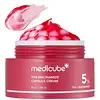
This brightening moisturizer is formulated around Niacinamide and Tranexamic Acid to fade the look of dark spots and brighten dull-looking skin.
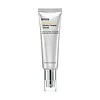
This brightening moisturizer is formulated around Niacinamide and 3-O-Ethyl Ascorbic Acid to brighten dull-looking skin and fade the look of dark spots.

What's inside
What's inside
 Key Ingredients
Benefits
Concerns
Ingredients Side-by-side
Water
Skin ConditioningGlycerin
Humectant


Niacinamide
Smoothing









Methylpropanediol
SolventPropanediol
Solvent
1,2-Hexanediol
Skin Conditioning
Dipropylene Glycol
HumectantCaprylic/Capric Triglyceride
Masking
Glyceryl Glucoside
Humectant
Butylene Glycol
Humectant
Arginine
Masking
Ethylhexyl Palmitate
Emollient




Carbomer
Emulsion StabilisingCetearyl Alcohol
Emollient
Cetearyl Olivate
Sorbitan Olivate
Emulsifying
C12-14 Alketh-12
EmulsifyingAmmonium Acryloyldimethyltaurate/Vp Copolymer
Simethicone
Emollient
Ethylhexylglycerin
Skin ConditioningMelia Azadirachta Flower Extract
Skin ConditioningMelia Azadirachta Leaf Extract
Skin ConditioningAdenosine
Skin Conditioning
Polyacrylate-13
Disodium EDTA
Cyanocobalamin
Skin ConditioningTriethyl Citrate
Masking

Betaine
Humectant
Polyisobutene
Glyceryl Stearate
Emollient
Hydrolyzed Sclerotium Gum
HumectantTranexamic Acid
Astringent
Abelmoschus Esculentus Fruit Extract
Skin ConditioningPanthenol
Skin Conditioning
Coccinia Indica Fruit Extract
Skin Conditioning
Corallina Officinalis Extract
Skin Conditioning
Polysorbate 20
Emulsifying
Sorbitan Isostearate
Emulsifying
Glutathione
Fragaria Vesca Fruit Extract
AstringentCastanea Crenata Shell Extract
Skin ConditioningCitrus Junos Peel Extract
Skin ConditioningBetula Platyphylla Japonica Bark
Skin ConditioningRicinus Communis Seed Oil
Masking
Bisabolol
Antioxidant
Ferulic Acid
Antimicrobial
Cymbopogon Citratus Leaf Oil
Masking


Illicium Verum Fruit/Seed Oil
Masking
Octyldodecanol
Emollient
Hydrolyzed Hyaluronic Acid
Humectant
3-O-Ethyl Ascorbic Acid
Skin Conditioning
Sodium Hyaluronate
Humectant
Alpha-Arbutin
Antioxidant
Hydrogenated Lecithin
Emulsifying
Ceramide NP
Skin Conditioning
Hydroxypropyltrimonium Hyaluronate
Caprylyl Glycol
Emollient
Sodium Acetylated Hyaluronate
Humectant
Hyaluronic Acid
Humectant
Sodium Hyaluronate Crosspolymer
Humectant
Hydrolyzed Sodium Hyaluronate
Skin Conditioning
Potassium Hyaluronate
Skin ConditioningWater, Glycerin, Niacinamide, Methylpropanediol, Propanediol, 1,2-Hexanediol, Dipropylene Glycol, Caprylic/Capric Triglyceride, Glyceryl Glucoside, Butylene Glycol, Arginine, Ethylhexyl Palmitate, Carbomer, Cetearyl Alcohol, Cetearyl Olivate, Sorbitan Olivate, C12-14 Alketh-12, Ammonium Acryloyldimethyltaurate/Vp Copolymer, Simethicone, Ethylhexylglycerin, Melia Azadirachta Flower Extract, Melia Azadirachta Leaf Extract, Adenosine, Polyacrylate-13, Disodium EDTA, Cyanocobalamin, Triethyl Citrate, Betaine, Polyisobutene, Glyceryl Stearate, Hydrolyzed Sclerotium Gum, Tranexamic Acid, Abelmoschus Esculentus Fruit Extract, Panthenol, Coccinia Indica Fruit Extract, Corallina Officinalis Extract, Polysorbate 20, Sorbitan Isostearate, Glutathione, Fragaria Vesca Fruit Extract, Castanea Crenata Shell Extract, Citrus Junos Peel Extract, Betula Platyphylla Japonica Bark, Ricinus Communis Seed Oil, Bisabolol, Ferulic Acid, Cymbopogon Citratus Leaf Oil, Illicium Verum Fruit/Seed Oil, Octyldodecanol, Hydrolyzed Hyaluronic Acid, 3-O-Ethyl Ascorbic Acid, Sodium Hyaluronate, Alpha-Arbutin, Hydrogenated Lecithin, Ceramide NP, Hydroxypropyltrimonium Hyaluronate, Caprylyl Glycol, Sodium Acetylated Hyaluronate, Hyaluronic Acid, Sodium Hyaluronate Crosspolymer, Hydrolyzed Sodium Hyaluronate, Potassium Hyaluronate
Hippophae Rhamnoides Water
Masking
Niacinamide
Smoothing
Butylene Glycol
Humectant
Glycerin
Humectant
1,2-Hexanediol
Skin Conditioning
Hydrogenated Didecene
Skin ConditioningWater
Skin ConditioningHydrogenated Polydecene
EmollientCoptis Japonica Root Extract
Skin ConditioningPyrus Communis Fruit Extract
Skin ConditioningIris Florentina Root Extract
MaskingCucumis Melo Seed Extract
Skin ConditioningHedera Helix Leaf/Stem Extract
AntimicrobialUlmus Davidiana Root Extract
Skin Conditioning
Amaranthus Caudatus Seed Extract
Skin Conditioning
Centella Asiatica Extract
Cleansing
Sodium Hyaluronate
Humectant
Rosa Damascena Flower Water
Masking
Jojoba Esters
Emollient
Isononyl Isononanoate
EmollientPolyglyceryl-3 Distearate
Emulsifying
Ammonium Acryloyldimethyltaurate/Vp Copolymer
Polyglyceryl-3 Methylglucose Distearate
Emulsifying
3-O-Ethyl Ascorbic Acid
Skin Conditioning
Ascorbyl Tetraisopalmitate
Antioxidant
Glyceryl Stearate
Emollient
Acrylates/C10-30 Alkyl Acrylate Crosspolymer
Emulsion StabilisingHydroxyacetophenone
Antioxidant
Ethylhexylglycerin
Skin ConditioningAdenosine
Skin Conditioning
Glyceryl Stearate Citrate
Emollient
Disodium EDTA
Hydroxydecyl Ubiquinone
Antioxidant
Cyamopsis Tetragonoloba Gum
Emulsion StabilisingAgar
MaskingGlutathione
Arbutin
Antioxidant
Beta-Glucan
Skin Conditioning
Tocopherol
Antioxidant
Xanthan Gum
EmulsifyingSodium DNA
Skin Conditioning
Ferulic Acid
Antimicrobial
Tris(Tetramethylhydroxypiperidinol)Citrate
StabilisingAmyris Balsamifera Bark Oil
Masking
Hydrolyzed Collagen
Emollient
Arginine/Lysine Polypeptide
Skin Conditioning
Bakuchiol
Antimicrobial
Hippophae Rhamnoides Water, Niacinamide, Butylene Glycol, Glycerin, 1,2-Hexanediol, Hydrogenated Didecene, Water, Hydrogenated Polydecene, Coptis Japonica Root Extract, Pyrus Communis Fruit Extract, Iris Florentina Root Extract, Cucumis Melo Seed Extract, Hedera Helix Leaf/Stem Extract, Ulmus Davidiana Root Extract, Amaranthus Caudatus Seed Extract, Centella Asiatica Extract, Sodium Hyaluronate, Rosa Damascena Flower Water, Jojoba Esters, Isononyl Isononanoate, Polyglyceryl-3 Distearate, Ammonium Acryloyldimethyltaurate/Vp Copolymer, Polyglyceryl-3 Methylglucose Distearate, 3-O-Ethyl Ascorbic Acid, Ascorbyl Tetraisopalmitate, Glyceryl Stearate, Acrylates/C10-30 Alkyl Acrylate Crosspolymer, Hydroxyacetophenone, Ethylhexylglycerin, Adenosine, Glyceryl Stearate Citrate, Disodium EDTA, Hydroxydecyl Ubiquinone, Cyamopsis Tetragonoloba Gum, Agar, Glutathione, Arbutin, Beta-Glucan, Tocopherol, Xanthan Gum, Sodium DNA, Ferulic Acid, Tris(Tetramethylhydroxypiperidinol)Citrate, Amyris Balsamifera Bark Oil, Hydrolyzed Collagen, Arginine/Lysine Polypeptide, Bakuchiol
Reviews
Ingredients Explained
These ingredients are found in both products.
Ingredients higher up in an ingredient list are typically present in a larger amount.
1,2-Hexanediol is a synthetic liquid and another multi-functional powerhouse.
It is a:
- Humectant, drawing moisture into the skin
- Emollient, helping to soften skin
- Solvent, dispersing and stabilizing formulas
- Preservative booster, enhancing the antimicrobial activity of other preservatives
3-O-Ethyl Ascorbic Acid is one of the most popular "stable" vitamin C derivatives in skincare.
Plain ascorbic acid is fantastic but notoriously fragile; it browns, oxidizes, and loses potency fast. So attaching an ethyl group to the third carbon of the molecule gives it some cool perks:
In a formula, it does the 3 classic vitamin C jobs: it acts as an antioxidant, helps brighten skin tone by inhibiting tyrosinase, and supports collagen.
The evidence is reasonably solid for a cosmetic ingredient; Liao and colleagues (2018) showed it's significantly more stable than ascorbic acid while still being effective.
A 2021 study by Zerbinati and colleagues tested a serum with 30% 3-O-ethyl-l-ascorbic acid and 1% lactic acid significantly increased collagen production, reduced UVB-induced DNA damage, and decreased melanin on a reconstructed pigmented skin model.
Typical real world usage sits around 0.5-5% (and 1-2% is common for daily serums).
Amounts up to 30% have been shown to be non-irritating on human skin samples, but two isolated cases reported allergic contact dermatitis so a patch test is sensible if you have reactive skin.
Learn more about 3-O-Ethyl Ascorbic AcidAdenosine is a purine nucleoside that your body already makes in every cell. In skincare, it acts mainly as a skin conditioning and anti-aging agent.
The way it works is fairly well mapped out:
Your skin has cells called fibroblasts that build collagen (the stuff that keeps skin firm and smooth). Adenosine basically flips a switch on these cells that tells them to get to work making more collagen and other proteins. These cells slow down on their own as skin ages, so Adenosine helps give them a little nudge to keep going.
The clinical backing is pretty solid too.
A blind, randomized, placebo-controlled trial of 126 women aged 45-65 tested a 0.1% cream twice daily and found real improvements in crow's feet and frown lines using a precise 3D skin-mapping technique; these changes showed up by week 3 and held at 2 months.
A later study using Adenosine-loaded dissolving microneedle patches reported gains in wrinkle depth, dermal density, elasticity, and hydration.
On concentrations, South Korea's Ministry of Food and Drug Safety has set 0.04% as the approved functional anti-wrinkle level. You'll typically see this ingredient used somewhere in the 0.04-0.1% range since it works at low doses.
This ingredient has been found safe for cosmetics with the data showing no irritation or sensitization.
Overall, this is a great ingredient for any anti-aging routine and has no photosensitizing effect, so it suits both AM and PM use.
Learn more about AdenosineAmmonium Acryloyldimethyltaurate/Vp Copolymer is a synthetically created polymer. It's used as a film-forming agent and used to thicken the consistency of products.
Think of it as a supportive ingredient that helps your gel-creams feel silky, "cloud cream-like", and spread evenly without being greasy.
The Cosmetic Ingredient Review (CIR) Expert Panel evaluated it (along with 22 other acryloyldimethyltaurate polymers) and concluded it's:
Due to its large molecular size, it sits on the surface of skin rather than penetrating it.
Learn more about Ammonium Acryloyldimethyltaurate/Vp CopolymerButylene Glycol (or BG) is used within cosmetic products for a few different reasons:
Overall, Butylene Glycol is a safe and well-rounded ingredient that works well with other ingredients.
Though this ingredient works well with most skin types, some people with sensitive skin may experience a reaction such as allergic rashes, closed comedones, or itchiness.
Learn more about Butylene GlycolDisodium EDTA is a chelating agent. It grabs onto and deactivates metal ions that sneak into your products from water, packaging, or air.
This ingredient mainly works behind the scenes and helps with:
On top of that, this ingredient can counteract the effects of hard water by binding to the minerals in it.
One thing worth knowing is that Disodium EDTA has been shown to be a mild penetration enhancer. It can help other ingredients absorb into skin more effectively which can be a double-edged sword (great for actives, but can also make the active too strong if you have sensitive skin).
Clinical patch testing showed no significant skin irritation at typical use concentrations and minimal dermal absorption.
You'll most likely see this ingredient near the end of an ingredient list. It's typically found in concentrations less than 1%.
Learn more about Disodium EDTAEthylhexylglycerin is created from glycerin. It is a multitasker ingredient that:
The CIR Expert Panel found minimal skin absorption or sensitization of any kind in a safety assessment. Though this ingredient is considered well-tolerated, a small number of cases of allergic dermatitis have been published since 2002. Just be sure to patch test if you are unsure.
Industry-reported use ranges from 8% in rinse-off products and 2% in leave-on formulations.
Learn more about EthylhexylglycerinFerulic Acid is a plant based antioxidant that can be naturally found in the cell walls of grains like rice, oats, and corn. It has antioxidant and antimicrobial properties, and has the ability to boost the performance of other antioxidants as well.
A well-known study found that adding Ferulic Acid to a solution of Vitamins C and E doubled the photoprotection of skin. This is why you'll often see it paired with Vitamin C or Vitamin E serums rather than sold on its own.
A 2025 review of 18 human studies found that using Ferulic Acid (0.5-1%) daily for one to three months showed improvements in:
As far as allergies go, Ferulic acid is generally well-tolerated but can cause an allergic reaction in very rare cases. It's also worth noting that Ferulic acid is often extracted from plant sources like rice bran or wheat bran, so be sure to path test if you have known grain allergies.
Outside of skincare, researchers are also looking into Ferulic Acid for its potential benefits in areas like diabetes, Alzheimer's, and heart health.
Learn more about Ferulic AcidGlutathione is a tiny protein-like molecule (a "tripeptide" build from 3 amino acids: glycine, cysteine, and glutamic acid) that your body already makes on its own.
Inside your body, it acts as one of the skin's main antioxidants that help fight against free radicals.
In skincare, it's best known as a brightening ingredient that slows down tyrosinase, the key enzyme that makes skin pigment. It also nudges the skin toward making a lighter type of pigment instead of a darker one.
This is why you'll see it in products aimed at dark spots and uneven tone.
A small number of real human trials have found a topical glutathione lotion:
The honest caveat is that the current evidence is still thin (few studies, small groups, short timelines). Glutathione also doesn't absorb into skin very easily so results tend to be modest and fade if you stop using it.
One thing worth clearing up:
The scary side effects you may have heard about come from glutathione injected intravenously, which has real safety concerns. Applying it topically is a completely different thing and has a clean track record.
Most human studies used it around 2% (as Glutathione or Glutathione Disulfide) and a 2% oxidized glutathione lotion and a 2% S-acyl glutathione cream are the concentrations with actual clinical data behind them.
There's no established "ideal" percentage yet but 1-2% is the evidence-backed range.
Allergy-wise, there is very low risk for this ingredient; it was well-tolerated across the topical trials. Only one participant had mild temporary redness that cleared up on its own and another study reported no adverse reactions at all.
One trial had ~10% of users drop out for irritation was using a combination cream that also had 10% azelaic acid so the irritation likely wasn't from the glutathione. There's no notable contact-allergy signal for topical glutathione in the literature but patch-testing before first use is still sensible for those with sensitive skin.
Learn more about GlutathioneGlycerin (or glycerol) is a compound naturally found in your skin. It's a powerhouse humectant that pulls water into the stratum corneum.
Topically, glycerin does several things at once:
Your skin makes glycerin on its own (mostly from sebaceous oil breakdown) and shuttles it to your outermost layer of skin, or your epidermis, via aquaporin-3.
Aquaporin-3 is a transporter that is essential for normal skin hydration, elasticity, and repair. Interestingly, mice lacking in AQP3 have dry and less elastic skin that can be fully corrected with glycerin.
This ingredient is non-irritating, plays well with almost every ingredient, and works across all skin types. Typical use is anywhere between 3-10% but can go up to 79% in some leave-on products.
Just know very high concentrations (>40%) can feel tacky in low humidity.
Glycerin is the name for this ingredient in American English. British English uses Glycerol/Glycerine.
Learn more about GlycerinGlyceryl Stearate is made by reacting glycerin with stearic acid (typically sourced from plant oils like palm or coconut). It's an emulsifier, emollient, and mild occlusive.
Emulsifiers help ingredients like oil and water stay mixed so your formula stays nicely blended and uniform in texture.
This ingredient is typically used in concentrations between 1-10%. Studies have found it to be non-sensitizing, non-phototoxic, and non-photoallergenic.
A close cousin of this ingredient is Glyceryl Stearate SE ("self-emulsifying"). This just has a small amount of sodium or potassium stearate added so it can emulsify without a co-emulsifier.
Since this ingredient is an ester of a C18 fatty acid, it may not be fungal acne safe. The Malassezia yeast can potentially metabolize within the C11-C24 range.
Fun fact: The human body also creates Glyceryl Stearate naturally.
Learn more about Glyceryl StearateNiacinamide is a multitasking form of vitamin B3 that strengthens the skin barrier, reduces pores and dark spots, regulates oil, and improves signs of aging.
And the best part? It's gentle and well-tolerated by most skin types, including sensitive and reactive skin.
You might have heard of "niacin flush", or the reddening of skin that causes itchiness. Niacinamide has not been found to cause this.
In very rare cases, some individuals may not be able to tolerate niacinamide at all or experience an allergic reaction to it.
If you are experiencing flaking, irritation, and dryness with this ingredient, be sure to double check all your products as this ingredient can be found in all categories of skincare.
When incorporating niacinamide into your routine, look out for concentration amounts. Typically, 5% niacinamide provides benefits such as fading dark spots. However, if you have sensitive skin, it is better to begin with a smaller concentration.
When you apply niacinamide to your skin, your body converts it into nicotinamide adenine dinucleotide (NAD). NAD is an essential coenzyme that is already found in your cells as "fuel" and powers countless biological processes.
In your skin, NAD helps repair cell damage, produce new healthy cells, support collagen production, strengthen the skin barrier, and fight environmental stressors (like UV and pollution).
Our natural NAD levels start to decline with age, leading to slower skin repair, visible aging, and a weaker skin barrier. By providing your skin niacinamide, you're recharging your skin's NAD levels. This leads to stronger, healthier, and younger looking skin.
Another name for vitamin B3 is nicotinamide. This vitamin is water-soluble and our bodies don't store it. We obtain Vitamin B3 from either food or skincare. Meat, fish, wheat, yeast, and leafy greens contain vitamin B3.
The type of niacinamide used in skincare is synthetically created.
Learn more about NiacinamideSodium Hyaluronate is the salt form of hyaluronic acid. It is a long sugar chain that is naturally found in your skin, joints, and connective tissue that maintains hydration and elasticity.
In skincare, it works as a humectant. It pulls water from the environment and deeper layers of skin and binds it to the surface.
Interestingly, the size of the molecule affects its behavior:
Some clinical evidence links low molecular weight versions to improved wrinkle depth, elasticity, anti-inflammatory effects, and barrier repair.
Many serums use a blend of both weights so you can get surface hydration plus longer-lasting and deeper effects.
You'll typically see concentrations between 0.1-2% for this ingredient.
Learn more about Sodium HyaluronateWater. It's the most common cosmetic ingredient of all. You'll usually see it at the top of ingredient lists, meaning that it makes up the largest part of the product.
So why is it so popular? Water most often acts as a solvent - this means that it helps dissolve other ingredients into the formulation.
You'll also recognize water as that liquid we all need to stay alive. If you see this, drink a glass of water. Remember to stay hydrated!
Learn more about Water

