
What's inside
What's inside
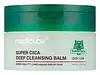 Key Ingredients
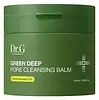
Benefits
Concerns
Ingredients Side-by-side
Ethylhexyl Palmitate
Emollient




PEG-20 Glyceryl Triisostearate
Emollient
Isododecane
EmollientHydrogenated Poly(C6-14 Olefin)
EmollientSynthetic Wax
Abrasive
PEG-10 Isostearate
Emulsifying
Silica Dimethyl Silylate
EmollientParfum
Masking


Olea Europaea Fruit Oil
Masking

Centella Asiatica Leaf Extract
Skin Conditioning



Glyceryl Stearate
Emollient
Water
Skin ConditioningSimmondsia Chinensis Seed Oil
Emollient
Polyglyceryl-3 Polyricinoleate
Emulsifying
Gardenia Florida Fruit Extract
Skin ConditioningCarthamus Tinctorius Flower Extract
Skin ConditioningButylene Glycol
Humectant
Coptis Japonica Extract
AntimicrobialGlycerin
Humectant
1,2-Hexanediol
Skin Conditioning
Dipropylene Glycol
HumectantPolyglyceryl-10 Oleate
Skin Conditioning
Centella Asiatica Root Extract
Skin Conditioning
Centella Asiatica Extract
Cleansing
Pentylene Glycol
Skin Conditioning
Madecassoside
Antioxidant
Capryloyl Salicylic Acid
Exfoliating



4-Terpineol
Masking
Prunus Amygdalus Dulcis Oil
Skin Conditioning
Propanediol
Solvent
Asiatic Acid
Skin Conditioning
Madecassic Acid
Skin Conditioning
Asiaticoside
Antioxidant
Chamomilla Recutita Flower Oil
Masking
Indigofera Tinctoria Extract
MaskingCynanchum Atratum Extract
Skin ConditioningHemerocallis Fulva Flower Extract
Skin ConditioningMyosotis Sylvatica Flower/Leaf/Stem Extract
Skin ConditioningHydroxycinnamic Acid
Skin ConditioningRutin
Antioxidant
Ethylhexyl Palmitate, PEG-20 Glyceryl Triisostearate, Isododecane, Hydrogenated Poly(C6-14 Olefin), Synthetic Wax, PEG-10 Isostearate, Silica Dimethyl Silylate, Parfum, Olea Europaea Fruit Oil, Centella Asiatica Leaf Extract, Glyceryl Stearate, Water, Simmondsia Chinensis Seed Oil, Polyglyceryl-3 Polyricinoleate, Gardenia Florida Fruit Extract, Carthamus Tinctorius Flower Extract, Butylene Glycol, Coptis Japonica Extract, Glycerin, 1,2-Hexanediol, Dipropylene Glycol, Polyglyceryl-10 Oleate, Centella Asiatica Root Extract, Centella Asiatica Extract, Pentylene Glycol, Madecassoside, Capryloyl Salicylic Acid, 4-Terpineol, Prunus Amygdalus Dulcis Oil, Propanediol, Asiatic Acid, Madecassic Acid, Asiaticoside, Chamomilla Recutita Flower Oil, Indigofera Tinctoria Extract, Cynanchum Atratum Extract, Hemerocallis Fulva Flower Extract, Myosotis Sylvatica Flower/Leaf/Stem Extract, Hydroxycinnamic Acid, Rutin
Cetyl Ethylhexanoate
EmollientEthylhexyl Palmitate
Emollient
PEG-20 Glyceryl Triisostearate
Emollient
Synthetic Wax
Abrasive
Caprylic/Capric Triglyceride
Masking
Helianthus Annuus Seed Oil
Emollient
Sorbitan Sesquioleate
Emulsifying
Candida Bombicola/Glucose/Methyl Rapeseedate Ferment
AntimicrobialVitis Vinifera Seed Oil
Emollient
Parfum
Masking
Hydrogenated Poly(C6-20 Olefin)
Abrasive
Triethylhexanoin
MaskingEthylhexylglycerin
Skin ConditioningHdi/Trimethylol Hexyllactone Crosspolymer
Melia Azadirachta Leaf Extract
Skin ConditioningGlycine Soja Oil
Emollient
Melia Azadirachta Flower Extract
Skin ConditioningCamellia Sinensis Seed Oil
Humectant
Macadamia Ternifolia Seed Oil
Emollient
Coccinia Indica Fruit Extract
Skin Conditioning
Water
Skin ConditioningSolanum Melongena Fruit Extract
Skin ConditioningAmber Powder
Bixa Orellana Seed Oil
Emollient
Butylene Glycol
Humectant
Glycine Soja Sterols
Emollient
Curcuma Longa Root Extract
Masking
Ocimum Sanctum Leaf Extract
Skin ConditioningHexyl Laurate
Emollient
Moringa Oleifera Seed Oil
Emollient
Corallina Officinalis Extract
Skin Conditioning
Tocopherol
Antioxidant

Butyl Avocadate
Skin Conditioning
Persea Gratissima Oil
Skin Conditioning
Saponaria Officinalis Leaf Extract
AntimicrobialQuillaja Saponaria Bark Extract
CleansingCetearyl Alcohol
Emollient
Salix Alba Bark Extract
Astringent
Ascorbyl Palmitate
Antioxidant
Hydrogenated Palm Glycerides Citrate
Emollient
Cetyl Ethylhexanoate, Ethylhexyl Palmitate, PEG-20 Glyceryl Triisostearate, Synthetic Wax, Caprylic/Capric Triglyceride, Helianthus Annuus Seed Oil, Sorbitan Sesquioleate, Candida Bombicola/Glucose/Methyl Rapeseedate Ferment, Vitis Vinifera Seed Oil, Parfum, Hydrogenated Poly(C6-20 Olefin), Triethylhexanoin, Ethylhexylglycerin, Hdi/Trimethylol Hexyllactone Crosspolymer, Melia Azadirachta Leaf Extract, Glycine Soja Oil, Melia Azadirachta Flower Extract, Camellia Sinensis Seed Oil, Macadamia Ternifolia Seed Oil, Coccinia Indica Fruit Extract, Water, Solanum Melongena Fruit Extract, Amber Powder, Bixa Orellana Seed Oil, Butylene Glycol, Glycine Soja Sterols, Curcuma Longa Root Extract, Ocimum Sanctum Leaf Extract, Hexyl Laurate, Moringa Oleifera Seed Oil, Corallina Officinalis Extract, Tocopherol, Butyl Avocadate, Persea Gratissima Oil, Saponaria Officinalis Leaf Extract, Quillaja Saponaria Bark Extract, Cetearyl Alcohol, Salix Alba Bark Extract, Ascorbyl Palmitate, Hydrogenated Palm Glycerides Citrate
Ingredients Explained
These ingredients are found in both products.
Ingredients higher up in an ingredient list are typically present in a larger amount.
Butylene Glycol (or BG) is used within cosmetic products for a few different reasons:
Overall, Butylene Glycol is a safe and well-rounded ingredient that works well with other ingredients.
Though this ingredient works well with most skin types, some people with sensitive skin may experience a reaction such as allergic rashes, closed comedones, or itchiness.
Learn more about Butylene GlycolEthylhexyl Palmitate, also known as octyl palmitate, is created from 2-ethylhexyl alcohol and palmitic acid.
In cosmetics, it plays many roles:
One thing worth noting: a controlled study found this ingredient applied under occlusion to acne-prone subjects increased microcomedones. Just keep in mind this was under occlusive conditions and don't reflect how most products are used day-to-day.
For most people, this is a well-tolerated and lightweight ingredient.
This ingredient may not be fungal acne safe because it is an ester of palmitic acid, a C16 fatty acid that falls within the C11-24 range that Malassezia can metabolize.
Learn more about Ethylhexyl PalmitateParfum is a catch-all term for an ingredient or more that is used to give a scent to products.
Also called "fragrance", this ingredient can be a blend of hundreds of chemicals or plant oils. This means every product with "fragrance" or "parfum" in the ingredients list is a different mixture.
For instance, Habanolide is a proprietary trade name for a specific aroma chemical. When used as a fragrance ingredient in cosmetics, most aroma chemicals fall under the broad labeling category of “FRAGRANCE” or “PARFUM” according to EU and US regulations.
The term 'parfum' or 'fragrance' is not regulated in many countries. In many cases, it is up to the brand to define this term.
For instance, many brands choose to label themselves as "fragrance-free" because they are not using synthetic fragrances. However, their products may still contain ingredients such as essential oils that are considered a fragrance by INCI standards.
One example is Calendula flower extract. Calendula is an essential oil that still imparts a scent or 'fragrance'.
Depending on the blend, the ingredients in the mixture can cause allergies and sensitivities on the skin. Some ingredients that are known EU allergens include linalool and citronellol.
Parfum can also be used to mask or cover an unpleasant scent.
The bottom line is: not all fragrances/parfum/ingredients are created equally. If you are worried about fragrances, we recommend taking a closer look at an ingredient. And of course, we always recommend speaking with a professional.
Learn more about ParfumPEG-20 Glyceryl Triisostearate is a synthetic, oil-loving helper ingredient that does two jobs:
This ingredient is made by joining three building blocks: PEG, Isostearic Acid and glycerin. The PEG gives it the oil-and-water blending power.
This ingredient has been found safe for use in cosmetics and broader PEG family testing shows minimal irritation/sensitization. The molecule's large size also means it isn't expected to penetrate skin to any meaningful degree.
Fungal acne note: This ingredient may not be fungal acne safe due to isostearic acid (C18). Isostearic acid falls into the C11-24 range that Malassezia can feed on.
Learn more about PEG-20 Glyceryl TriisostearateSynthetic Wax is a manufactured hydrocarbon wax. In formulas, it works as an occlusive emollient that helps reduce water loss and improves the spreadability of products.
Research comparing synthetic wax to traditional mineral-derived products found that formulas containing it perform as well for skin hydration.
It is considered non-comedogenic and vegan-friendly.
This ingredient has a well-established safety record by the CIR Expert Panel for Cosmetic Ingredient Safety.
Synthetic Waxes are straight/branched-chain hydrocarbons with no ester bond or fatty acids. That means there is nothing for the Malassezia yeast to feed on.
Learn more about Synthetic WaxWater. It's the most common cosmetic ingredient of all. You'll usually see it at the top of ingredient lists, meaning that it makes up the largest part of the product.
So why is it so popular? Water most often acts as a solvent - this means that it helps dissolve other ingredients into the formulation.
You'll also recognize water as that liquid we all need to stay alive. If you see this, drink a glass of water. Remember to stay hydrated!
Learn more about Water

