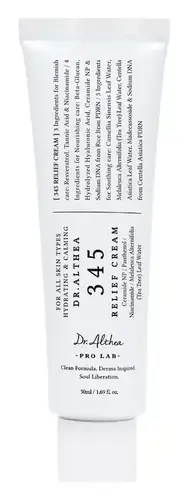
This brightening toner is formulated around Niacinamide and Adenosine to brighten dull-looking skin and strengthen the skin barrier.
This hydrating toner is formulated around Limnanthes Alba Seed Oil and Ceramide AP to hydrate skin and strengthen the skin barrier.

What's inside
What's inside
 Key Ingredients
Benefits
Concerns
Ingredients Side-by-side
Water
Skin ConditioningGlycerin
Humectant


Niacinamide
Smoothing









Cetyl Ethylhexanoate
EmollientCaprylic/Capric Triglyceride
Masking
1,2-Hexanediol
Skin Conditioning
Pentaerythrityl Tetraethylhexanoate
Emollient
Ethylhexyl Palmitate
Emollient




Polyglyceryl-3 Distearate
Emulsifying
Octyldodecanol
Emollient
Diisostearyl Malate
EmollientC12-14 Alketh-12
EmulsifyingAcrylates/C10-30 Alkyl Acrylate Crosspolymer
Emulsion StabilisingTromethamine
BufferingGlyceryl Stearate
Emollient
Ethylhexylglycerin
Skin ConditioningTrehalose
Humectant
Glyceryl Stearate Citrate
Emollient
Adenosine
Skin Conditioning
Disodium EDTA
Cyanocobalamin
Skin ConditioningSaccharide Hydrolysate
HumectantOryza Sativa Bran Oil
Emollient
Oryza Sativa Bran Water
Masking
Butylene Glycol
Humectant
Prunus Amygdalus Amara Kernel Oil
Masking
Camellia Sinensis Leaf Extract
Antimicrobial
Pyrus Malus Leaf Extract
Skin ConditioningSorbitol
Humectant
Panthenol
Skin Conditioning
Propanediol
Solvent
Vanilla Planifolia Fruit Extract
Skin Conditioning
Jasminum Officinale Flower Water
MaskingXylitylglucoside
Humectant
Anhydroxylitol
Humectant
Helianthus Annuus Seed Oil
Emollient
Dipropylene Glycol
HumectantSucrose Stearate
EmollientXylitol
Humectant
Beta-Carotene
Skin ConditioningSodium DNA
Skin Conditioning
Polyglyceryl-10 Oleate
Skin Conditioning
Vaccinium Myrtillus Fruit Extract
Skin ConditioningCentella Asiatica Root Extract
Skin Conditioning
Centella Asiatica Leaf Extract
Skin Conditioning
Centella Asiatica Extract
Cleansing
Tocopherol
Antioxidant
Pueraria Lobata Root Extract
HumectantPentylene Glycol
Skin Conditioning
Madecassoside
Antioxidant
Milk Protein Extract
Lycopodium Clavatum Extract
Skin ConditioningEquisetum Arvense Extract
AstringentPhragmites Communis Extract
Skin ConditioningPrunus Amygdalus Dulcis Fruit Extract
Skin ConditioningLecithin
Emollient
Tremella Fuciformis Extract
Humectant
Tabebuia Impetiginosa Bark Extract
Skin ConditioningTrifolium Pratense Extract
Skin ConditioningAcetyl Glutamine
Skin ConditioningAsiatic Acid
Skin Conditioning
Bacillus/Soybean Ferment Extract
Skin ConditioningMadecassic Acid
Skin Conditioning
Asiaticoside
Antioxidant
Hydrolyzed Wheat Protein
Skin ConditioningHydrolyzed Soy Protein
Humectant
Hydrolyzed Rice Protein
Skin ConditioningHydrolyzed Rice Bran Protein
Skin ConditioningHydrolyzed Corn Protein
Skin ConditioningCaprylyl Glycol
Emollient
Sodium Hyaluronate
Humectant
Folic Acid
Skin ConditioningPalmitoyl Pentapeptide-4
Skin Conditioning
Ceramide Ns
Skin Conditioning
Ceramide NP
Skin Conditioning
Ceramide EOP
Skin Conditioning
Ceramide AP
Skin Conditioning
Oligopeptide-3
Skin Conditioning
Oligopeptide-2
Skin Conditioning
Oligopeptide-1
Skin Conditioning
Hexapeptide-11
Skin Conditioning
Water, Glycerin, Niacinamide, Cetyl Ethylhexanoate, Caprylic/Capric Triglyceride, 1,2-Hexanediol, Pentaerythrityl Tetraethylhexanoate, Ethylhexyl Palmitate, Polyglyceryl-3 Distearate, Octyldodecanol, Diisostearyl Malate, C12-14 Alketh-12, Acrylates/C10-30 Alkyl Acrylate Crosspolymer, Tromethamine, Glyceryl Stearate, Ethylhexylglycerin, Trehalose, Glyceryl Stearate Citrate, Adenosine, Disodium EDTA, Cyanocobalamin, Saccharide Hydrolysate, Oryza Sativa Bran Oil, Oryza Sativa Bran Water, Butylene Glycol, Prunus Amygdalus Amara Kernel Oil, Camellia Sinensis Leaf Extract, Pyrus Malus Leaf Extract, Sorbitol, Panthenol, Propanediol, Vanilla Planifolia Fruit Extract, Jasminum Officinale Flower Water, Xylitylglucoside, Anhydroxylitol, Helianthus Annuus Seed Oil, Dipropylene Glycol, Sucrose Stearate, Xylitol, Beta-Carotene, Sodium DNA, Polyglyceryl-10 Oleate, Vaccinium Myrtillus Fruit Extract, Centella Asiatica Root Extract, Centella Asiatica Leaf Extract, Centella Asiatica Extract, Tocopherol, Pueraria Lobata Root Extract, Pentylene Glycol, Madecassoside, Milk Protein Extract, Lycopodium Clavatum Extract, Equisetum Arvense Extract, Phragmites Communis Extract, Prunus Amygdalus Dulcis Fruit Extract, Lecithin, Tremella Fuciformis Extract, Tabebuia Impetiginosa Bark Extract, Trifolium Pratense Extract, Acetyl Glutamine, Asiatic Acid, Bacillus/Soybean Ferment Extract, Madecassic Acid, Asiaticoside, Hydrolyzed Wheat Protein, Hydrolyzed Soy Protein, Hydrolyzed Rice Protein, Hydrolyzed Rice Bran Protein, Hydrolyzed Corn Protein, Caprylyl Glycol, Sodium Hyaluronate, Folic Acid, Palmitoyl Pentapeptide-4, Ceramide Ns, Ceramide NP, Ceramide EOP, Ceramide AP, Oligopeptide-3, Oligopeptide-2, Oligopeptide-1, Hexapeptide-11
Water
Skin ConditioningButylene Glycol
Humectant
Glycerin
Humectant
Limnanthes Alba Seed Oil
Skin Conditioning
Ceramide AP
Skin Conditioning
1,2-Hexanediol
Skin Conditioning
Squalane
Emollient
Polyglyceryl-10 Stearate
Skin Conditioning
Glyceryl Stearate Citrate
Emollient
Sodium Stearoyl Glutamate
CleansingInulin Lauryl Carbamate
Emulsion StabilisingGlyceryl Caprylate
EmollientEthylhexylglycerin
Skin ConditioningPropanediol
Solvent
Disodium EDTA
ChelatingCarbomer
Emulsion StabilisingMannitol
Humectant
Acrylates/Stearyl Methacrylate Copolymer
Emulsion StabilisingTremella Fuciformis Sporocarp Extract
Antioxidant
Hyaluronic Acid
Humectant
Camellia Sinensis Leaf Extract
Antimicrobial
Xanthan Gum
EmulsifyingCeramide NP
Skin Conditioning
Camellia Japonica Flower Extract
EmollientTocopherol
Antioxidant
Acetyl Tetrapeptide-11
Skin Conditioning
Water, Butylene Glycol, Glycerin, Limnanthes Alba Seed Oil, Ceramide AP, 1,2-Hexanediol, Squalane, Polyglyceryl-10 Stearate, Glyceryl Stearate Citrate, Sodium Stearoyl Glutamate, Inulin Lauryl Carbamate, Glyceryl Caprylate, Ethylhexylglycerin, Propanediol, Disodium EDTA, Carbomer, Mannitol, Acrylates/Stearyl Methacrylate Copolymer, Tremella Fuciformis Sporocarp Extract, Hyaluronic Acid, Camellia Sinensis Leaf Extract, Xanthan Gum, Ceramide NP, Camellia Japonica Flower Extract, Tocopherol, Acetyl Tetrapeptide-11
Reviews
Ingredients Explained
These ingredients are found in both products.
Ingredients higher up in an ingredient list are typically present in a larger amount.
1,2-Hexanediol is a synthetic liquid and another multi-functional powerhouse.
It is a:
- Humectant, drawing moisture into the skin
- Emollient, helping to soften skin
- Solvent, dispersing and stabilizing formulas
- Preservative booster, enhancing the antimicrobial activity of other preservatives
Butylene Glycol (or BG) is used within cosmetic products for a few different reasons:
Overall, Butylene Glycol is a safe and well-rounded ingredient that works well with other ingredients.
Though this ingredient works well with most skin types, some people with sensitive skin may experience a reaction such as allergic rashes, closed comedones, or itchiness.
Learn more about Butylene GlycolCamellia Sinensis Leaf Extract (tea extract) is one of the most well-researched plant extracts in skincare with an impressive resume.
Black tea, green tea, and oolong tea are all harvested from the Camellia Sinensis plant.
Studies show green tea extract and its catechins (like epigallocatechin gallate (EGCG)) help your skin cells product energy more efficiently and reducing the number of free-radicals that can damage your skin from the inside.
In lab-grown skin models, this translated to younger, healthier, and stronger skin.
There's also good sun protection data; researchers saw less DNA damage and redness on human skin when green tea was applied before UVB exposure. And the more they applied, the better the protection.
Needless to say, this ingredient shouldn't replace your sunscreen. But it is a great supportive ingredient that you can already find in many sunscreens and antioxidant serums.
A 2009 study found a 2% green tea lotion was effective for mild-to-moderate acne thanks to its anti-inflammatory and mild antimicrobial activity.
The quality of the extract matters a lot here:
Good extracts contain 50-90% catechins while lower quality ones are mostly there for marketing. We recommend reaching out to the brand if you have questions about the quality or source of their ingredients.
Human Repeated Insult Patch Testing showed no irritation or sensitization at use concentrations (0.86% in leave-on products and up to 30% as leaf water).
Learn more about Camellia Sinensis Leaf ExtractCeramide AP is is a skin-identical lipid that mimics what your skin already makes naturally. Ceramides help maintain epidermal integrity and barrier function.
You'll often see this ingredient paired with other ceramides (like ceramide NP), cholesterol, or fatty acids because this combination best mimics the natural lipid mix your skin already has.
The skin's ability to produce ceramides gets disrupted in skin conditions like eczema. This in turn weakens the skin barrier and applying ceramides topically has been shown to replenish what's been lost to restore barrier function.
Most of the studies with Ceramide AP test it as part of a multi-ceramide complex; studies reinforce ceramide AP's role in rebalancing ceramides in skin and improving skin hydration.
Learn more about Ceramide APCeramide NP (formerly known as Ceramide 3) is one of the skin's naturally occurring lipids.
Since ceramides are the major lipid components of the skin, they are crucial for maintaining skin barrier and hydration. Ceramide NP most closely mirrors the dominant kind in human skin amongst ceramide subtypes.
This ceramide works by slotting into gaps within the stratum corneum's lipid matrix to limit trans-epidermal water loss (TEWL) and shield the skin against external irritants.
A study with 312 patients found that using a ceramide-containing routine for 4 weeks reduced the severity of atopic dermatitis by over 61%.
Another clinical study in subjects aged 60 and older found that a ceramide body wash and moisturizer improved skin dryness and itchy skin in 15 days.
Overall, ceramides are considered non-irritating and safety tests have found little to no observable adverse effects from using this ingredient.
Ceramide NP is usually sourced from plants (like soybean or rice bran), or produced synthetically.
Learn more about Ceramide NPDisodium EDTA is a chelating agent. It grabs onto and deactivates metal ions that sneak into your products from water, packaging, or air.
This ingredient mainly works behind the scenes and helps with:
On top of that, this ingredient can counteract the effects of hard water by binding to the minerals in it.
One thing worth knowing is that Disodium EDTA has been shown to be a mild penetration enhancer. It can help other ingredients absorb into skin more effectively which can be a double-edged sword (great for actives, but can also make the active too strong if you have sensitive skin).
Clinical patch testing showed no significant skin irritation at typical use concentrations and minimal dermal absorption.
You'll most likely see this ingredient near the end of an ingredient list. It's typically found in concentrations less than 1%.
Learn more about Disodium EDTAEthylhexylglycerin is created from glycerin. It is a multitasker ingredient that:
The CIR Expert Panel found minimal skin absorption or sensitization of any kind in a safety assessment. Though this ingredient is considered well-tolerated, a small number of cases of allergic dermatitis have been published since 2002. Just be sure to patch test if you are unsure.
Industry-reported use ranges from 8% in rinse-off products and 2% in leave-on formulations.
Learn more about EthylhexylglycerinGlycerin (or glycerol) is a compound naturally found in your skin. It's a powerhouse humectant that pulls water into the stratum corneum.
Topically, glycerin does several things at once:
Your skin makes glycerin on its own (mostly from sebaceous oil breakdown) and shuttles it to your outermost layer of skin, or your epidermis, via aquaporin-3.
Aquaporin-3 is a transporter that is essential for normal skin hydration, elasticity, and repair. Interestingly, mice lacking in AQP3 have dry and less elastic skin that can be fully corrected with glycerin.
This ingredient is non-irritating, plays well with almost every ingredient, and works across all skin types. Typical use is anywhere between 3-10% but can go up to 79% in some leave-on products.
Just know very high concentrations (>40%) can feel tacky in low humidity.
Glycerin is the name for this ingredient in American English. British English uses Glycerol/Glycerine.
Learn more about GlycerinGlyceryl Stearate Citrate is a citric acid ester of glyceryl stearate.
It is an emulsifier, emollient, and a surfactant.
Emulsifiers help stabilize a product. It does this by preventing certain ingredients from separating. Common ingredients include oils and water, which do not mix naturally. Emulsifiers have properties that help keep ingredients such as these together.
Emollients help soothe and soften the skin. They do this by creating a protective film on your skin. This barrier helps trap moisture and keeps your skin hydrated. Emollients may be effective at treating dry or itchy skin.
Surfactants help gather oils, dirt, and other pollutants from the skin. This helps them to be easily rinsed away.
Learn more about Glyceryl Stearate CitratePropanediol is an all-star ingredient. It softens, hydrates, and smooths the skin.
It’s often used to:
Propanediol is not likely to cause sensitivity and considered safe to use. It is derived from corn or petroleum with a clear color and no scent.
Learn more about PropanediolTocopherol is a fat-soluble antioxidant known as Vitamin E.
You'll find this ingredient in the vast majority of skincare (for good reason). It works to neutralize free radicals, or unstable molecules generated by UV exposure, pollution, and other environmental stressors, before they can cause oxidative damage to your skin cells.
Topically applied tocopherol has been shown to protect against UV damage by ramping up the skin's own natural defense enzymes.
It also acts as a skin conditioning agent; some studies show that regular topical use can improve the skin's water-binding capacity over 2-4 weeks.
This ingredient is especially loved for being a team player. When combined with Vitamin C, the photoprotective effect of both ingredients roughly doubles and the combo also helps reduce UV-induced DNA damage.
This ingredient has some brightening potential but it's more of a prevention ingredient than spot-fader. Cell studies show it can slow down melanin production but it's worth noting that it's not the most powerful brightener out there.
In formulations, it also serves as a stabilizer that helps protect other oxidation-prone ingredients from degrading.
Concentrations usually range from 0.1-1% in most leave-on products.
Learn more about TocopherolWater. It's the most common cosmetic ingredient of all. You'll usually see it at the top of ingredient lists, meaning that it makes up the largest part of the product.
So why is it so popular? Water most often acts as a solvent - this means that it helps dissolve other ingredients into the formulation.
You'll also recognize water as that liquid we all need to stay alive. If you see this, drink a glass of water. Remember to stay hydrated!
Learn more about Water