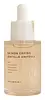
This barrier-repair ampoule is formulated around Centella Asiatica Leaf Water and Sodium DNA to strengthen the skin barrier and calm redness.
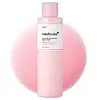
This brightening toner is formulated around Niacinamide and Adenosine to brighten dull-looking skin and strengthen the skin barrier.

What's inside
What's inside
 Key Ingredients
Benefits
Concerns
No concerns
Ingredients Side-by-side
Centella Asiatica Leaf Water
Skin Conditioning


Butylene Glycol
Humectant
Water
Skin ConditioningPropanediol
Solvent
1,2-Hexanediol
Skin Conditioning
Glycerin
Humectant
Sodium DNA
Skin Conditioning
Salmon Egg Extract
Madecassoside
Antioxidant

Portulaca Oleracea Water
Skin ConditioningPersea Gratissima Fruit Extract
EmollientMaltodextrin
Absorbent
Hyaluronic Acid
Humectant
Hydrolyzed Hyaluronic Acid
Humectant
Theobroma Cacao Extract
Skin ConditioningChenopodium Quinoa Seed Extract
Skin Conditioning
Hydrolyzed Wheat Protein
Skin ConditioningBetaine
Humectant
Dextrin
AbsorbentSodium Hyaluronate
Humectant
Carbomer
Emulsion StabilisingEthylhexylglycerin
Skin ConditioningAmmonium Acryloyldimethyltaurate/Vp Copolymer
Tromethamine
BufferingDisodium EDTA
ChelatingCentella Asiatica Leaf Water, Butylene Glycol, Water, Propanediol, 1,2-Hexanediol, Glycerin, Sodium DNA, Salmon Egg Extract, Madecassoside, Portulaca Oleracea Water, Persea Gratissima Fruit Extract, Maltodextrin, Hyaluronic Acid, Hydrolyzed Hyaluronic Acid, Theobroma Cacao Extract, Chenopodium Quinoa Seed Extract, Hydrolyzed Wheat Protein, Betaine, Dextrin, Sodium Hyaluronate, Carbomer, Ethylhexylglycerin, Ammonium Acryloyldimethyltaurate/Vp Copolymer, Tromethamine, Disodium EDTA
Water
Skin ConditioningGlycerin
Humectant
Niacinamide
Smoothing





Cetyl Ethylhexanoate
EmollientCaprylic/Capric Triglyceride
Masking
1,2-Hexanediol
Skin Conditioning
Pentaerythrityl Tetraethylhexanoate
Emollient
Ethylhexyl Palmitate
Emollient




Polyglyceryl-3 Distearate
Emulsifying
Octyldodecanol
Emollient
Diisostearyl Malate
EmollientC12-14 Alketh-12
EmulsifyingAcrylates/C10-30 Alkyl Acrylate Crosspolymer
Emulsion StabilisingTromethamine
BufferingGlyceryl Stearate
Emollient
Ethylhexylglycerin
Skin ConditioningTrehalose
Humectant
Glyceryl Stearate Citrate
Emollient
Adenosine
Skin Conditioning
Disodium EDTA
ChelatingCyanocobalamin
Skin ConditioningSaccharide Hydrolysate
HumectantOryza Sativa Bran Oil
Emollient
Oryza Sativa Bran Water
Masking
Butylene Glycol
Humectant
Prunus Amygdalus Amara Kernel Oil
Masking
Camellia Sinensis Leaf Extract
Antimicrobial
Pyrus Malus Leaf Extract
Skin ConditioningSorbitol
Humectant
Panthenol
Skin Conditioning
Propanediol
Solvent
Vanilla Planifolia Fruit Extract
Skin Conditioning
Jasminum Officinale Flower Water
MaskingXylitylglucoside
Humectant
Anhydroxylitol
Humectant
Helianthus Annuus Seed Oil
Emollient
Dipropylene Glycol
HumectantSucrose Stearate
EmollientXylitol
Humectant
Beta-Carotene
Skin ConditioningSodium DNA
Skin Conditioning
Polyglyceryl-10 Oleate
Skin Conditioning
Vaccinium Myrtillus Fruit Extract
Skin ConditioningCentella Asiatica Root Extract
Skin Conditioning
Centella Asiatica Leaf Extract
Skin Conditioning
Centella Asiatica Extract
Cleansing
Tocopherol
Antioxidant
Pueraria Lobata Root Extract
HumectantPentylene Glycol
Skin Conditioning
Madecassoside
Antioxidant
Milk Protein Extract
Lycopodium Clavatum Extract
Skin ConditioningEquisetum Arvense Extract
AstringentPhragmites Communis Extract
Skin ConditioningPrunus Amygdalus Dulcis Fruit Extract
Skin ConditioningLecithin
Emollient
Tremella Fuciformis Extract
Humectant
Tabebuia Impetiginosa Bark Extract
Skin ConditioningTrifolium Pratense Extract
Skin ConditioningAcetyl Glutamine
Skin ConditioningAsiatic Acid
Skin Conditioning
Bacillus/Soybean Ferment Extract
Skin ConditioningMadecassic Acid
Skin Conditioning
Asiaticoside
Antioxidant
Hydrolyzed Wheat Protein
Skin ConditioningHydrolyzed Soy Protein
Humectant
Hydrolyzed Rice Protein
Skin ConditioningHydrolyzed Rice Bran Protein
Skin ConditioningHydrolyzed Corn Protein
Skin ConditioningCaprylyl Glycol
Emollient
Sodium Hyaluronate
Humectant
Folic Acid
Skin ConditioningPalmitoyl Pentapeptide-4
Skin Conditioning
Ceramide Ns
Skin Conditioning
Ceramide NP
Skin Conditioning
Ceramide EOP
Skin Conditioning
Ceramide AP
Skin Conditioning
Oligopeptide-3
Skin Conditioning
Oligopeptide-2
Skin Conditioning
Oligopeptide-1
Skin Conditioning
Hexapeptide-11
Skin Conditioning
Water, Glycerin, Niacinamide, Cetyl Ethylhexanoate, Caprylic/Capric Triglyceride, 1,2-Hexanediol, Pentaerythrityl Tetraethylhexanoate, Ethylhexyl Palmitate, Polyglyceryl-3 Distearate, Octyldodecanol, Diisostearyl Malate, C12-14 Alketh-12, Acrylates/C10-30 Alkyl Acrylate Crosspolymer, Tromethamine, Glyceryl Stearate, Ethylhexylglycerin, Trehalose, Glyceryl Stearate Citrate, Adenosine, Disodium EDTA, Cyanocobalamin, Saccharide Hydrolysate, Oryza Sativa Bran Oil, Oryza Sativa Bran Water, Butylene Glycol, Prunus Amygdalus Amara Kernel Oil, Camellia Sinensis Leaf Extract, Pyrus Malus Leaf Extract, Sorbitol, Panthenol, Propanediol, Vanilla Planifolia Fruit Extract, Jasminum Officinale Flower Water, Xylitylglucoside, Anhydroxylitol, Helianthus Annuus Seed Oil, Dipropylene Glycol, Sucrose Stearate, Xylitol, Beta-Carotene, Sodium DNA, Polyglyceryl-10 Oleate, Vaccinium Myrtillus Fruit Extract, Centella Asiatica Root Extract, Centella Asiatica Leaf Extract, Centella Asiatica Extract, Tocopherol, Pueraria Lobata Root Extract, Pentylene Glycol, Madecassoside, Milk Protein Extract, Lycopodium Clavatum Extract, Equisetum Arvense Extract, Phragmites Communis Extract, Prunus Amygdalus Dulcis Fruit Extract, Lecithin, Tremella Fuciformis Extract, Tabebuia Impetiginosa Bark Extract, Trifolium Pratense Extract, Acetyl Glutamine, Asiatic Acid, Bacillus/Soybean Ferment Extract, Madecassic Acid, Asiaticoside, Hydrolyzed Wheat Protein, Hydrolyzed Soy Protein, Hydrolyzed Rice Protein, Hydrolyzed Rice Bran Protein, Hydrolyzed Corn Protein, Caprylyl Glycol, Sodium Hyaluronate, Folic Acid, Palmitoyl Pentapeptide-4, Ceramide Ns, Ceramide NP, Ceramide EOP, Ceramide AP, Oligopeptide-3, Oligopeptide-2, Oligopeptide-1, Hexapeptide-11
Reviews
Ingredients Explained
These ingredients are found in both products.
Ingredients higher up in an ingredient list are typically present in a larger amount.
1,2-Hexanediol is a synthetic liquid and another multi-functional powerhouse.
It is a:
- Humectant, drawing moisture into the skin
- Emollient, helping to soften skin
- Solvent, dispersing and stabilizing formulas
- Preservative booster, enhancing the antimicrobial activity of other preservatives
Butylene Glycol (or BG) is used within cosmetic products for a few different reasons:
Overall, Butylene Glycol is a safe and well-rounded ingredient that works well with other ingredients.
Though this ingredient works well with most skin types, some people with sensitive skin may experience a reaction such as allergic rashes, closed comedones, or itchiness.
Learn more about Butylene GlycolDisodium EDTA is a chelating agent. It grabs onto and deactivates metal ions that sneak into your products from water, packaging, or air.
This ingredient mainly works behind the scenes and helps with:
On top of that, this ingredient can counteract the effects of hard water by binding to the minerals in it.
One thing worth knowing is that Disodium EDTA has been shown to be a mild penetration enhancer. It can help other ingredients absorb into skin more effectively which can be a double-edged sword (great for actives, but can also make the active too strong if you have sensitive skin).
Clinical patch testing showed no significant skin irritation at typical use concentrations and minimal dermal absorption.
You'll most likely see this ingredient near the end of an ingredient list. It's typically found in concentrations less than 1%.
Learn more about Disodium EDTAEthylhexylglycerin is created from glycerin. It is a multitasker ingredient that:
The CIR Expert Panel found minimal skin absorption or sensitization of any kind in a safety assessment. Though this ingredient is considered well-tolerated, a small number of cases of allergic dermatitis have been published since 2002. Just be sure to patch test if you are unsure.
Industry-reported use ranges from 8% in rinse-off products and 2% in leave-on formulations.
Learn more about EthylhexylglycerinGlycerin (or glycerol) is a compound naturally found in your skin. It's a powerhouse humectant that pulls water into the stratum corneum.
Topically, glycerin does several things at once:
Your skin makes glycerin on its own (mostly from sebaceous oil breakdown) and shuttles it to your outermost layer of skin, or your epidermis, via aquaporin-3.
Aquaporin-3 is a transporter that is essential for normal skin hydration, elasticity, and repair. Interestingly, mice lacking in AQP3 have dry and less elastic skin that can be fully corrected with glycerin.
This ingredient is non-irritating, plays well with almost every ingredient, and works across all skin types. Typical use is anywhere between 3-10% but can go up to 79% in some leave-on products.
Just know very high concentrations (>40%) can feel tacky in low humidity.
Glycerin is the name for this ingredient in American English. British English uses Glycerol/Glycerine.
Learn more about GlycerinThis ingredient is a plant-derived protein made by breaking down wheat proteins into smaller amino acids and peptides. It has skin and hair conditioning properties.
People with known wheat allergy or a history of immediate reactions should be cautious with leave-on products containing hydrolyzed wheat proteins.
Madecassoside is one of four active compounds found in Centella asiatica and is one of the main reasons Centella is so effective at calming irritated skin and supporting the moisture barrier.
There's a solid body of peer-reviewed research backing Madecassoside for several skin benefits. Studies have found:
Madecassoside pairs well with other hydrating or antioxidant ingredients like Ascorbic Acid or Hyaluronic Acid.
Learn more about MadecassosidePropanediol is an all-star ingredient. It softens, hydrates, and smooths the skin.
It’s often used to:
Propanediol is not likely to cause sensitivity and considered safe to use. It is derived from corn or petroleum with a clear color and no scent.
Learn more about PropanediolSodium DNA is an emerging anti-aging ingredient.
It is created by taking deoxyribonucleic acid (DNA) and purifying it with sodium hydroxide.
The DNA is extracted from several different animal sources, including: calf thymus, the gonadic tissue of a male sturgeon, or herring / salmon sperm.
You have probably seen this ingredient in anti-aging skincare. But what is it?
DNA is composed of nucleotides, or chemical building blocks. Nucleotides include adenine (A), thymine (T), guanine (G), and cytosine (C). Talk about a flashback to biology! Nucleosides are formed from these nucleotides.
The science behind Sodium DNA is based on an ingredient called Polydeoxyribonucleotide or PDRN.
PDRN are DNA fragments mainly extracted from the sperm cells of trout or salmon. Meaning, PDRN can be derived from Sodium DNA.
PDRN consists of chains of nucleotides and nucleosides mentioned above. They can range anywhere from 80 - 2000 pairs.
Studies show PDRN has the following properties:
Most of the research on PDRN has been done using injectable forms. That’s important, because PDRN is a large molecule and doesn’t absorb well through the skin. So if you’re applying it topically, the effects are likely to be much milder.
Still, topical Sodium DNA is emerging as a trendy anti-aging ingredient. It’s generally well-tolerated and offers good biocompatibility with human skin, making it a low-risk addition to most routines.
Further studies are needed to truly confirm this ingredients anti-aging ability (Remember, retinol has decades of research!).
Sodium DNA may be sourced from fish, animal tissue, or plants. Since this isn’t always disclosed, we recommend asking the brand directly if the ingredient’s origin is important to you.
Learn more about Sodium DNASodium Hyaluronate is the salt form of hyaluronic acid. It is a long sugar chain that is naturally found in your skin, joints, and connective tissue that maintains hydration and elasticity.
In skincare, it works as a humectant. It pulls water from the environment and deeper layers of skin and binds it to the surface.
Interestingly, the size of the molecule affects its behavior:
Some clinical evidence links low molecular weight versions to improved wrinkle depth, elasticity, anti-inflammatory effects, and barrier repair.
Many serums use a blend of both weights so you can get surface hydration plus longer-lasting and deeper effects.
You'll typically see concentrations between 0.1-2% for this ingredient.
Learn more about Sodium HyaluronateTromethamine (aka THAM) is a synthetic amino acid that shows up in skincare as a helper ingredient.
It functions as a pH adjuster to help neutralize acidic ingredients and set a formula's pH to the right spot.
This matters a lot because a lot of actives (like vitamin C) needs a specific pH to work well and feel comfortable on skin.
Concentration use ranges from 0.1-1.0% depending on the formula.
Learn more about TromethamineWater. It's the most common cosmetic ingredient of all. You'll usually see it at the top of ingredient lists, meaning that it makes up the largest part of the product.
So why is it so popular? Water most often acts as a solvent - this means that it helps dissolve other ingredients into the formulation.
You'll also recognize water as that liquid we all need to stay alive. If you see this, drink a glass of water. Remember to stay hydrated!
Learn more about Water

