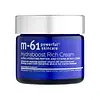
This anti-aging moisturizer is formulated around Palmitoyl Tripeptide-38 and Panthenol to soften the look of wrinkles and hydrate skin.
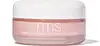
This brightening moisturizer is formulated around Niacinamide and Terminalia Ferdinandiana Seed Oil to brighten dull-looking skin and hydrate skin.

What's inside
What's inside
 Key Ingredients
Benefits
Concerns
Ingredients Side-by-side
Water
Skin ConditioningC10-18 Triglycerides
Emollient

Glycerin
Humectant


Caprylic/Capric Triglyceride
Masking
Coco-Caprylate
Emollient
Cetearyl Alcohol
Emollient



Hydrogenated Polyisobutene
EmollientDiisostearyl Malate
EmollientCetyl Alcohol
Emollient
Hydroxystearic/Linolenic/Oleic Polyglycerides
EmollientPhenoxyethanol
Preservative
Theobroma Cacao Seed Butter
Emollient
Methyldihydrojasmonate
MaskingPalmitoyl Tripeptide-38
Skin Conditioning


Acetyl Hexapeptide-8
Humectant
Palmitoyl Tripeptide-1
Skin Conditioning
Palmitoyl Tetrapeptide-7
Skin Conditioning
Panthenol
Skin Conditioning

Hydrolyzed Hyaluronic Acid
Humectant
Pyrus Malus Fruit Extract
Skin Conditioning
Citrullus Lanatus Fruit Extract
Skin Conditioning
Lens Esculenta Fruit Extract
Skin ConditioningTamarindus Indica Extract
SmoothingSodium Carrageenan
Emulsion StabilisingAloe Barbadensis Leaf Juice
Skin Conditioning
Centella Asiatica Leaf Extract
Skin Conditioning
Tetrahexyldecyl Ascorbate
Antioxidant



Sesamum Indicum Seed Oil
Emollient
Prunus Amygdalus Dulcis Oil
Skin Conditioning
Butyrospermum Parkii Butter
Skin Conditioning
Persea Gratissima Oil
Skin Conditioning
Brassica Oleracea Italica Seed Oil
Emollient
Ceteth-10 Phosphate
CleansingDicetyl Phosphate
EmulsifyingButylene Glycol
Humectant
Stearic Acid
Cleansing
Hydroxyethyl Acrylate/Sodium Acryloyldimethyl Taurate Copolymer
Emulsion StabilisingSodium Hydroxide
BufferingAllantoin
Skin Conditioning
Sodium Lactate
Buffering
Magnesium Aspartate
Skin ConditioningZinc Gluconate
Skin Conditioning


Carbomer
Emulsion StabilisingHydroxypropyl Cyclodextrin
MaskingSodium PCA
Humectant
Polysorbate 20
Emulsifying
Potassium Sorbate
Preservative
Copper Gluconate
Skin Conditioning
Sea Salt
Abrasive
Acetic Acid
BufferingWater, C10-18 Triglycerides, Glycerin, Caprylic/Capric Triglyceride, Coco-Caprylate, Cetearyl Alcohol, Hydrogenated Polyisobutene, Diisostearyl Malate, Cetyl Alcohol, Hydroxystearic/Linolenic/Oleic Polyglycerides, Phenoxyethanol, Theobroma Cacao Seed Butter, Methyldihydrojasmonate, Palmitoyl Tripeptide-38, Acetyl Hexapeptide-8, Palmitoyl Tripeptide-1, Palmitoyl Tetrapeptide-7, Panthenol, Hydrolyzed Hyaluronic Acid, Pyrus Malus Fruit Extract, Citrullus Lanatus Fruit Extract, Lens Esculenta Fruit Extract, Tamarindus Indica Extract, Sodium Carrageenan, Aloe Barbadensis Leaf Juice, Centella Asiatica Leaf Extract, Tetrahexyldecyl Ascorbate, Sesamum Indicum Seed Oil, Prunus Amygdalus Dulcis Oil, Butyrospermum Parkii Butter, Persea Gratissima Oil, Brassica Oleracea Italica Seed Oil, Ceteth-10 Phosphate, Dicetyl Phosphate, Butylene Glycol, Stearic Acid, Hydroxyethyl Acrylate/Sodium Acryloyldimethyl Taurate Copolymer, Sodium Hydroxide, Allantoin, Sodium Lactate, Magnesium Aspartate, Zinc Gluconate, Carbomer, Hydroxypropyl Cyclodextrin, Sodium PCA, Polysorbate 20, Potassium Sorbate, Copper Gluconate, Sea Salt, Acetic Acid
Water
Skin ConditioningCaprylic/Capric Triglyceride
Masking
Glycerin
Humectant
Propanediol
Solvent
Niacinamide
Smoothing

Glyceryl Stearate Citrate
Emollient
Cetyl Alcohol
Emollient
Glyceryl Stearate
Emollient
1,2-Hexanediol
Skin Conditioning
Ricinus Communis Seed Oil
Masking
Carbomer
Emulsion StabilisingC12-16 Alcohols
EmollientButyrospermum Parkii Butter
Skin Conditioning
Coco-Caprylate/Caprate
Emollient
Triheptanoin
Skin ConditioningCaprylyl Glycol
Emollient
Xanthan Gum
EmulsifyingEthylhexylglycerin
Skin ConditioningPalmitic Acid
Emollient
Sodium Hydroxide
BufferingTocopherol
Antioxidant
Hydrogenated Lecithin
Emulsifying
C9-12 Alkane
SolventDilinoleic Acid/Butanediol Copolymer
Sodium Surfactin
CleansingCarthamus Tinctorius Seed Oil
Masking
Pentylene Glycol
Skin Conditioning
Phytic Acid
Chelating
Sodium Hyaluronate
Humectant
Pistacia Lentiscus Gum
MaskingLecithin
Emollient
Terminalia Ferdinandiana Fruit Extract
Antioxidant
Terminalia Ferdinandiana Seed Oil
Antioxidant
Glyceryl Caprylate/Caprate
EmollientCastor Oil/Ipdi Copolymer
Cynara Scolymus Leaf Extract
Skin ConditioningPisum Sativum Extract
Skin ConditioningBenzyl Alcohol
Perfuming



Chenopodium Quinoa Seed Extract
Skin Conditioning
Potassium Sorbate
Preservative
Sodium Benzoate
Masking
Water, Caprylic/Capric Triglyceride, Glycerin, Propanediol, Niacinamide, Glyceryl Stearate Citrate, Cetyl Alcohol, Glyceryl Stearate, 1,2-Hexanediol, Ricinus Communis Seed Oil, Carbomer, C12-16 Alcohols, Butyrospermum Parkii Butter, Coco-Caprylate/Caprate, Triheptanoin, Caprylyl Glycol, Xanthan Gum, Ethylhexylglycerin, Palmitic Acid, Sodium Hydroxide, Tocopherol, Hydrogenated Lecithin, C9-12 Alkane, Dilinoleic Acid/Butanediol Copolymer, Sodium Surfactin, Carthamus Tinctorius Seed Oil, Pentylene Glycol, Phytic Acid, Sodium Hyaluronate, Pistacia Lentiscus Gum, Lecithin, Terminalia Ferdinandiana Fruit Extract, Terminalia Ferdinandiana Seed Oil, Glyceryl Caprylate/Caprate, Castor Oil/Ipdi Copolymer, Cynara Scolymus Leaf Extract, Pisum Sativum Extract, Benzyl Alcohol, Chenopodium Quinoa Seed Extract, Potassium Sorbate, Sodium Benzoate
Ingredients Explained
These ingredients are found in both products.
Ingredients higher up in an ingredient list are typically present in a larger amount.
This ingredient is also known as shea butter. It is a plant-derived extract from the nuts of the Africa shea tree and one of the most well-studied emollients.
Because it has a high concentration of fatty acids (primarily oleic, stearic, and linoleic) it is able to form a protective barrier on the skin's surface. This helps seal in moisture and prevents transepidermal water loss (TEWL).
In vitro research found an increase in skin hydration by 58% and a decrease in TEWL by 37.8% after 24 hours of applying this ingredient (pretty impressive for a single ingredient!).
Besides hydration, shea butter also contains triterpenes that have anti-inflammatory potential. In particule, lupeol cinnamate has shown the highest anti-inflammatory activity in vivo.
Shea butter also contains vitamins A and E which may contribute to antioxidant activity.
While Shea Butter has an SPF rating of about 3-4, it is not a sunscreen replacement.
This ingredient may not be fungal acne safe because its fatty acids fall within the C11-C24 range that the Malassezia yeast can metabolize.
This ingredient shows up on a lot of "pore-clogging" lists but there's no real evidence behind that. It doesn't even have a comedogenic rating from an actual study; the numbers you'll find online come from blogs citing other blogs.
Ratings for other ingredients mostly come from a 1980s rabbit ear test. This test doesn't translate well to human skin or to real products because the ingredient sits at a much lower percentage.
Some people still find it breaks them out. So if that's you, definitely trust your skin. Just know this one's based on experience and not evidence.
Learn more about Butyrospermum Parkii ButterCaprylic/Capric Triglyceride (aka MCT Oil) is a lightweight emollient, solvent, and texture enhancer. It is considered a skin-softener by helping to prevent moisture loss.
Though it behaves like an oil, it is not technically one due to its chemical composition. One perk of this ingredient is that it is very stable, resistant to oxidation, and unlikely to go rancid.
In practice, that translates to a long shelf life and a consistently elegant skin feel.
While there is an assumption Caprylic Triglyceride can clog pores due to it being derived from coconut oil, there is no research supporting this. Just patch test if you have concerns.
Fractionated coconut oil and MCT Oil are both listed as Caprylic/Capric Triglyceride according to INCI. This is because INCI names are based on the ingredient’s final chemical composition and not its marketing name or source.
This ingredient is treated as the gold standard fungal acne safe oil. Even though it is coconut derived, the problematic lauric acid is stripped out.
This leaves just caprylic (C8) and capric (C10) acid. These chain lengths actually trend antifungal; a 2020 study found caprylic acid was enough to disrupt Malassezia furfur cell membrane, with a caprylic acid derivative damaging membrane structures at concentrations as low as 0.2%.
Learn more about Caprylic/Capric TriglycerideCarbomer is a synthetic thickening and gelling agent. It's basically the ingredient that gives a lot of serums, gels, creams, and sunscreens their smooth, non-sticky texture.
Although legally permitted at very high levels, carbomers are normally used at concentrations below 1%.
It also needs to be neutralized to actually thicken, and because it is a large molecule, it doesn't really penetrate the skin barrier.
Allergy-wise, the risk is very low. Clinical studies show carbomers have low potential for skin irritation/sensitization even at concentrations up to 100%.
A 2024 UK study patch-tested 1,302 patients and found true allergy to the parent group of carbomer to be rare with no confirmed relevant reactions.
Learn more about CarbomerCetyl Alcohol is a fatty alcohol. Fatty Alcohols are most often used as an emollient or to thicken a product.
Its main roles are:
Though it has "alcohol" in the name, it is not related to denatured alcohol or ethyl alcohol.
The FDA allows products labeled "alcohol-free" to have fatty alcohols.
This ingredient may not be fungal acne safe. It is a primary fatty alcohol with a chain length above 12 carbons. A study from 2019 show Malassezia can feed on fatty alcohols in this range, so it may trigger fungal acne in those prone to it.
Learn more about Cetyl AlcoholGlycerin (or glycerol) is a compound naturally found in your skin. It's a powerhouse humectant that pulls water into the stratum corneum.
Topically, glycerin does several things at once:
Your skin makes glycerin on its own (mostly from sebaceous oil breakdown) and shuttles it to your outermost layer of skin, or your epidermis, via aquaporin-3.
Aquaporin-3 is a transporter that is essential for normal skin hydration, elasticity, and repair. Interestingly, mice lacking in AQP3 have dry and less elastic skin that can be fully corrected with glycerin.
This ingredient is non-irritating, plays well with almost every ingredient, and works across all skin types. Typical use is anywhere between 3-10% but can go up to 79% in some leave-on products.
Just know very high concentrations (>40%) can feel tacky in low humidity.
Glycerin is the name for this ingredient in American English. British English uses Glycerol/Glycerine.
Learn more about GlycerinPotassium Sorbate is a preservative used to prevent yeast and mold in products. It is commonly found in both cosmetic and food products.
This ingredient comes from potassium salt derived from sorbic acid. Sorbic acid is a natural antibiotic and effective against fungus.
Both potassium sorbate and sorbic acid can be found in baked goods, cheeses, dried meats, dried fruit, ice cream, pickles, wine, yogurt, and more.
You'll often find this ingredient used with other preservatives.
Learn more about Potassium SorbateSodium Hydroxide is also known as lye or caustic soda. It is used to adjust the pH of products; many ingredients require a specific pH to be effective.
In small amounts, sodium hydroxide is considered safe to use. However, large amounts may cause chemical burns due to its high alkaline.
Your skin has a natural pH and acid mantle. This acid mantle helps prevent harmful bacteria from breaking through. The acid mantle also helps keep your skin hydrated.
"Alkaline" refers to a high pH level. A low pH level would be considered acidic.
Learn more about Sodium HydroxideWater. It's the most common cosmetic ingredient of all. You'll usually see it at the top of ingredient lists, meaning that it makes up the largest part of the product.
So why is it so popular? Water most often acts as a solvent - this means that it helps dissolve other ingredients into the formulation.
You'll also recognize water as that liquid we all need to stay alive. If you see this, drink a glass of water. Remember to stay hydrated!
Learn more about Water

