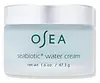
This calming moisturizer is formulated around Squalane and Lactobacillus Ferment to calm redness and hydrate skin.
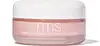
This brightening moisturizer is formulated around Niacinamide and Terminalia Ferdinandiana Seed Oil to brighten dull-looking skin and hydrate skin.

What's inside
What's inside
 Key Ingredients
Benefits
Concerns
Ingredients Side-by-side
Water
Skin ConditioningGlycerin
Humectant


Caprylic/Capric Triglyceride
Masking
Squalane
Emollient
Isoamyl Laurate
Emollient

Undecane
EmollientCetearyl Alcohol
Emollient



Hectorite
AbsorbentCetearyl Olivate
Sorbitan Olivate
Emulsifying
Glyceryl Caprylate
EmollientUndaria Pinnatifida Extract
Skin ConditioningTremella Fuciformis Polysaccharide
Emulsion Stabilising
Hyaluronic Acid
Humectant
Betulin
Skin ConditioningTocopherol
Antioxidant



Pavlova Lutheri Extract
Skin ConditioningTerminalia Ferdinandiana Fruit Extract
Antioxidant
Laminaria Ochroleuca Extract
Skin Conditioning
Bisabolol
Antioxidant
Calendula Officinalis Flower Extract
Masking
Brassica Oleracea Italica Extract
AstringentZingiber Officinale Root Extract
Masking
Melia Azadirachta Leaf Extract
Skin ConditioningMelia Azadirachta Flower Extract
Skin ConditioningCorallina Officinalis Extract
Skin Conditioning
Coccinia Indica Fruit Extract
Skin Conditioning
Solanum Melongena Fruit Extract
Skin ConditioningAloe Barbadensis Flower Extract
EmollientOcimum Sanctum Leaf Extract
Skin ConditioningOcimum Basilicum Flower/Leaf Extract
TonicCurcuma Longa Root Extract
Antioxidant
Caesalpinia Spinosa Fruit Pod Extract
Helianthus Annuus Sprout Extract
Skin ConditioningMaltodextrin
Absorbent
Fucus Vesiculosus Extract
Emollient
Lactobacillus Ferment
Skin Conditioning
Tridecane
Perfuming
Sodium Stearoyl Glutamate
CleansingCaprylhydroxamic Acid
ChelatingTetrasodium Glutamate Diacetate
ChelatingSodium Hydroxide
BufferingCitric Acid
Buffering
Sodium Benzoate
Masking
Potassium Sorbate
Preservative
Water, Glycerin, Caprylic/Capric Triglyceride, Squalane, Isoamyl Laurate, Undecane, Cetearyl Alcohol, Hectorite, Cetearyl Olivate, Sorbitan Olivate, Glyceryl Caprylate, Undaria Pinnatifida Extract, Tremella Fuciformis Polysaccharide, Hyaluronic Acid, Betulin, Tocopherol, Pavlova Lutheri Extract, Terminalia Ferdinandiana Fruit Extract, Laminaria Ochroleuca Extract, Bisabolol, Calendula Officinalis Flower Extract, Brassica Oleracea Italica Extract, Zingiber Officinale Root Extract, Melia Azadirachta Leaf Extract, Melia Azadirachta Flower Extract, Corallina Officinalis Extract, Coccinia Indica Fruit Extract, Solanum Melongena Fruit Extract, Aloe Barbadensis Flower Extract, Ocimum Sanctum Leaf Extract, Ocimum Basilicum Flower/Leaf Extract, Curcuma Longa Root Extract, Caesalpinia Spinosa Fruit Pod Extract, Helianthus Annuus Sprout Extract, Maltodextrin, Fucus Vesiculosus Extract, Lactobacillus Ferment, Tridecane, Sodium Stearoyl Glutamate, Caprylhydroxamic Acid, Tetrasodium Glutamate Diacetate, Sodium Hydroxide, Citric Acid, Sodium Benzoate, Potassium Sorbate
Water
Skin ConditioningCaprylic/Capric Triglyceride
Masking
Glycerin
Humectant
Propanediol
Solvent
Niacinamide
Smoothing




Glyceryl Stearate Citrate
Emollient
Cetyl Alcohol
Emollient
Glyceryl Stearate
Emollient
1,2-Hexanediol
Skin Conditioning
Ricinus Communis Seed Oil
Masking
Carbomer
Emulsion StabilisingC12-16 Alcohols
EmollientButyrospermum Parkii Butter
Skin Conditioning
Coco-Caprylate/Caprate
Emollient
Triheptanoin
Skin ConditioningCaprylyl Glycol
Emollient
Xanthan Gum
EmulsifyingEthylhexylglycerin
Skin ConditioningPalmitic Acid
Emollient
Sodium Hydroxide
BufferingTocopherol
Antioxidant
Hydrogenated Lecithin
Emulsifying
C9-12 Alkane
SolventDilinoleic Acid/Butanediol Copolymer
Sodium Surfactin
CleansingCarthamus Tinctorius Seed Oil
Masking
Pentylene Glycol
Skin Conditioning
Phytic Acid
Chelating
Sodium Hyaluronate
Humectant
Pistacia Lentiscus Gum
MaskingLecithin
Emollient
Terminalia Ferdinandiana Fruit Extract
Antioxidant
Terminalia Ferdinandiana Seed Oil
Antioxidant
Glyceryl Caprylate/Caprate
EmollientCastor Oil/Ipdi Copolymer
Cynara Scolymus Leaf Extract
Skin ConditioningPisum Sativum Extract
Skin ConditioningBenzyl Alcohol
Perfuming


Chenopodium Quinoa Seed Extract
Skin Conditioning
Potassium Sorbate
Preservative
Sodium Benzoate
Masking
Water, Caprylic/Capric Triglyceride, Glycerin, Propanediol, Niacinamide, Glyceryl Stearate Citrate, Cetyl Alcohol, Glyceryl Stearate, 1,2-Hexanediol, Ricinus Communis Seed Oil, Carbomer, C12-16 Alcohols, Butyrospermum Parkii Butter, Coco-Caprylate/Caprate, Triheptanoin, Caprylyl Glycol, Xanthan Gum, Ethylhexylglycerin, Palmitic Acid, Sodium Hydroxide, Tocopherol, Hydrogenated Lecithin, C9-12 Alkane, Dilinoleic Acid/Butanediol Copolymer, Sodium Surfactin, Carthamus Tinctorius Seed Oil, Pentylene Glycol, Phytic Acid, Sodium Hyaluronate, Pistacia Lentiscus Gum, Lecithin, Terminalia Ferdinandiana Fruit Extract, Terminalia Ferdinandiana Seed Oil, Glyceryl Caprylate/Caprate, Castor Oil/Ipdi Copolymer, Cynara Scolymus Leaf Extract, Pisum Sativum Extract, Benzyl Alcohol, Chenopodium Quinoa Seed Extract, Potassium Sorbate, Sodium Benzoate
Reviews
Ingredients Explained
These ingredients are found in both products.
Ingredients higher up in an ingredient list are typically present in a larger amount.
Caprylic/Capric Triglyceride (aka MCT Oil) is a lightweight emollient, solvent, and texture enhancer. It is considered a skin-softener by helping to prevent moisture loss.
Though it behaves like an oil, it is not technically one due to its chemical composition. One perk of this ingredient is that it is very stable, resistant to oxidation, and unlikely to go rancid.
In practice, that translates to a long shelf life and a consistently elegant skin feel.
While there is an assumption Caprylic Triglyceride can clog pores due to it being derived from coconut oil, there is no research supporting this. Just patch test if you have concerns.
Fractionated coconut oil and MCT Oil are both listed as Caprylic/Capric Triglyceride according to INCI. This is because INCI names are based on the ingredient’s final chemical composition and not its marketing name or source.
This ingredient is treated as the gold standard fungal acne safe oil. Even though it is coconut derived, the problematic lauric acid is stripped out.
This leaves just caprylic (C8) and capric (C10) acid. These chain lengths actually trend antifungal; a 2020 study found caprylic acid was enough to disrupt Malassezia furfur cell membrane, with a caprylic acid derivative damaging membrane structures at concentrations as low as 0.2%.
Learn more about Caprylic/Capric TriglycerideGlycerin (or glycerol) is a compound naturally found in your skin. It's a powerhouse humectant that pulls water into the stratum corneum.
Topically, glycerin does several things at once:
Your skin makes glycerin on its own (mostly from sebaceous oil breakdown) and shuttles it to your outermost layer of skin, or your epidermis, via aquaporin-3.
Aquaporin-3 is a transporter that is essential for normal skin hydration, elasticity, and repair. Interestingly, mice lacking in AQP3 have dry and less elastic skin that can be fully corrected with glycerin.
This ingredient is non-irritating, plays well with almost every ingredient, and works across all skin types. Typical use is anywhere between 3-10% but can go up to 79% in some leave-on products.
Just know very high concentrations (>40%) can feel tacky in low humidity.
Glycerin is the name for this ingredient in American English. British English uses Glycerol/Glycerine.
Learn more about GlycerinPotassium Sorbate is a preservative used to prevent yeast and mold in products. It is commonly found in both cosmetic and food products.
This ingredient comes from potassium salt derived from sorbic acid. Sorbic acid is a natural antibiotic and effective against fungus.
Both potassium sorbate and sorbic acid can be found in baked goods, cheeses, dried meats, dried fruit, ice cream, pickles, wine, yogurt, and more.
You'll often find this ingredient used with other preservatives.
Learn more about Potassium SorbateSodium Benzoate is a preservative. It's used in both cosmetic and food products to inhibit the growth of mold and bacteria. It is typically produced synthetically.
Both the US FDA and EU Health Committee have approved the use of sodium benzoate. In the US, levels of 0.1% (of the total product) are allowed.
Sodium benzoate works as a preservative by inhibiting the growth of bacteria inside of cells. It prevents the cell from fermenting a type of sugar using an enzyme called phosphofructokinase.
It is the salt of benzoic acid. Foods containing sodium benzoate include soda, salad dressings, condiments, fruit juices, wines, and snack foods.
Studies for using ascorbic acid and sodium benzoate in cosmetics are lacking, especially in skincare routines with multiple steps.
We always recommend speaking with a professional, such as a dermatologist, if you have any concerns.
Learn more about Sodium BenzoateSodium Hydroxide is also known as lye or caustic soda. It is used to adjust the pH of products; many ingredients require a specific pH to be effective.
In small amounts, sodium hydroxide is considered safe to use. However, large amounts may cause chemical burns due to its high alkaline.
Your skin has a natural pH and acid mantle. This acid mantle helps prevent harmful bacteria from breaking through. The acid mantle also helps keep your skin hydrated.
"Alkaline" refers to a high pH level. A low pH level would be considered acidic.
Learn more about Sodium HydroxideTerminalia Ferdinandiana Fruit Extract is from the Kakadu plum. The Kakadu plum is native to northern Australia. The Kakadu plum holds the record for having the highest amount of natural vitamin C.
This ingredient is an antioxidant. Antioxidants help fight free-radical molecules. Free-radical molecules are capable of damaging our cells and other genetic material. Antioxidants help stabilize free-radicals and thus may reduce the signs of aging.
The high vitamin C content of Kakadu plum also helps lighten skin. Vitamin C has been shown to block the process of skin darkening that leads to hyperpigmentation.
Kakadu plums have been used by indigenous cultures as medicine to help treat colds and as an antiseptic.
Learn more about Terminalia Ferdinandiana Fruit ExtractTocopherol is a fat-soluble antioxidant known as Vitamin E.
You'll find this ingredient in the vast majority of skincare (for good reason). It works to neutralize free radicals, or unstable molecules generated by UV exposure, pollution, and other environmental stressors, before they can cause oxidative damage to your skin cells.
Topically applied tocopherol has been shown to protect against UV damage by ramping up the skin's own natural defense enzymes.
It also acts as a skin conditioning agent; some studies show that regular topical use can improve the skin's water-binding capacity over 2-4 weeks.
This ingredient is especially loved for being a team player. When combined with Vitamin C, the photoprotective effect of both ingredients roughly doubles and the combo also helps reduce UV-induced DNA damage.
This ingredient has some brightening potential but it's more of a prevention ingredient than spot-fader. Cell studies show it can slow down melanin production but it's worth noting that it's not the most powerful brightener out there.
In formulations, it also serves as a stabilizer that helps protect other oxidation-prone ingredients from degrading.
Concentrations usually range from 0.1-1% in most leave-on products.
Learn more about TocopherolWater. It's the most common cosmetic ingredient of all. You'll usually see it at the top of ingredient lists, meaning that it makes up the largest part of the product.
So why is it so popular? Water most often acts as a solvent - this means that it helps dissolve other ingredients into the formulation.
You'll also recognize water as that liquid we all need to stay alive. If you see this, drink a glass of water. Remember to stay hydrated!
Learn more about Water

