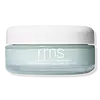
This oil-based cleanser uses mild cleansing ingredients, but contains alcohol that may feel drying for some.
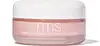
This brightening moisturizer is formulated around Niacinamide and Terminalia Ferdinandiana Seed Oil to brighten dull-looking skin and hydrate skin.

What's inside
What's inside
 Key Ingredients
Benefits
Concerns
Ingredients Side-by-side
Caprylic/Capric Triglyceride
Masking


Oryza Sativa Bran Wax
Skin Conditioning

Octyldodecyl Myristate
EmollientOctyldodecyl Erucate
EmollientPolyglyceryl-2 Laurate
Emulsifying
Polyglyceryl-6 Caprylate
EmulsifyingPolyglyceryl-10 Pentaoleate
Emulsifying
Dextrin Palmitate
Emulsifying
Cocos Nucifera Oil
Masking




Propanediol
Solvent
Benzyl Alcohol
Perfuming




Pentylene Glycol
Skin Conditioning
Simmondsia Chinensis Seed Oil
Emollient
Citrus Aurantium Bergamia Peel Oil
Perfuming

Terminalia Ferdinandiana Seed Oil
Antioxidant
Citrus Aurantium Dulcis Peel Oil
Masking
Juniperus Virginiana Oil
Masking
Lavandula Angustifolia Oil
Masking
Pelargonium Graveolens Flower Oil
Masking
Copaifera Officinalis Resin
MaskingGlycyrrhiza Glabra Root Extract
Bleaching



Smilax Aristolochiifolia Root Extract
Skin ConditioningWithania Somnifera Root Extract
Skin Conditioning
Artemisia Vulgaris Oil
Perfuming
Myrtus Communis Oil
Masking
Rosa Damascena Flower Oil
Masking
Tocopherol
Antioxidant

Calendula Officinalis Flower Extract
Masking
Curcuma Longa Root Extract
Antioxidant
Equisetum Arvense Extract
AstringentHypericum Perforatum Leaf Extract
Skin ConditioningFerula Galbaniflua Resin Oil
Antimicrobial
Linalool
Perfuming
Limonene
Perfuming
Caprylic/Capric Triglyceride, Oryza Sativa Bran Wax, Octyldodecyl Myristate, Octyldodecyl Erucate, Polyglyceryl-2 Laurate, Polyglyceryl-6 Caprylate, Polyglyceryl-10 Pentaoleate, Dextrin Palmitate, Cocos Nucifera Oil, Propanediol, Benzyl Alcohol, Pentylene Glycol, Simmondsia Chinensis Seed Oil, Citrus Aurantium Bergamia Peel Oil, Terminalia Ferdinandiana Seed Oil, Citrus Aurantium Dulcis Peel Oil, Juniperus Virginiana Oil, Lavandula Angustifolia Oil, Pelargonium Graveolens Flower Oil, Copaifera Officinalis Resin, Glycyrrhiza Glabra Root Extract, Smilax Aristolochiifolia Root Extract, Withania Somnifera Root Extract, Artemisia Vulgaris Oil, Myrtus Communis Oil, Rosa Damascena Flower Oil, Tocopherol, Calendula Officinalis Flower Extract, Curcuma Longa Root Extract, Equisetum Arvense Extract, Hypericum Perforatum Leaf Extract, Ferula Galbaniflua Resin Oil, Linalool, Limonene
Water
Skin ConditioningCaprylic/Capric Triglyceride
Masking
Glycerin
Humectant
Propanediol
Solvent
Niacinamide
Smoothing




Glyceryl Stearate Citrate
Emollient
Cetyl Alcohol
Emollient
Glyceryl Stearate
Emollient
1,2-Hexanediol
Skin Conditioning
Ricinus Communis Seed Oil
Masking
Carbomer
Emulsion StabilisingC12-16 Alcohols
EmollientButyrospermum Parkii Butter
Skin Conditioning
Coco-Caprylate/Caprate
Emollient
Triheptanoin
Skin ConditioningCaprylyl Glycol
Emollient
Xanthan Gum
EmulsifyingEthylhexylglycerin
Skin ConditioningPalmitic Acid
Emollient
Sodium Hydroxide
BufferingTocopherol
Antioxidant
Hydrogenated Lecithin
Emulsifying
C9-12 Alkane
SolventDilinoleic Acid/Butanediol Copolymer
Sodium Surfactin
CleansingCarthamus Tinctorius Seed Oil
Masking
Pentylene Glycol
Skin Conditioning
Phytic Acid
Chelating
Sodium Hyaluronate
Humectant
Pistacia Lentiscus Gum
MaskingLecithin
Emollient
Terminalia Ferdinandiana Fruit Extract
Antioxidant
Terminalia Ferdinandiana Seed Oil
Antioxidant
Glyceryl Caprylate/Caprate
EmollientCastor Oil/Ipdi Copolymer
Cynara Scolymus Leaf Extract
Skin ConditioningPisum Sativum Extract
Skin ConditioningBenzyl Alcohol
Perfuming
Chenopodium Quinoa Seed Extract
Skin Conditioning
Potassium Sorbate
Preservative
Sodium Benzoate
Masking
Water, Caprylic/Capric Triglyceride, Glycerin, Propanediol, Niacinamide, Glyceryl Stearate Citrate, Cetyl Alcohol, Glyceryl Stearate, 1,2-Hexanediol, Ricinus Communis Seed Oil, Carbomer, C12-16 Alcohols, Butyrospermum Parkii Butter, Coco-Caprylate/Caprate, Triheptanoin, Caprylyl Glycol, Xanthan Gum, Ethylhexylglycerin, Palmitic Acid, Sodium Hydroxide, Tocopherol, Hydrogenated Lecithin, C9-12 Alkane, Dilinoleic Acid/Butanediol Copolymer, Sodium Surfactin, Carthamus Tinctorius Seed Oil, Pentylene Glycol, Phytic Acid, Sodium Hyaluronate, Pistacia Lentiscus Gum, Lecithin, Terminalia Ferdinandiana Fruit Extract, Terminalia Ferdinandiana Seed Oil, Glyceryl Caprylate/Caprate, Castor Oil/Ipdi Copolymer, Cynara Scolymus Leaf Extract, Pisum Sativum Extract, Benzyl Alcohol, Chenopodium Quinoa Seed Extract, Potassium Sorbate, Sodium Benzoate
Alternatives
Ingredients Explained
These ingredients are found in both products.
Ingredients higher up in an ingredient list are typically present in a larger amount.
Benzyl Alcohol is an aromatic alcohol with several roles: it's a preservative, solvent, and mild fragrance component with a floral scent.
This ingredient has been deemed safe for use in cosmetic formulations at concentrations up to 5%, and up to 10% in hair dyes. You'll typically see 0.5-2% in most rinse-off or leave-on products.
As a preservative, it works by disrupting the membrane of microbial proteins. This helps keep bacteria and fungi from growing in your products.
The sensitization picture is actually quite assuring as well:of nearly 71,000 patients patch tested with benzyl alcohol, only 0.21% showed a positive reaction with most of them being weakly positive.
This led researchers to conclude that benzyl alcohol cannot be regarded as a significant contact allergen.
It is worth noting this ingredient is classified as one of the EU's regulated fragrance allergens and restricted to 1% in finished products.
Labels must also declare it in concentrations above 0.001% in leave-on products and 0.01% in rinse-off products.
At concentrations around 5%, localized redness and itching can appear as a direct irritant response and not as a true allergic reaction.
Learn more about Benzyl AlcoholCaprylic/Capric Triglyceride (aka MCT Oil) is a lightweight emollient, solvent, and texture enhancer. It is considered a skin-softener by helping to prevent moisture loss.
Though it behaves like an oil, it is not technically one due to its chemical composition. One perk of this ingredient is that it is very stable, resistant to oxidation, and unlikely to go rancid.
In practice, that translates to a long shelf life and a consistently elegant skin feel.
While there is an assumption Caprylic Triglyceride can clog pores due to it being derived from coconut oil, there is no research supporting this. Just patch test if you have concerns.
Fractionated coconut oil and MCT Oil are both listed as Caprylic/Capric Triglyceride according to INCI. This is because INCI names are based on the ingredient’s final chemical composition and not its marketing name or source.
This ingredient is treated as the gold standard fungal acne safe oil. Even though it is coconut derived, the problematic lauric acid is stripped out.
This leaves just caprylic (C8) and capric (C10) acid. These chain lengths actually trend antifungal; a 2020 study found caprylic acid was enough to disrupt Malassezia furfur cell membrane, with a caprylic acid derivative damaging membrane structures at concentrations as low as 0.2%.
Learn more about Caprylic/Capric TriglyceridePentylene Glycol (1,2-pentanediol) is a multitasking little diol with three main roles in a formula:
Research on alkanediols (the family pentylene glycol belongs to) show they work by disrupting microbial cell membranes. This disruption helps the primary preservative system in a product work more effectively at lower doses.
On the safety side, the Cosmetic Ingredient Review Expert Panel has concluded this ingredient to be safe as used in current cosmetic practices + concentrations.
Typical use levels in a formula run about 1-5%.
Learn more about Pentylene GlycolPropanediol is an all-star ingredient. It softens, hydrates, and smooths the skin.
It’s often used to:
Propanediol is not likely to cause sensitivity and considered safe to use. It is derived from corn or petroleum with a clear color and no scent.
Learn more about PropanediolTerminalia Ferdinandiana Seed Oil is from the Kakadu plum seed with hydrating and antioxidant properties.
Like other plant oils, Kakadu Plum Seed Oil is an emollient and humectant. As an emollient, it helps hydrate the skin by creating a film that traps moisture in. On the other hand, humectants draw and hold moisture to your skin.
Manufacturers claim the high vitamin C content of Kakadu plum helps lighten skin. Though Vitamin C has been shown to block the process of skin darkening that leads to hyperpigmentation, further research is needed for the Kakadu plum's brightening benefits.
Fun fact: The Kakadu plum is native to northern Australia and holds the record for having the highest amount of natural vitamin C.
Learn more about Terminalia Ferdinandiana Seed OilTocopherol is a fat-soluble antioxidant known as Vitamin E.
You'll find this ingredient in the vast majority of skincare (for good reason). It works to neutralize free radicals, or unstable molecules generated by UV exposure, pollution, and other environmental stressors, before they can cause oxidative damage to your skin cells.
Topically applied tocopherol has been shown to protect against UV damage by ramping up the skin's own natural defense enzymes.
It also acts as a skin conditioning agent; some studies show that regular topical use can improve the skin's water-binding capacity over 2-4 weeks.
This ingredient is especially loved for being a team player. When combined with Vitamin C, the photoprotective effect of both ingredients roughly doubles and the combo also helps reduce UV-induced DNA damage.
This ingredient has some brightening potential but it's more of a prevention ingredient than spot-fader. Cell studies show it can slow down melanin production but it's worth noting that it's not the most powerful brightener out there.
In formulations, it also serves as a stabilizer that helps protect other oxidation-prone ingredients from degrading.
Concentrations usually range from 0.1-1% in most leave-on products.
Learn more about Tocopherol

