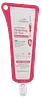
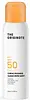
Luxe Organix High Protection Perfecting UV Tint Serum Sunscreen SPF 50 PA +++ Versus The Originote Ceracinamide Sunscreen Mist SPF 50
This hybrid sunscreen covers the full UV range and blocks ~98% of UVB at SPF 50.
This hybrid sunscreen covers the full UV range and blocks ~98% of UVB at SPF 50.


What's inside
What's inside
 Key Ingredients
Benefits
Concerns
Ingredients Side-by-side
Water
Skin ConditioningCyclopentasiloxane
Emollient
Ethylhexyl Methoxycinnamate
UV Absorber


C12-15 Alkyl Benzoate
AntimicrobialTitanium Dioxide
Cosmetic Colorant
Butylene Glycol
Humectant

4-Methylbenzylidene Camphor
UV Absorber
Glycereth-26
Humectant
Niacinamide
Smoothing










Cetyl PEG/PPG-10/1 Dimethicone
Emulsifying
Methylene Bis-Benzotriazolyl Tetramethylbutylphenol
UV Filter
Caprylic/Capric Triglyceride
Masking
Phenyl Trimethicone
Skin Conditioning
Ascorbic Acid
Antioxidant

Lauryl PEG-9 Polydimethylsiloxyethyl Dimethicone
Skin Conditioning
Disteardimonium Hectorite
StabilisingSodium Chloride
MaskingMethyl Methacrylate Crosspolymer
CI 77492
Cosmetic ColorantDecyl Glucoside
Cleansing
CI 77491
Cosmetic ColorantCI 77499
Cosmetic ColorantDimethicone/Vinyl Dimethicone Crosspolymer
Skin Conditioning
Dimethicone
Emollient
Polyepsilon-Lysine
Skin ConditioningAdenosine
Skin Conditioning
Disodium EDTA
ChelatingTriethoxycaprylylsilane
1,2-Hexanediol
Skin Conditioning
Propylene Glycol
Humectant

Quartz
Abrasive
Xanthan Gum
EmulsifyingSodium Hyaluronate
Humectant
BHT
Antioxidant
Tocopherol
Antioxidant
Hydrolyzed Collagen
Emollient
Centella Asiatica Extract
Cleansing
Pentylene Glycol
Skin Conditioning
Chrysanthemum Indicum Flower Extract
Skin Conditioning
Chrysanthemum Morifolium Flower Extract
Skin ConditioningCamellia Japonica Flower Extract
EmollientPrunus Mume Flower Extract
Skin ConditioningMagnolia Kobus Branch/Flower/Leaf Extract
Skin ConditioningPrunus Serrulata Flower Extract
Skin ConditioningNelumbo Nucifera Flower Extract
Skin ConditioningLonicera Japonica Flower Extract
Skin ConditioningCarthamus Tinctorius Flower Extract
Skin ConditioningLilium Tigrinum Extract
Skin ConditioningSodium Hyaluronate Crosspolymer
Humectant
Hydrolyzed Hyaluronic Acid
Humectant
Hyaluronic Acid
Humectant
Ethylhexylglycerin
Skin ConditioningHydrolyzed Sodium Hyaluronate
Skin Conditioning
Water, Cyclopentasiloxane, Ethylhexyl Methoxycinnamate, C12-15 Alkyl Benzoate, Titanium Dioxide, Butylene Glycol, 4-Methylbenzylidene Camphor, Glycereth-26, Niacinamide, Cetyl PEG/PPG-10/1 Dimethicone, Methylene Bis-Benzotriazolyl Tetramethylbutylphenol, Caprylic/Capric Triglyceride, Phenyl Trimethicone, Ascorbic Acid, Lauryl PEG-9 Polydimethylsiloxyethyl Dimethicone, Disteardimonium Hectorite, Sodium Chloride, Methyl Methacrylate Crosspolymer, CI 77492, Decyl Glucoside, CI 77491, CI 77499, Dimethicone/Vinyl Dimethicone Crosspolymer, Dimethicone, Polyepsilon-Lysine, Adenosine, Disodium EDTA, Triethoxycaprylylsilane, 1,2-Hexanediol, Propylene Glycol, Quartz, Xanthan Gum, Sodium Hyaluronate, BHT, Tocopherol, Hydrolyzed Collagen, Centella Asiatica Extract, Pentylene Glycol, Chrysanthemum Indicum Flower Extract, Chrysanthemum Morifolium Flower Extract, Camellia Japonica Flower Extract, Prunus Mume Flower Extract, Magnolia Kobus Branch/Flower/Leaf Extract, Prunus Serrulata Flower Extract, Nelumbo Nucifera Flower Extract, Lonicera Japonica Flower Extract, Carthamus Tinctorius Flower Extract, Lilium Tigrinum Extract, Sodium Hyaluronate Crosspolymer, Hydrolyzed Hyaluronic Acid, Hyaluronic Acid, Ethylhexylglycerin, Hydrolyzed Sodium Hyaluronate
Water
Skin ConditioningAlcohol
Antimicrobial

Ethylhexyl Methoxycinnamate
UV Absorber
4-Methylbenzylidene Camphor
UV Absorber
Butyl Methoxydibenzoylmethane
UV Absorber
Dimethicone
Emollient
Niacinamide
Smoothing
Dimethyl Ether
SolventIsodecyl Neopentanoate
EmollientGlycyrrhiza Glabra Root Extract
Bleaching
Aloe Barbadensis Leaf Juice
Skin Conditioning
Ethylhexyl Salicylate
UV Absorber
Cetyl Dimethicone
Emollient
Sorbitan Stearate
Emulsifying
Polysorbate 60
Emulsifying
Dipotassium Glycyrrhizate
Humectant
Isopropyl Myristate
Emollient

Silanediol Salicylate
EmollientTitanium Dioxide
Cosmetic Colorant
Isopropyl Palmitate
Emollient
Cyclopentasiloxane
Emollient
Bis-Ethylhexyloxyphenol Methoxyphenyl Triazine
UV Absorber
BHT
Antioxidant
Phenoxyethanol
Preservative
Phenylbenzimidazole Sulfonic Acid
UV Absorber
Portulaca Oleracea Extract
Skin Conditioning
Panthenol
Skin Conditioning
Octocrylene
UV Absorber
Methylene Bis-Benzotriazolyl Tetramethylbutylphenol
UV Filter
Parfum
Masking

Ascorbic Acid
Antioxidant
Disodium EDTA
ChelatingDiazolidinyl Urea
Preservative
Artemisia Argyi Leaf Extract
Skin ConditioningHydrolyzed Sodium Hyaluronate
Skin Conditioning
Ceramide NP
Skin Conditioning
Sodium Hyaluronate
Humectant
Agaricus Bisporus Extract
Skin ConditioningTremella Fuciformis Polysaccharide
Emulsion Stabilising
Ceramide EOP
Skin Conditioning
Ceramide AP
Skin Conditioning
Inonotus Obliquus Extract
Skin ConditioningBisabolol
Antioxidant
Cordyceps Sinensis Extract
Antioxidant
Ceramide Ns
Skin Conditioning
Ceramide As
Skin Conditioning
Hyaluronic Acid
Humectant
Sodium Hyaluronate Crosspolymer
Humectant
Sodium Acetylated Hyaluronate
Humectant
Water, Alcohol, Ethylhexyl Methoxycinnamate, 4-Methylbenzylidene Camphor, Butyl Methoxydibenzoylmethane, Dimethicone, Niacinamide, Dimethyl Ether, Isodecyl Neopentanoate, Glycyrrhiza Glabra Root Extract, Aloe Barbadensis Leaf Juice, Ethylhexyl Salicylate, Cetyl Dimethicone, Sorbitan Stearate, Polysorbate 60, Dipotassium Glycyrrhizate, Isopropyl Myristate, Silanediol Salicylate, Titanium Dioxide, Isopropyl Palmitate, Cyclopentasiloxane, Bis-Ethylhexyloxyphenol Methoxyphenyl Triazine, BHT, Phenoxyethanol, Phenylbenzimidazole Sulfonic Acid, Portulaca Oleracea Extract, Panthenol, Octocrylene, Methylene Bis-Benzotriazolyl Tetramethylbutylphenol, Parfum, Ascorbic Acid, Disodium EDTA, Diazolidinyl Urea, Artemisia Argyi Leaf Extract, Hydrolyzed Sodium Hyaluronate, Ceramide NP, Sodium Hyaluronate, Agaricus Bisporus Extract, Tremella Fuciformis Polysaccharide, Ceramide EOP, Ceramide AP, Inonotus Obliquus Extract, Bisabolol, Cordyceps Sinensis Extract, Ceramide Ns, Ceramide As, Hyaluronic Acid, Sodium Hyaluronate Crosspolymer, Sodium Acetylated Hyaluronate
Reviews
Ingredients Explained
These ingredients are found in both products.
Ingredients higher up in an ingredient list are typically present in a larger amount.
This ingredient is also known as enzacamene. It is a synthetic, oil-soluble UVB filter derived from camphor.
In cosmetics, it protects the skin against UVB radiation (290-320 nm) with a peak absorbance of 301 nm.
However, it is slightly photounstable and loses about 10% of its protective power after 65 minutes (but it can still stabilize the famously unstable avobenzone).
Historically, the maximum permitted usage concentration in the EU was 4% though it was banned in the US, Japan, and Denmark.
As of 2025, the European Commission has placed it on the list of prohibited substances.
This regulation change isn't about skin irritation or allergic reactions; the EU's Scientific Committee on Consumer Safety (SCCS) has concluded there's enough evidence to suggest it may mess with your hormones. There are also questions about whether it could damage DNA that scientists haven't been able to rule out yet.
At the same time, the UK's Scientific Advisory Group on Chemical Safety (SAG-CS) independently concluded that 4-MBC cannot be considered safe for use in cosmetic products at any concentration due to these same concerns.
Learn more about 4-Methylbenzylidene CamphorAscorbic Acid is is pure Vitamin C and is the biologically active form used directly by skin.
Not only is vitamin C great for your overall health and immune system, but it also has plenty of benefits for your skin. It is best supported by academic literature for:
Topical vitamin C has been shown to help neutralize oxidative stress from UV and pollution, helping to improve photoaging and hyperpigmentation when used consistently.
One clinical study found that using 5% topical vitamin C for six months improved signs of photodamaged skin, both on the surface and in the deeper structural layers of the skin.
While vitamin C doesn’t replace sunscreen, studies show it can boost photoprotection when combined with Vitamin E and ferulic acid. These two ingredients help improve stability and protective effects.
The big downside of this ingredient is formulation difficulty. Vitamin C is prone to oxidation and doesn't penetrate the skin unless formulated correctly. Research found that vitamin C absorbs into the skin best at a low pH (< 3.5) with about 20% being the upper limit for effective absorption.
Skin levels can saturate after repeated application; this means your skin won’t keep absorbing more once it’s full of vitamin C. This is why more isn’t always better with vitamin C and why very high concentrations don’t necessarily give extra benefits.
Ascorbic acid generally works well with many skincare ingredients but can be irritating when combined with other active ingredients. Strong oxidizing acne treatments like benzoyl peroxide can reduce the effectiveness of vitamin C if they are used at the same time; they are often recommended for use at different times of day.
Read more about other types of Vitamin C:
Foods rich with vitamin C include oranges, strawberries, broccoli, bell peppers, and more. When consuming Vitamin C, your skin receives a portion of the nutrients.
Learn more about Ascorbic AcidBHT is a synthetic antioxidant and preservative.
As an antioxidant, it helps your body fight off free-radicals. Free-radicals are molecules that may damage your skin cells.
As a preservative, it is used to stabilize products and prevent them from degrading. Specifically, BHT prevents degradation from oxidation.
The concerns related to BHT come from oral studies; this ingredient is currently allowed for use by both the FDA and EU.
However, it was recently restricted for use in the UK as of April 2024.
Learn more about BHTCyclopentasiloxane (D5) is a lightweight silicone that mostly acts as an emollient and solvent in cosmetics. Its the reason your products feel silky, fast-spreading, and non-greasy.
Since D5 is volatile, it does its thing and then evaporates off the skin quickly.
The safety profile of this ingredient is reassuring; the US CIR Expert Panel concluded D5 is safe as used in cosmetics and Health Canada concluded that D5 is not harmful to human health or the environment as currently used in cosmetics
There's a study that people mention about D5 in a rat study showing tumors. This study is related to long-term inhalation of high D5 levels.
Regulatory bodies have judged this study to be not applicable in topical skincare since skin absorption of D5 is very low and we're not really inhaling huge amounts of D5.
The only restriction for this ingredient is environmental. The European Chemicals Agency (ECHA) restricted D5 in wash-off cosmetics at or above 0.1% due to their persistence in water.
Learn more about CyclopentasiloxaneDimethicone is a type of synthetic silicone created from natural materials such as quartz. It is also known as polydimethylsiloxane.
What it does:
Dimethicone comes in different viscosities:
Depending on the viscosity, dimethicone has different properties.
Ingredients lists don't always show which type is used, so we recommend reaching out to the brand if you have questions about the viscosity.
This ingredient is unlikely to cause irritation because it does not get absorbed into skin. However, people with silicone allergies should be careful about using this ingredient.
Note: Dimethicone may contribute to pilling. This is because it is not oil or water soluble, so pilling may occur when layered with products. When mixed with heavy oils in a formula, the outcome is also quite greasy.
Learn more about DimethiconeDisodium EDTA is a chelating agent. It grabs onto and deactivates metal ions that sneak into your products from water, packaging, or air.
This ingredient mainly works behind the scenes and helps with:
On top of that, this ingredient can counteract the effects of hard water by binding to the minerals in it.
One thing worth knowing is that Disodium EDTA has been shown to be a mild penetration enhancer. It can help other ingredients absorb into skin more effectively which can be a double-edged sword (great for actives, but can also make the active too strong if you have sensitive skin).
Clinical patch testing showed no significant skin irritation at typical use concentrations and minimal dermal absorption.
You'll most likely see this ingredient near the end of an ingredient list. It's typically found in concentrations less than 1%.
Learn more about Disodium EDTAThis ingredient is also known as Octinoxate and is one of the oldest and most widely used chemical UV filters in skincare.
It has a simple job: soap up UVB radiation (290-320 nm), the wavelengths responsible for sunburn and a big chunk of long-term sun damage.
In formulas, it's always paired with a separate UVA filter because octinoxate solely protects skin from UVB.
Because it's an oil-soluble liquid, it's easy to blend into the oil phase of lotions/creams and gives a cosmetically elegant feel.
The one quirk about formulating this ingredient is photostability; the molecule slowly changes shape into a less effective version when sunlight hits it. So the longer you're in the sun, the weaker its protection gets. The drop can be more than 30% in some formulas.
It also doesn't play nice with Avobenzone (the common UVA filter) since avobenzone destabilizes octinoxate and the two degrade each other. But don't worry: brands have solved this issue by adding photostabilizers like Tinosorb S to prevent degradation and keep SPF stable under heavy UV exposure.
The maximum allowed level is 10% in the EU and Australia, 7.5% in the US and Canada, and 20% in Japan.
The Cosmetic Ingredient Review Panel has concluded this ingredient to be safe in cosmetics up to 10%.
One last thing worth knowing for context:
Octinoxate has been the subject of ongoing review in Europe where the Scientific Committee on Consumer Safety's (SCCS) 2025 final opinion is that this ingredient is an endocrine-active substance.
Lab and animal studies suggest it can act a bit like a hormone in the body (mildly mimicking estrogen and slightly blocking male hormones). It's important to know this hasn't really been shown to happen in everyday human use.
This ingredient is also banned in Hawaii over coral reef concerns.
Learn more about Ethylhexyl MethoxycinnamateHyaluronic acid (HA) is a glycosaminoglycan (basically a long sugar chain) that your skin already makes on its own. In your skin, HA lives in the extracellular matrix and acts as the body's moisture reservoir.
Topically, HA is a humectant that binds water and helps skin look more plump, smooth, and hydrated.
The only catch is that HA isn't a single thing; it actually comes in a wide range of molecular weights (~50 - 2,000+ kDA) and size matters.
Some clinical evidence links low molecular weight versions to improved wrinkle depth, elasticity, anti-inflammatory effects, and barrier repair.
This is why the best HA serums blend the two sizes together so you get the best of both worlds.
The majority of cosmetic HA is produced by bacterial fermentation, typically using Streptococcus or Bacillus strains. Typical use levels in skincare sit around 0.1-2%.
A clinical study using a 0.2% low-molecular weight HA gel showed improvement in facial seborrheic dermatitis with excellent tolerance.
These are some other common types of Hyaluronic Acid:
Learn more about Hyaluronic AcidThis ingredient is created by putting sodium hyaluronate through hydrolysis.
You might know this as 'mini' or 'ultra low-molecular weight' hyaluronic acid. The small molecule size means it is able to travel deeper in the skin.
According to studies, low molecular-weight hyaluronic acid can:
One study from 2011 found ultra-low weight HA to show pro-inflammatory properties. Another study from 2022 found it to downregulate UV-B induced inflammation.
Hydrolysis is a process of changing a molecule using water or enzymes.
This ingredient is water-soluble.
Learn more about Hydrolyzed Sodium HyaluronateThis ingredient is also known as Tinosorb M or Bisoctrizole and is a bit of an overachiever in the sunscreen world.
It's a hybrid broad-spectrum filter that covers UVA and UVB (~280-400nm) with peak absorption around 305nm for UVB or 360nm for UVA (and a tiny bit in blue-light territory as well).
One of its best party tricks is photostability; it doesn't break down with repeated sun exposure and doesn't generate free radicals in the process either. You'll also see it paired with wobbly filters like avobenzone because it helps stabilize them.
The safety profile is assuring as well. Because it's a large molecule, it doesn't easily absorb into skin and rarely causes irritation.
It's approved in the EU, Asia, and Australia up to 10% and most formulas land somewhere in the 2-10% range.
You won't find it as a sunscreen active in the US, but it can make an appearance as a formula-protecting UV-absorber.
Learn more about Methylene Bis-Benzotriazolyl TetramethylbutylphenolNiacinamide is a multitasking form of vitamin B3 that strengthens the skin barrier, reduces pores and dark spots, regulates oil, and improves signs of aging.
And the best part? It's gentle and well-tolerated by most skin types, including sensitive and reactive skin.
You might have heard of "niacin flush", or the reddening of skin that causes itchiness. Niacinamide has not been found to cause this.
In very rare cases, some individuals may not be able to tolerate niacinamide at all or experience an allergic reaction to it.
If you are experiencing flaking, irritation, and dryness with this ingredient, be sure to double check all your products as this ingredient can be found in all categories of skincare.
When incorporating niacinamide into your routine, look out for concentration amounts. Typically, 5% niacinamide provides benefits such as fading dark spots. However, if you have sensitive skin, it is better to begin with a smaller concentration.
When you apply niacinamide to your skin, your body converts it into nicotinamide adenine dinucleotide (NAD). NAD is an essential coenzyme that is already found in your cells as "fuel" and powers countless biological processes.
In your skin, NAD helps repair cell damage, produce new healthy cells, support collagen production, strengthen the skin barrier, and fight environmental stressors (like UV and pollution).
Our natural NAD levels start to decline with age, leading to slower skin repair, visible aging, and a weaker skin barrier. By providing your skin niacinamide, you're recharging your skin's NAD levels. This leads to stronger, healthier, and younger looking skin.
Another name for vitamin B3 is nicotinamide. This vitamin is water-soluble and our bodies don't store it. We obtain Vitamin B3 from either food or skincare. Meat, fish, wheat, yeast, and leafy greens contain vitamin B3.
The type of niacinamide used in skincare is synthetically created.
Learn more about NiacinamideSodium Hyaluronate is the salt form of hyaluronic acid. It is a long sugar chain that is naturally found in your skin, joints, and connective tissue that maintains hydration and elasticity.
In skincare, it works as a humectant. It pulls water from the environment and deeper layers of skin and binds it to the surface.
Interestingly, the size of the molecule affects its behavior:
Some clinical evidence links low molecular weight versions to improved wrinkle depth, elasticity, anti-inflammatory effects, and barrier repair.
Many serums use a blend of both weights so you can get surface hydration plus longer-lasting and deeper effects.
You'll typically see concentrations between 0.1-2% for this ingredient.
Learn more about Sodium HyaluronateSodium Hyaluronate Crosspolymer is a crosslinked version of sodium hyaluronate. This just means it's linked into a 3D mesh network that lets it be more stable and sit on skin as a cohesive, gel-like film rather than sinking into skin.
A 2016 human skin study found crosslinked HA increased epidermal water content by 7.6% over the control group and reduced transepidermal water loss by 27.8%.
A follow-up clinical trial found that a topical crosslinked HA serum applied after fillers, microneedling, or chemical peels was well-tolerated and enhanced skin quality at 14 / 28 days.
More recent research suggests that concentrations as low as 0.03% can act as a penetration enhancer for other skincare actives.
Learn more about Sodium Hyaluronate CrosspolymerTitanium Dioxide (TD) is a mineral UV filter widely used in sunscreens and cosmetics.
It's one of only two UV filters officially classified as "mineral" by regulatory agencies (the other being Zinc Oxide).
A really common myth is that mineral filters work by reflecting UV light off your skin like tiny mirrors.
They don't only do that; modern research shows TD protects mostly by absorbing UV radiation, the same way chemical filters do.
When researchers measured this, reflection accounted for only about 4-5% of the protection (and less than SPF 2 on its own). The other ~95% comes from absorption: the UV photons hit the particle and their energy gets soaked up by its semiconductor band gap rather than bouncing off.
So "reflects vs. absorbs" was never really the right way to split mineral from chemical filters.
TD gives broad-spectrum protection that's strongest in the UVB and UVA-2 range and weaker in the UVA-1 range. Its UVA protection isn't quite as strong as Zinc Oxide's which is why you'll often see the two paired together.
Together, they make a solid broad-spectrum system.
TD is a great pick for sensitive, acne-prone, or redness-prone skin because it's non-irritating and chemically inert. Regulatory reviews classify it as a non-sensitizer and mild-to-non-irritant.
It's also unlikely to cause the "eye sting" some chemical filters are known for.
The main trade-off is cosmetic; TD can leave a white cast and has a thicker texture. This is why mineral sunscreens are often less cosmetically elegant than chemical or hybrid formulas (and harder to shade-match on deeper skin tones).
Formulators often use micronized or nano-sized TD to cut down on white case and improve spreadability. Smaller particles scatter less visible light so the formula looks less chalky while still filtering UV.
TD is almost always bundled with coatings like Alumina, Silica, Stearic Acid, or Dimethicone. These coatings do two important jobs:
TD can be used at up to 25% in a finished sunscreen; this is the regulatory ceiling in both the US and the EU.
In practice, the amount in any given product varies a lot depending on the target SPF and whether it's paired with other UV filters.
TD is one of the most heavily vetted sunscreen ingredients out there. It is approved as a UV filter in all major markets worldwide, including the US, EU, UK, Japan, Korea, China, Australia, and Canada.
The safety evidence is solid. There was an old worry that nano particles might absorb through skin into the body but multiple studies (including on damaged, sunburned, and UV-irradiated skin) have shown that TD stays on the surface and the layer of dead skin cells on top of everything else.
There's also no evidence of carcinogenicity, mutagenicity, or reproductive toxicity from dermal exposure of this ingredient.
For those who have seen the headline about a 2022 EU ban on TD, that was on TD as a food additive (a complete separate use from topical sunscreen).
There are ongoing questions about how nano-TD might affect marine ecosystems. As of now, there has been no conclusive evidence that any form of TD (or any other sunscreen filter) harms coral reefs or marine life.
The science is still developing and it's a space worth watching rather than packing over.
However, several destinations have reef-safety sunscreen rules that restrict certain chemical filters and steer visitors toward mineral, non-nano options. If you're traveling somewhere with these rules, a non-nano mineral sunscreen is the safe bet.
Learn more about Titanium DioxideWater. It's the most common cosmetic ingredient of all. You'll usually see it at the top of ingredient lists, meaning that it makes up the largest part of the product.
So why is it so popular? Water most often acts as a solvent - this means that it helps dissolve other ingredients into the formulation.
You'll also recognize water as that liquid we all need to stay alive. If you see this, drink a glass of water. Remember to stay hydrated!
Learn more about Water

