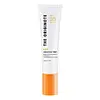
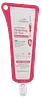
The Originote Daily UV Tint SPF 35 PA+++ Versus Luxe Organix High Protection Perfecting UV Tint Serum Sunscreen SPF 50 PA +++
This hybrid sunscreen covers the full UV range and blocks ~97% of UVB at SPF 35.
This hybrid sunscreen covers the full UV range and blocks ~98% of UVB at SPF 50.


What's inside
What's inside
 Key Ingredients
Benefits
Concerns
Ingredients Side-by-side
Water
Skin ConditioningGlycerin
Humectant


Ethylhexyl Methoxycinnamate
UV Absorber


C12-15 Alkyl Benzoate
AntimicrobialCyclopentasiloxane
Emollient
Lauryl Polyglyceryl-3 Polydimethylsiloxyethyl Dimethicone
Skin Conditioning
Zinc Oxide
Cosmetic Colorant
CI 77891
Cosmetic ColorantCetyl PEG/PPG-10/1 Dimethicone
Emulsifying
Dicaprylyl Carbonate
EmollientBis-Ethylhexyloxyphenol Methoxyphenyl Triazine
UV Absorber
Bis-PEG-18 Methyl Ether Dimethyl Silane
EmollientSodium Hydroxide
BufferingAluminum Starch Octenylsuccinate
Absorbent
Phenyl Trimethicone
Skin Conditioning
Dimethicone
Emollient
Cetyl Dimethicone
Emollient
Diethylamino Hydroxybenzoyl Hexyl Benzoate
UV Filter
Trehalose
Humectant
Vinyl Dimethicone/Methicone Silsesquioxane Crosspolymer
CI 77492
Cosmetic ColorantTriethoxycaprylylsilane
Phenoxyethanol
Preservative
Dimethicone/Vinyl Dimethicone Crosspolymer
Skin Conditioning
Disteardimonium Hectorite
StabilisingHydrogenated Polydecene
EmollientCI 77491
Cosmetic ColorantCI 77499
Cosmetic ColorantAluminum Hydroxide
EmollientEthylhexylglycerin
Skin ConditioningBHT
Antioxidant
Sodium Hyaluronate
Humectant

Tocopherol
Antioxidant


Butylene Glycol
Humectant
Punica Granatum Extract
AstringentWater, Glycerin, Ethylhexyl Methoxycinnamate, C12-15 Alkyl Benzoate, Cyclopentasiloxane, Lauryl Polyglyceryl-3 Polydimethylsiloxyethyl Dimethicone, Zinc Oxide, CI 77891, Cetyl PEG/PPG-10/1 Dimethicone, Dicaprylyl Carbonate, Bis-Ethylhexyloxyphenol Methoxyphenyl Triazine, Bis-PEG-18 Methyl Ether Dimethyl Silane, Sodium Hydroxide, Aluminum Starch Octenylsuccinate, Phenyl Trimethicone, Dimethicone, Cetyl Dimethicone, Diethylamino Hydroxybenzoyl Hexyl Benzoate, Trehalose, Vinyl Dimethicone/Methicone Silsesquioxane Crosspolymer, CI 77492, Triethoxycaprylylsilane, Phenoxyethanol, Dimethicone/Vinyl Dimethicone Crosspolymer, Disteardimonium Hectorite, Hydrogenated Polydecene, CI 77491, CI 77499, Aluminum Hydroxide, Ethylhexylglycerin, BHT, Sodium Hyaluronate, Tocopherol, Butylene Glycol, Punica Granatum Extract
Water
Skin ConditioningCyclopentasiloxane
Emollient
Ethylhexyl Methoxycinnamate
UV Absorber
C12-15 Alkyl Benzoate
AntimicrobialTitanium Dioxide
Cosmetic Colorant
Butylene Glycol
Humectant
4-Methylbenzylidene Camphor
UV Absorber
Glycereth-26
Humectant
Niacinamide
Smoothing




Cetyl PEG/PPG-10/1 Dimethicone
Emulsifying
Methylene Bis-Benzotriazolyl Tetramethylbutylphenol
UV Filter
Caprylic/Capric Triglyceride
Masking
Phenyl Trimethicone
Skin Conditioning
Ascorbic Acid
Antioxidant
Lauryl PEG-9 Polydimethylsiloxyethyl Dimethicone
Skin Conditioning
Disteardimonium Hectorite
StabilisingSodium Chloride
MaskingMethyl Methacrylate Crosspolymer
CI 77492
Cosmetic ColorantDecyl Glucoside
Cleansing
CI 77491
Cosmetic ColorantCI 77499
Cosmetic ColorantDimethicone/Vinyl Dimethicone Crosspolymer
Skin Conditioning
Dimethicone
Emollient
Polyepsilon-Lysine
Skin ConditioningAdenosine
Skin Conditioning
Disodium EDTA
ChelatingTriethoxycaprylylsilane
1,2-Hexanediol
Skin Conditioning
Propylene Glycol
Humectant

Quartz
Abrasive
Xanthan Gum
EmulsifyingSodium Hyaluronate
Humectant
BHT
Antioxidant
Tocopherol
Antioxidant
Hydrolyzed Collagen
Emollient
Centella Asiatica Extract
Cleansing
Pentylene Glycol
Skin Conditioning
Chrysanthemum Indicum Flower Extract
Skin Conditioning
Chrysanthemum Morifolium Flower Extract
Skin ConditioningCamellia Japonica Flower Extract
EmollientPrunus Mume Flower Extract
Skin ConditioningMagnolia Kobus Branch/Flower/Leaf Extract
Skin ConditioningPrunus Serrulata Flower Extract
Skin ConditioningNelumbo Nucifera Flower Extract
Skin ConditioningLonicera Japonica Flower Extract
Skin ConditioningCarthamus Tinctorius Flower Extract
Skin ConditioningLilium Tigrinum Extract
Skin ConditioningSodium Hyaluronate Crosspolymer
Humectant
Hydrolyzed Hyaluronic Acid
Humectant
Hyaluronic Acid
Humectant
Ethylhexylglycerin
Skin ConditioningHydrolyzed Sodium Hyaluronate
Skin Conditioning
Water, Cyclopentasiloxane, Ethylhexyl Methoxycinnamate, C12-15 Alkyl Benzoate, Titanium Dioxide, Butylene Glycol, 4-Methylbenzylidene Camphor, Glycereth-26, Niacinamide, Cetyl PEG/PPG-10/1 Dimethicone, Methylene Bis-Benzotriazolyl Tetramethylbutylphenol, Caprylic/Capric Triglyceride, Phenyl Trimethicone, Ascorbic Acid, Lauryl PEG-9 Polydimethylsiloxyethyl Dimethicone, Disteardimonium Hectorite, Sodium Chloride, Methyl Methacrylate Crosspolymer, CI 77492, Decyl Glucoside, CI 77491, CI 77499, Dimethicone/Vinyl Dimethicone Crosspolymer, Dimethicone, Polyepsilon-Lysine, Adenosine, Disodium EDTA, Triethoxycaprylylsilane, 1,2-Hexanediol, Propylene Glycol, Quartz, Xanthan Gum, Sodium Hyaluronate, BHT, Tocopherol, Hydrolyzed Collagen, Centella Asiatica Extract, Pentylene Glycol, Chrysanthemum Indicum Flower Extract, Chrysanthemum Morifolium Flower Extract, Camellia Japonica Flower Extract, Prunus Mume Flower Extract, Magnolia Kobus Branch/Flower/Leaf Extract, Prunus Serrulata Flower Extract, Nelumbo Nucifera Flower Extract, Lonicera Japonica Flower Extract, Carthamus Tinctorius Flower Extract, Lilium Tigrinum Extract, Sodium Hyaluronate Crosspolymer, Hydrolyzed Hyaluronic Acid, Hyaluronic Acid, Ethylhexylglycerin, Hydrolyzed Sodium Hyaluronate
Reviews
Ingredients Explained
These ingredients are found in both products.
Ingredients higher up in an ingredient list are typically present in a larger amount.
BHT is a synthetic antioxidant and preservative.
As an antioxidant, it helps your body fight off free-radicals. Free-radicals are molecules that may damage your skin cells.
As a preservative, it is used to stabilize products and prevent them from degrading. Specifically, BHT prevents degradation from oxidation.
The concerns related to BHT come from oral studies; this ingredient is currently allowed for use by both the FDA and EU.
However, it was recently restricted for use in the UK as of April 2024.
Learn more about BHTButylene Glycol (or BG) is used within cosmetic products for a few different reasons:
Overall, Butylene Glycol is a safe and well-rounded ingredient that works well with other ingredients.
Though this ingredient works well with most skin types, some people with sensitive skin may experience a reaction such as allergic rashes, closed comedones, or itchiness.
Learn more about Butylene GlycolC12-15 Alkyl Benzoate is a lightweight emollient made by combinig benzoic acid with fatty alcohols that are 12-15 carbons long.
In cosmetics, it plays several roles:
The Cosmetic Review Expert Panel has concluded the alkyl benzoate group to be safe as used in cosmetics; it wasn't found to be a skin irritant and unlikely to be absorbed due to its low water solubility.
This report recorded almost 1000 reported uses with concentrations up to 59% in leave-on products but your cosmetics will typically use 0.5-15% depending on the product.
It's often called a "SPF booster": this is because it keeps UV filters properly dissolved and evenly distributed to support a sunscreen's performance. It doesn't actually raise SPF on its own.
Overall, this ingredient is well tolerated.
This ingredient is fungal acne safe because it is an ester of benzoic acid.
Think of this ingredient as two parts stuck together: an oily part and an acid part. Malassezia only gets a meal when it can snip off a fatty acid to eat. With C12-15 Alkyl Benzoate, the acid part is benzoic acid, which isn't a fatty acid and which the yeast can't use as food.
Benzoic acid is actually used as a preservative to stop yeast from growing.
The oily part is a blend of C12-15 fatty alcohols but fatty alcohols in this size range can support only a little Malassezia growth (mostly for one species of Malassezia as well).
In the ingredient, those alcohols stay locked inside the molecule. The yeast can only reach them by snipping the benzoate bond, and that type of bond is harder for it to cut than a normal fatty bond.
So not much gets released. And whatever does get snipped comes packaged with benzoic acid, which discourages yeast growth.
Learn more about C12-15 Alkyl BenzoateThis ingredient is a silicone-based emulsifer that helps the water and oil phases play nicely together.
It's pretty effective because one end of the molecule loves oil and the other one loves water.
Besides holding formulas together, it also leaves a silky and lightweight feel on skin without the greasiness. A manufacturer also claims it can help with the controlled release of active ingredients.
The CIR Expert Panel found this ingredient to not be sensitizing in concentrations up to 15% in human maximazation testing and dimethicone-based compounds were not comedogenic.
It has a high molecular weight well above 1,000 g/mol which means it limits meaningful skin penetration.
A 2019 study specifically tested this ingredient and found no observable Malassezia growth in its presence.
Learn more about Cetyl PEG/PPG-10/1 DimethiconeCi 77491 is also hydrated iron III oxide. It's sole purpose is to give a red/pink hue to products.
Iron III oxides are classified as inorganic chemicals for coloring.
Synthetically created Ci 77491 is considered safer than those naturally found. This is because the synthetically created version may contain less impurities. Iron oxides are generally non-toxic and non-allergenic.
Learn more about CI 77491CI 77492 is also hydrated iron III oxide. It's sole purpose is to give a yellow hue to products.
Iron III oxides are classified as inorganic chemicals for coloring.
Synthetically created CI 77492 is considered safer than those naturally found. This is because the synthetically created version may contain less impurities. Iron oxides are generally non-toxic and non-allergenic.
Learn more about CI 77492Ci 77499 is also hydrated iron III oxide. It is created from mixing red and black iron oxides. This helps give shades of darkness to a product.
Iron III oxides are classified as inorganic chemicals for coloring.
Cyclopentasiloxane (D5) is a lightweight silicone that mostly acts as an emollient and solvent in cosmetics. Its the reason your products feel silky, fast-spreading, and non-greasy.
Since D5 is volatile, it does its thing and then evaporates off the skin quickly.
The safety profile of this ingredient is reassuring; the US CIR Expert Panel concluded D5 is safe as used in cosmetics and Health Canada concluded that D5 is not harmful to human health or the environment as currently used in cosmetics
There's a study that people mention about D5 in a rat study showing tumors. This study is related to long-term inhalation of high D5 levels.
Regulatory bodies have judged this study to be not applicable in topical skincare since skin absorption of D5 is very low and we're not really inhaling huge amounts of D5.
The only restriction for this ingredient is environmental. The European Chemicals Agency (ECHA) restricted D5 in wash-off cosmetics at or above 0.1% due to their persistence in water.
Learn more about CyclopentasiloxaneDimethicone is a type of synthetic silicone created from natural materials such as quartz. It is also known as polydimethylsiloxane.
What it does:
Dimethicone comes in different viscosities:
Depending on the viscosity, dimethicone has different properties.
Ingredients lists don't always show which type is used, so we recommend reaching out to the brand if you have questions about the viscosity.
This ingredient is unlikely to cause irritation because it does not get absorbed into skin. However, people with silicone allergies should be careful about using this ingredient.
Note: Dimethicone may contribute to pilling. This is because it is not oil or water soluble, so pilling may occur when layered with products. When mixed with heavy oils in a formula, the outcome is also quite greasy.
Learn more about DimethiconeThis ingredient is a silicone elastomer that works as a texture enhancer, adds a silky slip, and also helps absorb excess oil.
Because it's a large macromolecule that's insoluble in water and chemically inert, it's not expected to penetrate or be absorbed into skin.
Human patch tests with a facial lotion containing 1% of this ingredient found no sensitization.
Learn more about Dimethicone/Vinyl Dimethicone CrosspolymerDisteardimonium Hectorite comes from the clay mineral named hectorite. It is used to add thickness to a product.
It can also help stabilize a product by helping to disperse other ingredients.
Hectorite is a rare, white clay mineral.
Learn more about Disteardimonium HectoriteThis ingredient is also known as Octinoxate and is one of the oldest and most widely used chemical UV filters in skincare.
It has a simple job: soap up UVB radiation (290-320 nm), the wavelengths responsible for sunburn and a big chunk of long-term sun damage.
In formulas, it's always paired with a separate UVA filter because octinoxate solely protects skin from UVB.
Because it's an oil-soluble liquid, it's easy to blend into the oil phase of lotions/creams and gives a cosmetically elegant feel.
The one quirk about formulating this ingredient is photostability; the molecule slowly changes shape into a less effective version when sunlight hits it. So the longer you're in the sun, the weaker its protection gets. The drop can be more than 30% in some formulas.
It also doesn't play nice with Avobenzone (the common UVA filter) since avobenzone destabilizes octinoxate and the two degrade each other. But don't worry: brands have solved this issue by adding photostabilizers like Tinosorb S to prevent degradation and keep SPF stable under heavy UV exposure.
The maximum allowed level is 10% in the EU and Australia, 7.5% in the US and Canada, and 20% in Japan.
The Cosmetic Ingredient Review Panel has concluded this ingredient to be safe in cosmetics up to 10%.
One last thing worth knowing for context:
Octinoxate has been the subject of ongoing review in Europe where the Scientific Committee on Consumer Safety's (SCCS) 2025 final opinion is that this ingredient is an endocrine-active substance.
Lab and animal studies suggest it can act a bit like a hormone in the body (mildly mimicking estrogen and slightly blocking male hormones). It's important to know this hasn't really been shown to happen in everyday human use.
This ingredient is also banned in Hawaii over coral reef concerns.
Learn more about Ethylhexyl MethoxycinnamateEthylhexylglycerin is created from glycerin. It is a multitasker ingredient that:
The CIR Expert Panel found minimal skin absorption or sensitization of any kind in a safety assessment. Though this ingredient is considered well-tolerated, a small number of cases of allergic dermatitis have been published since 2002. Just be sure to patch test if you are unsure.
Industry-reported use ranges from 8% in rinse-off products and 2% in leave-on formulations.
Learn more about EthylhexylglycerinPhenyl Trimethicone is a silicon-based polymer. It is derived from silica.
Phenyl Trimethicone is used as an emollient and prevents products from foaming.
As an emollient, it helps trap moisture in the skin. It is considered an occlusive.
Learn more about Phenyl TrimethiconeSodium Hyaluronate is the salt form of hyaluronic acid. It is a long sugar chain that is naturally found in your skin, joints, and connective tissue that maintains hydration and elasticity.
In skincare, it works as a humectant. It pulls water from the environment and deeper layers of skin and binds it to the surface.
Interestingly, the size of the molecule affects its behavior:
Some clinical evidence links low molecular weight versions to improved wrinkle depth, elasticity, anti-inflammatory effects, and barrier repair.
Many serums use a blend of both weights so you can get surface hydration plus longer-lasting and deeper effects.
You'll typically see concentrations between 0.1-2% for this ingredient.
Learn more about Sodium HyaluronateTocopherol is a fat-soluble antioxidant known as Vitamin E.
You'll find this ingredient in the vast majority of skincare (for good reason). It works to neutralize free radicals, or unstable molecules generated by UV exposure, pollution, and other environmental stressors, before they can cause oxidative damage to your skin cells.
Topically applied tocopherol has been shown to protect against UV damage by ramping up the skin's own natural defense enzymes.
It also acts as a skin conditioning agent; some studies show that regular topical use can improve the skin's water-binding capacity over 2-4 weeks.
This ingredient is especially loved for being a team player. When combined with Vitamin C, the photoprotective effect of both ingredients roughly doubles and the combo also helps reduce UV-induced DNA damage.
This ingredient has some brightening potential but it's more of a prevention ingredient than spot-fader. Cell studies show it can slow down melanin production but it's worth noting that it's not the most powerful brightener out there.
In formulations, it also serves as a stabilizer that helps protect other oxidation-prone ingredients from degrading.
Concentrations usually range from 0.1-1% in most leave-on products.
Learn more about TocopherolTriethoxycaprylylsilane is a silicon-based surface modifier that makes sunscreens feel silky and makeup stay put.
Its main job is to coat mineral particles like titanium dioxide, zinc oxide, and color pigments in a thin, oily layer so they spread smoothly, don't clump, and stick to skin better.
This ingredient is typically used at low levels (up to 2.5% in eyeshadow and 1% in lipstick).
Learn more about TriethoxycaprylylsilaneWater. It's the most common cosmetic ingredient of all. You'll usually see it at the top of ingredient lists, meaning that it makes up the largest part of the product.
So why is it so popular? Water most often acts as a solvent - this means that it helps dissolve other ingredients into the formulation.
You'll also recognize water as that liquid we all need to stay alive. If you see this, drink a glass of water. Remember to stay hydrated!
Learn more about Water

