
What's inside
What's inside
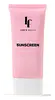 Key Ingredients
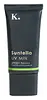
Benefits
Concerns
Ingredients Side-by-side
Water
Skin ConditioningGlycerin
Humectant


Coco-Caprylate/Caprate
Emollient
Sodium Acrylates Copolymer
Butyl Methoxydibenzoylmethane
UV Absorber
Ethylhexyl Methoxycinnamate
UV Absorber

Polymethylsilsesquioxane

Phenyl Methicone
Emollient
Hyaluronic Acid
Humectant

Tetrasodium EDTA
Allantoin
Skin Conditioning

Lecithin
Emollient
Octocrylene
UV Absorber
Phospholipids
Skin Conditioning
Butylene Glycol
Humectant
Isononyl Isononanoate
EmollientCaprylic/Capric Triglyceride
Masking
Hydrogenated Lecithin
Emulsifying
Cholesterol
Emollient
Bisabolol
Antioxidant
Silanetriol
Tocopheryl Acetate
Antioxidant

Hydrogenated Polydecene
EmollientHydroxystearic Acid
Cleansing
Sodium Polyacryloyldimethyl Taurate
Emulsion StabilisingTrideceth-10
CleansingCyclopentasiloxane
Emollient
Dimethicone/Vinyl Dimethicone Crosspolymer
Skin Conditioning
Pentylene Glycol
Skin Conditioning
1,2-Hexanediol
Skin Conditioning
Propylene Glycol
Humectant
Phenoxyethanol
Preservative
Sodium Benzoate
Masking
Parfum
Masking

Ethylhexylglycerin
Skin ConditioningTrehalose
Humectant
Centella Asiatica Extract
Cleansing
Honey Extract
Humectant
Ophiopogon Japonicus Root Extract
Skin ConditioningOpuntia Ficus-Indica Stem Extract
Skin Conditioning
Helianthus Annuus Sprout Extract
Skin ConditioningCaesalpinia Spinosa Fruit Pod Extract
Sophora Flavescens Root Extract
Antioxidant
Water, Glycerin, Coco-Caprylate/Caprate, Sodium Acrylates Copolymer, Butyl Methoxydibenzoylmethane, Ethylhexyl Methoxycinnamate, Polymethylsilsesquioxane, Phenyl Methicone, Hyaluronic Acid, Tetrasodium EDTA, Allantoin, Lecithin, Octocrylene, Phospholipids, Butylene Glycol, Isononyl Isononanoate, Caprylic/Capric Triglyceride, Hydrogenated Lecithin, Cholesterol, Bisabolol, Silanetriol, Tocopheryl Acetate, Hydrogenated Polydecene, Hydroxystearic Acid, Sodium Polyacryloyldimethyl Taurate, Trideceth-10, Cyclopentasiloxane, Dimethicone/Vinyl Dimethicone Crosspolymer, Pentylene Glycol, 1,2-Hexanediol, Propylene Glycol, Phenoxyethanol, Sodium Benzoate, Parfum, Ethylhexylglycerin, Trehalose, Centella Asiatica Extract, Honey Extract, Ophiopogon Japonicus Root Extract, Opuntia Ficus-Indica Stem Extract, Helianthus Annuus Sprout Extract, Caesalpinia Spinosa Fruit Pod Extract, Sophora Flavescens Root Extract
Water
Skin ConditioningGlycerin
Humectant
Dibutyl Adipate
EmollientDipropylene Glycol
HumectantButyloctyl Salicylate
Skin Conditioning
CI 77891
Cosmetic ColorantIsononyl Isononanoate
EmollientPolyglyceryl-6 Stearate
Emollient
Niacinamide
Smoothing




Diethylamino Hydroxybenzoyl Hexyl Benzoate
UV Filter
Phenethyl Benzoate
Emollient
1,2-Hexanediol
Skin Conditioning
Bis-Ethylhexyloxyphenol Methoxyphenyl Triazine
Skin Conditioning
Ethylhexyl Triazone
UV Absorber
Polysilicone-15
UV Filter
Terephthalylidene Dicamphor Sulfonic Acid
UV Absorber
Zinc Oxide
Cosmetic Colorant
Synthetic Fluorphlogopite
Polyglyceryl-3 Distearate
Emulsifying
Potassium Cetyl Phosphate
EmulsifyingPolyhydroxystearic Acid
Emulsifying
Centella Asiatica Extract
Cleansing
Tromethamine
BufferingSodium Acrylates Crosspolymer-2
AbsorbentHydroxyethyl Acrylate/Sodium Acryloyldimethyl Taurate Copolymer
Emulsion StabilisingCaprylic/Capric Triglyceride
Masking
Aluminum Hydroxide
EmollientAcrylates/C10-30 Alkyl Acrylate Crosspolymer
Emulsion StabilisingHydroxyacetophenone
Antioxidant
Stearic Acid
Cleansing
Polyglyceryl-6 Behenate
Emulsion Stabilising
Hydrogenated Poly(C6-20 Olefin)
Abrasive
Allantoin
Skin Conditioning
Polyglyceryl-2 Dipolyhydroxystearate
Skin Conditioning
Glyceryl Stearate Citrate
Emollient
Adenosine
Skin Conditioning
Trisodium Ethylenediamine Disuccinate
Hdi/Trimethylol Hexyllactone Crosspolymer
Dimethicone
Emollient
Silica
Abrasive
Panthenol
Skin Conditioning
Hydrogenated Lecithin
Emulsifying
Ceramide NP
Skin Conditioning
Water, Glycerin, Dibutyl Adipate, Dipropylene Glycol, Butyloctyl Salicylate, CI 77891, Isononyl Isononanoate, Polyglyceryl-6 Stearate, Niacinamide, Diethylamino Hydroxybenzoyl Hexyl Benzoate, Phenethyl Benzoate, 1,2-Hexanediol, Bis-Ethylhexyloxyphenol Methoxyphenyl Triazine, Ethylhexyl Triazone, Polysilicone-15, Terephthalylidene Dicamphor Sulfonic Acid, Zinc Oxide, Synthetic Fluorphlogopite, Polyglyceryl-3 Distearate, Potassium Cetyl Phosphate, Polyhydroxystearic Acid, Centella Asiatica Extract, Tromethamine, Sodium Acrylates Crosspolymer-2, Hydroxyethyl Acrylate/Sodium Acryloyldimethyl Taurate Copolymer, Caprylic/Capric Triglyceride, Aluminum Hydroxide, Acrylates/C10-30 Alkyl Acrylate Crosspolymer, Hydroxyacetophenone, Stearic Acid, Polyglyceryl-6 Behenate, Hydrogenated Poly(C6-20 Olefin), Allantoin, Polyglyceryl-2 Dipolyhydroxystearate, Glyceryl Stearate Citrate, Adenosine, Trisodium Ethylenediamine Disuccinate, Hdi/Trimethylol Hexyllactone Crosspolymer, Dimethicone, Silica, Panthenol, Hydrogenated Lecithin, Ceramide NP
Reviews
Ingredients Explained
These ingredients are found in both products.
Ingredients higher up in an ingredient list are typically present in a larger amount.
1,2-Hexanediol is a synthetic liquid and another multi-functional powerhouse.
It is a:
- Humectant, drawing moisture into the skin
- Emollient, helping to soften skin
- Solvent, dispersing and stabilizing formulas
- Preservative booster, enhancing the antimicrobial activity of other preservatives
Allantoin is a soothing ingredient known for its protective and moisturizing properties; it's basically a quiet workhorse ingredient you can find in a huge range of cosmetics.
Though it can be derived from the comfrey plant, allantoin is produced synthetically for cosmetic products to ensure purity.
Research shows it can encourage your skin cells to turn over and renew by stimulating keratinocyte and fibroblast proliferation.
It also has mild keratolytic properties to help loosen and shed dead skin cells without being harsh.
Studies also suggest allantoin can help calm inflammation by dialing down some of the chemical signals your skin sends out when it is irritated.
This ingredient is typically used in the 0.1-0.5% range, and the FDA recognizes it as a skin protectant in OTC products up to 2%.
Overall, allantoin is a wonderful addition to most routines; it is stable across a wide pH range (~4-8), works well with other ingredients, and is considered non-sensitizing/non-irritating.
Fun fact: Allantoin is naturally occurring in comfrey root, beets, chamomile, and wheat sprouts. Our bodies even produce it as a byproduct of uric acid metabolism.
Learn more about AllantoinCaprylic/Capric Triglyceride (aka MCT Oil) is a lightweight emollient, solvent, and texture enhancer. It is considered a skin-softener by helping to prevent moisture loss.
Though it behaves like an oil, it is not technically one due to its chemical composition. One perk of this ingredient is that it is very stable, resistant to oxidation, and unlikely to go rancid.
In practice, that translates to a long shelf life and a consistently elegant skin feel.
While there is an assumption Caprylic Triglyceride can clog pores due to it being derived from coconut oil, there is no research supporting this. Just patch test if you have concerns.
Fractionated coconut oil and MCT Oil are both listed as Caprylic/Capric Triglyceride according to INCI. This is because INCI names are based on the ingredient’s final chemical composition and not its marketing name or source.
This ingredient is treated as the gold standard fungal acne safe oil. Even though it is coconut derived, the problematic lauric acid is stripped out.
This leaves just caprylic (C8) and capric (C10) acid. These chain lengths actually trend antifungal; a 2020 study found caprylic acid was enough to disrupt Malassezia furfur cell membrane, with a caprylic acid derivative damaging membrane structures at concentrations as low as 0.2%.
Learn more about Caprylic/Capric TriglycerideCentella Asiatica Extract (Centella) is derived from an herb native to Southeast Asia. It is famous for its anti-inflammatory and soothing properties.
Centella is rich in antioxidants and amino acids, such as Madecassic Acid and Asiaticoside.
Studies show the compounds in centella help with:
The combination of all these properties makes centella effective at soothing, hydrating, and protecting the skin.
Other great components of centella include Vitamin A, vitamin C, several B vitamins, and Asiatic Acid.
Fun fact: Centella has been used as a medicine and in food for many centuries. As a medicine, it is used to treat burns, scratches, and wounds.
Learn more about Centella Asiatica ExtractGlycerin (or glycerol) is a compound naturally found in your skin. It's a powerhouse humectant that pulls water into the stratum corneum.
Topically, glycerin does several things at once:
Your skin makes glycerin on its own (mostly from sebaceous oil breakdown) and shuttles it to your outermost layer of skin, or your epidermis, via aquaporin-3.
Aquaporin-3 is a transporter that is essential for normal skin hydration, elasticity, and repair. Interestingly, mice lacking in AQP3 have dry and less elastic skin that can be fully corrected with glycerin.
This ingredient is non-irritating, plays well with almost every ingredient, and works across all skin types. Typical use is anywhere between 3-10% but can go up to 79% in some leave-on products.
Just know very high concentrations (>40%) can feel tacky in low humidity.
Glycerin is the name for this ingredient in American English. British English uses Glycerol/Glycerine.
Learn more about GlycerinHydrogenated Lecithin is a more stable version of lecithin.
It's made by taking lecithin (a phospholipid commonly found in soybeans and egg yolks) and hydrogenating it. This just means the unsaturated fatty acids are turned into saturated ones so they don't go bad as easily.
This ingredient is an emollient, emulsifier, and penetration enhancer. As an emollient, it helps soften and hydrate skin by trapping moisture within. As an emulsifier, it prevents oil and water ingredients from separating.
Hydrogenated Lecithin can form tiny spherical structures made of phospholipid bilayers called liposomes. These liposomes are able to capture compounds inside their structure and deliver them through the skin barrier.
Because phospholipids are a natural component of our cell membranes, this ingredient is inherently compatible with skin.
A 2021 study found lecithin-based surfactants were less harsh and more tolerable comared to Sodium Lauryl Sulfate (SLS).
Learn more about Hydrogenated LecithinIsononyl Isononanoate is a synthetic skin-conditioner and texture enhancer. It is created from nonanoic acid, a fatty acid found in cocoa and lavender oil.
As an emollient, Isononyl Isononanoate helps keep your skin soft and smooth. This is because emollients create a barrier on the skin to trap moisture in.
Isononyl Isononanoate helps give products a velvet feel and improves spreadability.
Learn more about Isononyl IsononanoateWater. It's the most common cosmetic ingredient of all. You'll usually see it at the top of ingredient lists, meaning that it makes up the largest part of the product.
So why is it so popular? Water most often acts as a solvent - this means that it helps dissolve other ingredients into the formulation.
You'll also recognize water as that liquid we all need to stay alive. If you see this, drink a glass of water. Remember to stay hydrated!
Learn more about Water

