Live Tinted SUPERHUE Hyperpigmentation Serum Stick Versus Dr. Dennis Gross Skincare Vitamin C Lactic Dewy Deep Cream
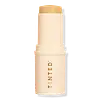
This brightening serum is formulated around Niacinamide and Bakuchiol to fade the look of dark spots and refine skin texture.
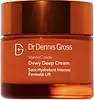
This brightening moisturizer is formulated around 3-O-Ethyl Ascorbic Acid and Niacinamide to brighten dull-looking skin and refine skin texture.

What's inside
What's inside
 Key Ingredients
Benefits
Concerns
Ingredients Side-by-side
Water
Skin ConditioningC13-15 Alkane
SolventCocoglycerides
Emollient


Helianthus Annuus Seed Wax
Skin Conditioning
Acrylates Crosspolymer
AbsorbentButylene Glycol
Humectant

Niacinamide
Smoothing










Polyhydroxystearic Acid
Emulsifying
Polyglyceryl-4 Oleate
Emulsifying
Cetearyl Olivate
Bakuchiol
Antimicrobial

Bis-Behenyl/Isostearyl/Phytosteryl Dimer Dilinoleyl Dimer Dilinoleate
EmollientSalix Alba Bark Extract
Astringent
Tetrahexyldecyl Ascorbate
Antioxidant
Polyglyceryl-6 Oleate
Emulsifying
Sorbitan Olivate
Emulsifying
Glycolic Acid
Buffering


Gluconolactone
Chelating
Tocopherol
Antioxidant
Octyldodecanol
Emollient
Potassium Hydroxide
BufferingSodium Benzoate
Masking
Lactobacillus/Lemon Peel Ferment Extract
Skin ConditioningCI 77492
Cosmetic ColorantSodium PCA
Humectant
Glycerin
Humectant
Sodium Phytate
ChelatingCI 77491
Cosmetic ColorantGlycyrrhiza Glabra Root Extract
Bleaching
Cetyl Tranexamate Mesylate
Calcium Gluconate
HumectantLeuconostoc/Radish Root Ferment Filtrate
Antimicrobial
Pentylene Glycol
Skin Conditioning
Sodium Acetylated Hyaluronate
Humectant
Sodium Hyaluronate
Humectant
Sodium Hyaluronate Crosspolymer
Humectant
Hydrolyzed Sodium Hyaluronate
Skin Conditioning
Ethylhexylglycerin
Skin ConditioningWater, C13-15 Alkane, Cocoglycerides, Helianthus Annuus Seed Wax, Acrylates Crosspolymer, Butylene Glycol, Niacinamide, Polyhydroxystearic Acid, Polyglyceryl-4 Oleate, Cetearyl Olivate, Bakuchiol, Bis-Behenyl/Isostearyl/Phytosteryl Dimer Dilinoleyl Dimer Dilinoleate, Salix Alba Bark Extract, Tetrahexyldecyl Ascorbate, Polyglyceryl-6 Oleate, Sorbitan Olivate, Glycolic Acid, Gluconolactone, Tocopherol, Octyldodecanol, Potassium Hydroxide, Sodium Benzoate, Lactobacillus/Lemon Peel Ferment Extract, CI 77492, Sodium PCA, Glycerin, Sodium Phytate, CI 77491, Glycyrrhiza Glabra Root Extract, Cetyl Tranexamate Mesylate, Calcium Gluconate, Leuconostoc/Radish Root Ferment Filtrate, Pentylene Glycol, Sodium Acetylated Hyaluronate, Sodium Hyaluronate, Sodium Hyaluronate Crosspolymer, Hydrolyzed Sodium Hyaluronate, Ethylhexylglycerin
3-O-Ethyl Ascorbic Acid
Skin Conditioning
Niacinamide
Smoothing
Squalane
Emollient
Water
Skin ConditioningGlycerin
Humectant
Butylene Glycol
Humectant
Camellia Japonica Seed Oil
Emollient
Oryza Sativa Bran Oil
Emollient
Dimethicone
Emollient
Sucrose
Humectant
Pentylene Glycol
Skin Conditioning
Helianthus Annuus Seed Oil
Emollient
Hydroxyethyl Acrylate/Sodium Acryloyldimethyl Taurate Copolymer
Emulsion StabilisingLactic Acid
Buffering
Dipotassium Glycyrrhizate
Humectant
Ceramide NP
Skin Conditioning
Saccharide Isomerate
Humectant
Superoxide Dismutase
Antioxidant
Ubiquinone
Antioxidant
Undaria Pinnatifida Extract
Skin ConditioningAloe Barbadensis Leaf Juice
Skin Conditioning
Adenosine
Skin Conditioning
Collagen Amino Acids
Moisturising
Hydroxyproline
Skin ConditioningAcetyl Hexapeptide-8
Humectant
Leuconostoc/Radish Root Ferment Filtrate
Antimicrobial
Glycolic Acid
Buffering
Carnitine
Cleansing
Glycine
Buffering
Carnitine Hcl
HumectantLactobacillus Ferment
Skin Conditioning
1,2-Hexanediol
Skin Conditioning
Caprylyl Glycol
Emollient
Caprylic/Capric Triglyceride
Masking
Hydrogenated Lecithin
Emulsifying
Lecithin
Emollient
Maltodextrin
Absorbent
Hydroxyethylcellulose
Emulsion StabilisingPolysorbate 60
Emulsifying
Carbomer
Emulsion StabilisingAmmonium Hydroxide
BufferingPotassium Hydroxide
BufferingSodium Phytate
ChelatingCamellia Sinensis Leaf Extract
Antimicrobial
Cucumis Sativus Fruit Extract
Emollient
Triethyl Citrate
Masking

Lavandula Angustifolia Flower/Leaf/Stem Extract
Masking
Elettaria Cardamomum Seed Extract
Perfuming
Pyrus Malus Fruit Extract
Skin Conditioning
Rubus Idaeus Fruit Extract
AstringentCananga Odorata Flower Extract
Perfuming
Citrus Aurantium Bergamia Fruit Extract
Skin ConditioningCitrus Aurantium Amara Flower Extract
RefreshingCoffea Arabica Seed Extract
Masking
Cucumis Melo Fruit Extract
Skin ConditioningCupressus Sempervirens Leaf/Stem Extract
Skin ConditioningFucus Vesiculosus Extract
Emollient
Jasminum Officinale Flower Extract
Masking
Rose Extract
Skin ConditioningRosmarinus Officinalis Leaf Extract
AntimicrobialSalvia Officinalis Leaf Extract
CleansingSantalum Album Wood Extract
Perfuming
Phenoxyethanol
Preservative
Potassium Sorbate
Preservative
3-O-Ethyl Ascorbic Acid, Niacinamide, Squalane, Water, Glycerin, Butylene Glycol, Camellia Japonica Seed Oil, Oryza Sativa Bran Oil, Dimethicone, Sucrose, Pentylene Glycol, Helianthus Annuus Seed Oil, Hydroxyethyl Acrylate/Sodium Acryloyldimethyl Taurate Copolymer, Lactic Acid, Dipotassium Glycyrrhizate, Ceramide NP, Saccharide Isomerate, Superoxide Dismutase, Ubiquinone, Undaria Pinnatifida Extract, Aloe Barbadensis Leaf Juice, Adenosine, Collagen Amino Acids, Hydroxyproline, Acetyl Hexapeptide-8, Leuconostoc/Radish Root Ferment Filtrate, Glycolic Acid, Carnitine, Glycine, Carnitine Hcl, Lactobacillus Ferment, 1,2-Hexanediol, Caprylyl Glycol, Caprylic/Capric Triglyceride, Hydrogenated Lecithin, Lecithin, Maltodextrin, Hydroxyethylcellulose, Polysorbate 60, Carbomer, Ammonium Hydroxide, Potassium Hydroxide, Sodium Phytate, Camellia Sinensis Leaf Extract, Cucumis Sativus Fruit Extract, Triethyl Citrate, Lavandula Angustifolia Flower/Leaf/Stem Extract, Elettaria Cardamomum Seed Extract, Pyrus Malus Fruit Extract, Rubus Idaeus Fruit Extract, Cananga Odorata Flower Extract, Citrus Aurantium Bergamia Fruit Extract, Citrus Aurantium Amara Flower Extract, Coffea Arabica Seed Extract, Cucumis Melo Fruit Extract, Cupressus Sempervirens Leaf/Stem Extract, Fucus Vesiculosus Extract, Jasminum Officinale Flower Extract, Rose Extract, Rosmarinus Officinalis Leaf Extract, Salvia Officinalis Leaf Extract, Santalum Album Wood Extract, Phenoxyethanol, Potassium Sorbate
Reviews
Ingredients Explained
These ingredients are found in both products.
Ingredients higher up in an ingredient list are typically present in a larger amount.
Butylene Glycol (or BG) is used within cosmetic products for a few different reasons:
Overall, Butylene Glycol is a safe and well-rounded ingredient that works well with other ingredients.
Though this ingredient works well with most skin types, some people with sensitive skin may experience a reaction such as allergic rashes, closed comedones, or itchiness.
Learn more about Butylene GlycolGlycerin (or glycerol) is a compound naturally found in your skin. It's a powerhouse humectant that pulls water into the stratum corneum.
Topically, glycerin does several things at once:
Your skin makes glycerin on its own (mostly from sebaceous oil breakdown) and shuttles it to your outermost layer of skin, or your epidermis, via aquaporin-3.
Aquaporin-3 is a transporter that is essential for normal skin hydration, elasticity, and repair. Interestingly, mice lacking in AQP3 have dry and less elastic skin that can be fully corrected with glycerin.
This ingredient is non-irritating, plays well with almost every ingredient, and works across all skin types. Typical use is anywhere between 3-10% but can go up to 79% in some leave-on products.
Just know very high concentrations (>40%) can feel tacky in low humidity.
Glycerin is the name for this ingredient in American English. British English uses Glycerol/Glycerine.
Learn more about GlycerinGlycolic Acid is arguably the most famous alpha hydroxy acid (AHA) with tons of research backing its benefits.
It is found naturally in sugar cane but the form used in skincare is usually synthetic for purity and stability.
Glycolic acid removes the top layer of dead skin cells to allow newer and fresher ones to emerge.
AHAs work by breaking down the structural “glue” that holds old skin cells in place. When that buildup is gone, your skin can renew itself more efficiently.
Research also shows glycolic acid stimulates collagen production, helping to firm and thicken the skin over time. This is one of its biggest advantages over other AHAs.
Overall, glycolic acid helps with:
Fun fact: Glycolic acid boosts skin hydration by helping it produce molecules that increase hyaluronic acid naturally.
To work best, glycolic acid products should have a pH between 3-4 (that’s where exfoliation is most effective but still gentle on skin).
The pH and concentration of a product are key to its effectiveness:
It is normal to feel a slight stinging sensation when using glycolic acid. This usually fades as your skin adjusts.
Because glycolic acid has the smallest molecular size in the AHA family, it can penetrate deeper, which enhances its effectiveness but also makes it more likely to irritate sensitive skin.
If your skin is very sensitive or prone to rosacea, glycolic acid may be too strong; in that case, try milder options like lactic acid or a PHA instead.
Recent studies suggest glycolic acid might even help protect against UV damage. But don’t skip sunscreen! Freshly exfoliated skin is more sensitive to the sun.
Glycolic acid is a skincare superstar. It smooths, brightens, hydrates, and firms the skin. Unless you’re highly sensitive, it’s well worth adding to your routine.
Read more about some other popular AHA's here:
Learn more about Glycolic AcidLeuconostoc/Radish Root Ferment Filtrate is a natural preservative. It comes from fermenting radish roots with a bacteria called leuconostoc. The trade name for this ingredient is Leucidal.
Leuconostoc comes from lactic acid.
This ingredient has antimicrobial properties and helps prevent the growth of bacteria in a product.
Leuconostoc is used to make the traditional Korean side-dish, kimchi. It is also used to make sourdough bread (both incredibly yummy foods).
Learn more about Leuconostoc/Radish Root Ferment FiltrateNiacinamide is a multitasking form of vitamin B3 that strengthens the skin barrier, reduces pores and dark spots, regulates oil, and improves signs of aging.
And the best part? It's gentle and well-tolerated by most skin types, including sensitive and reactive skin.
You might have heard of "niacin flush", or the reddening of skin that causes itchiness. Niacinamide has not been found to cause this.
In very rare cases, some individuals may not be able to tolerate niacinamide at all or experience an allergic reaction to it.
If you are experiencing flaking, irritation, and dryness with this ingredient, be sure to double check all your products as this ingredient can be found in all categories of skincare.
When incorporating niacinamide into your routine, look out for concentration amounts. Typically, 5% niacinamide provides benefits such as fading dark spots. However, if you have sensitive skin, it is better to begin with a smaller concentration.
When you apply niacinamide to your skin, your body converts it into nicotinamide adenine dinucleotide (NAD). NAD is an essential coenzyme that is already found in your cells as "fuel" and powers countless biological processes.
In your skin, NAD helps repair cell damage, produce new healthy cells, support collagen production, strengthen the skin barrier, and fight environmental stressors (like UV and pollution).
Our natural NAD levels start to decline with age, leading to slower skin repair, visible aging, and a weaker skin barrier. By providing your skin niacinamide, you're recharging your skin's NAD levels. This leads to stronger, healthier, and younger looking skin.
Another name for vitamin B3 is nicotinamide. This vitamin is water-soluble and our bodies don't store it. We obtain Vitamin B3 from either food or skincare. Meat, fish, wheat, yeast, and leafy greens contain vitamin B3.
The type of niacinamide used in skincare is synthetically created.
Learn more about NiacinamidePentylene Glycol (1,2-pentanediol) is a multitasking little diol with three main roles in a formula:
Research on alkanediols (the family pentylene glycol belongs to) show they work by disrupting microbial cell membranes. This disruption helps the primary preservative system in a product work more effectively at lower doses.
On the safety side, the Cosmetic Ingredient Review Expert Panel has concluded this ingredient to be safe as used in current cosmetic practices + concentrations.
Typical use levels in a formula run about 1-5%.
Learn more about Pentylene GlycolPotassium Hydroxide (also known as potash) is a strong alkaline ingredient that does one job: it nudges a product's pH up so the whole formula lands in a skin-friendly range.
It's also the base that turns oils into liquid soap during the soap making process.
An expert safety panel reviewed it and found it safe when formulations are made to be non-irritating.
As a pH adjuster, it's typically used well under 1% though regulatory caps go much higher: 5% in nail cuticle removers and 2-4.5% in hair straighteners.
Though there is some concern for irritation from raw or high pH material, a well-balanced formula will be a non-issue for the vast majority of people.
Learn more about Potassium HydroxideSodium Phytate is the sodium salt of Phytic acid, a compound that plants store phosphorus in. It's the plant-derived alternative to ingredients like Disodium EDTA.
In skincare, this ingredient is a chelator that grabs onto trace metal ions like iron and copper that sneak into formulas through water/raw materials.
Those metals speed up oxidation so binding them keeps oils, fragrance, and actives from going off, stops color changes, and helps the preservative system work harder.
Survey data shows usage levels range from 0.0099%-0.5% in leave-on products, 0.025%-0.3% in rinse-off, and up to 0.05% in eye-area products. Suppliers typically recommend a range between 0.05-0.5%.
Learn more about Sodium PhytateWater. It's the most common cosmetic ingredient of all. You'll usually see it at the top of ingredient lists, meaning that it makes up the largest part of the product.
So why is it so popular? Water most often acts as a solvent - this means that it helps dissolve other ingredients into the formulation.
You'll also recognize water as that liquid we all need to stay alive. If you see this, drink a glass of water. Remember to stay hydrated!
Learn more about Water

