

What's inside
What's inside
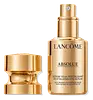 Key Ingredients
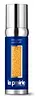
Benefits
Concerns
Ingredients Side-by-side
Water
Skin ConditioningPropanediol
Solvent

Bifida Ferment Lysate
Skin Conditioning

Glycerin
Humectant
Alcohol Denat.
Antimicrobial




Bis-PEG-18 Methyl Ether Dimethyl Silane
EmollientDimethicone
Emollient
PEG-20
HumectantAcacia Senegal Gum
MaskingPEG/PPG/Polybutylene Glycol-8/5/3 Glycerin
HumectantLimnanthes Alba Seed Oil
Skin Conditioning

Vinyl Dimethicone/Methicone Silsesquioxane Crosspolymer

Hydroxyethylpiperazine Ethane Sulfonic Acid
BufferingCI 77891
Cosmetic ColorantMica
Cosmetic ColorantHydroxypropyl Tetrahydropyrantriol
Skin ConditioningHydrogenated Lecithin
Emulsifying
Sodium Hyaluronate
Humectant

Sodium Benzoate
Masking
Sodium Hydroxide
BufferingHydrolyzed Linseed Extract
Skin ConditioningPhenoxyethanol
Preservative
Adenosine
Skin Conditioning
Caffeine
Skin Conditioning
PPG-3 Myristyl Ether
EmollientSilica
Abrasive

Chlorella Vulgaris Extract
Skin ConditioningDimethicone/Vinyl Dimethicone Crosspolymer
Skin Conditioning
Ammonium Polyacryloyldimethyl Taurate
Emulsion StabilisingXanthan Gum
EmulsifyingPanthenol
Skin Conditioning
Pentylene Glycol
Skin Conditioning
Propylene Glycol
Humectant
Caprylyl Glycol
Emollient
Carbomer
Emulsion StabilisingGeraniol
Perfuming

Jasminum Officinale Flower Extract
Masking
Rosa Damascena Flower Oil
Masking
Rosa Centifolia Flower Extract
Astringent
BHT
Antioxidant
Citronellol
Perfuming
Water, Propanediol, Bifida Ferment Lysate, Glycerin, Alcohol Denat., Bis-PEG-18 Methyl Ether Dimethyl Silane, Dimethicone, PEG-20, Acacia Senegal Gum, PEG/PPG/Polybutylene Glycol-8/5/3 Glycerin, Limnanthes Alba Seed Oil, Vinyl Dimethicone/Methicone Silsesquioxane Crosspolymer, Hydroxyethylpiperazine Ethane Sulfonic Acid, CI 77891, Mica, Hydroxypropyl Tetrahydropyrantriol, Hydrogenated Lecithin, Sodium Hyaluronate, Sodium Benzoate, Sodium Hydroxide, Hydrolyzed Linseed Extract, Phenoxyethanol, Adenosine, Caffeine, PPG-3 Myristyl Ether, Silica, Chlorella Vulgaris Extract, Dimethicone/Vinyl Dimethicone Crosspolymer, Ammonium Polyacryloyldimethyl Taurate, Xanthan Gum, Panthenol, Pentylene Glycol, Propylene Glycol, Caprylyl Glycol, Carbomer, Geraniol, Jasminum Officinale Flower Extract, Rosa Damascena Flower Oil, Rosa Centifolia Flower Extract, BHT, Citronellol
Water
Skin ConditioningSodium Citrate
BufferingGlycerin
Humectant
Sd Alcohol 40-B
Astringent
Caprylic/Capric/Succinic Triglyceride
EmollientPropylheptyl Caprylate
EmollientUndecane
EmollientAlcohol
Antimicrobial
Glycoproteins
Skin Conditioning
Panax Ginseng Root Extract
Emollient
Equisetum Arvense Extract
AstringentCaviar Extract
Skin ConditioningCaviar Oil
Emollient
Pullulan
Sodium Hyaluronate
Humectant
Lactobacillus Ferment
Skin Conditioning
Avena Sativa Kernel Extract
Abrasive
Caulerpa Lentillifera Extract
Acmella Oleracea Extract
Skin ProtectingPaeonia Albiflora Root Extract
Skin ConditioningSaccharomyces Cerevisiae Extract
Skin Conditioning
Sodium Dna
Skin Conditioning
Rna
Skin ConditioningHydrolyzed Rice Bran Protein
Skin ConditioningPalmitoyl Tripeptide-1
Skin Conditioning

Palmitoyl Tetrapeptide-7
Skin Conditioning
Tetrapeptide-3
Skin Conditioning
Ceramide NP
Skin Conditioning
Tocopherol
Antioxidant


Helianthus Annuus Seed Oil
Emollient
Caprylic/Capric Triglyceride
Masking
Glycine Soja Oil
Emollient

Pentylene Glycol
Skin Conditioning
Propanediol
Solvent
Butylene Glycol
Humectant
Propylene Glycol
Humectant
Silica
Abrasive
Dimethicone
Emollient
Tridecane
Perfuming
Arachidyl Alcohol
Emollient
Sodium Stearoyl Glutamate
CleansingBehenyl Alcohol
Emollient
Xanthan Gum
EmulsifyingArachidyl Glucoside
EmulsifyingHydroxyethylcellulose
Emulsion StabilisingDimethicone Crosspolymer
Emulsion Stabilising
Polysilicone-11
Carrageenan
Polyglyceryl-10 Stearate
Skin Conditioning
Algin
Masking
Sodium Lactate
Buffering
Mica
Cosmetic ColorantCarbomer
Emulsion StabilisingCoco-Glucoside
Cleansing
Hydrogenated Lecithin
Emulsifying
Sucrose Stearate
EmollientAlcaligenes Polysaccharides
EmollientGlycine
Buffering
Polysorbate 80
Emulsifying
Synthetic Fluorphlogopite
Sodium Lauryl Sulfate
Cleansing
Sodium Oleate
CleansingTin Oxide
Abrasive
Ethylhexylglycerin
Skin ConditioningSodium Hydroxide
BufferingHydroxyethylpiperazine Ethane Sulfonic Acid
BufferingDisodium EDTA
Parfum
Masking
Linalool
Perfuming
Benzyl Salicylate
Perfuming
Citronellol
Perfuming
Geraniol
Perfuming
Alpha-Isomethyl Ionone
Perfuming
Limonene
Perfuming
Phenoxyethanol
Preservative
Phenethyl Alcohol
MaskingSodium Dehydroacetate
Preservative
CI 77891
Cosmetic ColorantCI 77491
Cosmetic ColorantWater, Sodium Citrate, Glycerin, Sd Alcohol 40-B, Caprylic/Capric/Succinic Triglyceride, Propylheptyl Caprylate, Undecane, Alcohol, Glycoproteins, Panax Ginseng Root Extract, Equisetum Arvense Extract, Caviar Extract, Caviar Oil, Pullulan, Sodium Hyaluronate, Lactobacillus Ferment, Avena Sativa Kernel Extract, Caulerpa Lentillifera Extract, Acmella Oleracea Extract, Paeonia Albiflora Root Extract, Saccharomyces Cerevisiae Extract, Sodium Dna, Rna, Hydrolyzed Rice Bran Protein, Palmitoyl Tripeptide-1, Palmitoyl Tetrapeptide-7, Tetrapeptide-3, Ceramide NP, Tocopherol, Helianthus Annuus Seed Oil, Caprylic/Capric Triglyceride, Glycine Soja Oil, Pentylene Glycol, Propanediol, Butylene Glycol, Propylene Glycol, Silica, Dimethicone, Tridecane, Arachidyl Alcohol, Sodium Stearoyl Glutamate, Behenyl Alcohol, Xanthan Gum, Arachidyl Glucoside, Hydroxyethylcellulose, Dimethicone Crosspolymer, Polysilicone-11, Carrageenan, Polyglyceryl-10 Stearate, Algin, Sodium Lactate, Mica, Carbomer, Coco-Glucoside, Hydrogenated Lecithin, Sucrose Stearate, Alcaligenes Polysaccharides, Glycine, Polysorbate 80, Synthetic Fluorphlogopite, Sodium Lauryl Sulfate, Sodium Oleate, Tin Oxide, Ethylhexylglycerin, Sodium Hydroxide, Hydroxyethylpiperazine Ethane Sulfonic Acid, Disodium EDTA, Parfum, Linalool, Benzyl Salicylate, Citronellol, Geraniol, Alpha-Isomethyl Ionone, Limonene, Phenoxyethanol, Phenethyl Alcohol, Sodium Dehydroacetate, CI 77891, CI 77491
Reviews
Ingredients Explained
These ingredients are found in both products.
Ingredients higher up in an ingredient list are typically present in a larger amount.
Carbomer is a high-molecular weight polymer of acrylic acid. It is used to form gels and thicken formulas.
Due to its large molecular size, carbomer has minimal skin penetration and is considered an inert ingredient.
A high amount of carbomer can cause pilling or balling up of products. Don't worry, most products contain 1% or less of carbomer.
Learn more about CarbomerCi 77891 is a white pigment from Titanium dioxide. It is naturally found in minerals such as rutile and ilmenite.
It's main function is to add a white color to cosmetics. It can also be mixed with other colors to create different shades.
Ci 77891 is commonly found in sunscreens due to its ability to block UV rays.
Learn more about CI 77891Citronellol is used to add fragrance/parfum to a product. It is often derived from plants such as roses. In fact, it can be found in many essential oils including geranium, lavender, neroli, and more. The scent of Citronellol is often described as "fresh, grassy, and citrus-like".
Since the Citronellol molecule is already unstable, Citronellol becomes irritating on the skin when exposed to air.
Citronellol is a modified terpene. Terpenes are unsaturated hydrocarbons found in plants. They make up the primary part of essential oils.
Citronellol is not able to be absorbed into deeper layers of the skin. It has low permeability,
Citronellol is also a natural insect repellent.
Learn more about CitronellolDimethicone is a type of synthetic silicone created from natural materials such as quartz. It is also known as polydimethylsiloxane.
What it does:
Dimethicone comes in different viscosities:
Depending on the viscosity, dimethicone has different properties.
Ingredients lists don't always show which type is used, so we recommend reaching out to the brand if you have questions about the viscosity.
This ingredient is unlikely to cause irritation because it does not get absorbed into skin. However, people with silicone allergies should be careful about using this ingredient.
Note: Dimethicone may contribute to pilling. This is because it is not oil or water soluble, so pilling may occur when layered with products. When mixed with heavy oils in a formula, the outcome is also quite greasy.
Learn more about DimethiconeGeraniol is used to add fragrance/parfum to a product. It is the main component of citronellol. It is a monoterpenoid and an alcohol.
Monoterpenes are naturally found in many parts of different plants.
Geraniol can be found in many essential oils including Rose Oil and Citronella Oil. The scent of Geraniol is often described as "rose-like". Many foods also contain Geraniol for fruit flavoring.
Geraniol can irritate the skin when exposed to air. However, irritation depends on the ability of geraniol to penetrate into the skin. In general, geraniol is not able to penetrate skin easily.
Geraniol is colorless and has low water-solubility. However, it is soluble in common organic solvents.
Like citronellol, it is a natural insect repellent.
2,6-Octadien-1-ol, 3,7-dimethyl-, (2E)-
Learn more about GeraniolGlycerin (or glycerol) is a compound naturally found in your skin. It's a powerhouse humectant that pulls water into the stratum corneum.
Topically, glycerin does several things at once:
Your skin makes glycerin on its own (mostly from sebaceous oil breakdown) and shuttles it to your outermost layer of skin, or your epidermis, via aquaporin-3.
Aquaporin-3 is a transporter that is essential for normal skin hydration, elasticity, and repair. Interestingly, mice lacking in AQP3 have dry and less elastic skin that can be fully corrected with glycerin.
This ingredient is non-irritating, plays well with almost every ingredient, and works across all skin types. Typical use is anywhere between 3-10% but can go up to 79% in some leave-on products.
Just know very high concentrations (>40%) can feel tacky in low humidity.
Glycerin is the name for this ingredient in American English. British English uses Glycerol/Glycerine.
Learn more about GlycerinHydrogenated Lecithin is a more stable version of lecithin.
It's made by taking lecithin (a phospholipid commonly found in soybeans and egg yolks) and hydrogenating it. This just means the unsaturated fatty acids are turned into saturated ones so they don't go bad as easily.
This ingredient is an emollient, emulsifier, and penetration enhancer. As an emollient, it helps soften and hydrate skin by trapping moisture within. As an emulsifier, it prevents oil and water ingredients from separating.
Hydrogenated Lecithin can form tiny spherical structures made of phospholipid bilayers called liposomes. These liposomes are able to capture compounds inside their structure and deliver them through the skin barrier.
Because phospholipids are a natural component of our cell membranes, this ingredient is inherently compatible with skin.
A 2021 study found lecithin-based surfactants were less harsh and more tolerable comared to Sodium Lauryl Sulfate (SLS).
Learn more about Hydrogenated LecithinWe don't have a description for Hydroxyethylpiperazine Ethane Sulfonic Acid yet.
Mica is a naturally occurring mineral used to add shimmer and color in cosmetics. It can also help improve the texture of a product or give it an opaque, white/silver color.
Serecite is the name for very fine but ragged grains of mica.
This ingredient is often coated with metal oxides like titanium dioxide. Trace amounts of heavy metals may be found in mica, but these metals are not harmful in our personal products.
Mica has been used since prehistoric times throughout the world. Ancient Egyptian, Indian, Greek, Roman, Aztec, and Chinese civilizations have used mica.
Learn more about MicaPentylene glycol is typically used within a product to thicken it. It also adds a smooth, soft, and moisturizing feel to the product. It is naturally found in plants such as sugar beets.
The hydrophilic trait of Pentylene Glycol makes it a humectant. As a humectant, Pentylene Glycol helps draw moisture from the air to your skin. This can help keep your skin hydrated.
This property also makes Pentylene Glycol a great texture enhancer. It can also help thicken or stabilize a product.
Pentylene Glycol also acts as a mild preservative and helps to keep a product microbe-free.
Some people may experience mild eye and skin irritation from Pentylene Glycol. We always recommend speaking with a professional about using this ingredient in your routine.
Pentylene Glycol has a low molecular weight and is part of the 1,2-glycol family.
Learn more about Pentylene GlycolPhenoxyethanol is a preservative that has germicide, antimicrobial, and aromatic properties. Studies show that phenoxyethanol can prevent microbial growth. By itself, it has a scent that is similar to that of a rose.
It's often used in formulations along with Caprylyl Glycol to preserve the shelf life of products.
Propanediol is an all-star ingredient. It softens, hydrates, and smooths the skin.
It’s often used to:
Propanediol is not likely to cause sensitivity and considered safe to use. It is derived from corn or petroleum with a clear color and no scent.
Learn more about PropanediolPropylene Glycol is a synthetic, colorless, odorless liquid that has been a staple in cosmetics for decades. It is a skin conditioning agent, humectant, and solvent.
As a humectant, it draw water to the skin to reduce flaking and restore suppleness. It's also a solvent that helps dissolve other actives and keeps formulas stable across temperature changes.
The CIR Expert Panel has confirmed this ingredient to be nontoxic and clinical studies show no sensitization at cosmetic use concentrations.
True allergic reactions are quite rare: a 15-year retrospective study of 6,751 patients found only 0.31% had a positive reaction (and less than half were considered clinically relevant).
It seemed that when sensitization does occur, it's most commonly linked to topical medication (like corticosteroids) and not cosmetics. Allergic contact dermatitis also appears largely limited to individuals with underlying skin conditions.
Overall, propylene glycol is a well-studied ingredient that most people can tolerate without issue.
Learn more about Propylene GlycolSilica, also known as silicon dioxide, is a naturally occurring mineral. It is used as a fine, spherical, and porous powder in cosmetics.
Though it has exfoliant properties, the function of silica varies depending on the product.
The unique structure of silica enhances the spreadability and adds smoothness, making it a great texture enhancer.
It is also used as an active carrier, emulsifier, and mattifier due to its ability to absorb excess oil.
In some products, tiny microneedles called spicules are made from silica or hydrolyzed sponge. When you rub them in, they lightly polish away dead skin layers and enhance the penetration of active ingredients.
Learn more about SilicaSodium Hyaluronate is the salt form of hyaluronic acid. It is a long sugar chain that is naturally found in your skin, joints, and connective tissue that maintains hydration and elasticity.
In skincare, it works as a humectant. It pulls water from the environment and deeper layers of skin and binds it to the surface.
Interestingly, the size of the molecule affects its behavior:
Some clinical evidence links low molecular weight versions to improved wrinkle depth, elasticity, anti-inflammatory effects, and barrier repair.
Many serums use a blend of both weights so you can get surface hydration plus longer-lasting and deeper effects.
You'll typically see concentrations between 0.1-2% for this ingredient.
Learn more about Sodium HyaluronateSodium Hydroxide is also known as lye or caustic soda. It is used to adjust the pH of products; many ingredients require a specific pH to be effective.
In small amounts, sodium hydroxide is considered safe to use. However, large amounts may cause chemical burns due to its high alkaline.
Your skin has a natural pH and acid mantle. This acid mantle helps prevent harmful bacteria from breaking through. The acid mantle also helps keep your skin hydrated.
"Alkaline" refers to a high pH level. A low pH level would be considered acidic.
Learn more about Sodium HydroxideWater. It's the most common cosmetic ingredient of all. You'll usually see it at the top of ingredient lists, meaning that it makes up the largest part of the product.
So why is it so popular? Water most often acts as a solvent - this means that it helps dissolve other ingredients into the formulation.
You'll also recognize water as that liquid we all need to stay alive. If you see this, drink a glass of water. Remember to stay hydrated!
Learn more about WaterXanthan gum is used as a stabilizer and thickener within cosmetic products. It helps give products a sticky, thick feeling - preventing them from being too runny.
On the technical side of things, xanthan gum is a polysaccharide - a combination consisting of multiple sugar molecules bonded together.
Xanthan gum is a pretty common and great ingredient. It is a natural, non-toxic, non-irritating ingredient that is also commonly used in food products.
Learn more about Xanthan Gum

