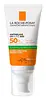
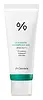
La Roche-Posay Anthelios UVMune 400 Oil Control Gel-Cream SPF 50+ Fragrance Free Versus Dr.Ceuracle Cica Regen Waterproof Sun SPF50+ PA++++


What's inside
What's inside
 Key Ingredients
Benefits
Concerns
Ingredients Side-by-side
Water
Skin ConditioningDiisopropyl Sebacate
EmollientSilica
Abrasive


Alcohol Denat.
Antimicrobial




Ethylhexyl Salicylate
UV Absorber

Ethylhexyl Triazone
UV Absorber
Bis-Ethylhexyloxyphenol Methoxyphenyl Triazine
Skin Conditioning
Diisopropyl Adipate
EmollientPEG-8
HumectantDipropylene Glycol
HumectantC12-22 Alkyl Acrylate/Hydroxyethylacrylate Copolymer
StabilisingGlycerin
Humectant


Drometrizole Trisiloxane
UV Absorber
Aluminum Starch Octenylsuccinate
Absorbent
Butyl Methoxydibenzoylmethane
UV Absorber
Methoxypropylamino Cyclohexenylidene Ethoxyethylcyanoacetate
Stabilising
Tocopherol
Antioxidant





Diethylamino Hydroxybenzoyl Hexyl Benzoate
UV Filter
Acrylates Copolymer
Acrylates/C10-30 Alkyl Acrylate Crosspolymer
Emulsion StabilisingBixa Orellana Seed Extract
MaskingCaprylyl Glycol
Emollient
Citric Acid
Buffering
Hydroxyacetophenone
Antioxidant
Maltodextrin
Absorbent
Pentaerythrityl Tetra-Di-T-Butyl Hydroxyhydrocinnamate
Antioxidant
Pentylene Glycol
Skin Conditioning
Silica Silylate
Emollient
Sodium Polyacrylate
Absorbent
Terephthalylidene Dicamphor Sulfonic Acid
UV Absorber
Triethanolamine
BufferingTrisodium Ethylenediamine Disuccinate
Zinc PCA
Humectant

Water, Diisopropyl Sebacate, Silica, Alcohol Denat., Ethylhexyl Salicylate, Ethylhexyl Triazone, Bis-Ethylhexyloxyphenol Methoxyphenyl Triazine, Diisopropyl Adipate, PEG-8, Dipropylene Glycol, C12-22 Alkyl Acrylate/Hydroxyethylacrylate Copolymer, Glycerin, Drometrizole Trisiloxane, Aluminum Starch Octenylsuccinate, Butyl Methoxydibenzoylmethane, Methoxypropylamino Cyclohexenylidene Ethoxyethylcyanoacetate, Tocopherol, Diethylamino Hydroxybenzoyl Hexyl Benzoate, Acrylates Copolymer, Acrylates/C10-30 Alkyl Acrylate Crosspolymer, Bixa Orellana Seed Extract, Caprylyl Glycol, Citric Acid, Hydroxyacetophenone, Maltodextrin, Pentaerythrityl Tetra-Di-T-Butyl Hydroxyhydrocinnamate, Pentylene Glycol, Silica Silylate, Sodium Polyacrylate, Terephthalylidene Dicamphor Sulfonic Acid, Triethanolamine, Trisodium Ethylenediamine Disuccinate, Zinc PCA
Water
Skin ConditioningDibutyl Adipate
EmollientPropanediol
Solvent
Ethylhexyl Triazone
UV Absorber
Polymethylsilsesquioxane
Diethylamino Hydroxybenzoyl Hexyl Benzoate
UV Filter
Methylene Bis-Benzotriazolyl Tetramethylbutylphenol
UV Filter
Niacinamide
Smoothing

Drometrizole Trisiloxane
UV Absorber
Coco-Caprylate/Caprate
Emollient

Caprylyl Methicone
Skin Conditioning
Glycerin
Humectant
Butylene Glycol
Humectant
Pentylene Glycol
Skin Conditioning
Behenyl Alcohol
Emollient
Poly C10-30 Alkyl Acrylate
Emulsion StabilisingVp/Eicosene Copolymer
Polyglyceryl-3 Methylglucose Distearate
Emulsifying
Decyl Glucoside
Cleansing
Tromethamine
BufferingCarbomer
Emulsion StabilisingAcrylates/C10-30 Alkyl Acrylate Crosspolymer
Emulsion StabilisingSodium Stearoyl Glutamate
CleansingPolyacrylate Crosspolymer-6
Emulsion StabilisingEthylhexylglycerin
Skin ConditioningAdenosine
Skin Conditioning
Dioscorea Japonica Root Extract
Skin Conditioning
Viola Mandshurica Flower Extract
Antioxidant
Laminaria Japonica Extract
Skin Protecting
Ulmus Davidiana Root Extract
Skin Conditioning
Aloe Barbadensis Leaf Extract
Emollient
Xanthan Gum
EmulsifyingT-Butyl Alcohol
Perfuming
Inositol
Humectant
Tocopherol
Antioxidant
Panthenol
Skin Conditioning
Sodium Hyaluronate
Humectant
Hydrolyzed Hyaluronic Acid
Humectant
Caprylic/Capric Triglyceride
Masking
Glyceryl Glucoside
Humectant
Saccharide Isomerate
Humectant
Dipropylene Glycol
HumectantSalicornia Herbacea Extract
Skin ConditioningAdansonia Digitata Fruit Extract
EmollientBambusa Vulgaris Water
Skin ConditioningBambusa Vulgaris Shoot Extract
Antioxidant
Bambusa Vulgaris Leaf/Stem Extract
HumectantCentella Asiatica Extract
Cleansing
Hibiscus Esculentus Fruit Extract
Skin ConditioningAngelica Keiskei Extract
Antioxidant
Corchorus Olitorius Leaf Extract
Skin ConditioningNelumbo Nucifera Root Extract
Skin ConditioningAnastatica Hierochuntica Extract
AstringentTremella Fuciformis Polysaccharide
Emulsion Stabilising
Mentha Aquatica Extract
TonicCitric Acid
Buffering
Sodium Citrate
BufferingWater, Dibutyl Adipate, Propanediol, Ethylhexyl Triazone, Polymethylsilsesquioxane, Diethylamino Hydroxybenzoyl Hexyl Benzoate, Methylene Bis-Benzotriazolyl Tetramethylbutylphenol, Niacinamide, Drometrizole Trisiloxane, Coco-Caprylate/Caprate, Caprylyl Methicone, Glycerin, Butylene Glycol, Pentylene Glycol, Behenyl Alcohol, Poly C10-30 Alkyl Acrylate, Vp/Eicosene Copolymer, Polyglyceryl-3 Methylglucose Distearate, Decyl Glucoside, Tromethamine, Carbomer, Acrylates/C10-30 Alkyl Acrylate Crosspolymer, Sodium Stearoyl Glutamate, Polyacrylate Crosspolymer-6, Ethylhexylglycerin, Adenosine, Dioscorea Japonica Root Extract, Viola Mandshurica Flower Extract, Laminaria Japonica Extract, Ulmus Davidiana Root Extract, Aloe Barbadensis Leaf Extract, Xanthan Gum, T-Butyl Alcohol, Inositol, Tocopherol, Panthenol, Sodium Hyaluronate, Hydrolyzed Hyaluronic Acid, Caprylic/Capric Triglyceride, Glyceryl Glucoside, Saccharide Isomerate, Dipropylene Glycol, Salicornia Herbacea Extract, Adansonia Digitata Fruit Extract, Bambusa Vulgaris Water, Bambusa Vulgaris Shoot Extract, Bambusa Vulgaris Leaf/Stem Extract, Centella Asiatica Extract, Hibiscus Esculentus Fruit Extract, Angelica Keiskei Extract, Corchorus Olitorius Leaf Extract, Nelumbo Nucifera Root Extract, Anastatica Hierochuntica Extract, Tremella Fuciformis Polysaccharide, Mentha Aquatica Extract, Citric Acid, Sodium Citrate
Reviews
Ingredients Explained
These ingredients are found in both products.
Ingredients higher up in an ingredient list are typically present in a larger amount.
Acrylates/C10-30 Alkyl Acrylate Crosspolymer is a synthetic polymer. It is used to thicken, emulsify, and improve the texture of products.
As an emulsifier, it helps stabilize oil-in-water emulsions to give products an elegant feel when applied.
It can also form a thin protective film on skin. One study found that a formula using this polymer helped slow down how quickly other ingredients (like DEET) were absorbed through skin.
A 2024 study of over 1,300 patients confirmed that sensitization to this ingredient is rare. It is also non-mutagenic and has a clean track record.
Learn more about Acrylates/C10-30 Alkyl Acrylate CrosspolymerCitric Acid is an alpha hydroxy acid (AHA) naturally found in citrus fruits like oranges, lemons, and limes.
Like other AHAs, citric acid can exfoliate skin by breaking down the bonds that hold dead skin cells together. This helps reveal smoother and brighter skin underneath.
However, this exfoliating effect only happens at high concentrations (20%) which can be hard to find in cosmetic products.
Due to this, citric acid is usually included in small amounts as a pH adjuster. This helps keep products slightly more acidic and compatible with skin's natural pH.
In skincare formulas, citric acid can:
While it can provide some skin benefits, research shows lactic acid and glycolic acid are generally more effective and less irritating exfoliants.
Most citric acid used in skincare today is made by fermenting sugars (usually from molasses). This synthetic version is identical to the natural citrus form but easier to stabilize and use in formulations.
Read more about some other popular AHA's here:
Learn more about Citric AcidDiethylamino Hydroxybenzoyl Hexyl Benzoate (DHHB) is a chemical UV-A absorber. It is formulated for high UVA protection (320-400 nm).
DHHB is well-liked for:
DHHB has been approved by the EU, Japan, Taiwan, and South America for use up to 10%. Unfortunately, it has not been approved for use in the US or Canada due to slow regulatory processes.
This ingredient is soluble in oils, fats, and lipids.
Learn more about Diethylamino Hydroxybenzoyl Hexyl BenzoateDipropylene Glycol is a synthetically created humectant, stabilizer, and solvent.
This ingredient helps:
Dipropylene glycol is technically an alcohol, but it belongs to the glycol family (often considered part of the ‘good’ alcohols). This means it is hydrating and gentle on skin unlike drying solvent alcohols like denatured alcohol.
As a masking agent, Dipropylene Glycol can be used to cover the smell of other ingredients. However, it does not have a scent.
Studies show Dipropylene Glycol is considered safe to use in skincare.
Learn more about Dipropylene GlycolDrometrizole Trisiloxane is a UV filter that provides both UV-A (344 nm) and UV-B (303 nm) protection.
This ingredient is photostable and studies show it to be generally safe and effective. The compound Meroxyl XL is owned by L'Oreal while Drometrizole trisiloxane can be found in other sunscreen brands.
It is currently approved for use in the EU, Canada, Australia, and Japan. However, it is not yet approved for use in the US.
This ingredient is often used with other sunscreen ingredients, such as Ecamsule.
Learn more about Drometrizole TrisiloxaneEthylhexyl Triazone is a modern chemical sunscreen that protects from UV-B radiation.
It is the most effective of existing UV-B filters, as it provides the highest level of photo-stable absorption. It protects from the entire UV-B range (280 to 320nm), with it's highest level of protection at 314nm.
Ethylhexyl Triazone is oil soluble, oderless and colorless, which mean it is able to be incorporated into a variety of different formulations.
It is not currently available within the United States due to slow changing FDA regulations. Outside of the US, it is used in formulations at concentrations up to 5%.
Learn more about Ethylhexyl TriazoneGlycerin (or glycerol) is a compound naturally found in your skin. It's a powerhouse humectant that pulls water into the stratum corneum.
Topically, glycerin does several things at once:
Your skin makes glycerin on its own (mostly from sebaceous oil breakdown) and shuttles it to your outermost layer of skin, or your epidermis, via aquaporin-3.
Aquaporin-3 is a transporter that is essential for normal skin hydration, elasticity, and repair. Interestingly, mice lacking in AQP3 have dry and less elastic skin that can be fully corrected with glycerin.
This ingredient is non-irritating, plays well with almost every ingredient, and works across all skin types. Typical use is anywhere between 3-10% but can go up to 79% in some leave-on products.
Just know very high concentrations (>40%) can feel tacky in low humidity.
Glycerin is the name for this ingredient in American English. British English uses Glycerol/Glycerine.
Learn more about GlycerinPentylene glycol is typically used within a product to thicken it. It also adds a smooth, soft, and moisturizing feel to the product. It is naturally found in plants such as sugar beets.
The hydrophilic trait of Pentylene Glycol makes it a humectant. As a humectant, Pentylene Glycol helps draw moisture from the air to your skin. This can help keep your skin hydrated.
This property also makes Pentylene Glycol a great texture enhancer. It can also help thicken or stabilize a product.
Pentylene Glycol also acts as a mild preservative and helps to keep a product microbe-free.
Some people may experience mild eye and skin irritation from Pentylene Glycol. We always recommend speaking with a professional about using this ingredient in your routine.
Pentylene Glycol has a low molecular weight and is part of the 1,2-glycol family.
Learn more about Pentylene GlycolTocopherol (also known as Vitamin E) is a common antioxidant used to help protect the skin from free-radicals and strengthen the skin barrier. It's also fat soluble - this means our skin is great at absorbing it.
Vitamin E also helps keep your natural skin lipids healthy. Your lipid skin barrier naturally consists of lipids, ceramides, and fatty acids. Vitamin E offers extra protection for your skin’s lipid barrier, keeping your skin healthy and nourished.
Another benefit is a bit of UV protection. Vitamin E helps reduce the damage caused by UVB rays. (It should not replace your sunscreen). Combining it with Vitamin C can decrease sunburned cells and hyperpigmentation after UV exposure.
You might have noticed Vitamin E + C often paired together. This is because it is great at stabilizing Vitamin C. Using the two together helps increase the effectiveness of both ingredients.
There are often claims that Vitamin E can reduce/prevent scarring, but these claims haven't been confirmed by scientific research.
Learn more about TocopherolWater. It's the most common cosmetic ingredient of all. You'll usually see it at the top of ingredient lists, meaning that it makes up the largest part of the product.
So why is it so popular? Water most often acts as a solvent - this means that it helps dissolve other ingredients into the formulation.
You'll also recognize water as that liquid we all need to stay alive. If you see this, drink a glass of water. Remember to stay hydrated!
Learn more about Water
