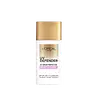
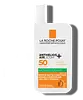
L'Oreal UV Defender UV Serum Protector Sunscreen SPF 50+ Versus La Roche-Posay Anthelios Airlicium+ Fluid SPF 50

What's inside
What's inside
 Key Ingredients
Benefits
Concerns
Ingredients Side-by-side
Water
Skin ConditioningEthylhexyl Methoxycinnamate
UV Absorber


Titanium Dioxide
Cosmetic Colorant
Squalane
Emollient


Glycerin
Humectant
Drometrizole Trisiloxane
UV Absorber
Terephthalylidene Dicamphor Sulfonic Acid
UV Absorber
Propylene Glycol
Humectant

Alcohol Denat.
Antimicrobial

Triethanolamine
BufferingDipropylene Glycol
HumectantMica
Cosmetic ColorantStearic Acid
Cleansing

Potassium Cetyl Phosphate
EmulsifyingTocopherol
Antioxidant




Nylon-12

CI 77891
Cosmetic ColorantNiacinamide
Smoothing




Sodium Cocoyl Sarcosinate
Cleansing
Sodium Chloride
MaskingPhenoxyethanol
Preservative
Diethylamino Hydroxybenzoyl Hexyl Benzoate
UV Filter
Paeonia Suffruticosa Root Extract
Skin ProtectingThermus Thermophillus Ferment
Skin ConditioningPEG-100 Stearate
Ethylhexyl Triazone
UV Absorber
Trisodium Ethylenediamine Disuccinate
Palmitic Acid
Emollient
Polysorbate 80
Emulsifying
Limonene
Perfuming

Xanthan Gum
EmulsifyingLinalool
Perfuming
Tromethamine
BufferingIsohexadecane
EmollientCaprylyl Glycol
Emollient
Alpha-Isomethyl Ionone
Perfuming
CI 77120
Cosmetic ColorantCarbomer
Emulsion StabilisingAcrylamide/Sodium Acryloyldimethyltaurate Copolymer
Emulsion StabilisingMyristic Acid
Cleansing
Sorbitan Oleate
Emulsifying
Bis-Ethylhexyloxyphenol Methoxyphenyl Triazine
Skin Conditioning
Cetyl Alcohol
Emollient
Butylene Glycol
Humectant
BHT
Antioxidant
Butyrospermum Parkii Seedcake Extract
Skin Protecting
Potassium Sorbate
Preservative
Aluminum Hydroxide
EmollientHexyl Cinnamal
Perfuming
Glyceryl Stearate
Emollient
Parfum
Masking
Water, Ethylhexyl Methoxycinnamate, Titanium Dioxide, Squalane, Glycerin, Drometrizole Trisiloxane, Terephthalylidene Dicamphor Sulfonic Acid, Propylene Glycol, Alcohol Denat., Triethanolamine, Dipropylene Glycol, Mica, Stearic Acid, Potassium Cetyl Phosphate, Tocopherol, Nylon-12, CI 77891, Niacinamide, Sodium Cocoyl Sarcosinate, Sodium Chloride, Phenoxyethanol, Diethylamino Hydroxybenzoyl Hexyl Benzoate, Paeonia Suffruticosa Root Extract, Thermus Thermophillus Ferment, PEG-100 Stearate, Ethylhexyl Triazone, Trisodium Ethylenediamine Disuccinate, Palmitic Acid, Polysorbate 80, Limonene, Xanthan Gum, Linalool, Tromethamine, Isohexadecane, Caprylyl Glycol, Alpha-Isomethyl Ionone, CI 77120, Carbomer, Acrylamide/Sodium Acryloyldimethyltaurate Copolymer, Myristic Acid, Sorbitan Oleate, Bis-Ethylhexyloxyphenol Methoxyphenyl Triazine, Cetyl Alcohol, Butylene Glycol, BHT, Butyrospermum Parkii Seedcake Extract, Potassium Sorbate, Aluminum Hydroxide, Hexyl Cinnamal, Glyceryl Stearate, Parfum
Water
Skin ConditioningTitanium Dioxide
Cosmetic Colorant
C12-15 Alkyl Benzoate
AntimicrobialSilica
Abrasive
Ethylhexyl Salicylate
UV Absorber
Butyl Methoxydibenzoylmethane
UV Absorber
Bis-Ethylhexyloxyphenol Methoxyphenyl Triazine
Skin Conditioning
Dimethicone
Emollient
Ethylhexyl Triazone
UV Absorber
Glycerin
Humectant
Octocrylene
UV Absorber
Pentylene Glycol
Skin Conditioning
Aluminum Starch Octenylsuccinate
Absorbent
Triethanolamine
BufferingStearic Acid
Cleansing
Potassium Cetyl Phosphate
EmulsifyingMethyl Methacrylate Crosspolymer
Methylene Bis-Benzotriazolyl Tetramethylbutylphenol
UV Filter
Nylon-12
Propylene Glycol
Humectant
Synthetic Wax
Abrasive
Terephthalylidene Dicamphor Sulfonic Acid
UV Absorber
Palmitic Acid
Emollient
PEG-100 Stearate
Glyceryl Stearate
Emollient
Phenoxyethanol
Preservative
Silica Silylate
Emollient
Drometrizole Trisiloxane
UV Absorber
Ammonium Polyacryloyldimethyl Taurate
Emulsion StabilisingIsopropyl Lauroyl Sarcosinate
Skin ConditioningPoloxamer 338
EmulsifyingAluminum Hydroxide
EmollientStearyl Alcohol
Emollient
Tocopherol
Antioxidant
Caprylyl Glycol
Emollient
Polyglyceryl-10 Laurate
Skin Conditioning
Butylene Glycol
Humectant
Disodium EDTA
Hydroxypropyl Methylcellulose
Emulsion StabilisingMyristic Acid
Cleansing
Sodium Chloride
MaskingBHT
Antioxidant
Benzyl Benzoate
Antimicrobial
Benzyl Alcohol
Perfuming
Parfum
Masking
Water, Titanium Dioxide, C12-15 Alkyl Benzoate, Silica, Ethylhexyl Salicylate, Butyl Methoxydibenzoylmethane, Bis-Ethylhexyloxyphenol Methoxyphenyl Triazine, Dimethicone, Ethylhexyl Triazone, Glycerin, Octocrylene, Pentylene Glycol, Aluminum Starch Octenylsuccinate, Triethanolamine, Stearic Acid, Potassium Cetyl Phosphate, Methyl Methacrylate Crosspolymer, Methylene Bis-Benzotriazolyl Tetramethylbutylphenol, Nylon-12, Propylene Glycol, Synthetic Wax, Terephthalylidene Dicamphor Sulfonic Acid, Palmitic Acid, PEG-100 Stearate, Glyceryl Stearate, Phenoxyethanol, Silica Silylate, Drometrizole Trisiloxane, Ammonium Polyacryloyldimethyl Taurate, Isopropyl Lauroyl Sarcosinate, Poloxamer 338, Aluminum Hydroxide, Stearyl Alcohol, Tocopherol, Caprylyl Glycol, Polyglyceryl-10 Laurate, Butylene Glycol, Disodium EDTA, Hydroxypropyl Methylcellulose, Myristic Acid, Sodium Chloride, BHT, Benzyl Benzoate, Benzyl Alcohol, Parfum
Reviews
Ingredients Explained
These ingredients are found in both products.
Ingredients higher up in an ingredient list are typically present in a larger amount.
Aluminum Hydroxide is a form of aluminum. It can be naturally found in nature as the mineral gibbsite. In cosmetics, Aluminum Hydroxide is used as a colorant, pH adjuster, and absorbent.
As a colorant, Aluminum Hydroxide may add opacity, or reduce the transparency. Aluminum hydroxide is contains both basic and acidic properties.
According to manufacturers, this ingredient is an emollient and humectant. This means it helps hydrate the skin.
In medicine, this ingredient is used to help relieve heartburn and help heal ulcers.
There is currently no credible scientific evidence linking aluminum hydroxide in cosmetics to increased cancer risk.
Major health organizations allow the use of aluminum hydroxide in personal care products and have not flagged it as a carcinogenic risk at typical usage levels.
Learn more about Aluminum HydroxideBHT is a synthetic antioxidant and preservative.
As an antioxidant, it helps your body fight off free-radicals. Free-radicals are molecules that may damage your skin cells.
As a preservative, it is used to stabilize products and prevent them from degrading. Specifically, BHT prevents degradation from oxidation.
The concerns related to BHT come from oral studies; this ingredient is currently allowed for use by both the FDA and EU.
However, it was recently restricted for use in the UK as of April 2024.
Learn more about BHTYou might know this ingredient as Tinosorb S or Bemotrizinol. It is a UV filter that covers both UVA and UVB rays.
This ingredient has two peak UV absorption peaks ( 310 and 340 nm) and is able to absorb both UV-A and UV-B rays. This ingredient works by preventing UV rays from reaching and damaging your skin.
On top of that - it is highly photostable and helps prevent the photodegration of other sunscreen ingredients such as avobenzone.
Tinosorb S is allowed in the EU, Australia, and Asia. It is close to being approved by the FDA and we'll hopefully get this ingredient in the U.S. by late 2026.
Fun fact: Tinosorb S is the most effective UV absorber at maximum concentration (measured by SPF) permitted in the EU.
This ingredient is oil-soluble, so your oil-cleansers will take this right off at night.
Learn more about Bis-Ethylhexyloxyphenol Methoxyphenyl TriazineButylene Glycol (or BG) is used within cosmetic products for a few different reasons:
Overall, Butylene Glycol is a safe and well-rounded ingredient that works well with other ingredients.
Though this ingredient works well with most skin types, some people with sensitive skin may experience a reaction such as allergic rashes, closed comedones, or itchiness.
Learn more about Butylene GlycolCaprylyl Glycol is a humectant, skin conditioner, emollient, and preservative booster derived from either caprylic acid or synthetically created.
Typical use levels vary from 0.3-1% as a preservative booster and go up to 2% to condition skin.
Because it is not a free-fatty acid or alcohol, this ingredient is fungal acne safe (there's nothing for Malassezia to feed on).
Learn more about Caprylyl GlycolDrometrizole Trisiloxane is a UV filter that provides both UV-A (344 nm) and UV-B (303 nm) protection.
This ingredient is photostable and studies show it to be generally safe and effective. The compound Meroxyl XL is owned by L'Oreal while Drometrizole trisiloxane can be found in other sunscreen brands.
It is currently approved for use in the EU, Canada, Australia, and Japan. However, it is not yet approved for use in the US.
This ingredient is often used with other sunscreen ingredients, such as Ecamsule.
Learn more about Drometrizole TrisiloxaneEthylhexyl Triazone is a modern chemical sunscreen that protects from UV-B radiation.
It is the most effective of existing UV-B filters, as it provides the highest level of photo-stable absorption. It protects from the entire UV-B range (280 to 320nm), with it's highest level of protection at 314nm.
Ethylhexyl Triazone is oil soluble, oderless and colorless, which mean it is able to be incorporated into a variety of different formulations.
It is not currently available within the United States due to slow changing FDA regulations. Outside of the US, it is used in formulations at concentrations up to 5%.
Learn more about Ethylhexyl TriazoneGlycerin (or glycerol) is a compound naturally found in your skin. It's a powerhouse humectant that pulls water into the stratum corneum.
Topically, glycerin does several things at once:
Your skin makes glycerin on its own (mostly from sebaceous oil breakdown) and shuttles it to your outermost layer of skin, or your epidermis, via aquaporin-3.
Aquaporin-3 is a transporter that is essential for normal skin hydration, elasticity, and repair. Interestingly, mice lacking in AQP3 have dry and less elastic skin that can be fully corrected with glycerin.
This ingredient is non-irritating, plays well with almost every ingredient, and works across all skin types. Typical use is anywhere between 3-10% but can go up to 79% in some leave-on products.
Just know very high concentrations (>40%) can feel tacky in low humidity.
Glycerin is the name for this ingredient in American English. British English uses Glycerol/Glycerine.
Learn more about GlycerinGlyceryl Stearate is made by reacting glycerin with stearic acid (typically sourced from plant oils like palm or coconut). It's an emulsifier, emollient, and mild occlusive.
Emulsifiers help ingredients like oil and water stay mixed so your formula stays nicely blended and uniform in texture.
This ingredient is typically used in concentrations between 1-10%. Studies have found it to be non-sensitizing, non-phototoxic, and non-photoallergenic.
A close cousin of this ingredient is Glyceryl Stearate SE ("self-emulsifying"). This just has a small amount of sodium or potassium stearate added so it can emulsify without a co-emulsifier.
Since this ingredient is an ester of a C18 fatty acid, it may not be fungal acne safe. The Malassezia yeast can potentially metabolize within the C11-C24 range.
Fun fact: The human body also creates Glyceryl Stearate naturally.
Learn more about Glyceryl StearateMyristic Acid is a saturated fatty acid. It is naturally found in milk fat. Other sources include palm oil, coconut oil, and butter fat.
Myristic Acid is an emulsifer and cleanser. As an emulsifer, it stabilizes a product by preventing ingredients from separating. Myristic Acid helps clean your skin by acting as a surfactant. It tends to gather oil and dirt on your skin to be easily rinsed away.
One study from 2021 found Myristic Acid to have anti-inflammatory properties.
Learn more about Myristic AcidNylon-12 is a polymer. It is derived from 12-aminododecanoic acid, an omega-amino fatty acid
According to a manufacturer, it is a talc substitute. Like talc, nylon-12 gives products a satin feel. The manufacturer also claims this ingredients does not block pores and has moderate oil absorption.
This ingredient may not be reef-safe.
Learn more about Nylon-12Palmitic Acid is a fatty acid naturally found in our skin and in many plant and animal sources.
In cosmetics, it is usually derived from palm oil. It serves many purposes in skincare, acting as a cleanser, emollient, and emulsifier.
Interestingly, topically applied Palmitic Acid can be elongated into longer chain fatty acids and ceramides. A 2019 study found low levels of Palmitic Acid lead to slower development of cells, suggesting it plays a role in keeping your skin's renewal process on track.
The CIR (Cosmetic Ingredient Review) panel determined it safe as used in cosmetics at concentrations up to 13%. It is non-irritating and non-sensitizing in clinical studies.
The culprit behind fungal acne, the Malassezia yeast, feeds on fatty acids with carbon chain lengths between C11-C24. Palmitic Acid, at C16, falls right into that sweet spot.
In vitro studies have shown that Palmitic Acid is one of the fatty acids that induce rapid Malassezia growth in lab settings.
It's worth noting that what feeds yeast in a lab doesn't necessarily feed it on your face since formulation and your skin's chemistry play a bigger role.
Learn more about Palmitic AcidParfum is a catch-all term for an ingredient or more that is used to give a scent to products.
Also called "fragrance", this ingredient can be a blend of hundreds of chemicals or plant oils. This means every product with "fragrance" or "parfum" in the ingredients list is a different mixture.
For instance, Habanolide is a proprietary trade name for a specific aroma chemical. When used as a fragrance ingredient in cosmetics, most aroma chemicals fall under the broad labeling category of “FRAGRANCE” or “PARFUM” according to EU and US regulations.
The term 'parfum' or 'fragrance' is not regulated in many countries. In many cases, it is up to the brand to define this term.
For instance, many brands choose to label themselves as "fragrance-free" because they are not using synthetic fragrances. However, their products may still contain ingredients such as essential oils that are considered a fragrance by INCI standards.
One example is Calendula flower extract. Calendula is an essential oil that still imparts a scent or 'fragrance'.
Depending on the blend, the ingredients in the mixture can cause allergies and sensitivities on the skin. Some ingredients that are known EU allergens include linalool and citronellol.
Parfum can also be used to mask or cover an unpleasant scent.
The bottom line is: not all fragrances/parfum/ingredients are created equally. If you are worried about fragrances, we recommend taking a closer look at an ingredient. And of course, we always recommend speaking with a professional.
Learn more about ParfumPeg-100 Stearate is an emollient and emulsifier. As an emollient, it helps keep skin soft by trapping moisture in. On the other hand, emulsifiers help prevent oil and water from separating in a product.
PEGS are a hydrophilic polyether compound . There are 100 ethylene oxide monomers in Peg-100 Stearate. Peg-100 Stearate is polyethylene glycol ester of stearic acid.
Phenoxyethanol is a preservative that has germicide, antimicrobial, and aromatic properties. Studies show that phenoxyethanol can prevent microbial growth. By itself, it has a scent that is similar to that of a rose.
It's often used in formulations along with Caprylyl Glycol to preserve the shelf life of products.
Potassium Cetyl Phosphate is the potassium salt of a mixture. This mixture consists of the esters from phosphoricacid and cetyl alcohol.
Potassium Cetyl Phosphate is an emulsifier and cleansing agent. Emulsifiers help stabilize a product. It does this by preventing certain ingredients from separating.
As a cleansing agent, Potassium Cetyl Phosphate helps gather oils, dirts, and pollutants from your skin. This makes it easier to rinse them away with water.
Learn more about Potassium Cetyl PhosphatePropylene Glycol is a synthetic, colorless, odorless liquid that has been a staple in cosmetics for decades. It is a skin conditioning agent, humectant, and solvent.
As a humectant, it draw water to the skin to reduce flaking and restore suppleness. It's also a solvent that helps dissolve other actives and keeps formulas stable across temperature changes.
The CIR Expert Panel has confirmed this ingredient to be nontoxic and clinical studies show no sensitization at cosmetic use concentrations.
True allergic reactions are quite rare: a 15-year retrospective study of 6,751 patients found only 0.31% had a positive reaction (and less than half were considered clinically relevant).
It seemed that when sensitization does occur, it's most commonly linked to topical medication (like corticosteroids) and not cosmetics. Allergic contact dermatitis also appears largely limited to individuals with underlying skin conditions.
Overall, propylene glycol is a well-studied ingredient that most people can tolerate without issue.
Learn more about Propylene GlycolChances are, you eat sodium chloride every day. Sodium Chloride is also known as table salt. This ingredient has many purposes in skincare: thickener, emulsifier, and exfoliator.
You'll most likely find this ingredient in cleansers where it is used to create a gel-like texture. As an emulsifier, it also prevents ingredients from separating.
You might see people debate whether Sodium Chloride is comedogenic, but there actually haven't been any comedogenic tests done on it. Either way, the overall formulation of a product matters a lot more than any single ingredient.
You might see this ingredient used in scrubs as a primary exfoliating ingredient.
Learn more about Sodium ChlorideStearic Acid is a fatty acid that is already found in your skin. It's one of the free fatty acids that works alongside ceramides and cholesterols to maintain your barrier.
In cosmetics, it is a multitasker:
Safety-wise, the CIR Expert Panel has concluded it to be safe in cosmetics when formulated to be non-irritating and non-sensitizing.
Free stearic acid is a C18 fatty acid that the Malassezia yeast can substrate, so this ingredient may not be fungal acne safe.
Learn more about Stearic AcidEcamsule is a UV-A absorber (290–400 nm) patented by L'Oreal. It is derived from benzylidene camphor, making it highly photostable.
Ecamsule is able to prevent UV from reaching the skin. It absorbs UV and releases it as thermal energy.
It does this by:
The pH of ecamsule needs to be neutralized due to it being an acid. Triethanolamine is a pH adjusting ingredient often used with ecamsule.
This sunscreen ingredient is approved for use in the EU, Canada, and Asia. In the US, you will only find this ingredient in select L'Oreal products.
Learn more about Terephthalylidene Dicamphor Sulfonic AcidTitanium dioxide is a mineral UV filter widely used in sunscreens and cosmetics.
It is one of only two UV filters officially classified as “mineral” by regulatory agencies, the other being zinc oxide.
Titanium dioxide provides broad-spectrum protection mostly in the UVB and UVAII range, with some protection in the UVAI range.
While its UVA protection isn’t as strong as zinc oxide’s, the difference is minor.
A common myth is that mineral UV filters reflect UV light. However, modern research shows titanium dioxide absorbs UV radiation like chemical filters (~95% absorption & 5% reflection).
Thanks to its non-irritating nature, titanium dioxide is suitable for sensitive, acne-prone, or redness-prone skin. It is unlikely to cause "eye sting" like other sunscreen ingredients.
A major drawback of this ingredient is its white cast and thick texture. This is why mineral sunscreens often leave a white cast and are less cosmetically elegant than chemical/hybrid sunscreens.
To improve white cast and spreadability, micronized or nano-sized titanium dioxide is often used.
There are ongoing concerns surrounding nano-titanium oxide's impact on marine ecosystems.
There is no conclusive evidence that any form of titanium oxide (or any other sunscreen ingredients) will cause harm to marine ecosystems or coral reefs. The science is still developing but many consumers are keeping a close eye on this issue.
Please note, many destinations have reef-safety sunscreen rules. For instance, the U.S. Virgin Islands advises all visitors to use non-nano mineral sunscreens.
Nano mineral sunscreens once raised safety concerns about absorption into skin.
Extensive research has shown that they do not penetrate healthy or damaged skin; they remain safely on the surface and the top layer of dead skin (stratum corneum).
You'll likely find titanium dioxide bundled with alumina, silica, or dimethicone. These ingredients help make titanium dioxide highly photostable; this prevents it from interacting with other formula components under UV light.
Learn more about Titanium DioxideTocopherol is a fat-soluble antioxidant known as Vitamin E.
You'll find this ingredient in the vast majority of skincare (for good reason). It works to neutralize free radicals, or unstable molecules generated by UV exposure, pollution, and other environmental stressors, before they can cause oxidative damage to your skin cells.
Topically applied tocopherol has been shown to protect against UV damage by ramping up the skin's own natural defense enzymes.
It also acts as a skin conditioning agent; some studies show that regular topical use can improve the skin's water-binding capacity over 2-4 weeks.
This ingredient is especially loved for being a team player. When combined with Vitamin C, the photoprotective effect of both ingredients roughly doubles and the combo also helps reduce UV-induced DNA damage.
This ingredient has some brightening potential but it's more of a prevention ingredient than spot-fader. Cell studies show it can slow down melanin production but it's worth noting that it's not the most powerful brightener out there.
In formulations, it also serves as a stabilizer that helps protect other oxidation-prone ingredients from degrading.
Concentrations usually range from 0.1-1% in most leave-on products.
Learn more about TocopherolTriethanolamine (TEA) is an emulsifier and pH adjuster. It is created using ethylene oxide and ammonia. This gives Triethanolamine a nitrogen core and a similar scent to ammonia.
As an emulsifier, it prevents ingredients from separating and enhances texture by adding volume to a product.
PH adjusters are common in cosmetic products. The pH of a product can affect the effectiveness of other ingredients. A product with a high pH may also irritate the skin.
If you are looking for the tea leaf ingredient, click here.
Learn more about TriethanolamineWater. It's the most common cosmetic ingredient of all. You'll usually see it at the top of ingredient lists, meaning that it makes up the largest part of the product.
So why is it so popular? Water most often acts as a solvent - this means that it helps dissolve other ingredients into the formulation.
You'll also recognize water as that liquid we all need to stay alive. If you see this, drink a glass of water. Remember to stay hydrated!
Learn more about Water
